Active campaign
Operation Achilles (2016)
Afghanistan
Campaign order
Campaign order
Operation Achilles (2016)
The Lythium Valley in southern Helmand, a long-time Taliban stronghold and smuggling route from Pakistan, has remained largely untouched despite years of ISAF presence. Operation Achilles seeks to seize the valley, destroy insurgent infrastructure, and sever the opium trade that funds regional insurgency. Success would enable the authorities to establish control.
BACKGROUND
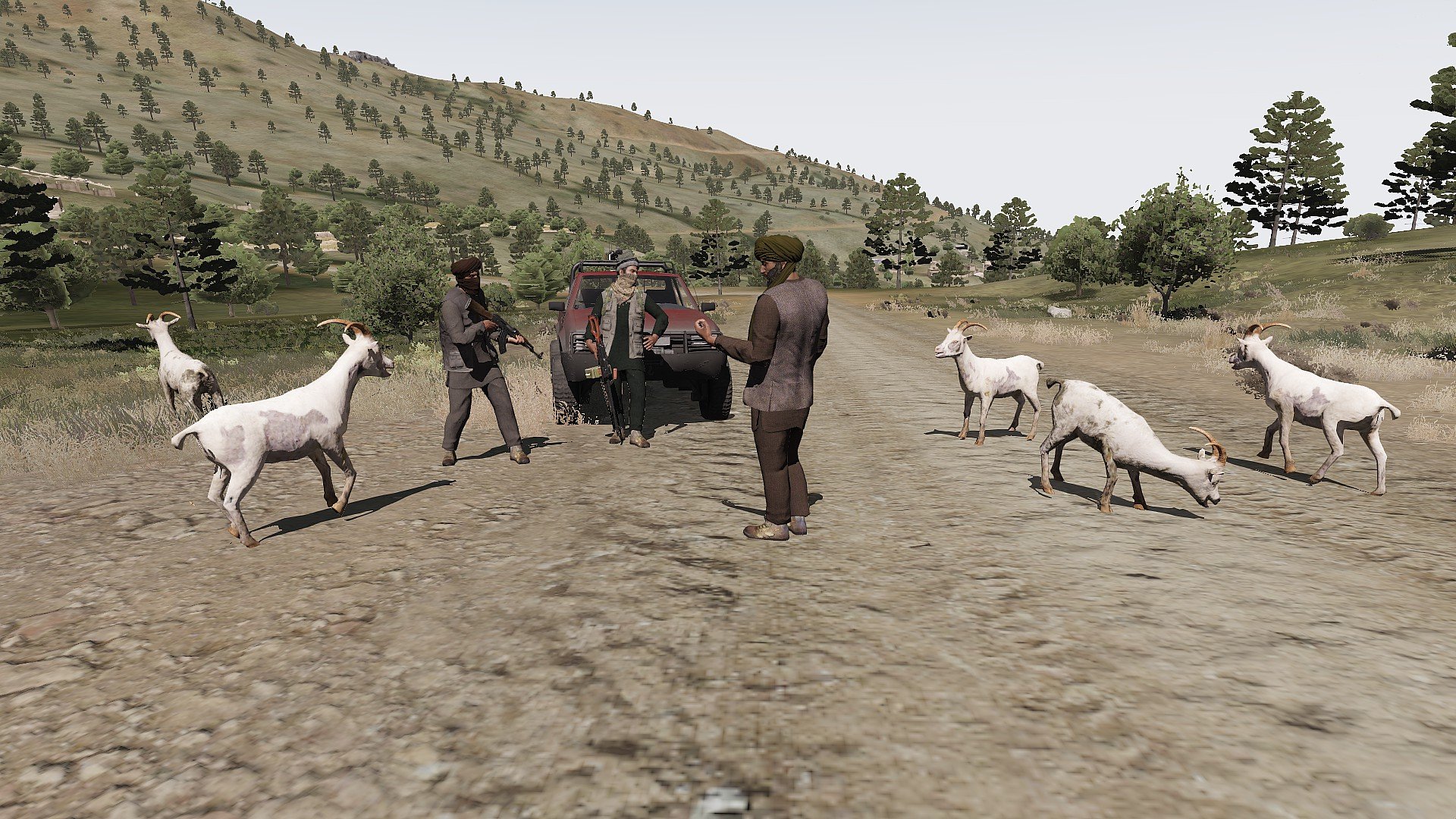
In the far south of Helmand lies the Lythium Valley, a hard place shaped by rock, dust, and years of almost uninterrupted Taliban control. Old smuggling routes run east toward the Pakistani border, cutting through terrain that has pushed out every force that tried to hold it including U.S. and Afghan National Army units who operated here last year. They were fought down, bled, and ultimately forced out of the province. What followed was a vacuum, and the Taliban moved in without resistance.
Today, Lythium is more than hostile ground. It is a sanctuary, a training area, and a staging base for attacks across central Helmand. The Taliban here are not scattered fighters or desperate holdouts. They are well equipped, well funded, and aggressively led. Opium money has paid for modern weapons, heavy machine guns, night-fighting equipment, and vast stocks of explosives. Their patrols are active, their ambushes deliberate, and their defenses layered with IEDs that choke roads, compounds, and approaches. This enemy expects contact and is prepared to fight hard for every meter.
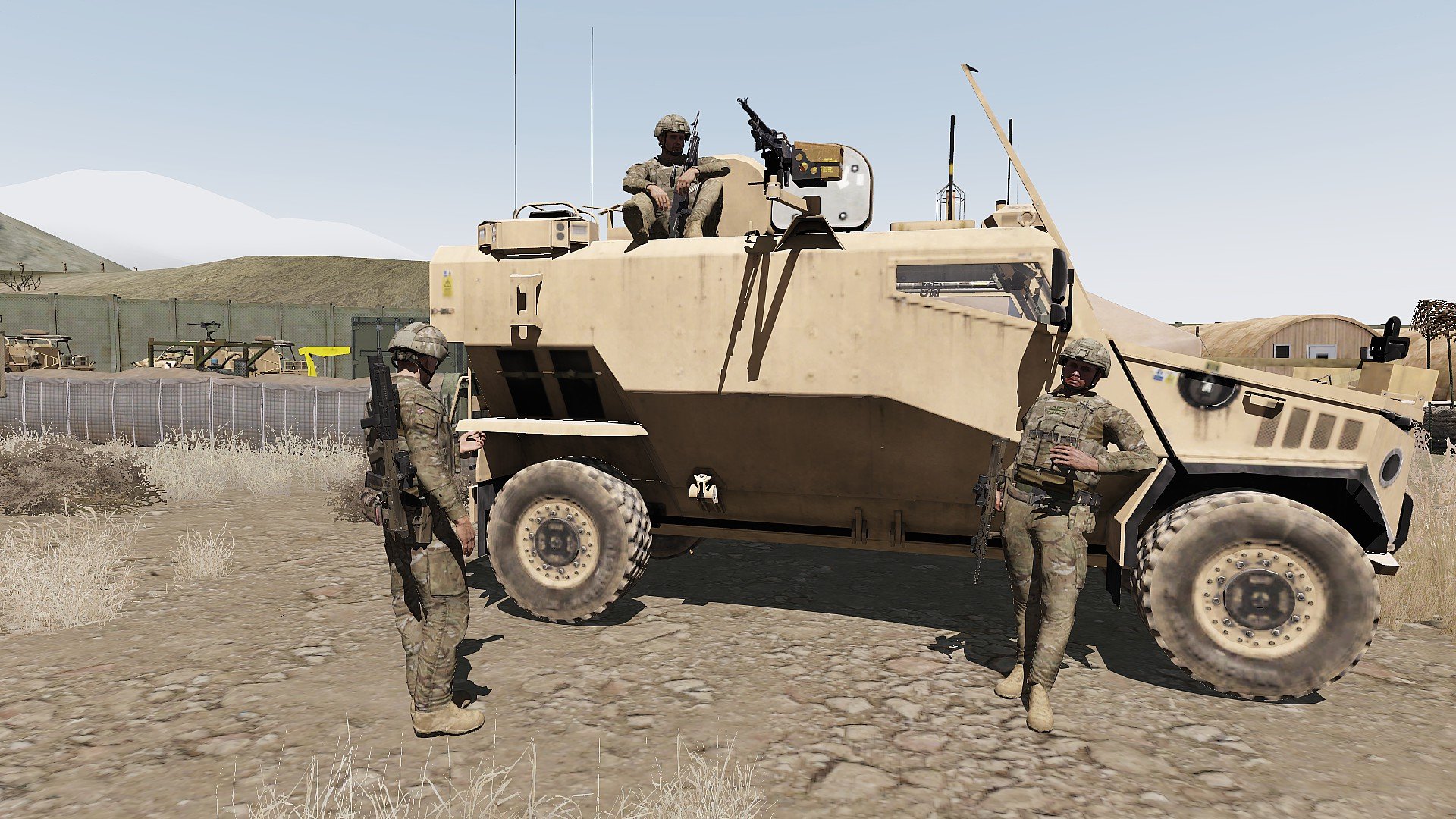
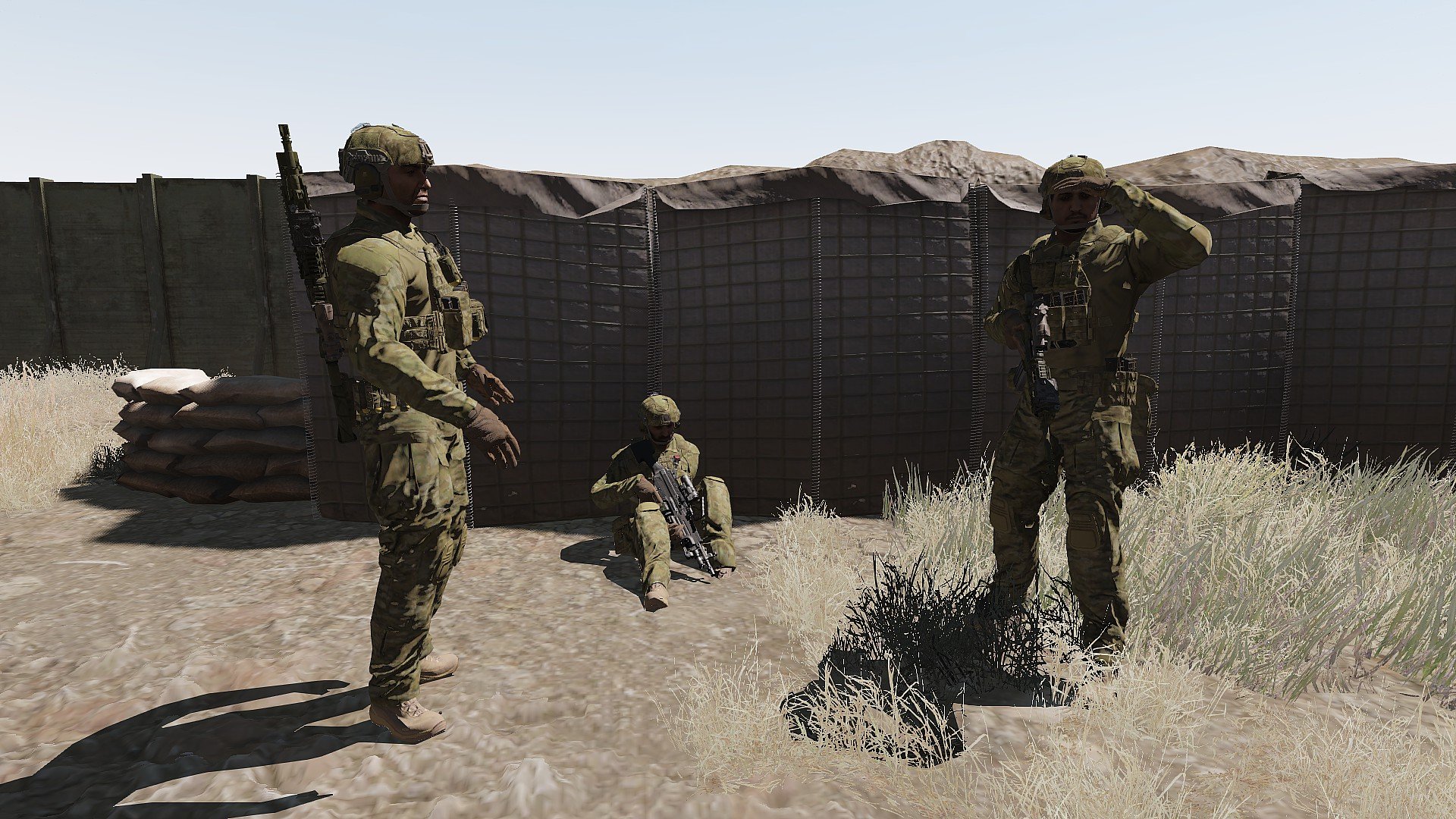
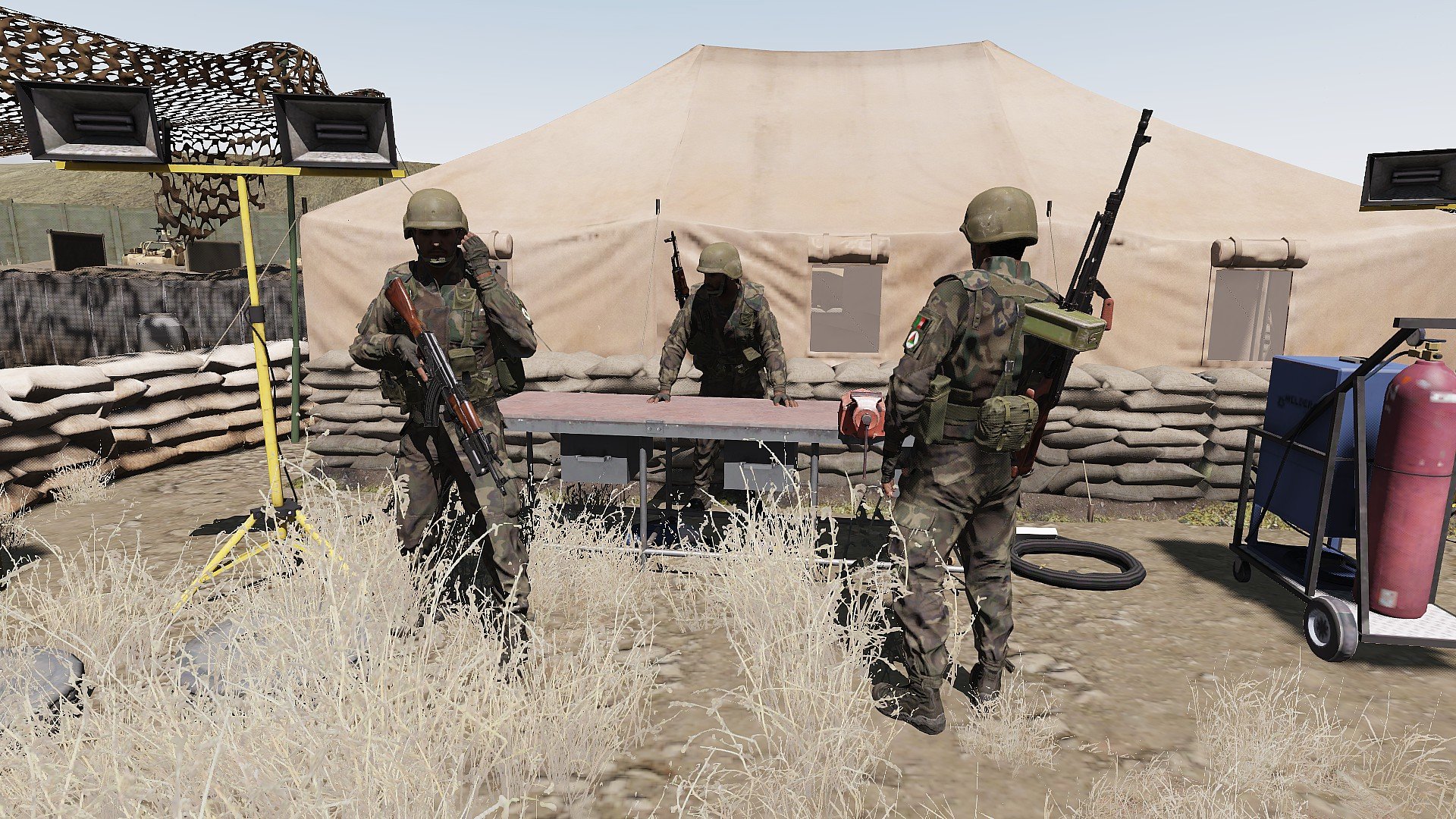
In early 2016, a wave of coordinated attacks against government positions and coalition supply routes made it clear the valley could no longer be ignored. ISAF authorized Operation Achilles, a deliberate effort to claw back control of Lythium by dismantling its leadership and breaking the networks that sustain it. The operation will be carried out by UNITAF, a composite force comprising British infantry, Australian Commando elements, and partnered Afghan National Army units operating under ISAF’s joint command.
Intelligence confirms a dense insurgent footprint. Training camps hidden in the hills. Arms caches buried beneath civilian compounds. Drug labs operating under constant guard. Taliban commanders who move constantly, shielded by loyal fighters and early-warning networks embedded in local villages. The opium trade flowing through Lythium funds insurgent operations far beyond the valley. Every captured leader and every seized cache tightens the pressure.
Operation Achilles will be fought at close range and over time. Constant patrols pushing into contested villages. Night raids aimed at capturing or killing Taliban leadership. Temporary checkpoints and patrol bases established to deny the enemy freedom of movement. British and Australian forces will lead kinetic operations and rapid-response actions, while Afghan National Army units fight alongside them, hold cleared ground, engage local powerbrokers, and begin restoring government authority.
Lythium will not fall in a single battle. It will be taken piece by piece, raid by raid, patrol by patrol, leader by leader. If the valley breaks, the insurgency loses one of its last strongholds in southern Helmand. If it holds, it stands as proof that the Taliban can still drive forces out and claim the ground they leave behind.
Campaing Objectives
- Establish a sustainable military presence in the Lythium Valley to disrupt Taliban operations in the region.
- Undertake intel led targeted operations against confirmed Taliban positions alongside conducting routine patrols to win the trust of the local population.
Bluefor
British Army
Australian Commando's
Independant
Afghan National Army
Opfor
Taliban