Previous campaign
Operation Tulip (2035)
Gulfcoast Islands
Campaign order
Campaign order
Operation Tulip (2035)
The Netherlandfaced a growing threat of counterfeit microchips infiltrating the market, prompting the government to deploy military forces to protect this industry. The Tulip Defense Corps was formed to secure the microchip supply chain using advanced tracking systems and international collaboration. This decisive action underscored the nation commitment to safeguarding its technological integrity
SITUATION:
In the cutting-edge tech hubs of the Netherlands, where innovation drove the nation's progress, a new challenge emerged that threatened the very core of the nation's identity—the Dutch microchip trade.
As these vital components gained popularity worldwide, nefarious forces sought to exploit this lucrative market. In response, the Dutch government, faced with the gravity of the situation, made an unprecedented decision: to employ the might of their military to protect the cherished microchip trade. The Ministry of Defense and the Ministry of Technology joined forces, forming an elite unit known as the Tulip Defense Corps (TDC). Under the command of General Bloemstra, a seasoned military leader with a passion for technology, the TDC embarked on a mission to secure the microchip industry from both domestic and international threats.
One of the primary challenges identified by the TDC was the infiltration of counterfeit microchips into the market. Determined to eradicate this menace, the TDC deployed soldiers to microchip manufacturing regions, establishing checkpoints and conducting rigorous inspections.The military's precision and discipline were now focused not on traditional warfare but on protecting the integrity of microchips. To address the issue at its roots, the TDC collaborated with engineers and tech experts to develop a sophisticated tracking system. Each microchip was assigned a unique identification code, and military technology was employed to monitor the entire microchip supply chain.
This innovative approach not only ensured the authenticity of Dutch microchips but also sent a clear message to those seeking to exploit the market: the Netherlands would defend its technological heritage with the full force of its military. The Dutch military, renowned for its precision and efficiency, extended its reach beyond national borders.
The TDC worked in collaboration with INTERPOL and other international agencies to curb the global trafficking of counterfeit microchips. Joint operations were executed, and microchip task forces were established in key microchip-importing countries, symbolizing the Netherlands' commitment to protecting its cultural and economic legacy.
TASKING:
-
Keep the peace
-
Gather intel to keep the micro chips safe
-
Disrupt cartel actions
OBJECTIVES:
-
Investigate Microchip smuggling
-
Maintain good relations with the public and government forces
-
Deal with any threats to the monopoly of the microchips
BLUFOR
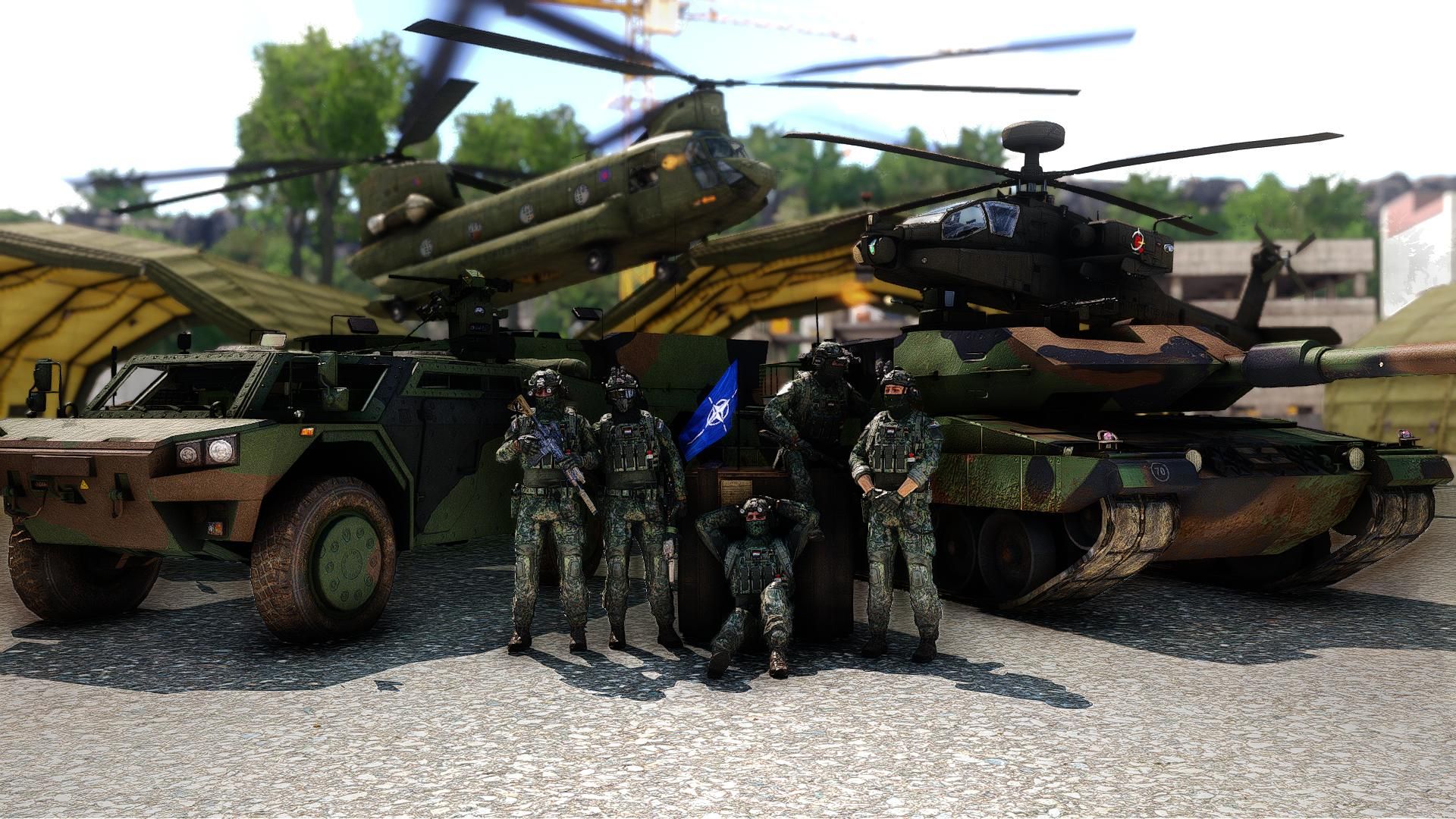
Tulip Defence Force
OPFOR
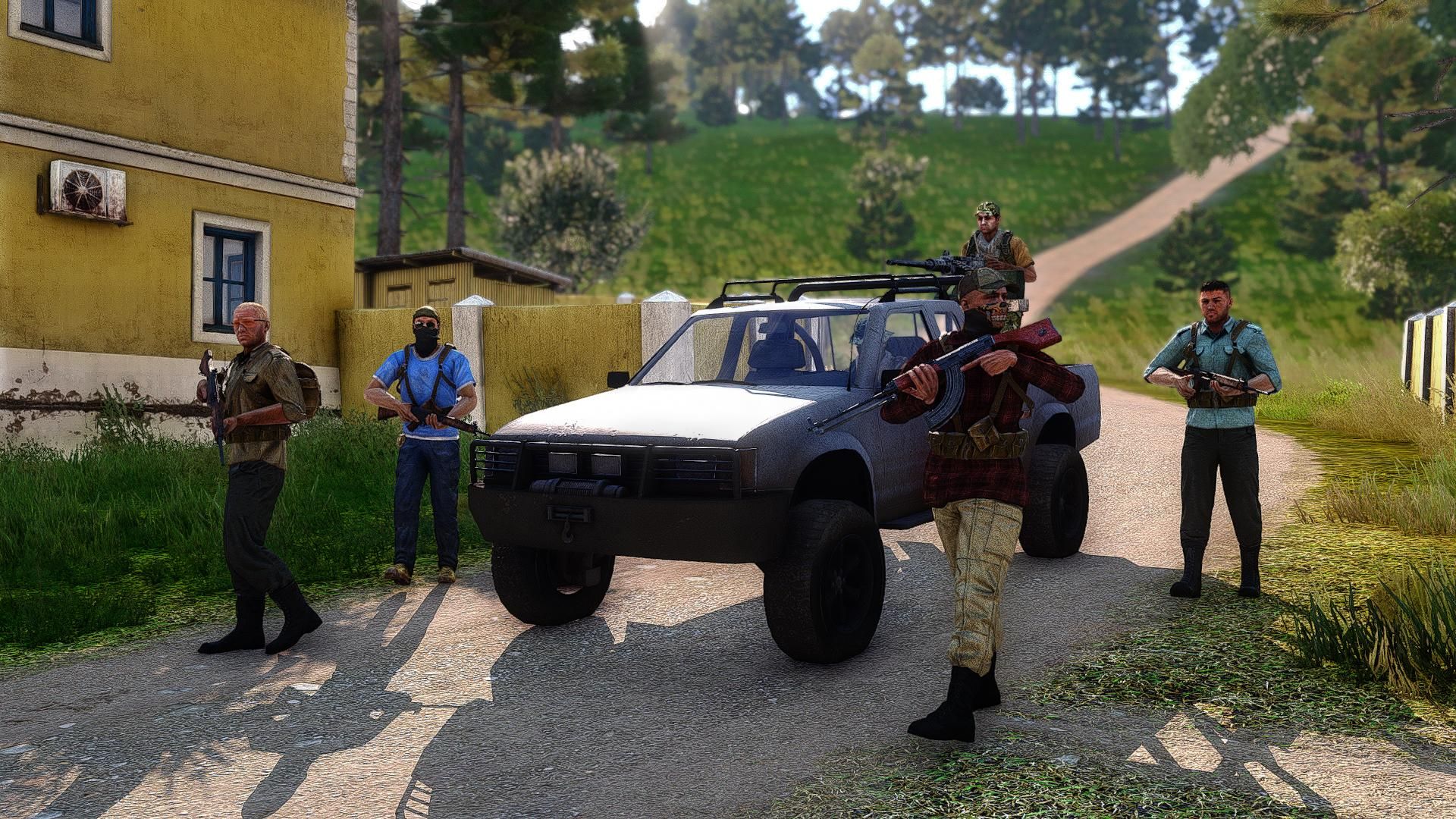
The Cartel