UNITAF Future
UNITAF

Caution

This site is a work in progress

This site is finished to different degrees. Feedback is welcome. Please bear in mind that most of what you see, if not everything, is still a work in progress.

Data from the live site is synced here every hour. Anything you do on this site stays here. It is not copied back to the live site until we switch over.

Discord and permissions are linked. Be careful with admin actions. Some of them also change Discord.

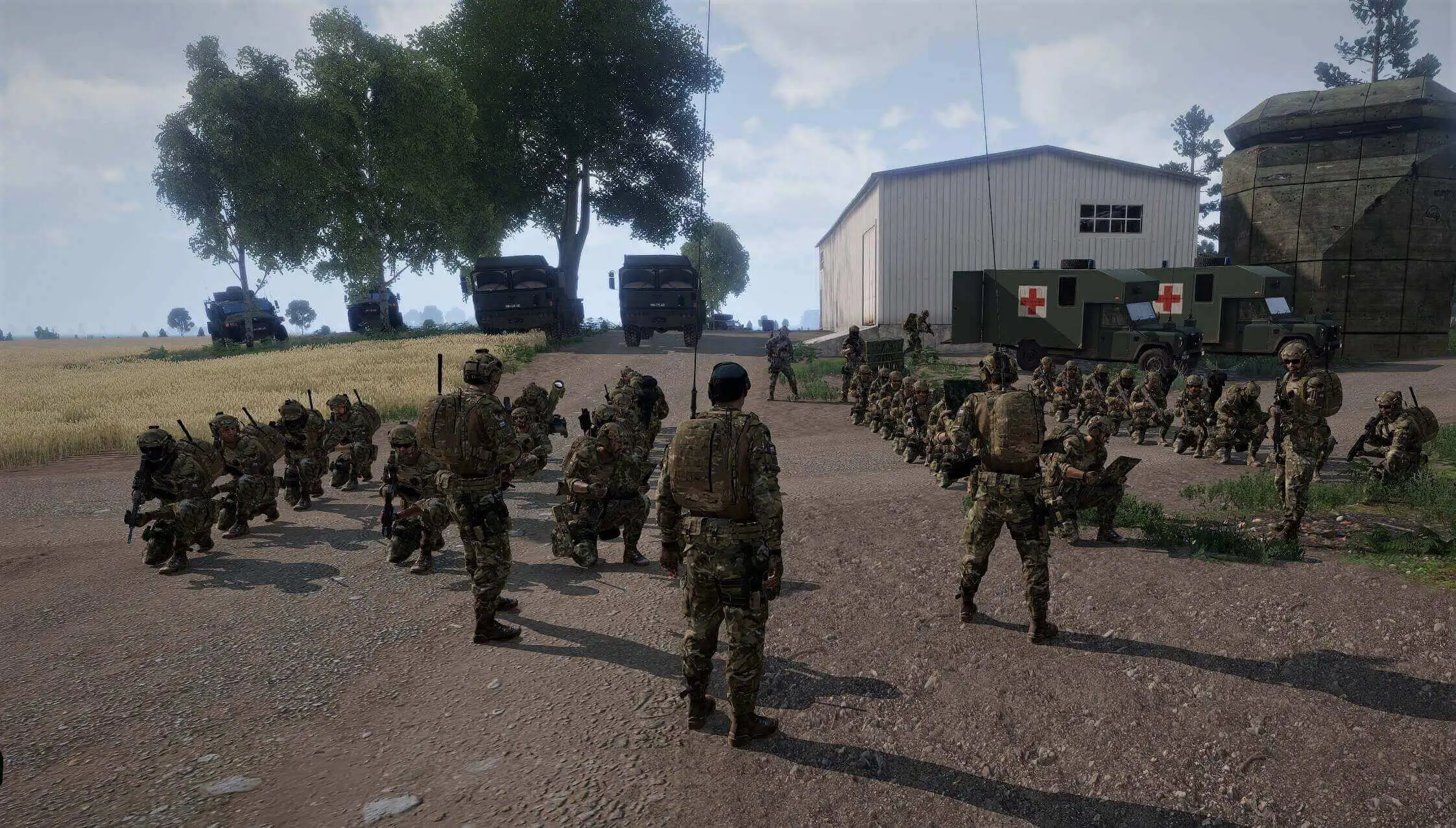
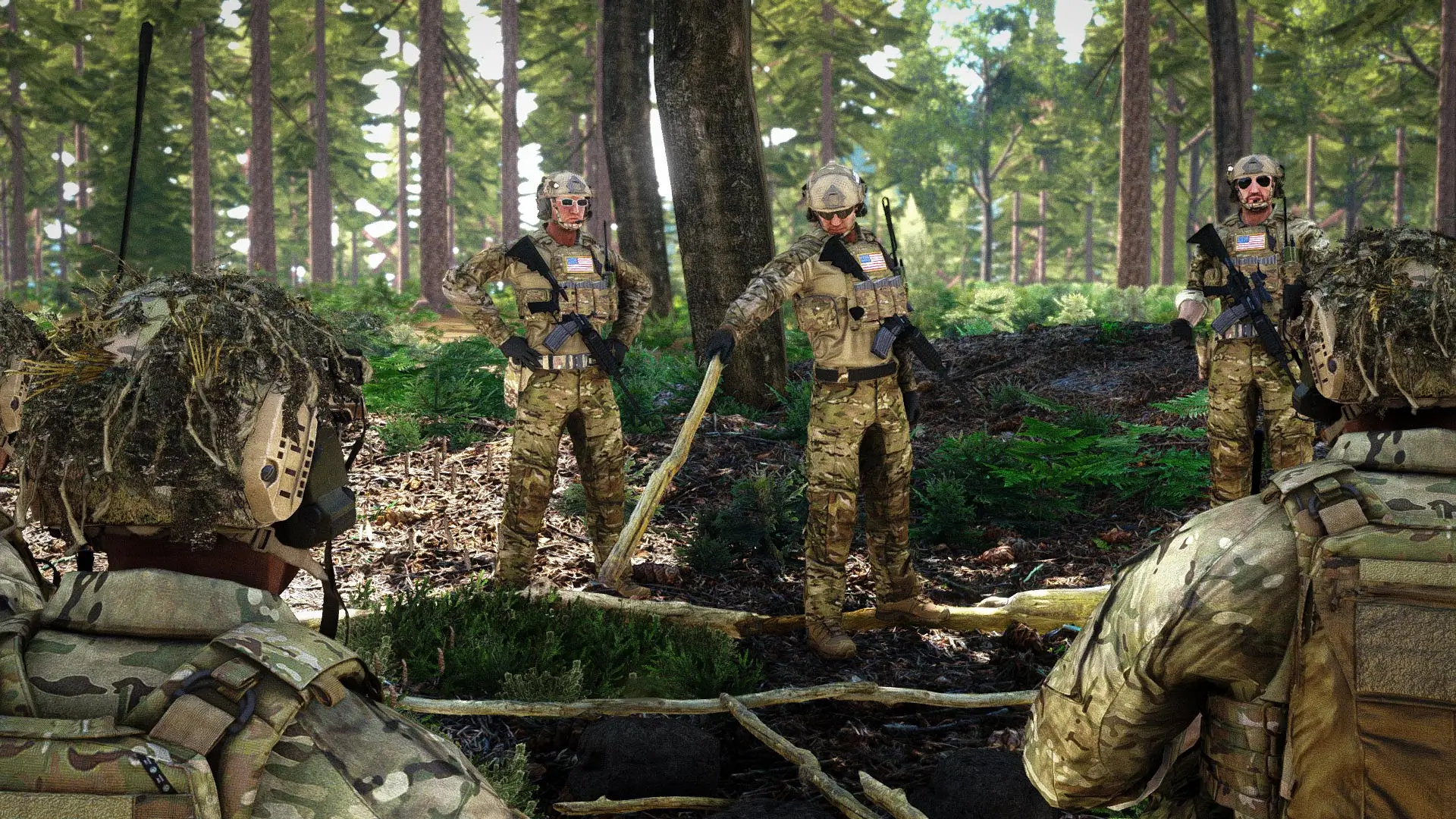
UNITAF members taking orders before an operation
Force Manual

The FM outlines our core skills, policies and guides to ensure every member stands ready for the mission ahead.

FM/G103 · Movement

Bounding overwatch

Passages
4
Reading time
2 mins
Views
106
Owned by
Unit Command
Platforms
Every platform
Role cards
102 cards
Published
23 Sep 2026
On this page

What is bounding overwatch?

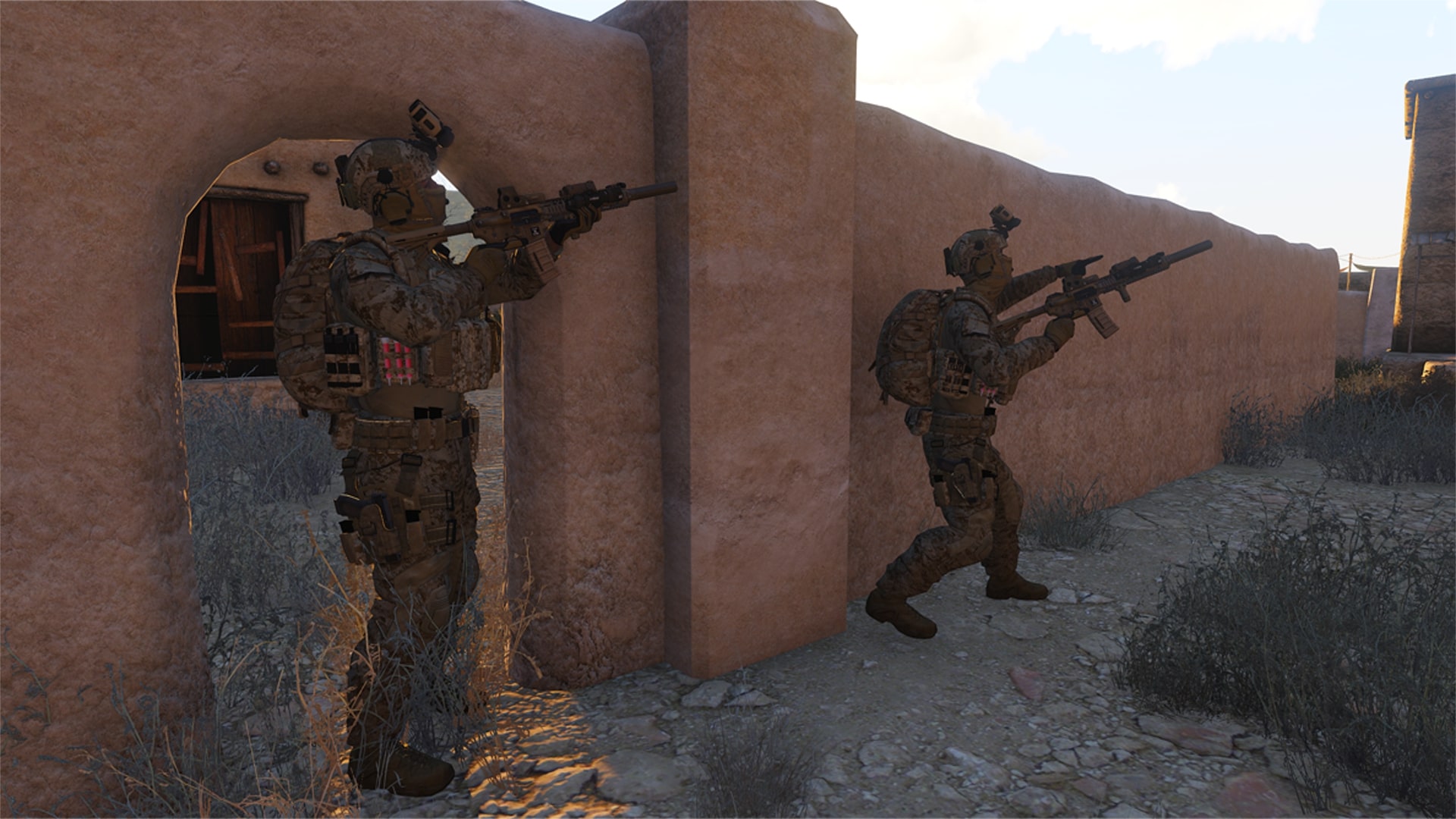
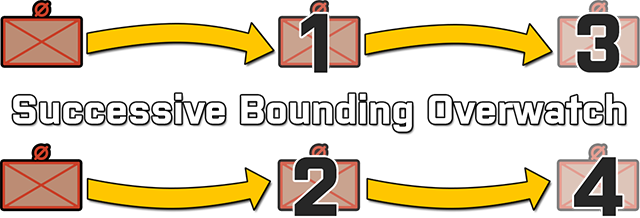
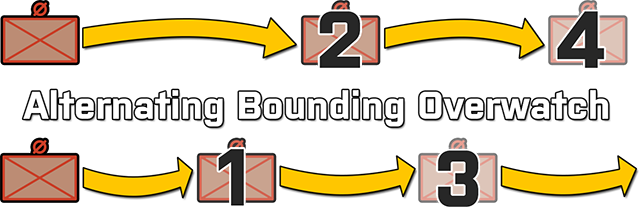
Bounding overwatch is the process of ensuring that one team is moving, whilst another is stationary and providing overwatch. When a bounding maneuver is called there are five parts described:

  1. The type of bounding (successive or alternate)
  2. The maneuver element scale (individual, buddy team, fireteam, squad), 
  3. The direction of movement (bearing or landmark)
  4. (optional) The desired stop point (distance, location or number of bounds)
  5. Which element is moving first

E.g.:

  • A squad leader calling “This is Alpha 1-0. Successive, Fireteam bounding, towards that barn, 1 move" wants one Fireteam to move as a whole element, while the other provides cover, for one bound, then stop to allow the other Fireteam to move. He does not want the Fireteams to then utilise buddy team bounding.
  • A squad leader instructing teams to “Alternating, Buddy Team Bounding, North, 400m” implies that each Fireteam will move North at the same time, with one buddy team moving in each Fireteam at a time.
How far to bound

The size of each bound should be based on the terrain, visibility, proximity of enemy threat, etc. For instance, bounds across relatively open terrain can be long - both in the interest of getting across as quickly as possible and because the range of the overwatch element is higher due to the open terrain. Urban bounds, on the other hand, are typically short due to the increased density of the area and the desire to maintain security and not overextend any one element.

Bound using successive bounding

Bound using the follow method:

  1. The lead element calls for bounding and designates which element will move first
    1. e.g. “This is actual. Successive Fireteam bounding North. 1 move first.”
  2. The first element acknowledges and shouts "Moving"
  3. The first element moves to a position and holds shouting “Set”
  4. The second element shouts “Moving” and moves to the same position as the first, confirming “Set”
  5. The first element now moves, again shouting “Moving”, to the next position and holds, shouting “Set” again
  6. The second element again calls and moves up to the same position as the first

This process is repeated until the unit reaches the desired end position.

Compared with Bound using alternating bounding FM/BS-504 this process provides a higher level of security, but is slower.

Bound using alternating bounding

Bound using the follow method:

  1. The lead element calls for bounding and designates which element will move first
    1. e.g. “This is actual. Alternating Fireteam bounding North. 1 move first.”
  2. The first element acknowledges and shouts "Moving"
  3. The first element moves to a position and holds shouting “Set”
  4. The second element shouts “Moving” and moves to a new position past the first element, confirming “Set”
  5. The first element now moves, again shouting “Moving”, again passing the other element, to a futher position and holds, shouting “Set” again
  6. The second element again calls and moves past the first element.

This process is repeated until the unit reaches the desired end position.

Compared with Bound using successive bounding FM/BS-503 this process is faster, but provides a lower level of security

On role cards

On 102 role cards in 15 combat areas.

Named on

The other 98 roles read it through these cards.

By combat area

Next in Movement

FM/G120 Peel Manoeuvre