UNITAF Future
UNITAF

Caution

This site is a work in progress

This site is finished to different degrees. Feedback is welcome. Please bear in mind that most of what you see, if not everything, is still a work in progress.

Data from the live site is synced here every hour. Anything you do on this site stays here. It is not copied back to the live site until we switch over.

Discord and permissions are linked. Be careful with admin actions. Some of them also change Discord.

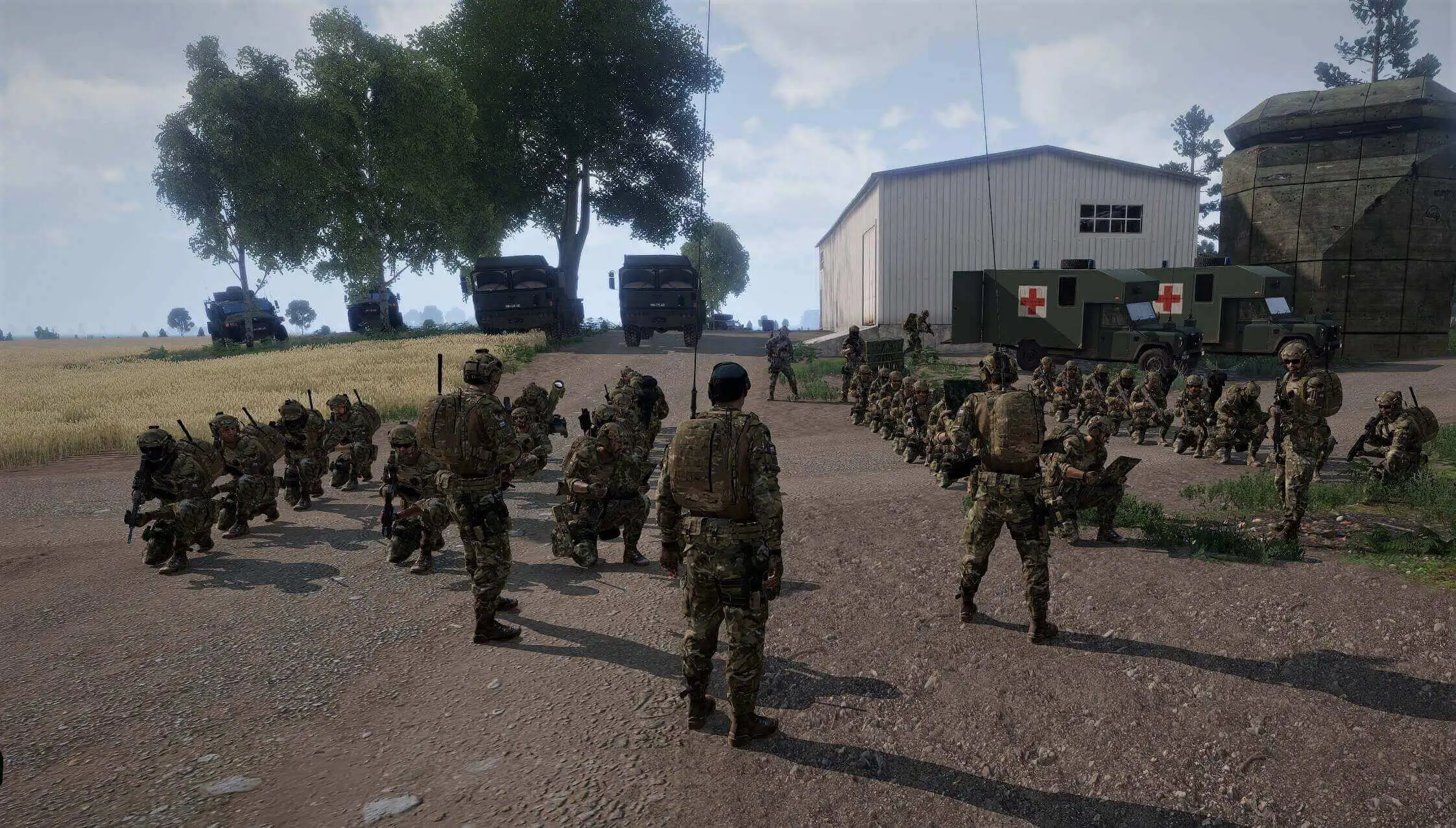
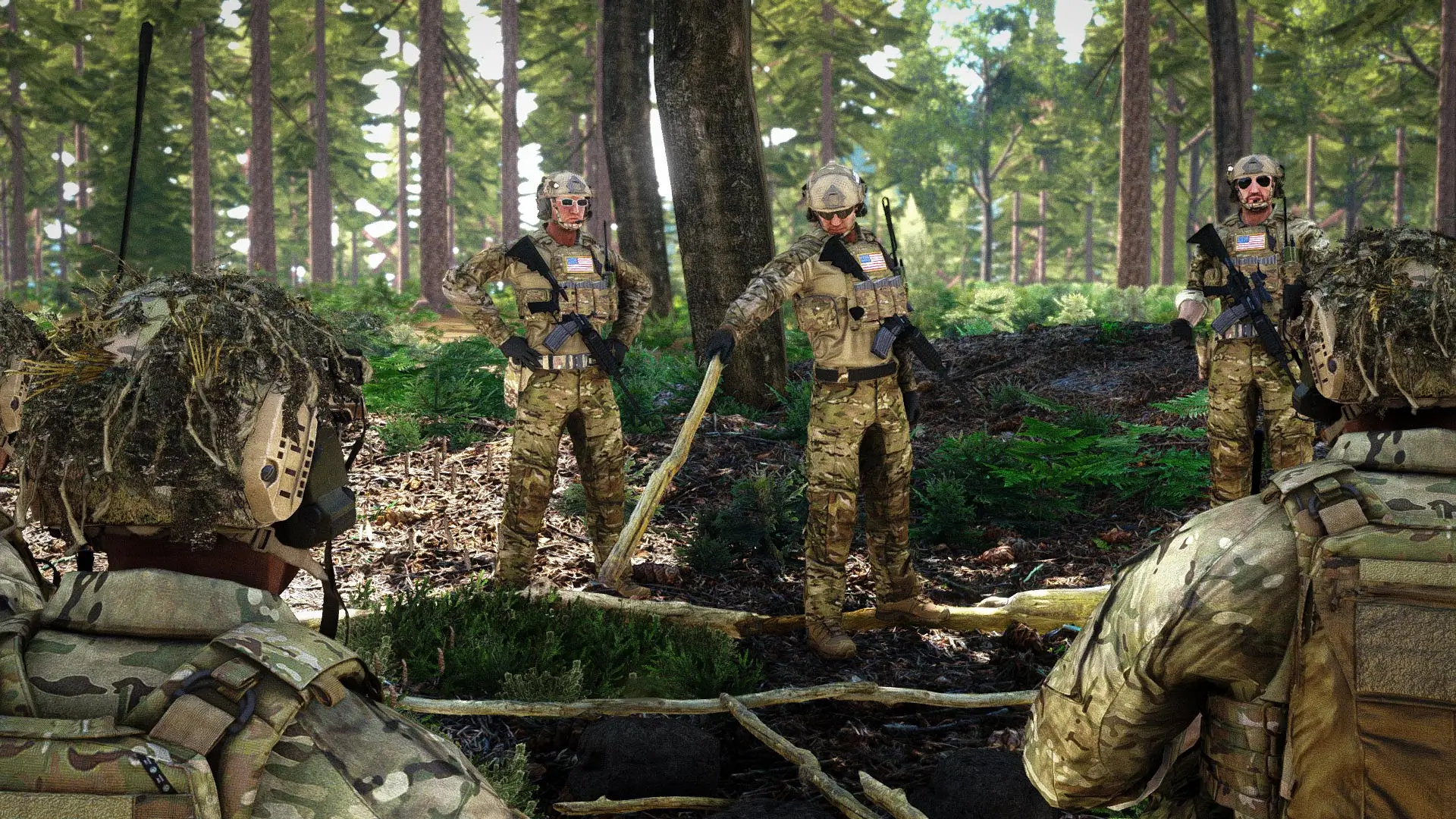
UNITAF members taking orders before an operation
Force Manual

The FM outlines our core skills, policies and guides to ensure every member stands ready for the mission ahead.

FM/G104 · Air tactics

Parachuting

Passages
6
Reading time
2 mins
Views
78
Owned by
Unit Command
Platforms
Every platform
Role cards
102 cards
Published
23 Sep 2026
On this page

Types of parachute

When it comes to parachuting into combat zones, there are two basic styles of parachutes used. The first is a round, static-line chute. This allows for minimal control during descent, and the deployment of the chute automatically occurs as you leave the aircraft. The second style, typically used by smaller, more highly-trained units is a ram-air maneuverable parachute that is manually deployed by you after leaving the aircraft.

Perform a HALO drop – High Altitude, Low Opening

In HALO, the chute is deployed at low altitude to minimize the time spent under canopy. 

  • Steer towards the target during freefall, as minimal moaneuvering will be possible with the parachute
  • Open the parachute around 200m AGL (above ground level)

Perform a HAHO drop - High Altitude, High Opening

In HAHO, the chute is deployed at a much higher altitude in order to cover a large distance towards the LZ.The ram-air parachutes allow for substantial ground to be covered during flight, to the point that the plane initiating the drop can be 50+ kilometers from the drop zone when the paratroopers exit the aircraft. 

  • Open the parachute on exiting the aircraft
  • Join formation with the person designated as guiding element, and descent in formation

Parachute descending with a deployed chute

Both styles of insertion give you some degree of control over your descent. With static line “round chutes” having significantly less. Parafoils give you much greater maneuverability during the descent. While in flight, you’ll be able to turn, accelerate, decelerate, and flare the chute.

This high level of control allows you great flexibility to choose a landing site that works best for you and your team as long as you’re high enough in the air, almost anything you can see can be reached by gliding to it. The Arma 3 parafoil can reach a forward speed of over 50kph, though this brings with it a more rapid descent rate. For maximum glide range, try to stay closer to 15 to 20kph; while you’ll be in the air longer, your total ground distance covered will significantly increase. As you descend, you’ll find that wind will disrupt your flight and push you off course.

This wind drift must be accounted for and monitored, particularly in low-visibility situations such as night drops. Ensure your team is navigating and adjusting the flight path during the descent, else you’re likely to end up a significant distance from where you’d intended.


Flare on landing

Landing a parachute at high speed can injure or kill you. To prevent this:

  • Reduce forward speed to nearly zero just before landing
  • Flare backwards just before touching the ground

Lead a parachute jump as jumpmaster

When leading a parachute jump as jump master:

  1. Ensure that parachutes (and altimeters if era-appropriate) are available for every paratrooper to collect
  2. Ensure that every paratrooper has backpack on chest and parachute on back before entering the vehicle
  3. Ensure that every paratrooper has a unique number from 1 to X designating the order they will leave the plane on command
  4. Confirm the LZ to the paratroopers and the recommended altitude to open the parachute (ASL and AGL) for the LZ
  5. Explain the process of jumping while on route, to ensure first time jumpers know the process as well
  6. Switch the light to red in the vehicle, and ensure the paratroopers are quiet and ready to jump
  7. Switch the light to green and call each number in order, instructing paratroopers to jump when they hear their number

On role cards

On 102 role cards in 15 combat areas.

Named on

The other 98 roles read it through these cards.

By combat area