UNITAF Future
UNITAF

Caution

This site is a work in progress

This site is finished to different degrees. Feedback is welcome. Please bear in mind that most of what you see, if not everything, is still a work in progress.

Data from the live site is synced here every hour. Anything you do on this site stays here. It is not copied back to the live site until we switch over.

Discord and permissions are linked. Be careful with admin actions. Some of them also change Discord.

UNITAF members taking orders before an operation
Force Manual

The FM outlines our core skills, policies and guides to ensure every member stands ready for the mission ahead.

FM/G14 · Man-portable launcher systems

Disposable launchers

Passages
8
Reading time
2 mins
Views
72
Owned by
Unit Command
Platforms
Every platform
Role cards
8 cards
Published
23 Sep 2026
On this page

What is a light anti-tank rifleman (LAT)?

Fireteams will typically carry light anti-tank weaponry if enemy armor is expected to be present in an area. Generally, this will result in the team's rifleman being given a single-shot light anti-tank weapon like the AT-4 or M136. The anti-tank rifleman will carry out their normal rifleman duties, and in the event that enemy armor is encountered, they will immediately transition into anti-tank mode and attempt to take it out based upon their team and squad leader's directives.

As their name implies, light anti-tank launchers are an effective weapon for usage against light armor such as armored personnel carriers, while heavier armor such as that found on main battle tanks will require multiple impacts from LAT weaponry to defeat.
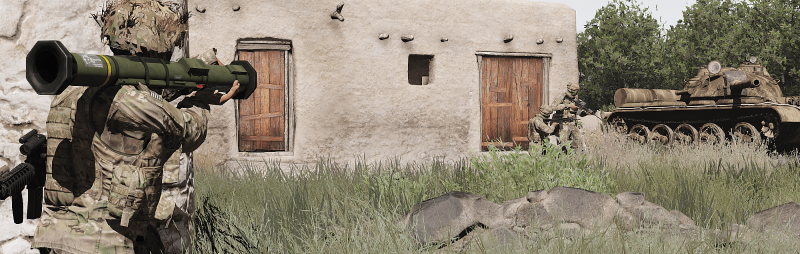
What classifies as a disposable launcher?

A disposable launcher is a man-portable launcher that meets the following criteria:

  • Is not guided
  • Is not re-loadable (i.e. is single-use/disposable)
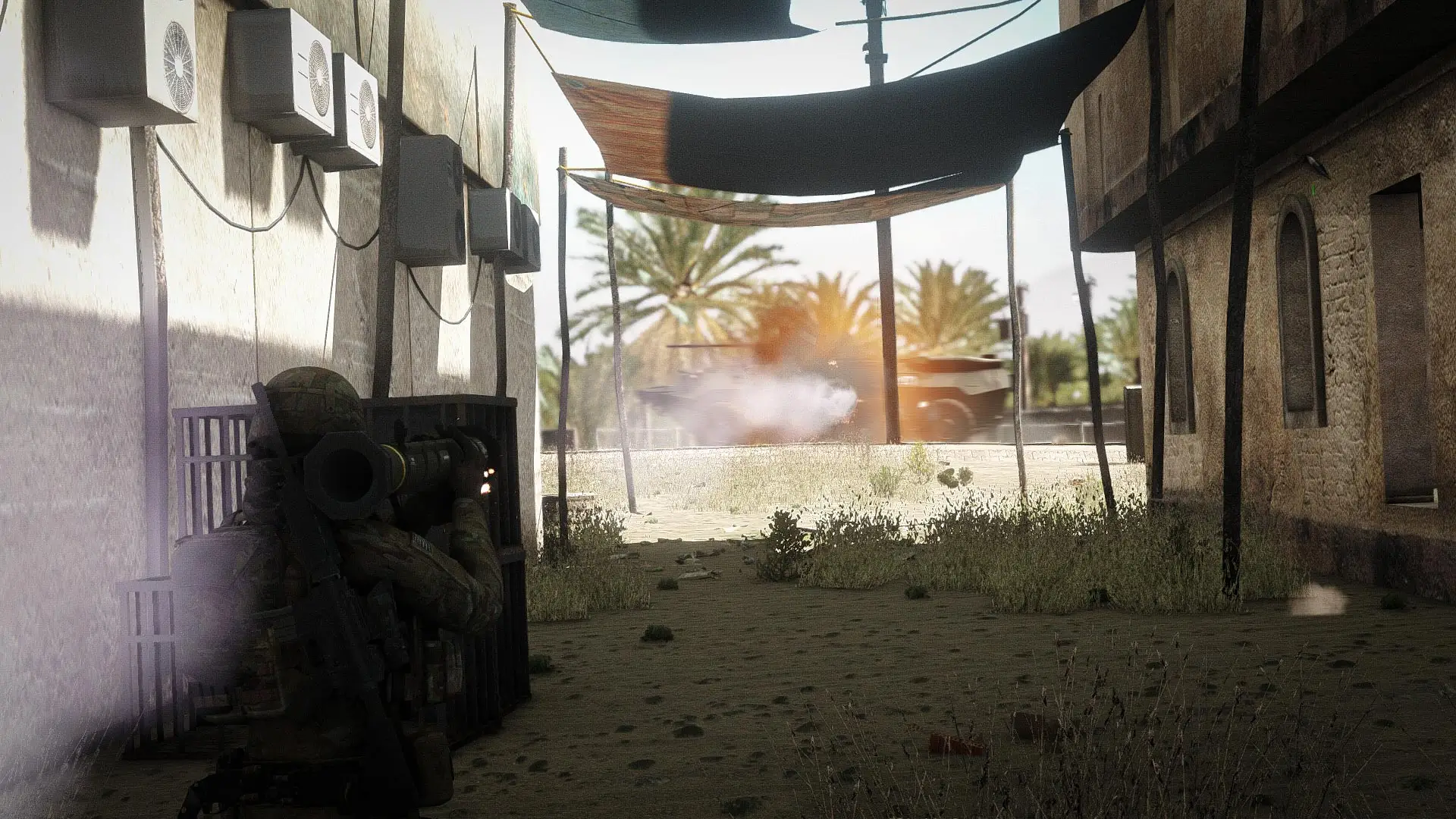
LAT Rifleman prepares to fire the M136 Light anti-tank launcher

Unguided launcher ranges

The following table contains the effect range of various launchers against the different types of targets, and the maximum range after which the warhead will self-destruct.

 Static point targetMoving point targetArea targetMaximum
AT-4 (M136)300m150m500m2100m
NLAW800m800m1000m1000m
MAAWS500m400m800mDoes not self-destruct
SMAW250m (HEDP) / 500m (HEAA)250m500m1800m
M72 LAW200m100m400mUnknown
PzF 3400m300m500mUnknown

Hit static targets within the effective range of the unguided man-portable weapon system

Hit non-moving (static) targets:

  • Within the effective range of the weapon
  • While using a unguided weapon system

Hit moving vehicle targets within the effective range of the unguided man-portable weapon system

Hit moving (non static) targets:

  • Within the effective range of the weapon
  • While using an unguided weapon system

Aim at the correct part of a vehicle with an unguided launcher

When shooting an unguided rocket, use the following criteria to determine the part of a vehicle to aim for:

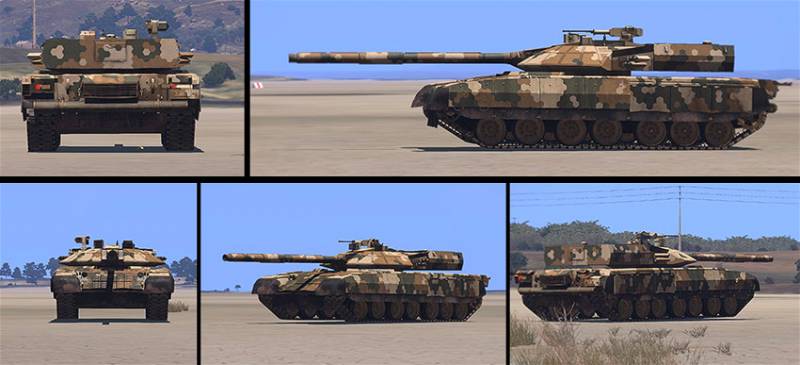
  • Will the rocket penetrate? Generally the front of the vehicle will be the strongest part, while the rear will be the weakest. Impact angle should be as close to 90° as possible.  
  • Will the rocket cause damage? The rocket needs to hit a certain part of a vehicle to do damage to it. The best components to hit are the turret and the engine, with worst being the passenger compartment. Keep in mind different types of ammunition will affect the type and amount of damage a vehicle takes from a hit.
From top left to bottom right: Rear, Flank, Frontal, Frontal Oblique, Rear Oblique

Prioritize targets for man-portable weapon system

Prioritize vehicle targets based on the following factors:

  • Urgency of the threat: immediate threats should be engaged first, with vehicles posing no threat either engaged last or not engaged at all.
  • Success chance: every engagement should have the highest possible likelihood to succeed. In any case, refrain from shooting when:
    • the target is out of range
    • the target is moving too fast
    • the target cannot be effectively damaged
  • Future considerations: do not engage vehicles when doing so might have negative effect later. e.g. shooting an AT-4 at a technical, when expecting BMPs.

Engage structures with a launcher

Engage a structure using a launcher, after obtaining permission from the element leader, by:

  • hitting inside the structure with an HE warhead
  • hitting the outside of the structure with a warhead that has a penetrating effect (e.g. HESH)

On role cards

Next in Man-portable launcher systems

FM/G21 Reloadable unguided launchers