


UNITAF Future
UNITAF

Caution

This site is a work in progress

This site is finished to different degrees. Feedback is welcome. Please bear in mind that most of what you see, if not everything, is still a work in progress.

Data from the live site is synced here every hour. Anything you do on this site stays here. It is not copied back to the live site until we switch over.

Discord and permissions are linked. Be careful with admin actions. Some of them also change Discord.

UNITAF members taking orders before an operation
Force Manual

The FM outlines our core skills, policies and guides to ensure every member stands ready for the mission ahead.

FM/G208 · Rotary-wing aircraft

Controlling a damaged aircraft

Passages
5
Reading time
1 min
Views
78
Owned by
Unit Command
Platforms
Every platform
Role cards
3 cards
Published
23 Sep 2026
On this page

Tail rotor failure: effects and response

The tail rotor counters main rotor torque. If destroyed, the aircraft will spin uncontrollably, especially at low speed or high collective. At speed, tail rotor loss may go unnoticed until slowing. Use the HUD to check for damage if available, or ask nearby aircraft for a visual inspection.
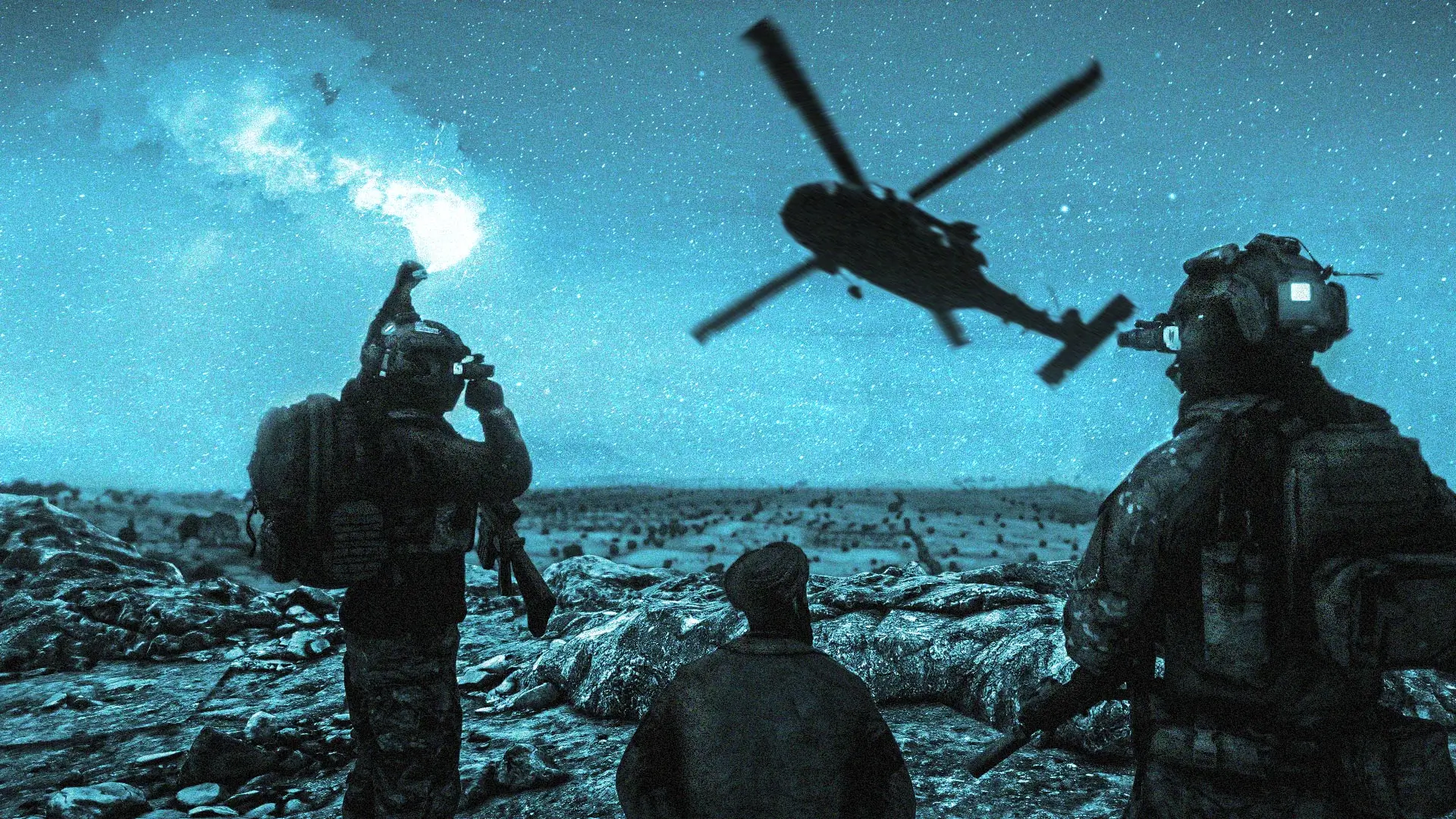
Emergency landing with tail rotor failure

If spinning starts, immediately reduce collective to lower torque and slow the spin. Look for a landing site. Analog rudder can help counter spin. Touch down with full down-collective to minimize rotation. The higher the collective, the worse the spin.

Weathervane recovery technique

If your tail rotor is damaged at low speeds, increase forward airspeed to stabilize the aircraft via the weathervane effect. increase altitude to 150m, lower collective fully to reduce spin, then pitch forward to gain speed. Controlled flight is possible once spinning stops. Landing will still require caution, as spin returns on slowdown.

Engine failure immediate action

When the engine fails, an alarm sounds and rotors begin to spin down. Instantly hold "Thrust Down" to preserve rotor RPM and descend. Keep the nose level and identify a safe landing site.

Executing autorotation landing

Maintain controlled descent with rotor RPM by keeping thrust down. As you near 30–50m AGL, level the aircraft and apply "Thrust Up" to use remaining rotor energy to cushion the landing. Poor timing leads to a crash; correct timing can save the aircraft and crew.

On role cards

On 3 role cards in 1 combat area.

By combat area