UNITAF Future
UNITAF

Caution

This site is a work in progress

This site is finished to different degrees. Feedback is welcome. Please bear in mind that most of what you see, if not everything, is still a work in progress.

Data from the live site is synced here every hour. Anything you do on this site stays here. It is not copied back to the live site until we switch over.

Discord and permissions are linked. Be careful with admin actions. Some of them also change Discord.

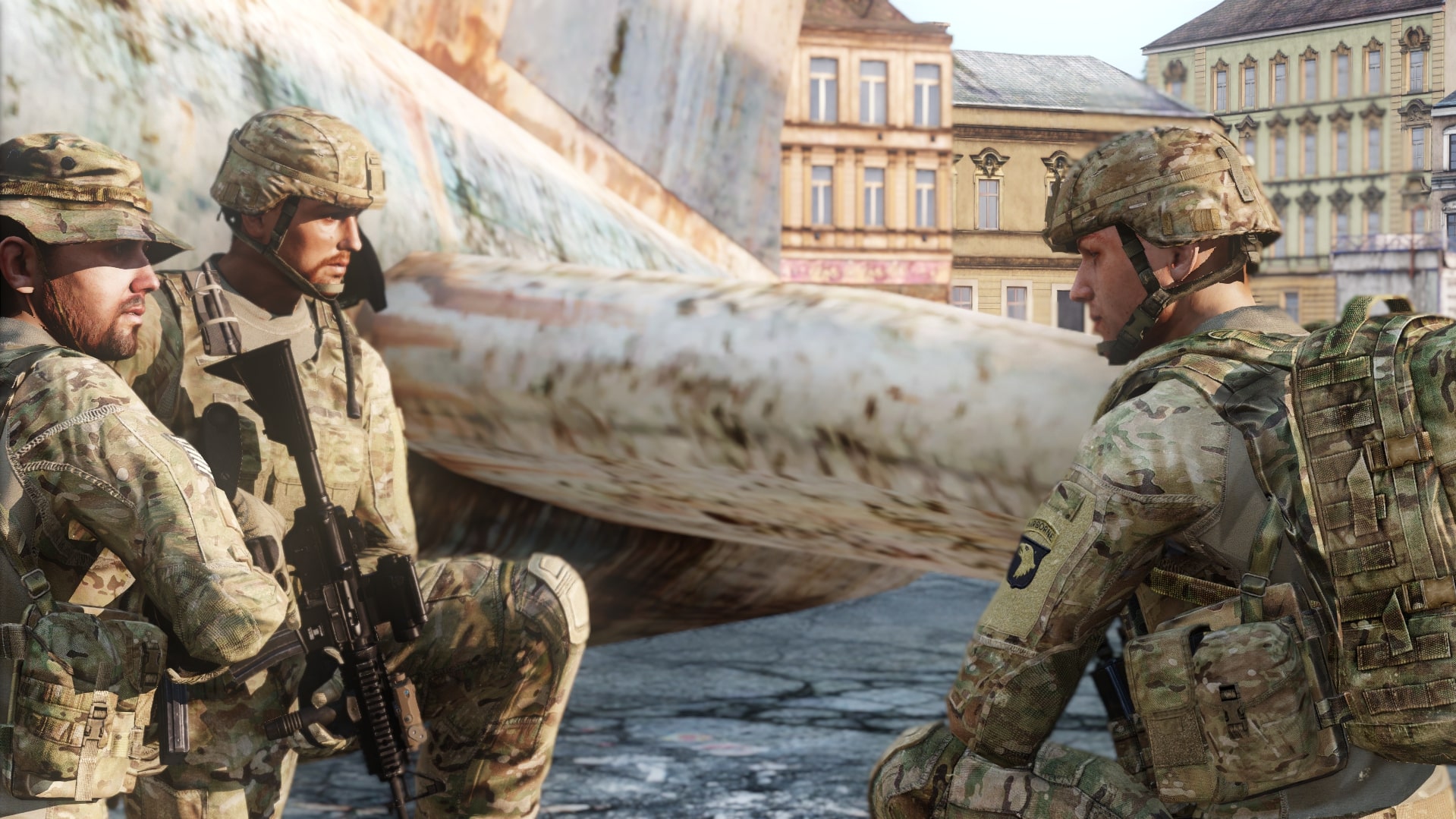
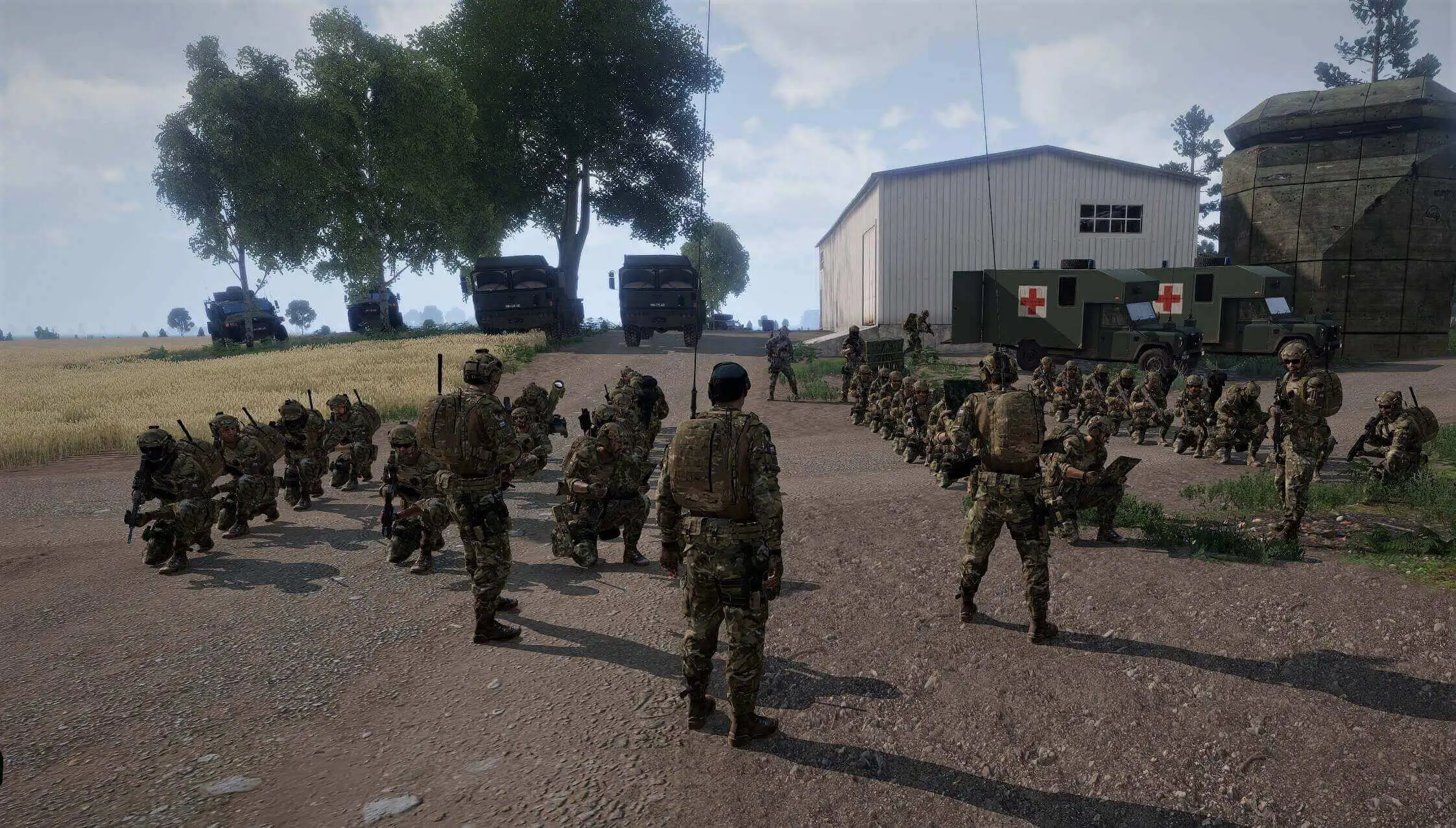
UNITAF members taking orders before an operation
Force Manual

The FM outlines our core skills, policies and guides to ensure every member stands ready for the mission ahead.

FM/G228 · Leadership of combat elements

Counter sniper tactics

Passages
3
Reading time
1 min
Views
69
Owned by
Unit Command
Platforms
Every platform
Role cards
14 cards
Published
23 Sep 2026
On this page

General reaction to sniper fire

Snipers pose a long-range precision threat. Quick movement, cover usage, and coordinated suppression are key to survival.

Actions

  • Identify direction of fire and seek hard cover.
  • If sniper fire is suspected, call out "Sniper!" to alert others.
  • If exposed, move unpredictably and avoid direct paths.
  • Relay sniper’s position to friendly elements; use map marking if possible.
Team response to snipers

Snipers are best countered by coordinated team action rather than individual efforts. Flanking and suppression are critical.

Best Practices

  • Suppress suspected sniper positions if feasible.
  • Flank as a team to neutralize threat.
  • Avoid peeking from the same spot repeatedly.
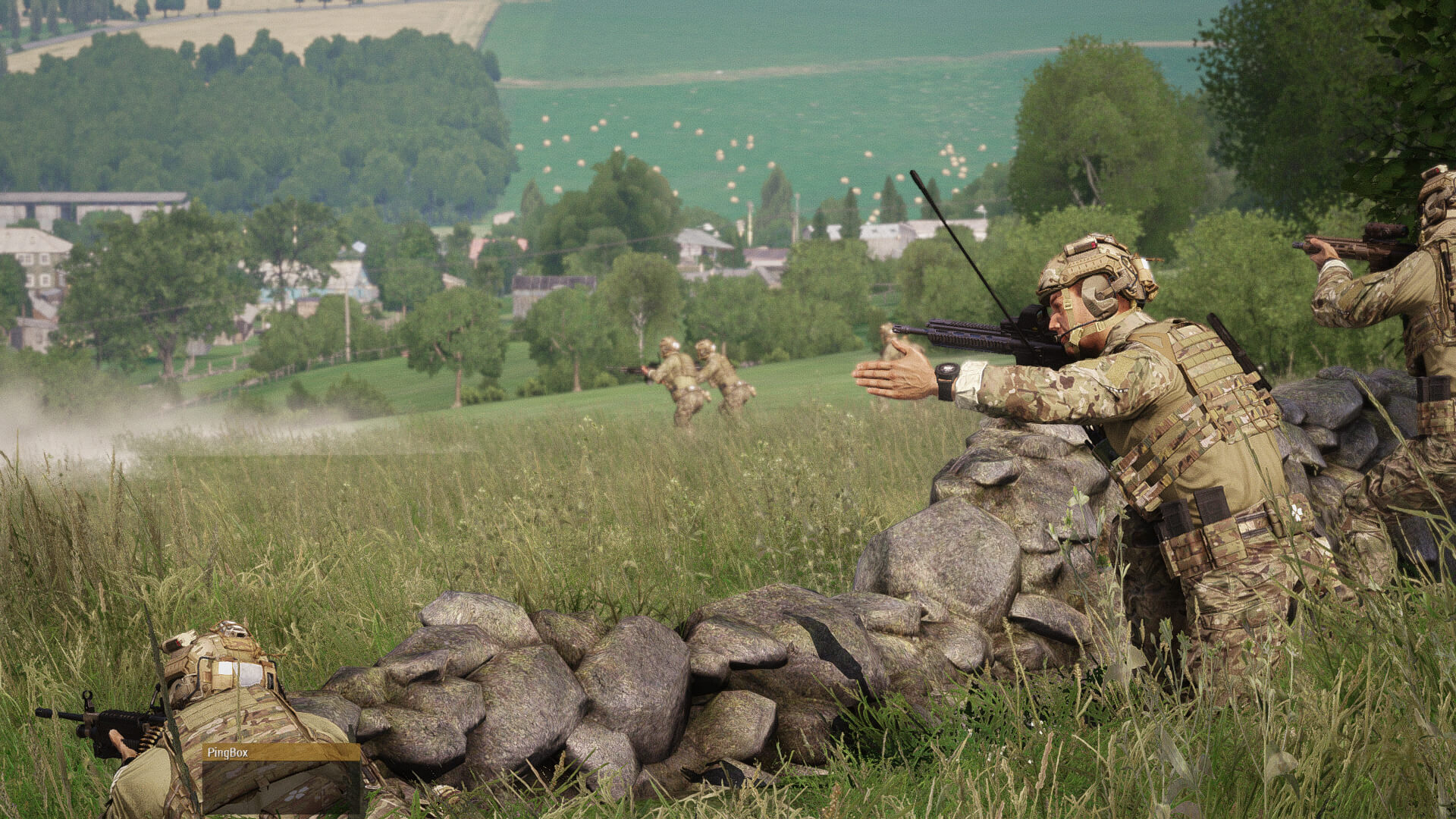
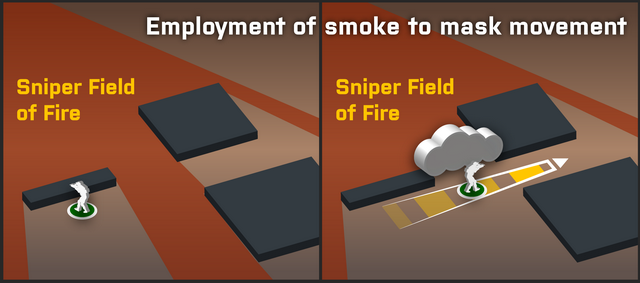
  • Use smoke to conceal intended movement route, not current position.
Visual representation of how to utilise smoke in a counter sniper situation

Locating a sniper using crack/bang method

The crack/bang method uses sound delay between bullet crack and muzzle blast to estimate sniper range and direction.

Technique

  • Listen for the supersonic "crack" of the round, followed by the "bang" of the rifle.
  • Long delay = distant shooter; short delay = closer shooter.
  • Use the muzzle blast direction to orient toward the shooter.

On role cards

Next in Leadership of combat elements

FM/G229 Air threat response