UNITAF Future
UNITAF

Caution

This site is a work in progress

This site is finished to different degrees. Feedback is welcome. Please bear in mind that most of what you see, if not everything, is still a work in progress.

Data from the live site is synced here every hour. Anything you do on this site stays here. It is not copied back to the live site until we switch over.

Discord and permissions are linked. Be careful with admin actions. Some of them also change Discord.

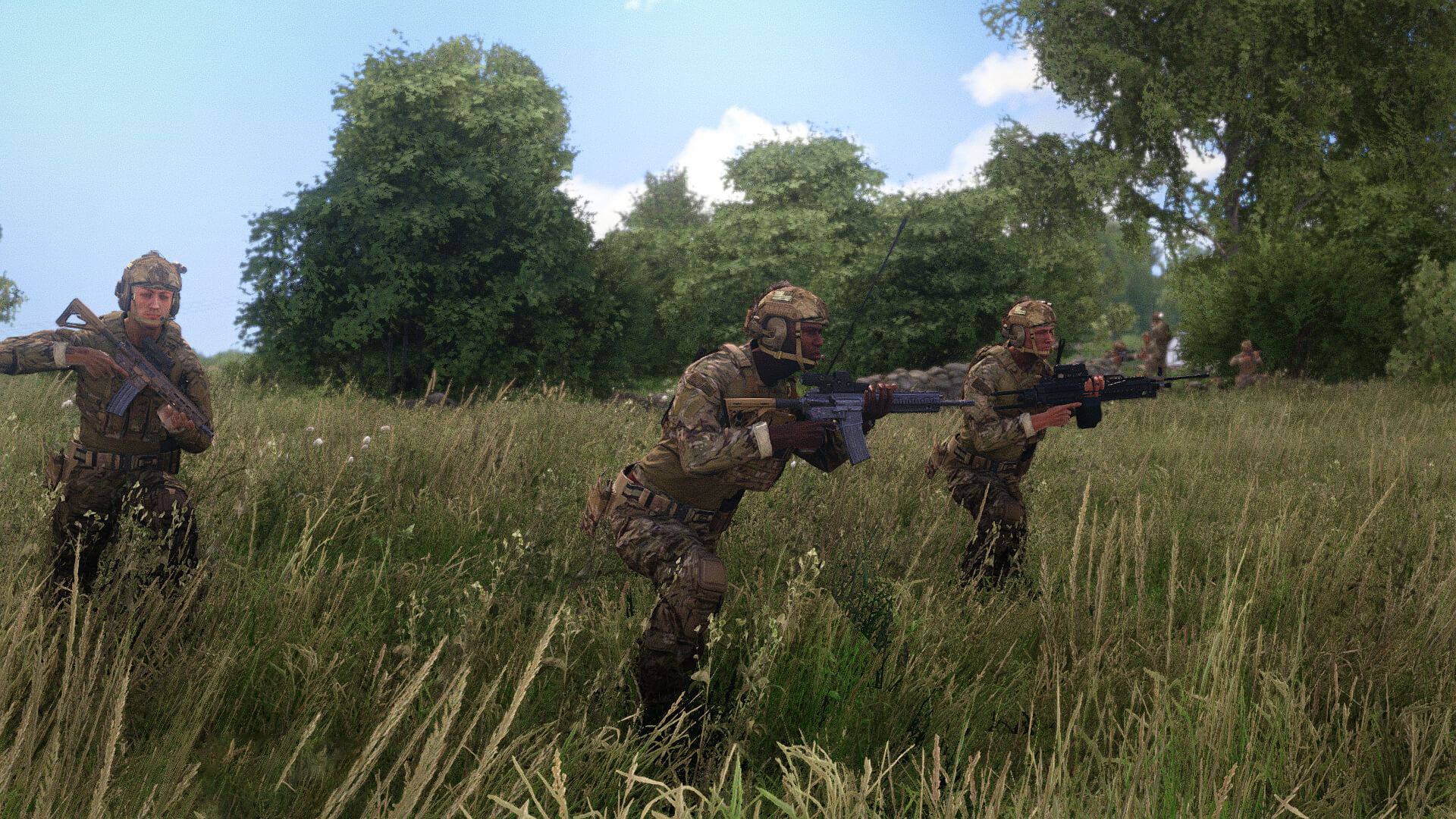
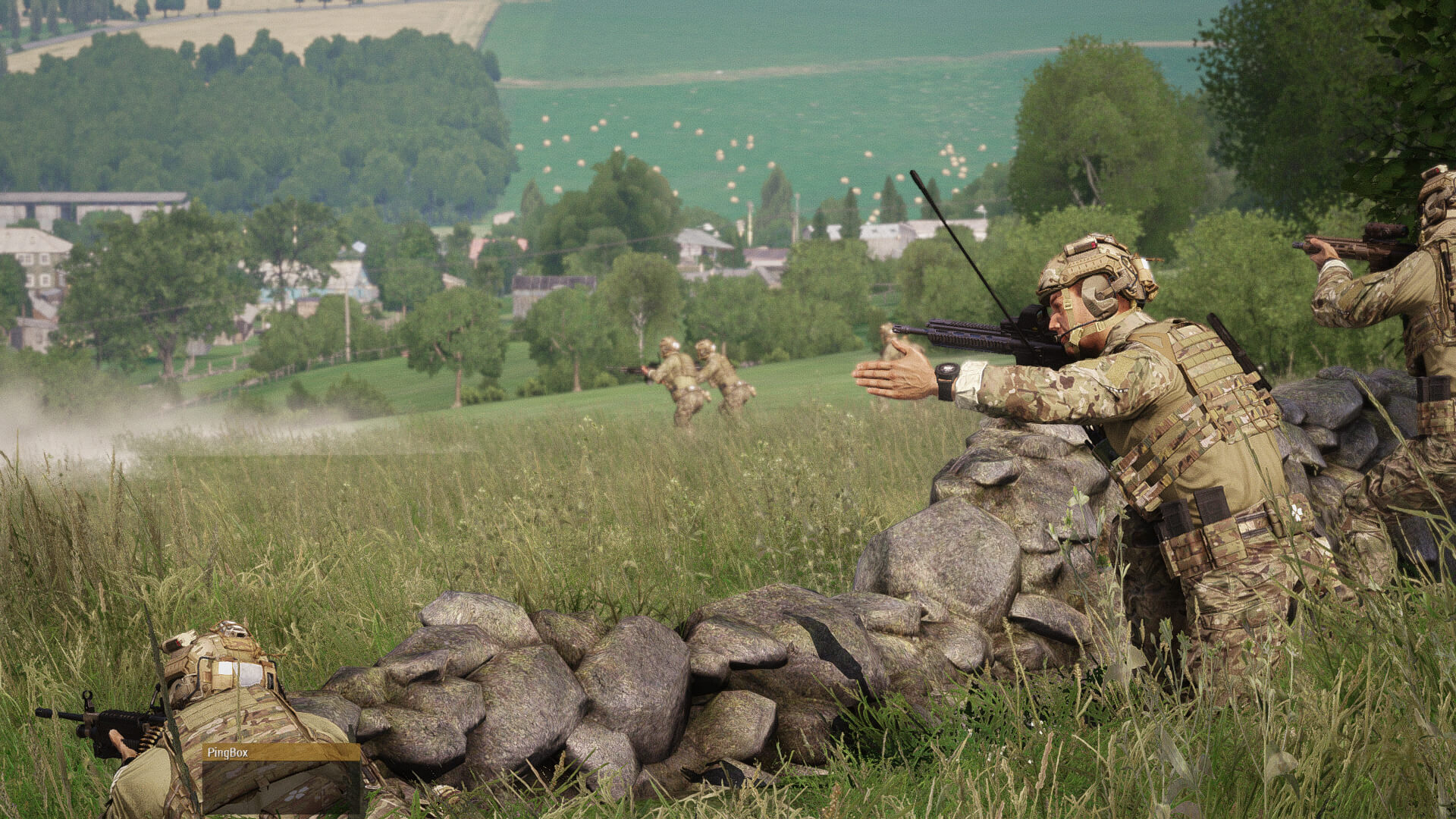
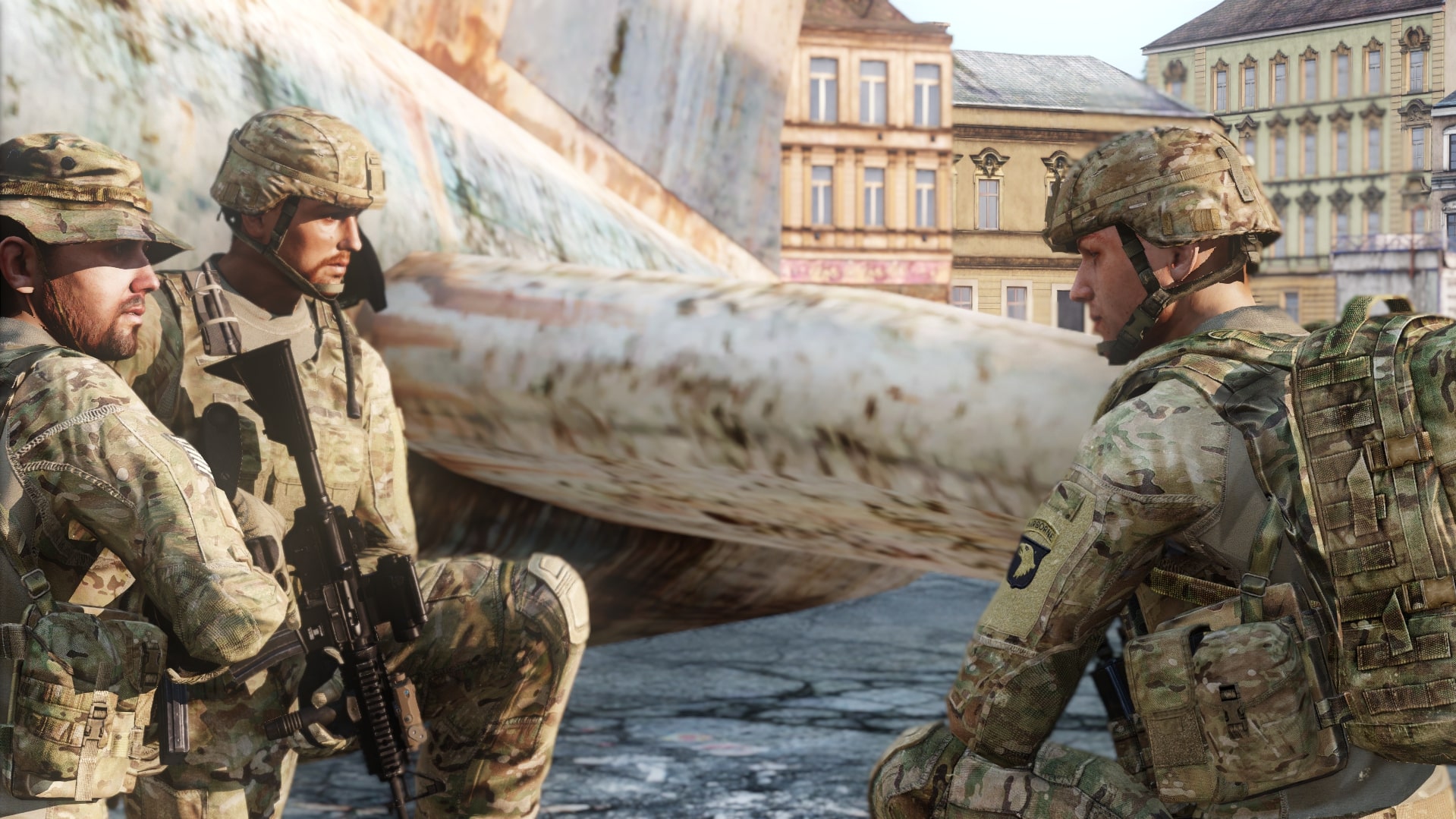
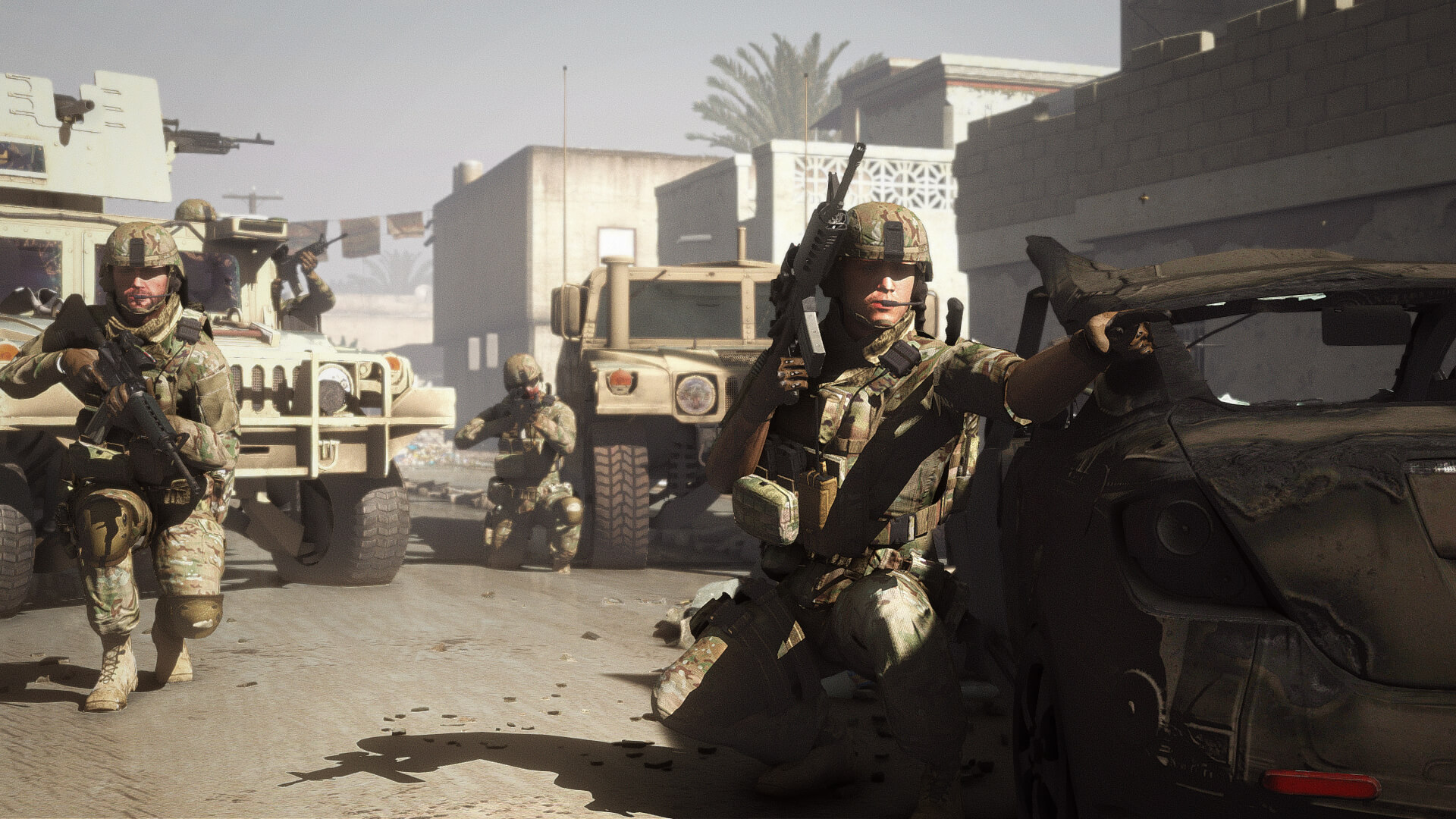
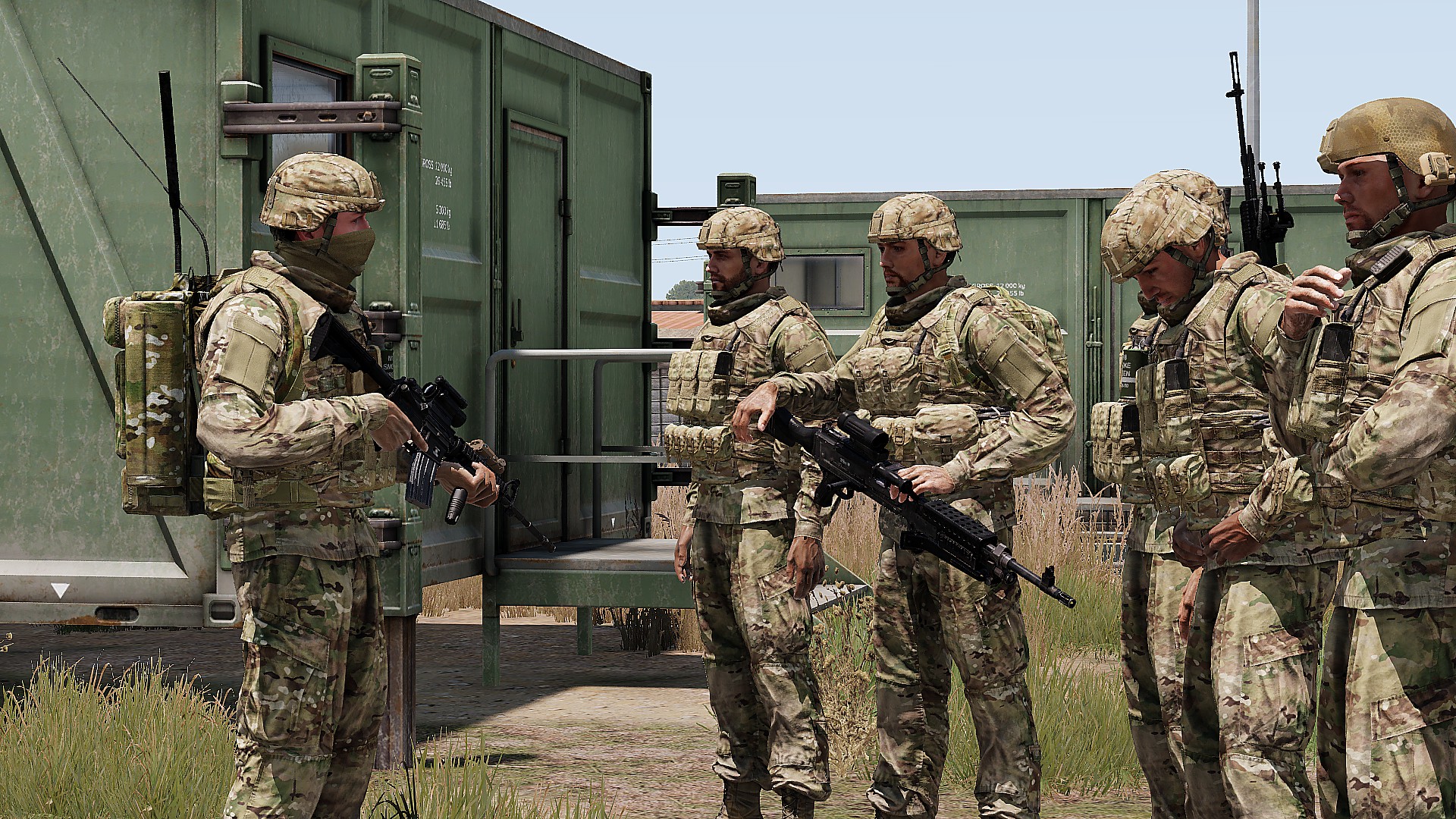
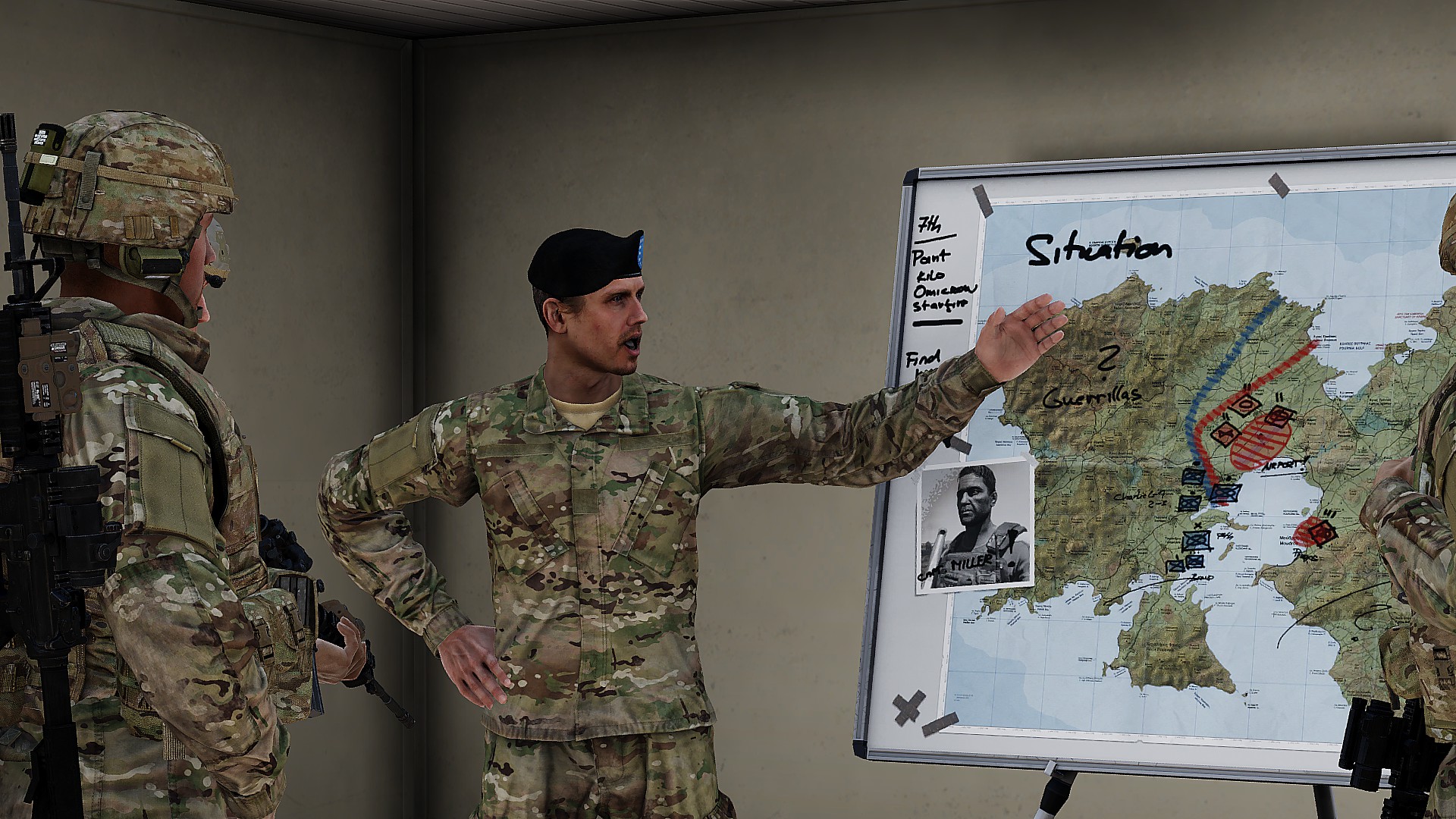
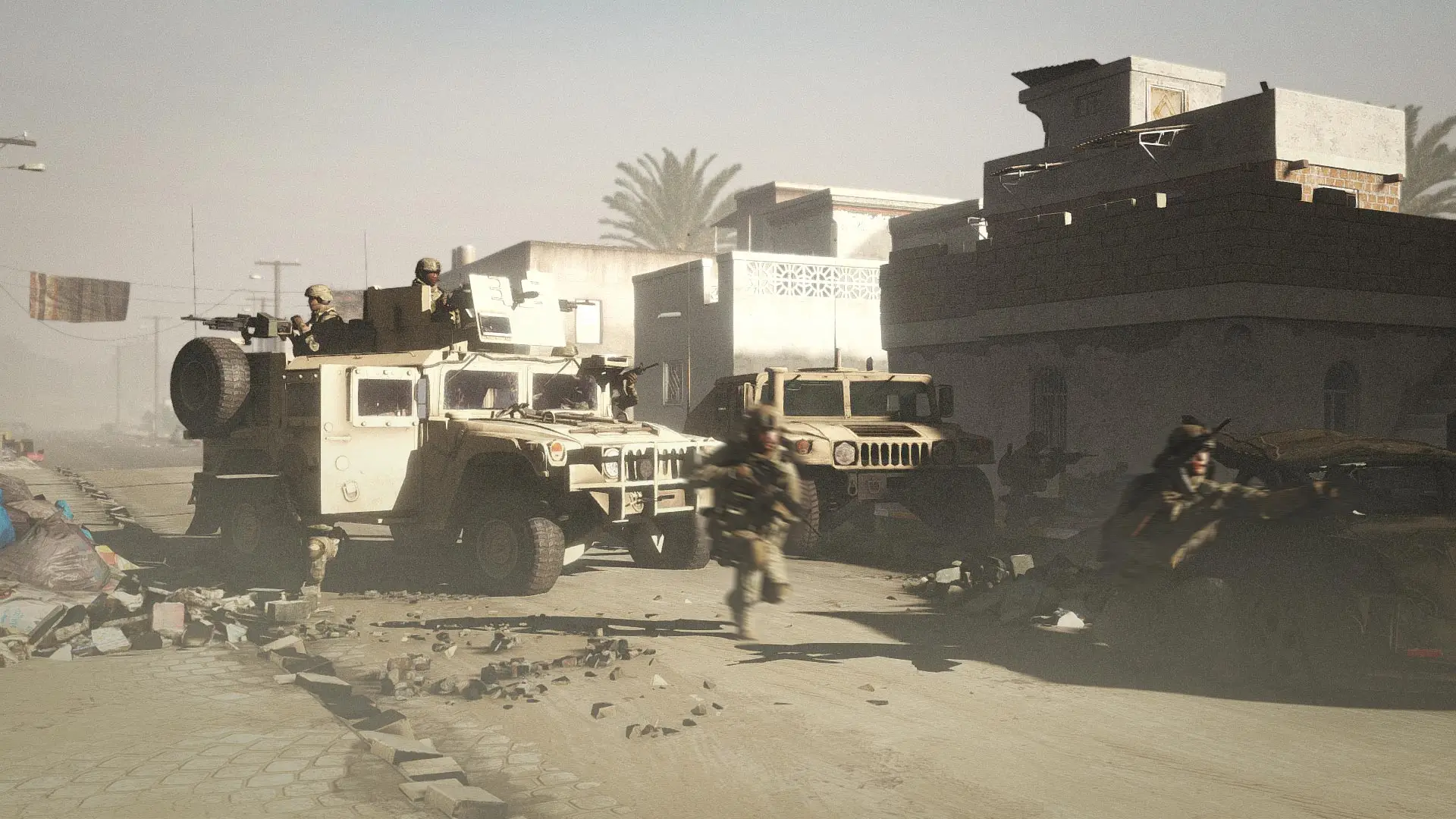
UNITAF members taking orders before an operation
Force Manual

The FM outlines our core skills, policies and guides to ensure every member stands ready for the mission ahead.

FM/G238 · Team tactics and theory

Defending theory

Passages
2
Reading time
1 min
Views
82
Owned by
Unit Command
Platforms
Every platform
Role cards
23 cards
Published
23 Sep 2026
On this page

Principles of defending

  • Security: Observation of all avenues of approach must be maintained. Sentries, OPs, and rear/flank watch are essential. Without 360° awareness, the defense is vulnerable to surprise and flanking. 
  • Positioning: Every position should offer cover from fire, concealment from observation, and effective fields of fire. Terrain and fortifications must be used to the defender’s advantage, while minimizing exposure to likely threat angles. 
  • Depth: A layered defense absorbs shocks and enables fallback. Forward elements slow the enemy, while reserves counterattack or hold rear lines. Depth provides both resilience and flexibility. 
  • Mutual Support: Defensive positions must overlap in fields of fire, allowing them to support one another. No position should be isolated; any attack on one should trigger fire from others. 
  • Flexibility: Plans must account for contingencies. Have fallback positions, repositioning routes, and mobile reserves. Defenses that cannot adapt are easily overrun.

Applying OCOKA in defence

Observation & Fields of Fire

  • Position weapons to cover expected approaches with interlocking fire
  • Use elevation and open terrain for long sightlines
  • Assign sectors and clear kill zones of obstruction

Cover & Concealment

  • Select terrain that offers protection and concealment
  • Use fortifications and camouflage to reduce visibility
  • Prepare alternate firing positions

Obstacles

  • Use terrain, wire, or mines to channel enemy movement
  • Cover obstacles with direct or indirect fire
  • Avoid blocking friendly fields of fire

Key or Decisive Terrain

  • Hold terrain that controls movement or offers advantage (e.g. high ground)
  • Reinforce positions likely to be attacked
  • Use terrain to protect flanks and enable movement

Avenues of Approach

  • Identify all likely enemy routes
  • Funnel the enemy into kill zones
  • Maintain security on flanks and rear

On role cards

On 23 role cards in 5 combat areas.

Named on

The other 7 roles read it through these cards.

By combat area

Next in Team tactics and theory

FM/G236 Firefight theory