UNITAF Future
UNITAF

Caution

This site is a work in progress

This site is finished to different degrees. Feedback is welcome. Please bear in mind that most of what you see, if not everything, is still a work in progress.

Data from the live site is synced here every hour. Anything you do on this site stays here. It is not copied back to the live site until we switch over.

Discord and permissions are linked. Be careful with admin actions. Some of them also change Discord.

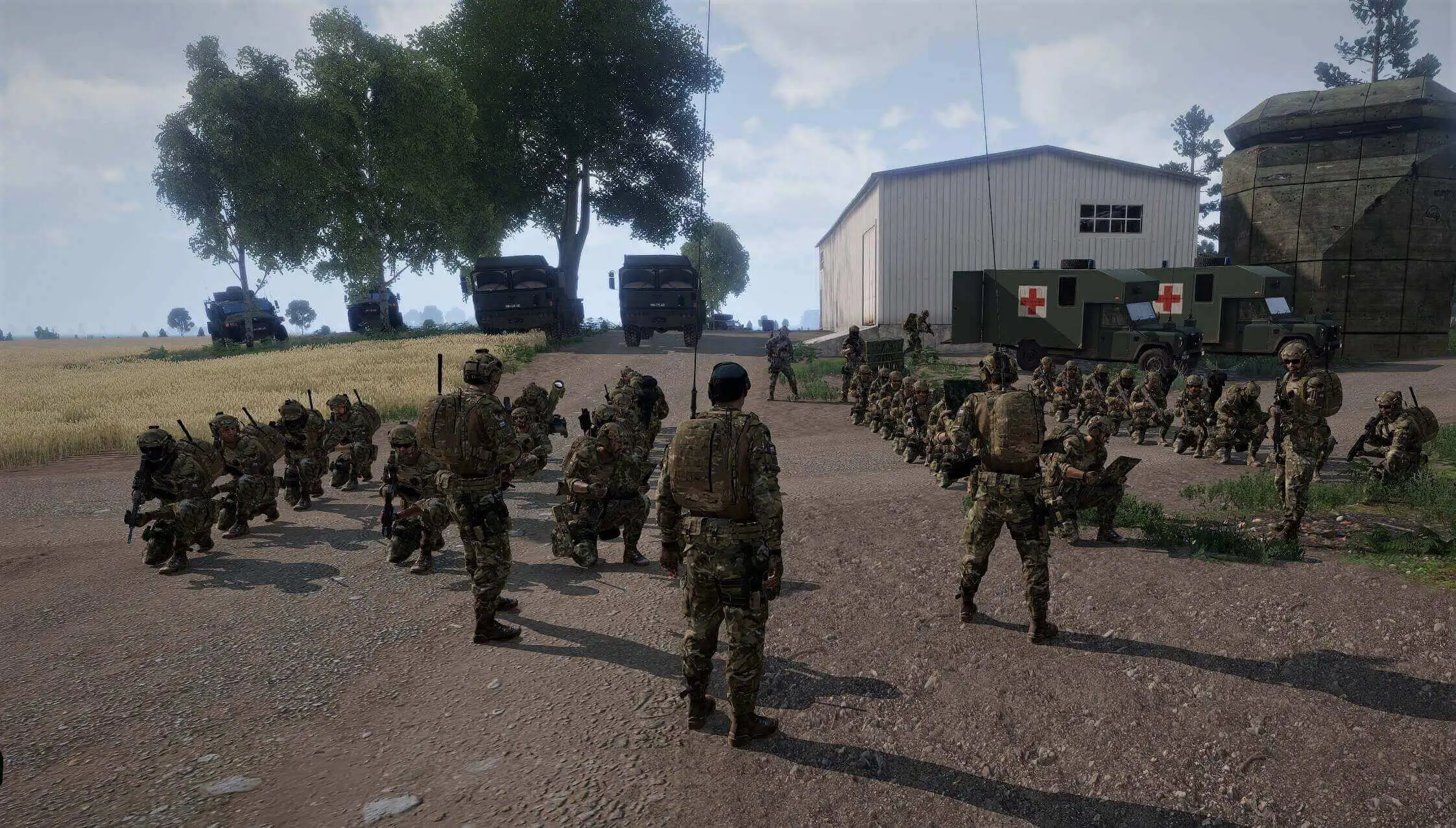
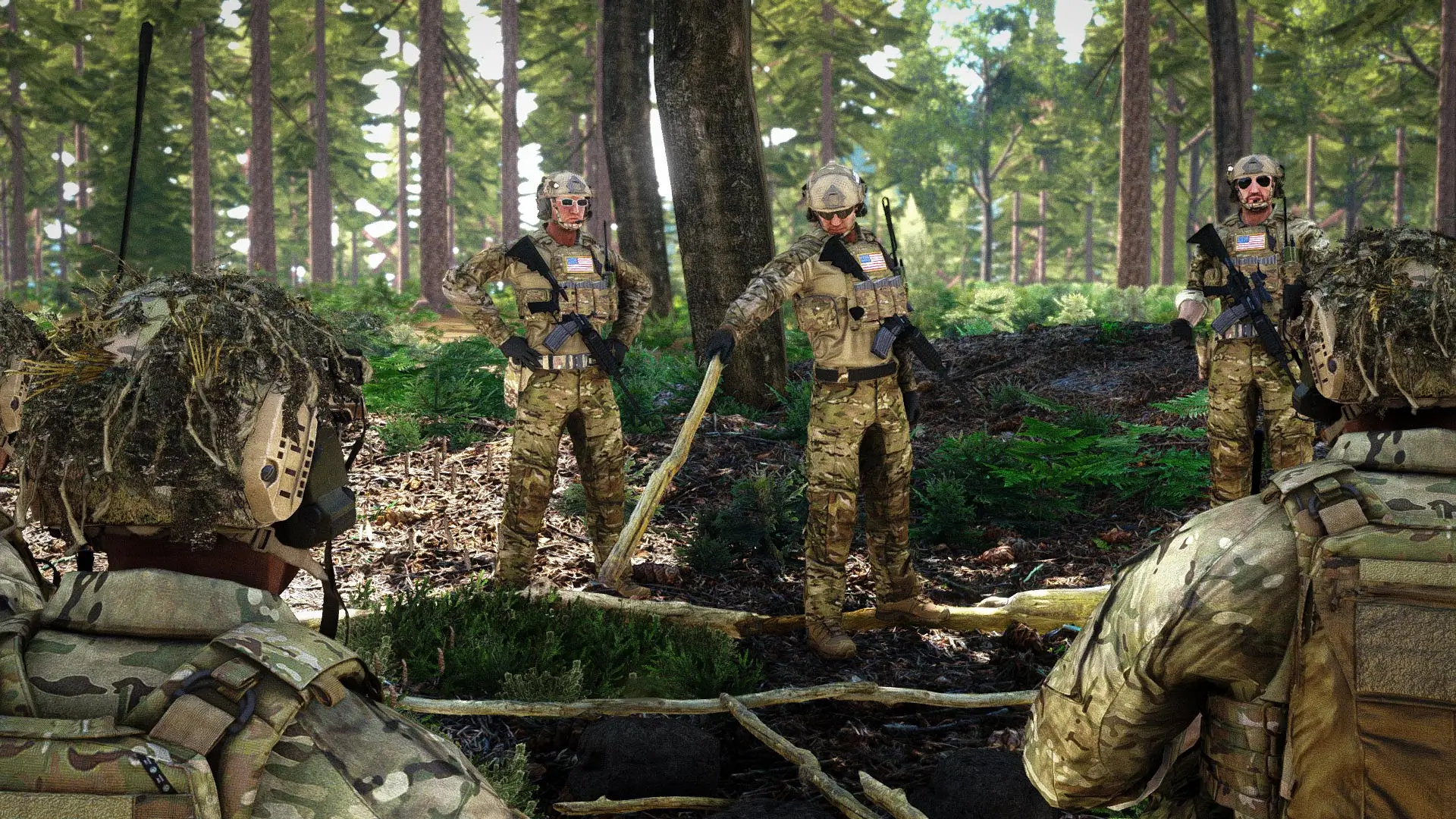
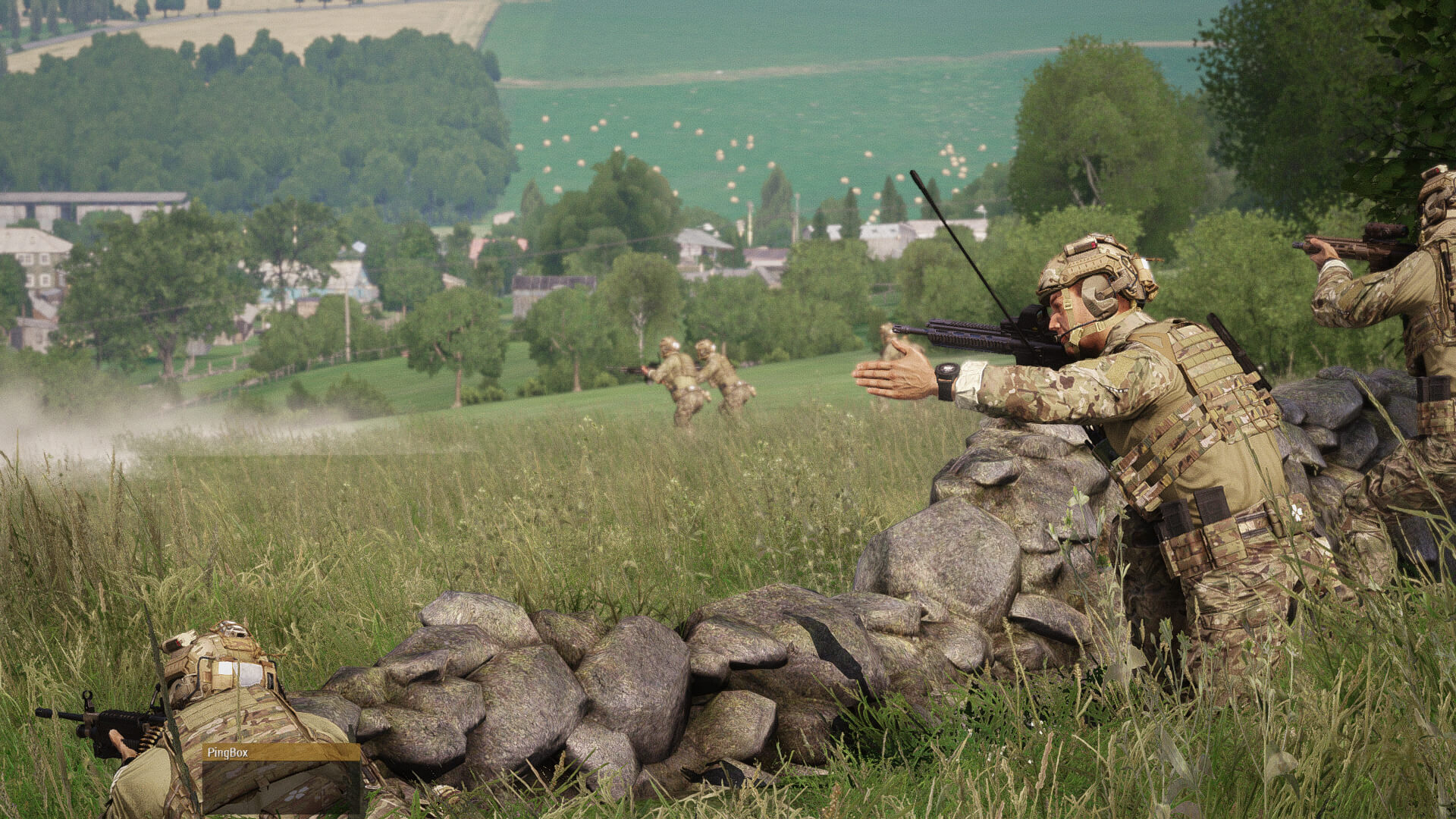
UNITAF members taking orders before an operation
Force Manual

The FM outlines our core skills, policies and guides to ensure every member stands ready for the mission ahead.

FM/G278 · Radio Communications

Callsigns

Passages
6
Reading time
2 mins
Views
77
Owned by
Unit Command
Platforms
Every platform
Role cards
41 cards
Published
23 Sep 2026
On this page

Callsigns

A callsign is the identifier that is used to address another unit over radio. Every unit down to the fireteam level has a unique callsign to identify it.

Some individuals also have their own callsigns. These are generally for people with leadership or specialised roles, like the platoon commander, platoon seargeant or forward air controller.

Callsign structure

Deployment ORBATs in UNITAF have callsigns which are assigned by the deployments Field Leader, callsigns come from a pre-approved callsign list. Some callsigns are from the phonetic alphabet, ALPHA, BRAVO CHARLIE etc. However many other callsigns exist, and can carry themes such as birds, animals and chess pieces. Callsigns are usually words which are short, easy to say, remember and to understand.

In UNITAF Callsigns are assigned to Platoons or to Companies. When a Platoon is assigned a callsign, all subordinate elements of the Platoon also adopt that callsign. A simple example of how this works is outlined below.

  • Platoon HQ (ALPHA 9)
  • Platoon Sergeant (ALPHA 8)
  • Platoon RTO (ALPHA 7)
  • Platoon Medic (ALPHA 6)
  • 1st Squad (ALPHA 1-0)
    • 1st Squad 1st Fireteam (ALPHA 1-1)
    • 1st Squad 2nd Fireteam (ALPHA 1-2)
  • 2nd Squad (ALPHA 2-0)
    • 2nd Squad 1st Fireteam (ALPHA 2-1)
    • 2nd Squad 2nd Fireteam (ALPHA 2-2) 
  • 3rd Squad (ALPHA 3-0)
    • 3rd Squad 1st Fireteam (ALPHA 3-1)
    • 3rd Squad 2nd Fireteam (ALPHA 3-2)
Use ACTUAL to refer to the leader of an element specifically

When needing to speak to the leader of an element specifically, and not anyone else on net who may take transmissions for the callsign (platoon sergeant/radio operators etc.), append ACTUAL after the element's callsign.

ACTUAL is never combined with a personal callsign as defined in Personal callsigns FM/BP-1137

Shorten callsigns when possible

To keep radio communications brief, shorten callsigns whenever possible, according to the following rules:

  • Drop the common section of the callsign of all stations on the net (ALPHA 1-1 ←→ ALPHA 1-2 becomes (1 ←→ 2)
  • Drop the numerals when only a single station of that callsign is on the net (ALPHA 1 ←→ BRAVO 1 becomes ALPHA ←→ BRAVO)

Use personal callsigns for the HQ element

When addressing a specific person in the HQ element, use their personal callsign. The assignment of HQ personal callsigns works in reverse from the number 9, where 9 is the commander of that callsign. Typically, the second-in-command will be 8, forward air controllers, observers or medics can be 7, 6 and so on.

  • The personal callsign will be displayed on the ORBAT.
  • Personal callsigns are never transferred to another person, even when said person is incapacitated.

Use ALL STATIONS to address all callsigns on the network

When adressing all callsigns on a network, use ALL STATIONS instead of listing all callsigns separately.

On role cards

On 41 role cards in 12 combat areas.

Named on

The other 38 roles read it through these cards.

By combat area

Next in Radio Communications

FM/G165 Transactional communications