UNITAF Future
UNITAF

Caution

This site is a work in progress

This site is finished to different degrees. Feedback is welcome. Please bear in mind that most of what you see, if not everything, is still a work in progress.

Data from the live site is synced here every hour. Anything you do on this site stays here. It is not copied back to the live site until we switch over.

Discord and permissions are linked. Be careful with admin actions. Some of them also change Discord.

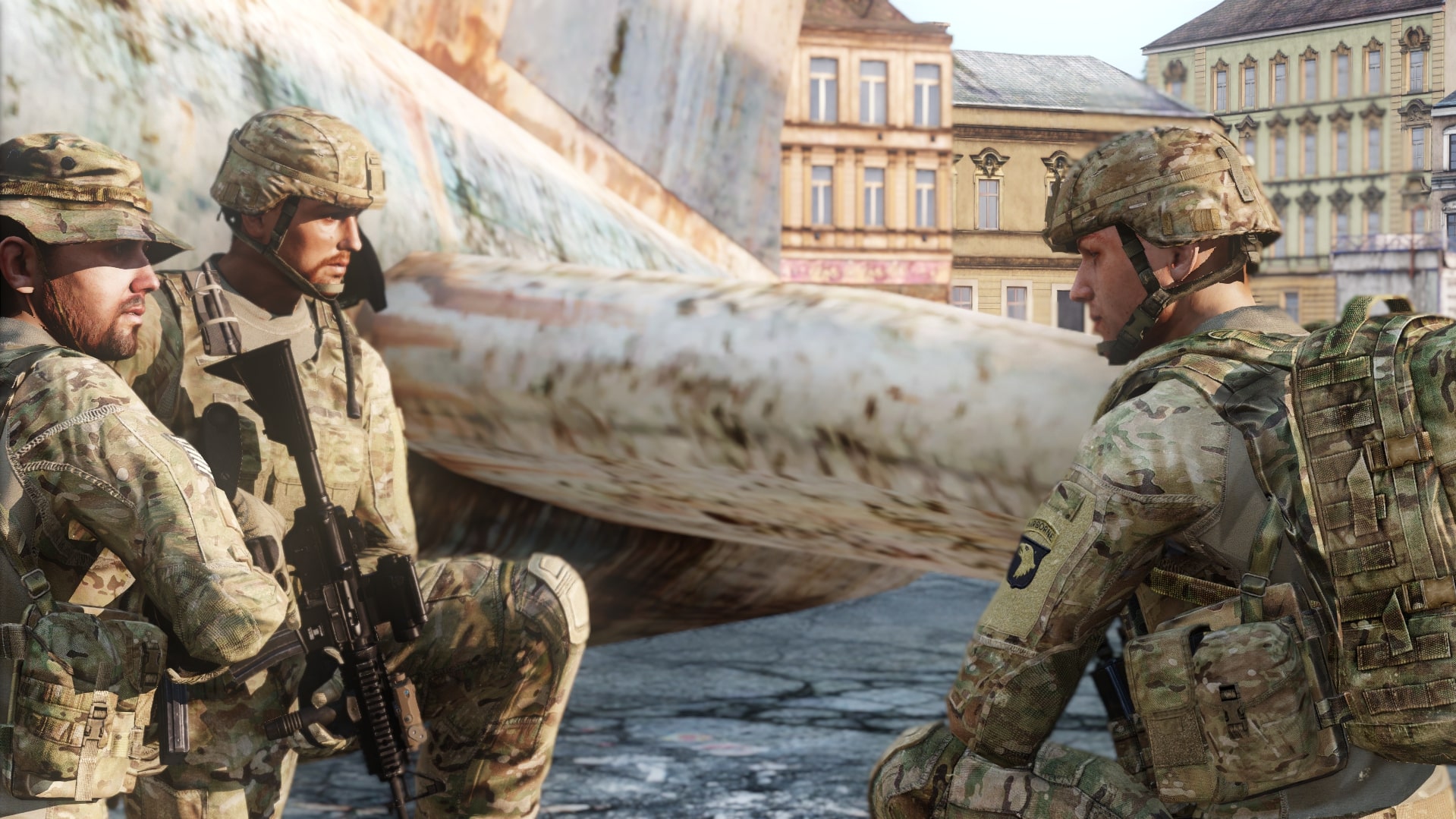
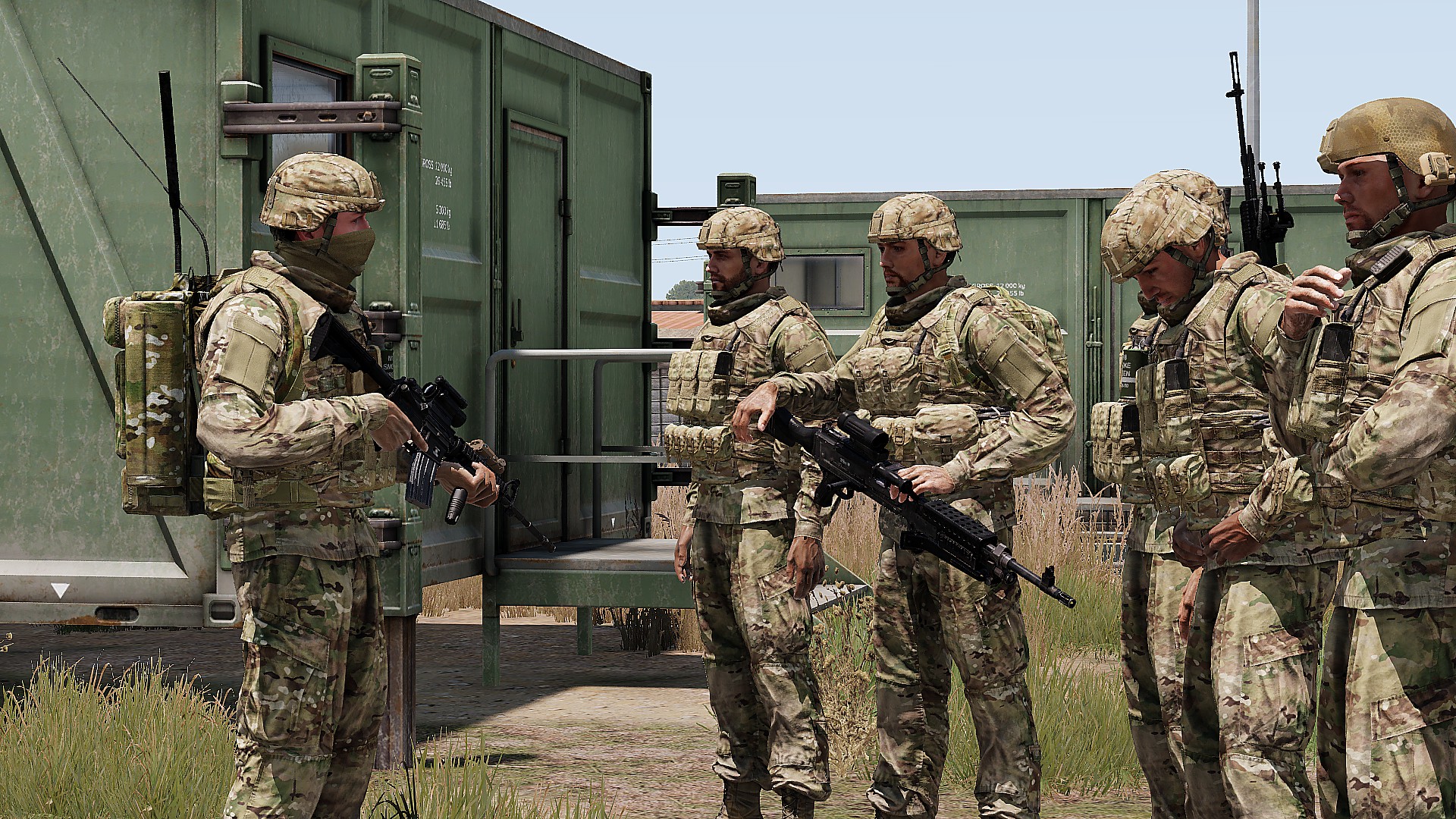
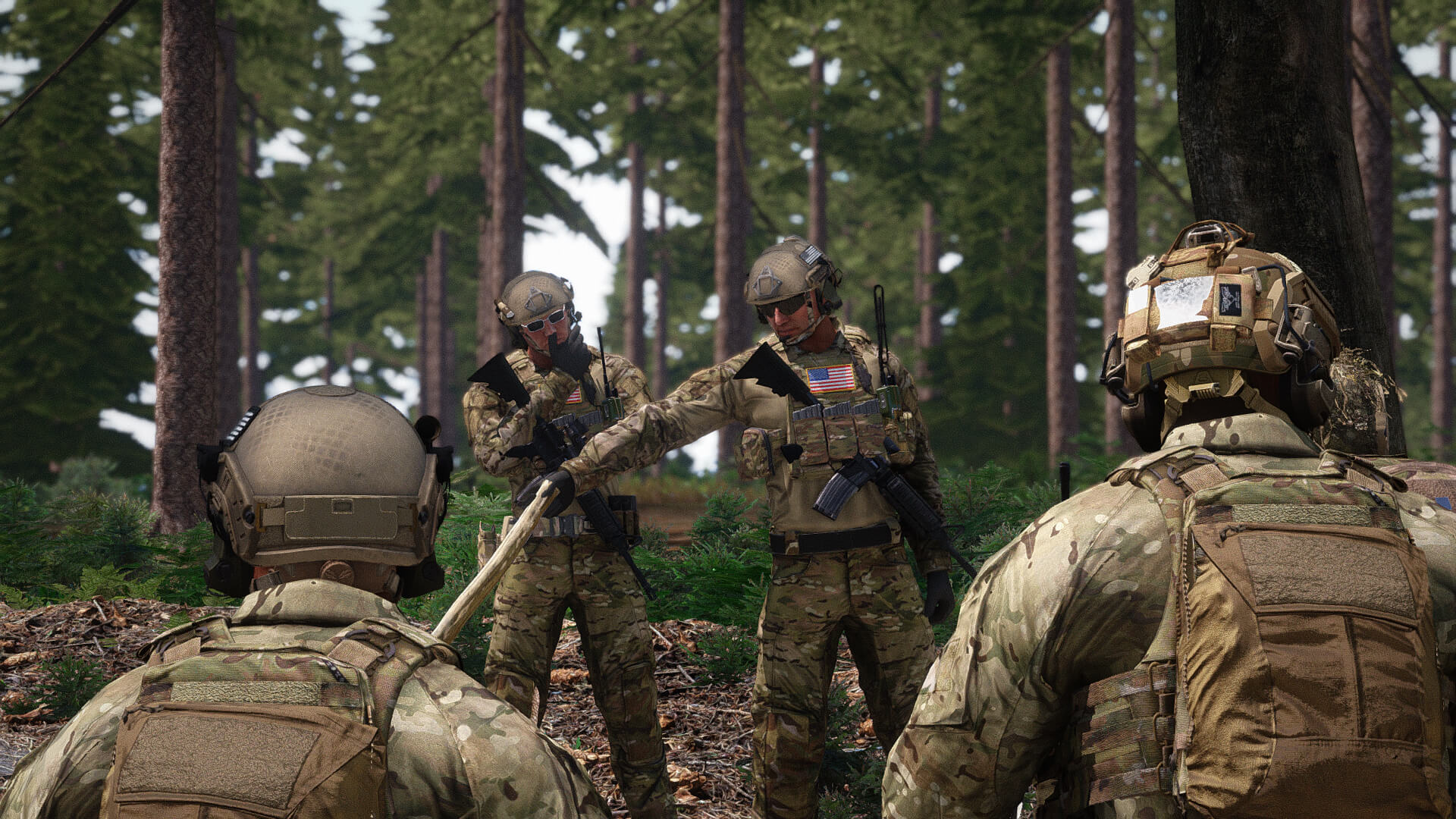
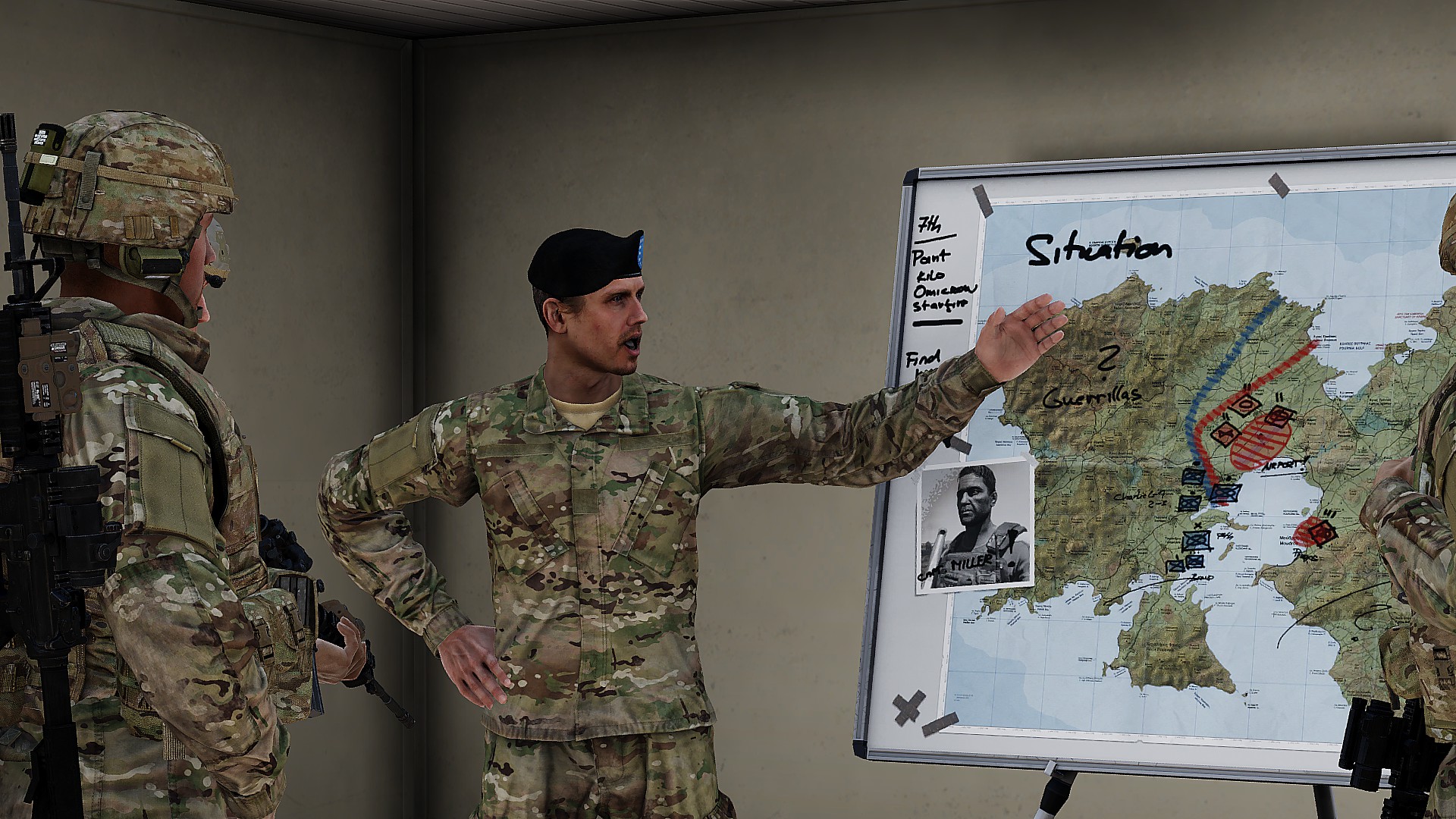
UNITAF members taking orders before an operation
Force Manual

The FM outlines our core skills, policies and guides to ensure every member stands ready for the mission ahead.

FM/G321 · Offensive tactics

Building stones of offensive tactics

Passages
8
Reading time
2 mins
Views
82
Owned by
Unit Command
Platforms
Every platform
Role cards
22 cards
Published
23 Sep 2026
On this page

Achieve fire superiority

Apply sufficient fire to reduce the enemy’s ability to return effective fire.

  • Direct fire toward known or suspected enemy positions to suppress them.
  • Increase volume, accuracy, or tempo of fire until enemy fire becomes ineffective or sporadic.
  • Use suppressive fire as the primary method; at closer ranges or against small elements, deliberate fire may be sufficient.
  • Maintain fire until friendly manoeuvre or disengagement is achieved.

Fire superiority enables freedom of movement and reduces friendly casualties.
Fire and manoeuvre

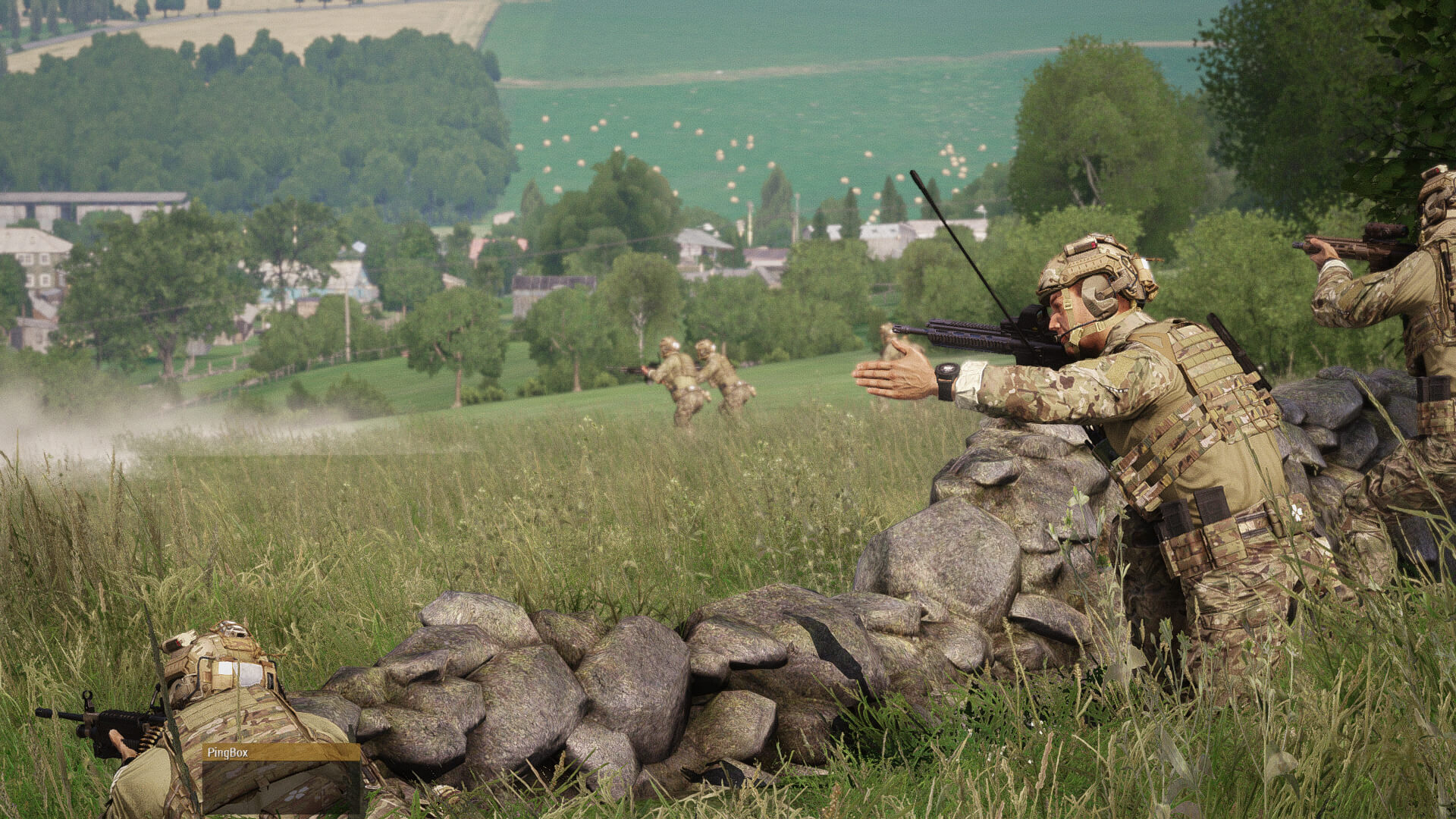
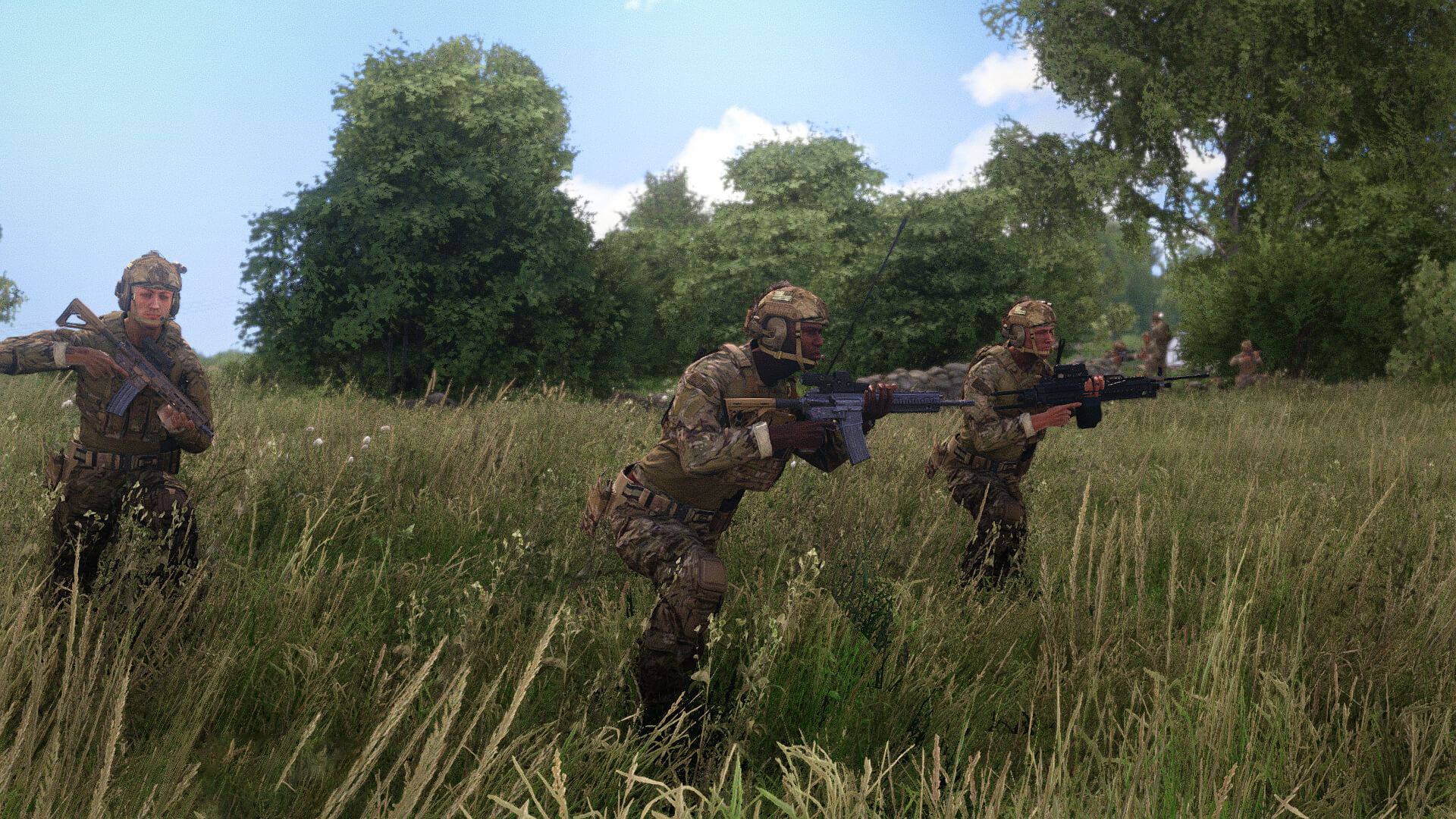
Engage the enemy while repositioning to prevent being fixed in place.

  • Apply effective fire to suppress or fix the enemy.
  • Reposition elements after limited engagement time from the same position.
  • Use movement to deny the enemy predictable targeting and control.
  • Exploit new positions to gain improved firing angles and observation.
  • Maintain coordination so fire and movement remain mutually supporting.

Prolonged firing from a single position increases vulnerability. Continuous manoeuvre preserves initiative and survivability.

Find the enemy

Identify the enemy’s location, strength, and disposition while minimising exposure.

  • Use observation, movement, and probing fire to locate enemy elements.
  • Confirm enemy positions through multiple indicators where possible.
  • Avoid committing decisively before the enemy is identified.
  • Report contact clearly to enable follow‑on actions.

Fix the enemy

Prevent the enemy from manoeuvring or disengaging.

  • Apply sufficient fire to force the enemy to remain in position.
  • Maintain continuous pressure to limit enemy movement and initiative.
  • Avoid over‑committing forces intended for manoeuvre.
  • Adjust fire to maintain suppression without unnecessary exposure.

Flank the enemy

Manoeuvre elements to attack the enemy from a position of advantage.

  • Move outside the enemy’s primary arcs of fire and observation.
  • Use terrain, timing, and suppression to conceal movement.
  • Maintain coordination with fixing elements to prevent enemy reorientation.
  • Position flanking elements to engage decisive targets or vulnerabilities.

Finish the enemy

Destroy, dislodge, or force the enemy to disengage.

  • Apply overwhelming fire and manoeuvre from decisive positions.
  • Maintain momentum to prevent enemy recovery or withdrawal.
  • Clear remaining resistance methodically.
  • Re‑establish control and prepare for follow‑on actions.

Avoiding regrouping on enemy positions

Enemy positions should not be used as regroup or rally points after contact or assault. Once occupied, these locations are likely known or pre-planned for indirect fires, air attack, or follow-on engagement.

Even if cleared or abandoned, the enemy may still respond with artillery, mortars, or direct fire once friendly forces occupy the position, increasing vulnerability during reorganisation.

Following contact, elements should displace to a separate, concealed, and defensible location to reorganise, treat casualties, redistribute ammunition, and establish security. Selecting regroup points away from enemy positions reduces predictability and improves survivability

Consolidate & reorganise following contact

Following contact, restore combat effectiveness before continuing operations.

Immediate Priorities

  • Move off of the enemy position.
  • Establish security.
  • Confirm command structure.
  • Assess casualties.
  • Redistribute ammunition.
  • Re-establish orientation.

Follow-On

  • Reassign tasks as required.
  • Report status.
  • Prepare for follow-on action.

On role cards

Next in Offensive tactics

FM/G322 Applied offensive tactics