UNITAF Future
UNITAF

Caution

This site is a work in progress

This site is finished to different degrees. Feedback is welcome. Please bear in mind that most of what you see, if not everything, is still a work in progress.

Data from the live site is synced here every hour. Anything you do on this site stays here. It is not copied back to the live site until we switch over.

Discord and permissions are linked. Be careful with admin actions. Some of them also change Discord.

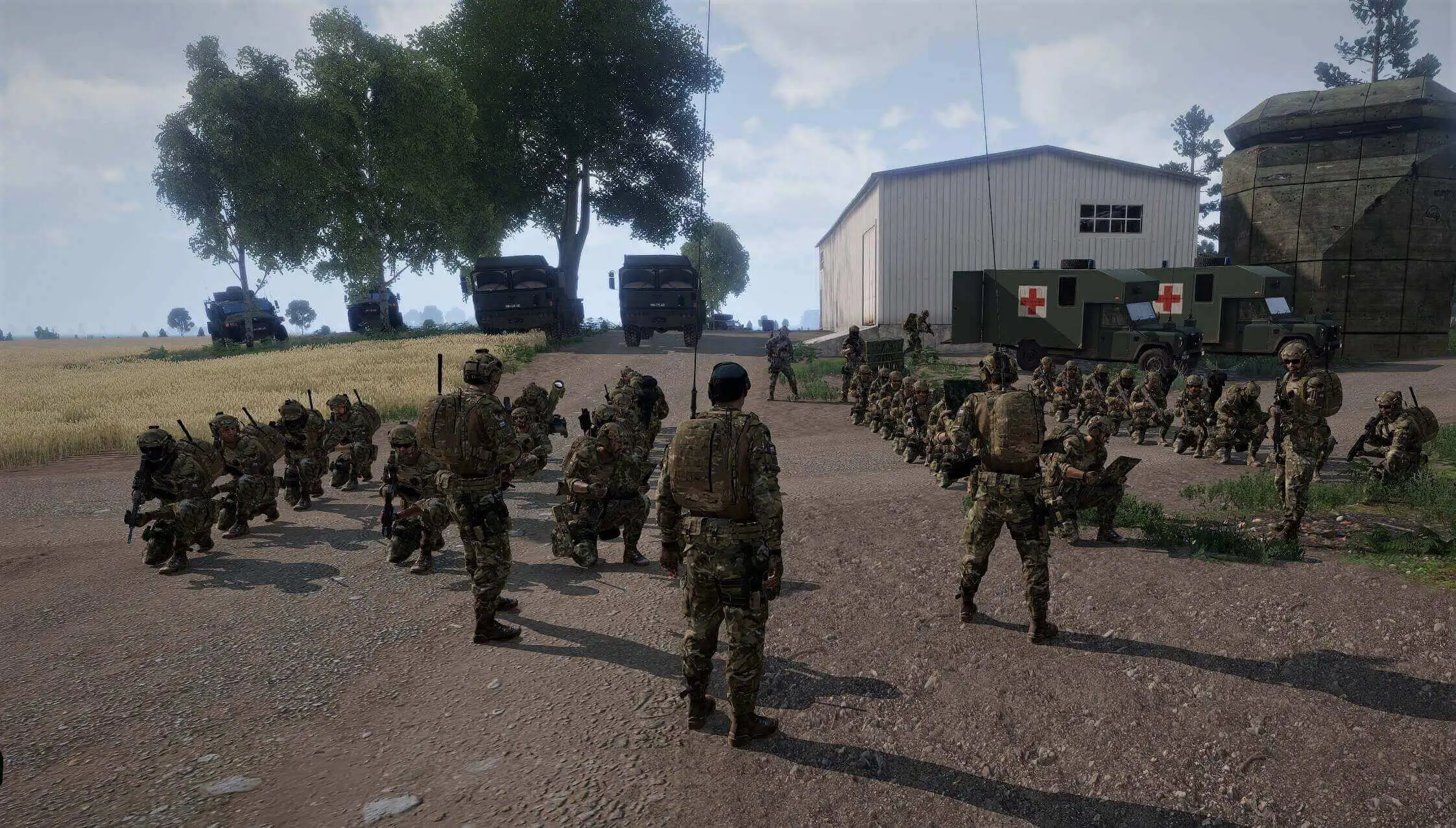
UNITAF members taking orders before an operation
Force Manual

The FM outlines our core skills, policies and guides to ensure every member stands ready for the mission ahead.

FM/G326 · Ground vehicles

Driving a vehicle

Passages
12
Reading time
2 mins
Views
79
Owned by
Unit Command
Platforms
Every platform
Role cards
13 cards
Published
23 Sep 2026
On this page

Throttle and brake discipline

Consistent throttle and braking inputs reduce formation disruption, prevent collisions, and improve overall vehicle control. Abrupt inputs increase stopping distance errors and can cause secondary impacts in close formations.

Apply smooth acceleration and braking

  • Increase and decrease speed gradually.
  • Anticipate halts to avoid abrupt braking.

Use of speed management systems

Modern vehicles may provide speed-control aids such as cruise control or speed limiters. These systems can assist in maintaining convoy discipline, reducing driver workload, and improving spacing consistency when terrain allows.

Speed aids are most effective on:

  • Long road movements
  • Convoys with fixed speed parameters
  • Low-threat environments

They are less suitable in:

  • Urban terrain
  • Close formations
  • Areas requiring frequent speed changes

Maintain a constant set speed

  • Maintain a set speed limit as briefed by the element commander.
  • Disengage any speed aids immediately when terrain, threat, or formation changes.

Steering and track/wheel management

Sharp steering inputs increase rollover risk, especially in tracked or top-heavy vehicles. Controlled steering preserves traction and reduces vehicle silhouette changes that may expose weak armour arcs.

Apply deliberate steering inputs

  • Avoid sharp turns at speed.
  • Adjust steering input based on terrain and vehicle type.
  • Maintain predictable movement for vehicles and infantry nearby.

Manage vehicle power on inclines and obstacles

  • Apply steady throttle when climbing or crossing obstacles.
  • Avoid stopping mid-slope unless directed.
  • Report loss of power or mobility to the element commander immediately.

Reversing and confined movement

Reversing armoured vehicles is inherently hazardous due to limited rear visibility. Driver movement in reverse should be deliberate and preferably guided by the vehicle commander or ground guide.

Conduct safe reverse movement

  • Halt before reversing.
  • Announce “REVERSING” 
  • Reverse slowly and deliberately.
  • Follow commander or ground-guide instructions when available.

Operating around infantry

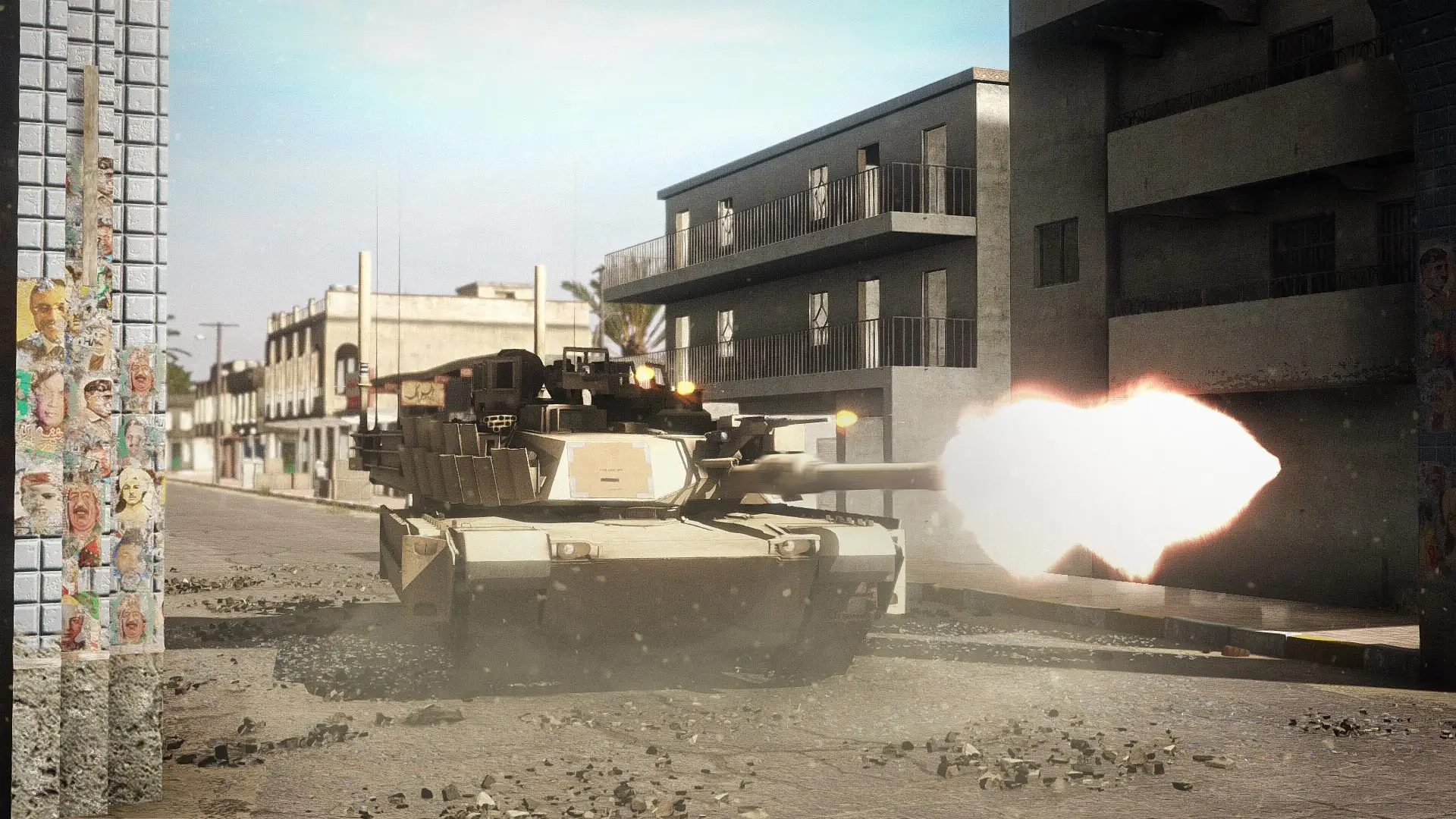
Vehicles must avoid endangering friendly infantry. Do not run them over, and avoid firing main guns near dismounts unless absolutely necessary due to the risk of overpressure injuries. In close terrain infantry should move ahead of the vehicle as this gives dismounts a chance to spot threats early. 

Vehicle commanders may, if required, dismount to coordinate directly with infantry.

Reduced-visibility driving

Low-light and degraded visibility environments significantly reduce reaction time and depth perception. Speed and spacing must be adjusted accordingly, with increased reliance on commander guidance.

Adapt driving to visibility conditions

  • Reduce speed in low visibility or at night.
  • Increase spacing where possible.
  • Rely on commander cues for obstacle and personnel awareness.

On role cards

Next in Ground vehicles

FM/G393 Scout Cavalry