UNITAF Future
UNITAF

Caution

This site is a work in progress

This site is finished to different degrees. Feedback is welcome. Please bear in mind that most of what you see, if not everything, is still a work in progress.

Data from the live site is synced here every hour. Anything you do on this site stays here. It is not copied back to the live site until we switch over.

Discord and permissions are linked. Be careful with admin actions. Some of them also change Discord.

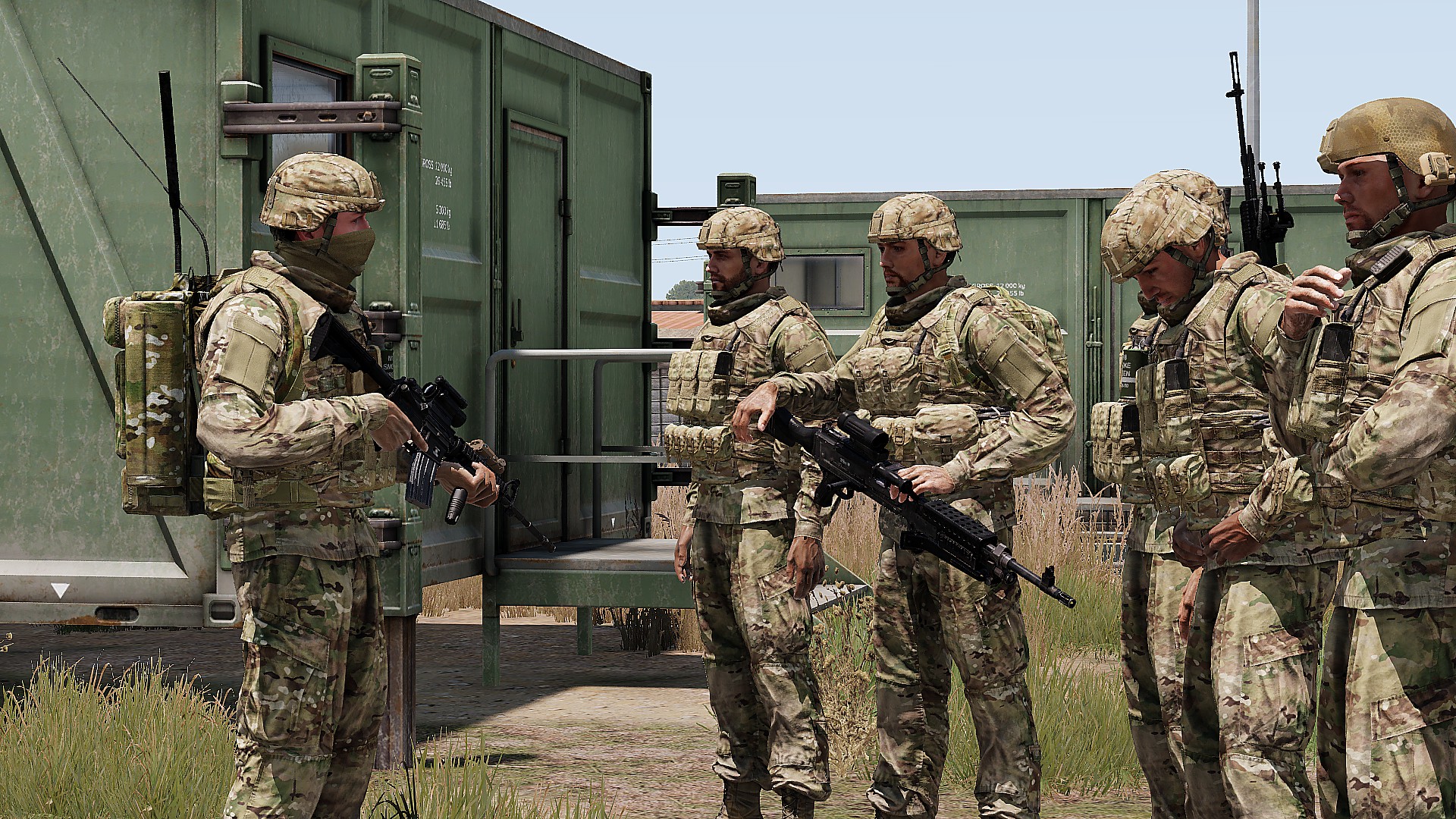
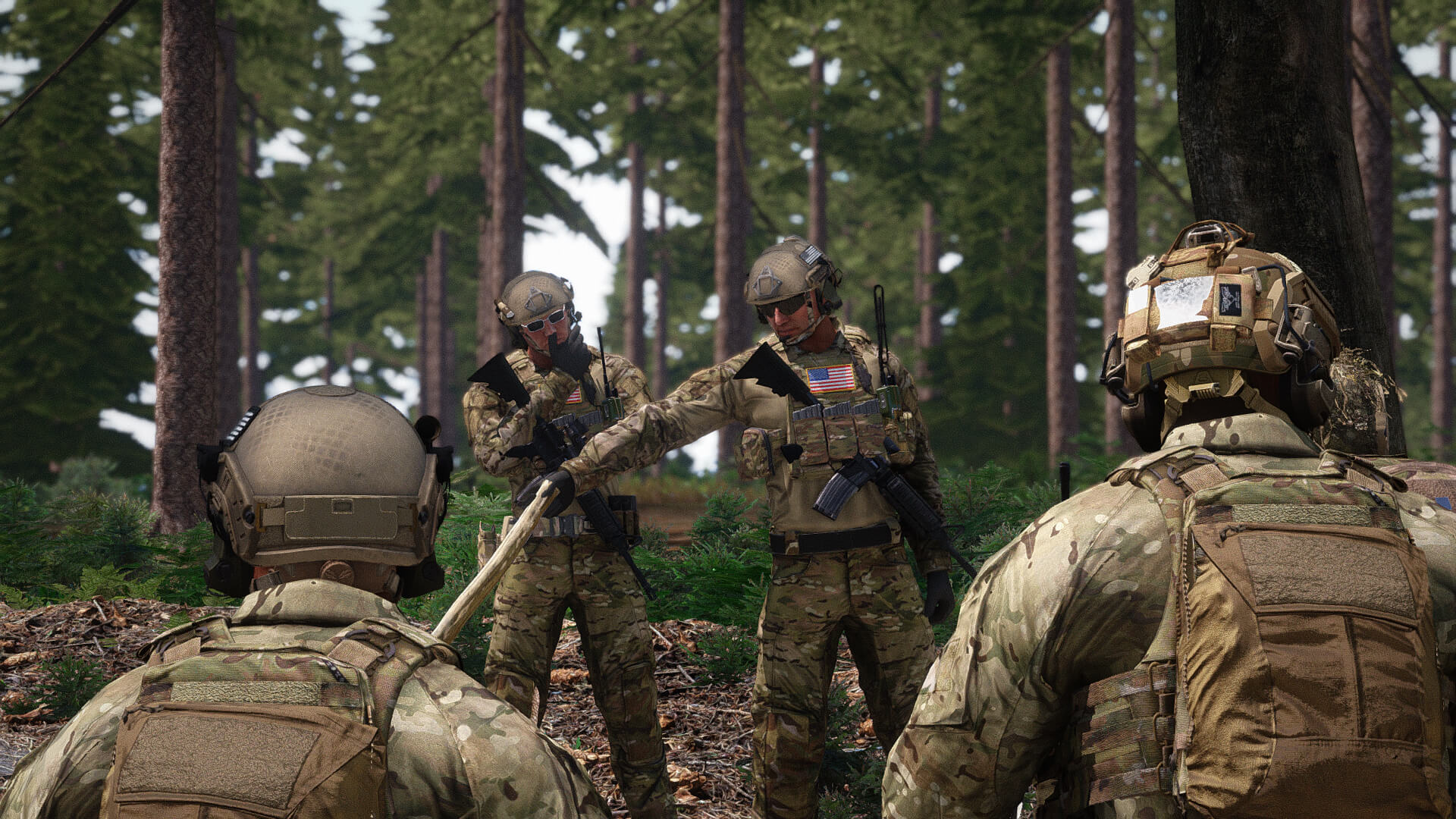
UNITAF members taking orders before an operation
Force Manual

The FM outlines our core skills, policies and guides to ensure every member stands ready for the mission ahead.

FM/G331 · Reconnaissance tactics

Reconnaissance fundamentals

Passages
4
Reading time
3 mins
Views
72
Owned by
Unit Command
Platforms
Every platform
Role cards
16 cards
Published
23 Sep 2026
On this page

The purpose of reconnaissance

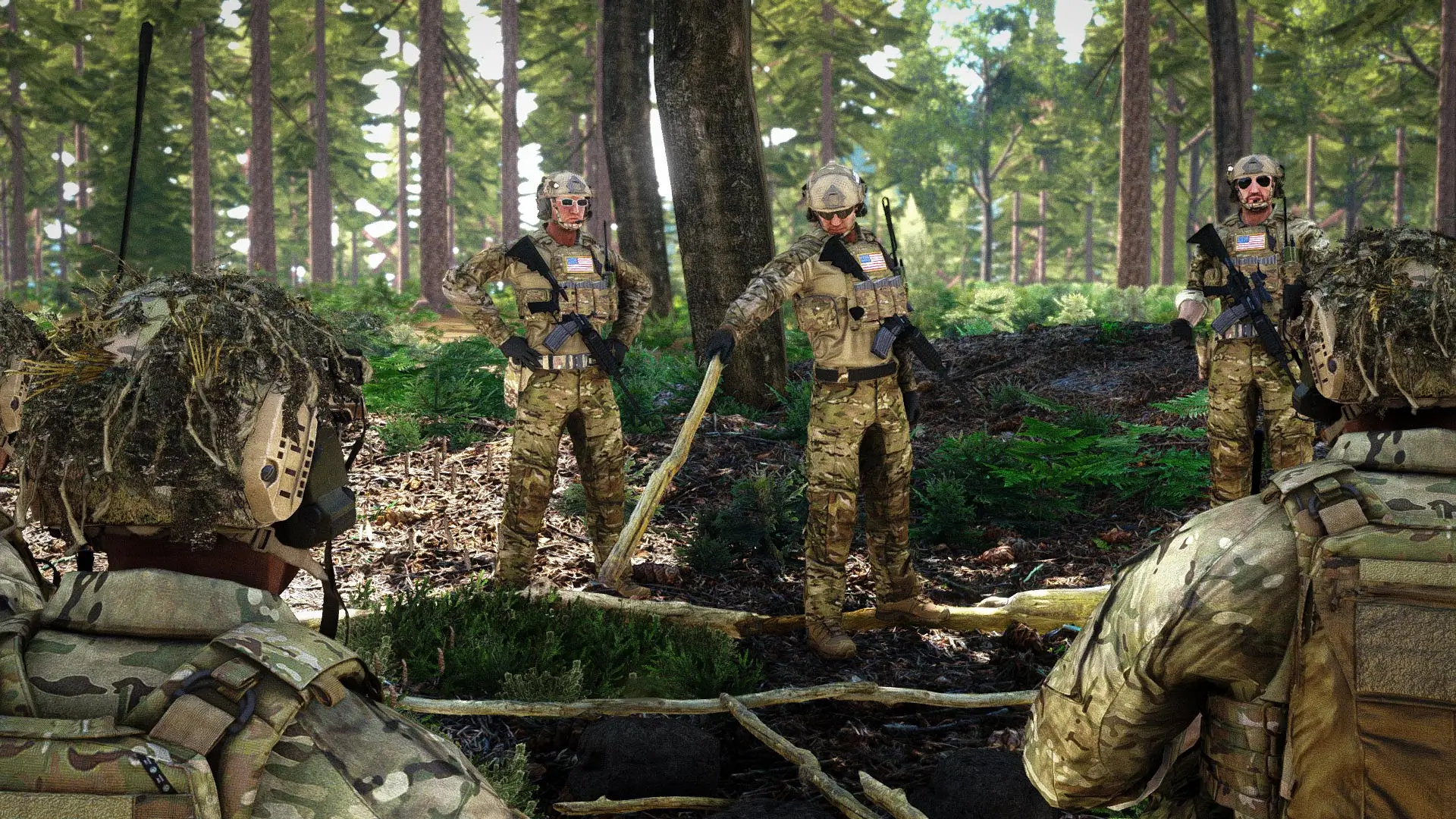
The purpose of Reconnaissance units is find, understand and communicate information and intelligence on the enemy ahead of a force to enable informed command decisions. Reconnaissance is a continuous activity focused on reducing uncertainty and answering METT-TC considerations as the situation evolves.

Reconnaissance elements operate ahead of the main force, often without support, and must adapt to changing conditions over time. Their employment is shaped by the need to observe, assess, and reposition as required to maintain relevance and survivability.

The primary value of reconnaissance lies in the recommendations derived from collected information. All team members contribute observations to inform Enemy, Terrain, and Civilian considerations, while the Field Leader makes the final assessment. These recommendations support planning and decision-making rather than directing action.
Levels of reconnaissance

Gold Standard

  • A comprehensive reconnaissance of the Area of Operations (AO), thoroughly exploring all available reconnaissance methods and producing a detailed patrol report. This is a dedicated operation focused solely on intelligence gathering.

Silver Standard

  • Only the most critical and obvious terrain features are assessed, with key findings communicated directly to the Field Leader. This involves the reconnaissance team joining the operation early, focusing on essential intel.

Bronze Standard

  • Limited to the axis of advance and its immediate surroundings, with information passed to relevant callsigns. Typically involves scouts moving ahead of an advancing force to gather basic intel reporting back to the most relevant callsign. 

What reconnaissance patrols look for

The list of relevant intel that could be gathered is non exhaustive as it can be anything that is relevant to the mission but some examples for what each kind of reconnaissance patrol may look for is below:

Area Reconnaissance

  • Enemy force size, equipment, likely intentions, and other capabilities.
  • Location of enemy bunkers and their sightlines.
  • Location and extent of minefields.
  • Obstacles such as restrictive terrain and anti-tank defences.
  • Potential axis of advance, e.g., bypassing defences using a ditch.
  • Dead ground for manoeuvring out of enemy sight.
  • Density of woodblocks for concealed movement.
  • Good locations for MG support or overwatch squads.
  • Locations for friendly logistics.

Route Reconnaissance

  • Detailed information about trafficability on the route and adjacent terrain.
  • Enemy activity or enemy forces moving along the route.
  • Sites for emplacing hasty obstacles to slow enemy movement.
  • Obstacles such as bridges, chokepoints, fords, and other barriers.
  • Location and condition of bypasses and alternative routes.

Close Target Reconnaissance (CTR)

  • Target assessment: size, composition, and capabilities of the enemy.
  • Locations of dead ground for manoeuvre.
  • Avenues of advance to bypass defences.
  • Areas for undetected movement (e.g., dense woodblocks).
  • Enemy morale, training, and discipline.

Reconnaissance in Force (RIF)

  • Initial estimates of enemy force size and capabilities.
  • Avenues of approach and potential exit routes.
  • Identification of enemy weaknesses (e.g., gaps in defences).
  • Signs of enemy morale, readiness, and discipline.
  • Engagement indicators through contact.

Observation Post (OP)

  • Monitoring enemy movements, positions, and changes.
  • Key sightlines and areas for exploitation.
  • Signs of enemy presence through civilian movement or avoidance.
  • Locations of enemy defensive positions or weapons.
  • Civilians avoiding certain areas indicating IEDs or enemy activity.

Reconnaissance Screen

  • Early indicators of enemy movements and intentions.
  • Identification of areas for potential delay or blocking enemy forces.
  • Observing enemy morale, readiness, and potential vulnerabilities.

What a reconnaissance patrol is not

  • A reconnaissance patrol is not an assault force. It is not tasked with seizing terrain, destroying enemy forces, or holding ground. Prolonged or decisive engagement compromises the mission.
  • A reconnaissance patrol is not a force that sits on top of a hill exclusively. It does not rely on obvious, dominant, or silhouetted terrain for observation. Effective reconnaissance uses concealment, standoff, angles, and movement to observe without being detected.
  • A reconnaissance patrol is not intended to fix or delay the enemy. If contact occurs, the patrol disengages, breaks contact, and reports rather than attempting to win the fight.
  • A reconnaissance patrol is not a security screen. While it provides early warning through reporting, it does not absorb contact or protect the main force through combat.
  • A reconnaissance patrol is not unfocused. It does not collect information indiscriminately; reconnaissance is driven by defined information requirements and command intent.

On role cards

Next in Reconnaissance tactics

FM/G332 Types of reconnaissance patrol