


UNITAF Future
UNITAF

Caution

This site is a work in progress

This site is finished to different degrees. Feedback is welcome. Please bear in mind that most of what you see, if not everything, is still a work in progress.

Data from the live site is synced here every hour. Anything you do on this site stays here. It is not copied back to the live site until we switch over.

Discord and permissions are linked. Be careful with admin actions. Some of them also change Discord.

UNITAF members taking orders before an operation
Force Manual

The FM outlines our core skills, policies and guides to ensure every member stands ready for the mission ahead.

FM/G388 · Sustainment

Creating a logistics plan

Passages
7
Reading time
2 mins
Views
74
Owned by
Unit Command
Platforms
Every platform
Role cards
1 card
Published
23 Sep 2026
On this page

Early planning

Early planning is critical for effective logistical operations. Starting early allows risks, constraints, and resource gaps to be addressed before execution.

Key considerations:

  • Attend briefings
    • Understand mission objectives, timelines, and support requirements
  • Identify resources
    • Assess available personnel, vehicles, and supplies
    • Coordinate with relevant elements (e.g. leadership)
  • Plan routes
    • Identify primary and alternate supply routes
    • Consider terrain, distance, and enemy activity
  • Assess risk
    • Identify threats to movement and resupply
    • Develop basic mitigation measures in advance
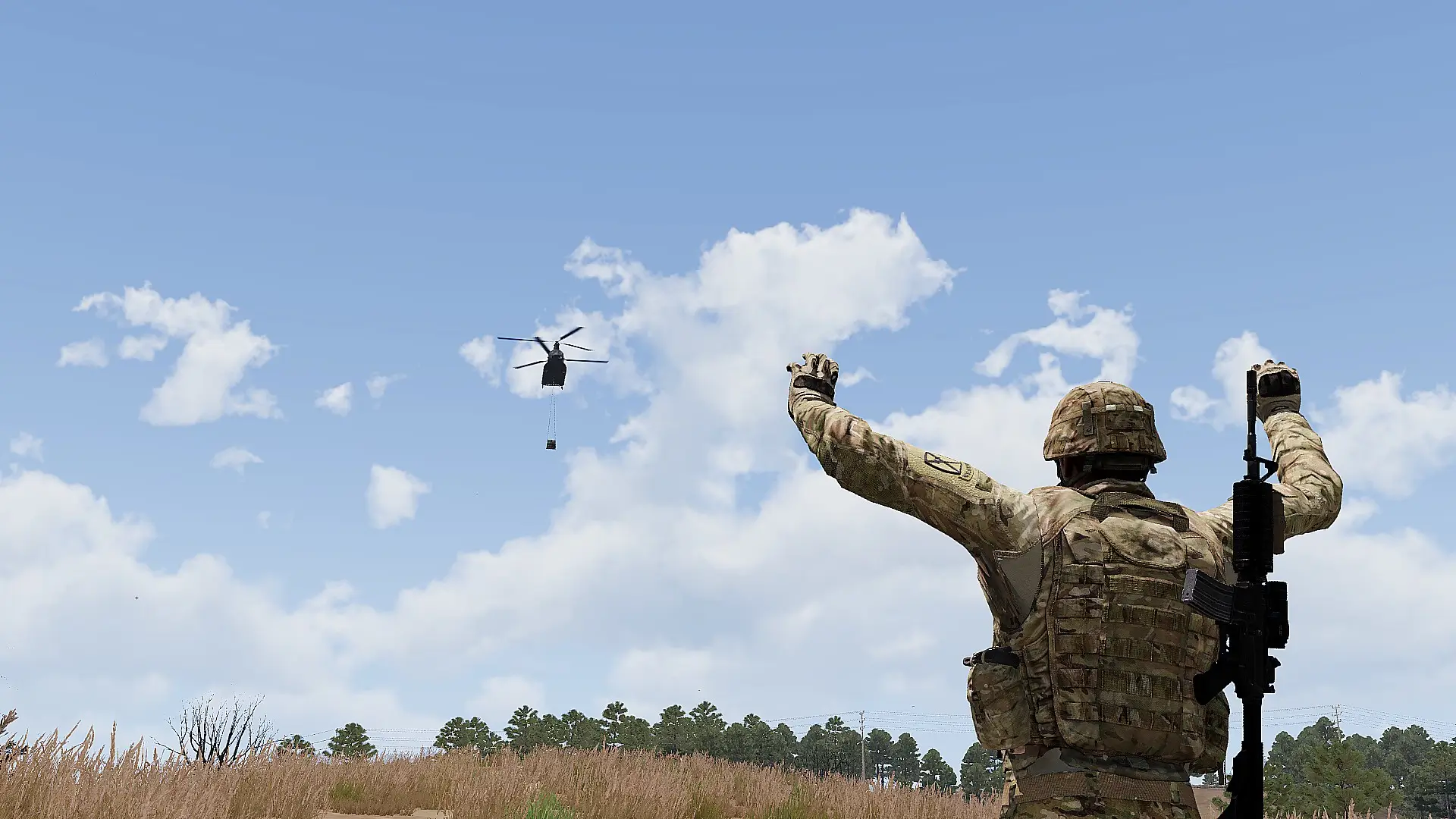
Simple and efficient plans

Logistical plans should be simple, adaptable, and efficient to remain effective under changing conditions.

Key considerations:

  • Use available assets effectively
    • Match vehicle type and load to the task
    • Avoid overloading or underutilising key assets
  • Maintain flexibility
    • Allow for changes in routes, objectives, or availability
  • Improve resilience
    • Mix supply types across vehicles to reduce losses
    • Include spare parts, vehicles, and contingency supplies
  • Reduce reliance on long routes
    • Use staging points or distributed supplies to shorten travel distances

Effective communication (logistics)

Clear communication ensures logistical support remains coordinated and responsive.

Key considerations:

  • Provide clear instructions
    • Ensure all elements understand the support plan
  • Share reference points
    • Identify and communicate key locations before execution
  • Maintain coordination
    • Stay in contact with leadership and supporting elements
    • Update plans based on changes in the situation

Minimising travel delays

Reducing delays ensures timely delivery of supplies and sustained operational tempo.

Key considerations:

  • Match transport to task
    • Use air for long-distance movement
    • Use ground vehicles for local distribution
  • Select suitable vehicles
    • Consider terrain, load capacity, and mobility
  • Use forward resupply points (FRPs)
    • Position close to supported elements
    • Reduce turnaround time for resupply
  • Balance security and efficiency
    • Avoid placing logistics in exposed or predictable locations

Managing threats in the AO

Logistical operations must account for threats and integrate protection measures.

Key considerations:

  • Coordinate security
    • Use escorts or combat elements when operating near contested areas
  • Manage exposure
    • Plan routes and timings to reduce contact with enemy forces
  • Adapt to threats
    • Relocate resupply points if necessary
    • Adjust routes and methods as the situation evolves

Plan a logistical route

  • Identify supply origin and destination
  • Analyse terrain, distance, and likely threats along the route
  • Select primary and alternate routes
  • Confirm routes support vehicle type and load
  • Adjust routes based on changes in the situation

Organise vehicle loads

  • Identify required supplies based on mission needs
  • Distribute supplies across available vehicles
  • Mix supply types to reduce single-point failure
  • Include critical spares and contingency items
  • Ensure loads remain within vehicle capacity limits

On role cards

On 1 role card in 1 combat area.

By combat area

Next in Sustainment

FM/G389 Supporting combat operations (logistics)