UNITAF Future
UNITAF

Caution

This site is a work in progress

This site is finished to different degrees. Feedback is welcome. Please bear in mind that most of what you see, if not everything, is still a work in progress.

Data from the live site is synced here every hour. Anything you do on this site stays here. It is not copied back to the live site until we switch over.

Discord and permissions are linked. Be careful with admin actions. Some of them also change Discord.

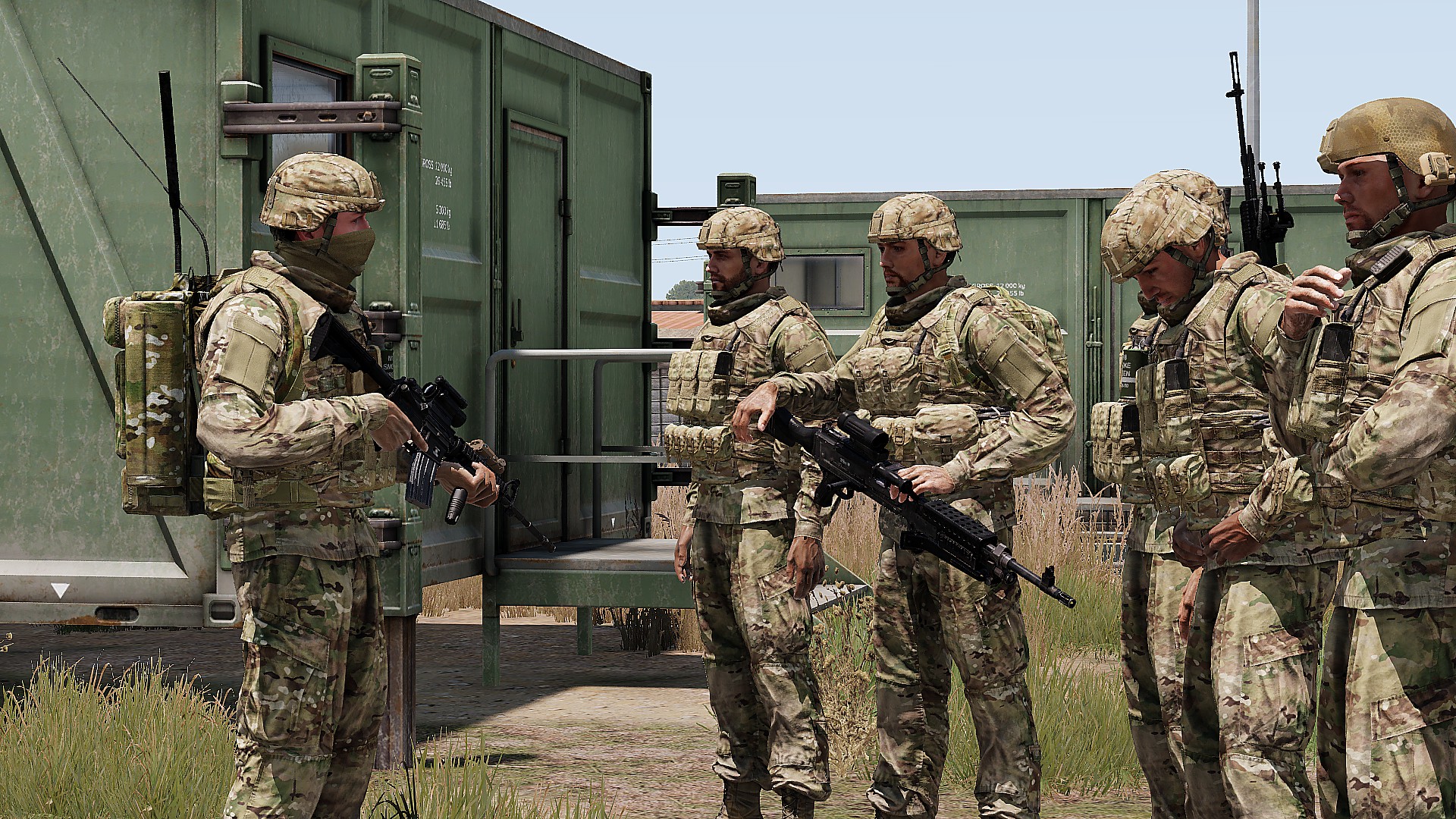
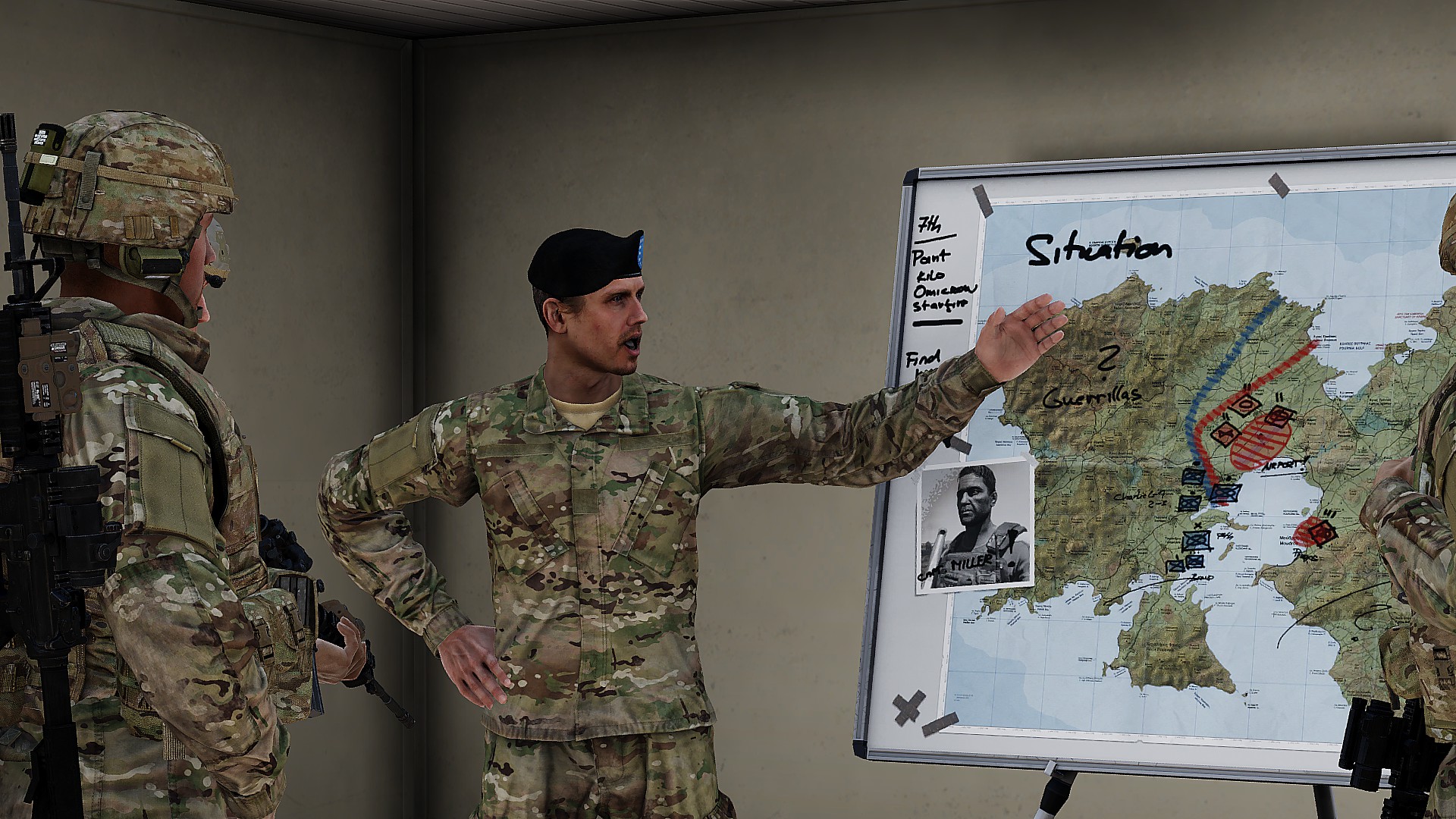
UNITAF members taking orders before an operation
Force Manual

The FM outlines our core skills, policies and guides to ensure every member stands ready for the mission ahead.

FM/G400 · Leadership of field elements

Field Leadership Roles

Passages
6
Reading time
3 mins
Views
73
Owned by
Unit Command
Platforms
Every platform
Role cards
11 cards
Published
23 Sep 2026
On this page

Field Leadership

Field Leaders command platoon- and company-level operations through subordinate leaders. Their role is to establish intent, allocate resources, coordinate elements and maintain an understanding of the wider operation.

Field Leaders should focus on:

  • Achieving the mission objective
  • Setting priorities and acceptable risk
  • Coordinating subordinate and supporting elements
  • Monitoring progress and combat effectiveness
  • Maintaining operational awareness
  • Anticipating future requirements
  • Adjusting the plan as the situation changes

Where an appropriate subordinate leader is available, Field Leaders should avoid directly controlling individuals or fireteams.
Platoon Sergeant Responsibilities

The Platoon Sergeant supports the Platoon Leader or Platoon Commander by maintaining the platoon’s organisation, sustainment and combat effectiveness.

Responsibilities include:

  • Consolidating reports from subordinate elements
  • Monitoring casualties, ammunition, equipment and vehicle condition
  • Coordinating medical support, resupply and recovery
  • Maintaining platoon accountability
  • Supporting movement, consolidation and reorganisation
  • Coordinating rearward activity while the platoon leader controls the battle
  • Assuming command of the platoon when required

Responsibilities may be delegated differently depending on the operation, but the Platoon Sergeant should remain informed enough to assume command.

Platoon Leader Responsibilities

A Platoon Leader commands a platoon operating as part of a company. The Platoon Leader receives intent and tasking from the Company Commander and translates them into coordinated tasks for subordinate elements.

Responsibilities include:

  • Understanding the company plan and the platoon’s role within it
  • Developing a platoon plan aligned with company intent
  • Assigning tasks and purposes to subordinate elements
  • Coordinating movement, fires and support within the platoon
  • Maintaining communication with company command
  • Reporting platoon progress and combat effectiveness
  • Coordinating with adjacent platoons
  • Preserving the platoon’s ability to support the company plan

The Platoon Leader should focus on squads and attached elements rather than directing fireteams.

Platoon Commander Responsibilities

A Platoon Commander leads an independent platoon-level operation and is the highest tactical authority for that operation unless otherwise directed.

Responsibilities include:

  • Defining the operational intent and end state
  • Developing and briefing the overall plan
  • Coordinating squads and attached elements
  • Integrating fires, aviation, reconnaissance, medical and logistics support
  • Managing operational tempo and priorities
  • Maintaining communication with mission support
  • Deciding when to continue, adjust, pause or terminate the operation
  • Preserving sufficient capability for follow-on tasks

Unlike a Platoon Leader within a company, the Platoon Commander is responsible for both the platoon plan and the overall direction of the operation.

Company Commander Responsibilities

The Company Commander coordinates multiple platoons and attached elements to achieve the operation’s objectives.

Responsibilities include:

  • Establishing company intent and the desired end state
  • Assigning tasks and purposes to platoons
  • Designating the main effort and supporting efforts
  • Allocating combat power and support assets
  • Establishing company-level control measures
  • Maintaining a reserve where appropriate
  • Synchronising manoeuvre, fires, aviation, logistics and medical support
  • Monitoring platoon progress and combat effectiveness
  • Adjusting priorities as the operation develops
  • Planning for follow-on phases

The Company Commander should command through Platoon Leaders and avoid directly controlling squads except where command continuity or urgency requires it.

Field Leadership Command Relationships

  • A Company Commander commands platoons through their Platoon Leaders.
  • A Platoon Leader commands a platoon subordinate to a Company Commander.
  • A Platoon Commander commands an independent platoon-level operation.
  • A Platoon Sergeant supports platoon command and assumes command when required by succession.
  • Field Leaders must issue tasks through the appropriate subordinate leader where one is available.
  • A level of command may be bypassed where required by urgency, communications failure or leadership casualty.
  • Where a level of command is bypassed, the affected leader must be informed as soon as practical.

On role cards

Next in Leadership of field elements

FM/G218 Mission planning process