UNITAF Future
UNITAF

Caution

This site is a work in progress

This site is finished to different degrees. Feedback is welcome. Please bear in mind that most of what you see, if not everything, is still a work in progress.

Data from the live site is synced here every hour. Anything you do on this site stays here. It is not copied back to the live site until we switch over.

Discord and permissions are linked. Be careful with admin actions. Some of them also change Discord.

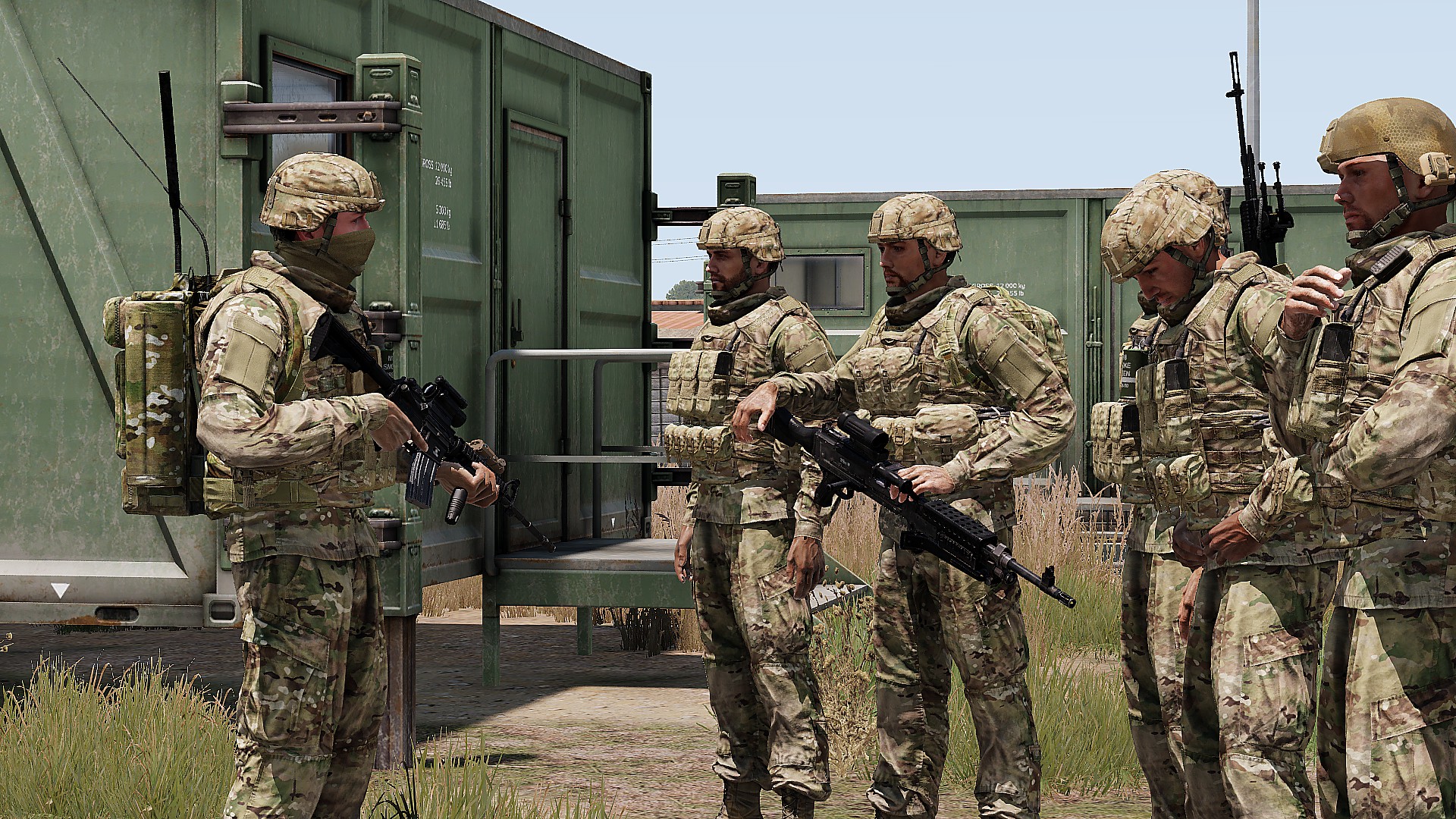
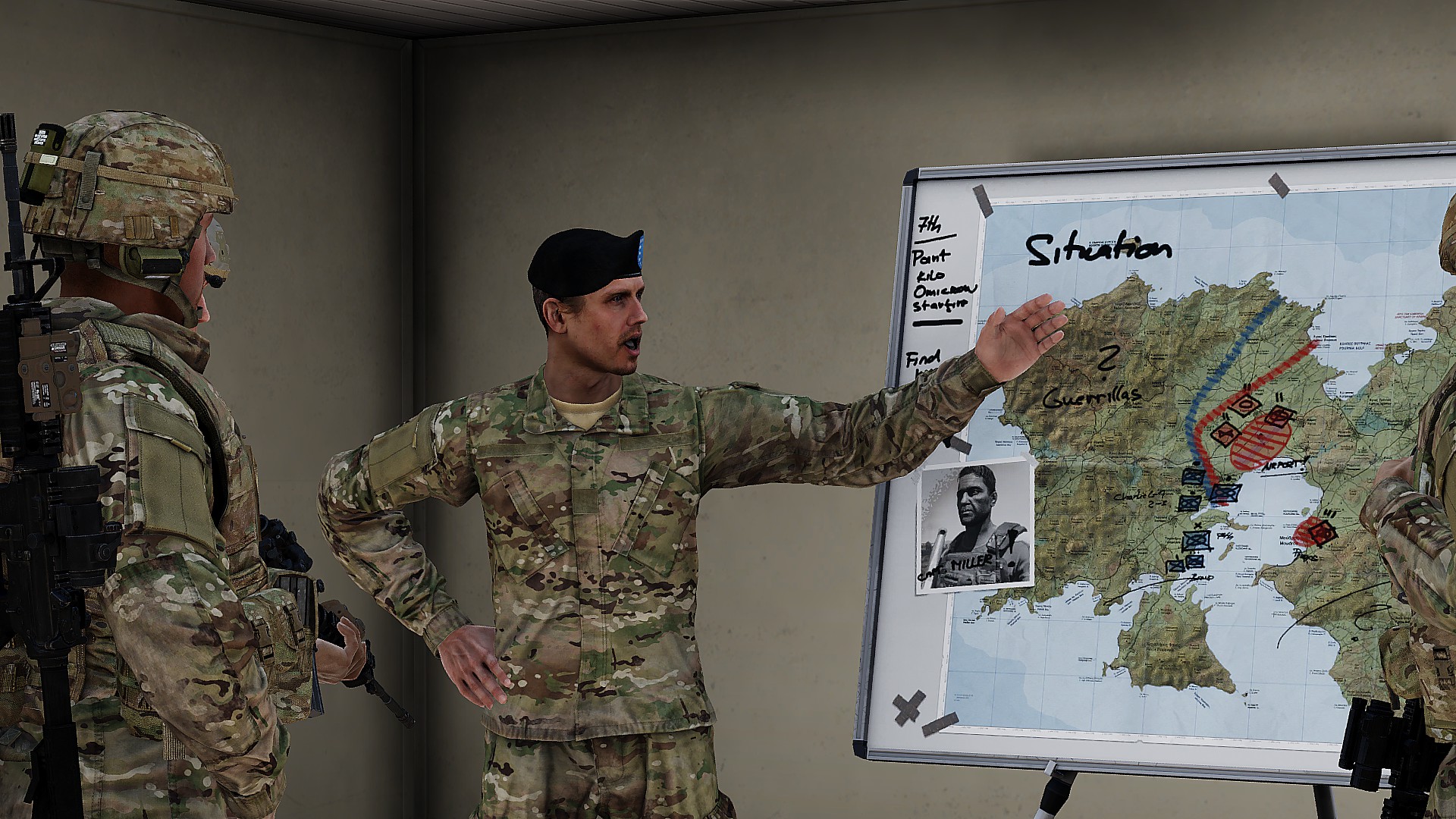
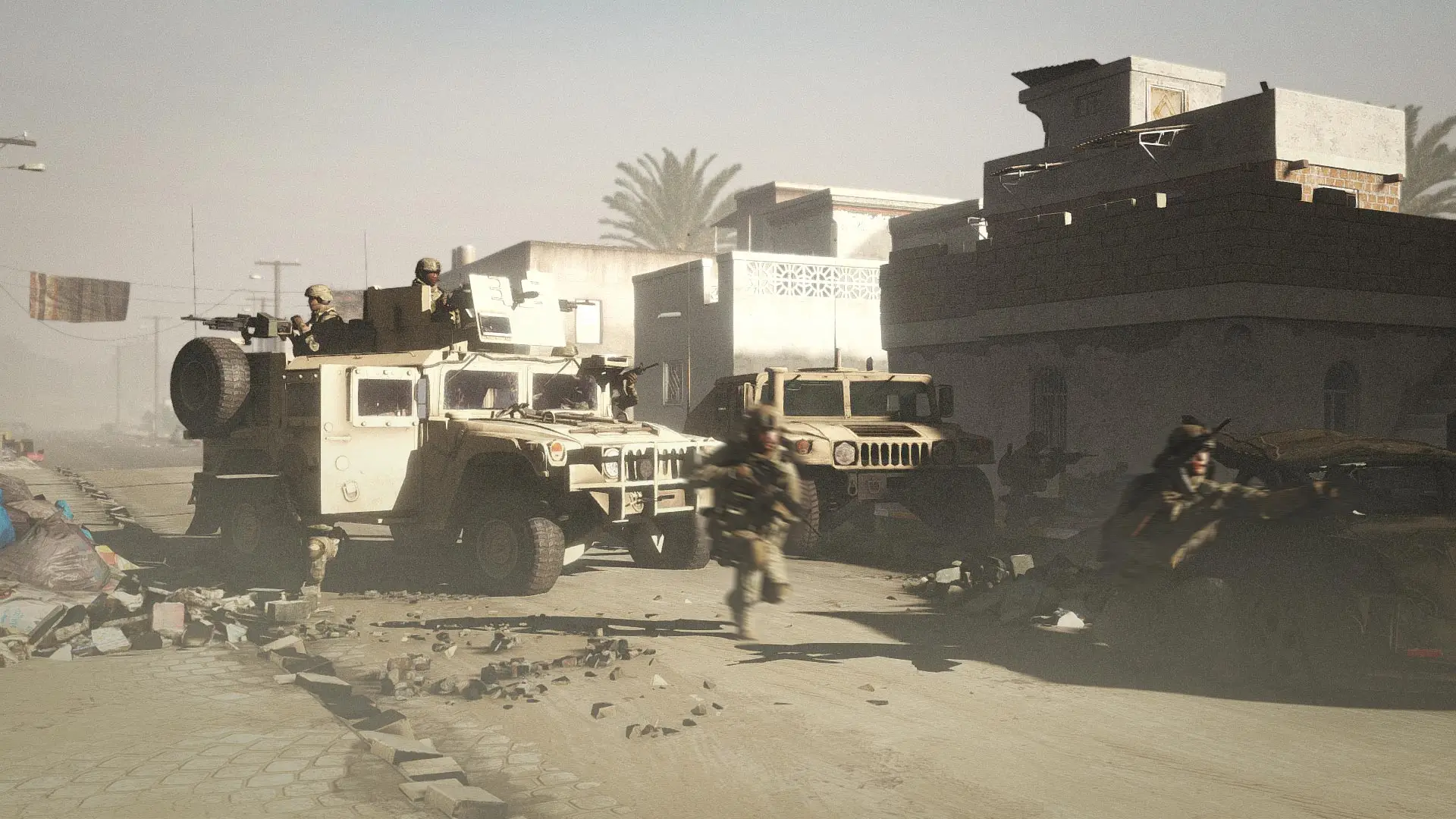
UNITAF members taking orders before an operation
Force Manual

The FM outlines our core skills, policies and guides to ensure every member stands ready for the mission ahead.

FM/G401 · Leadership of field elements

Commanding Through Subordinate Leaders

Passages
3
Reading time
1 min
Views
85
Owned by
Unit Command
Platforms
Every platform
Role cards
11 cards
Published
23 Sep 2026
On this page

Commanding Through Subordinate Leaders

Field Leaders should control the force through the leaders immediately below them.

This supports:

  • Subordinate initiative
  • Faster decisions at the point of contact
  • Clear responsibility
  • Reduced radio traffic
  • Greater command resilience
  • Effective control of larger formations

Field Leaders should provide tasks, purposes, priorities, restrictions and required outcomes. Subordinate leaders should determine the detailed method of execution unless coordination or safety requires closer control.
Synchronise Subordinate Elements

Coordinate subordinate elements so their actions produce the required combined effect.

  • Identify actions that depend on another element.
  • Establish timings, triggers and control measures.
  • Coordinate movement, fires and support.
  • Confirm subordinate leaders understand the sequence.
  • Monitor execution for delays or conflicts.
  • Adjust timings and tasks to maintain coordination.
  • Prevent elements from becoming isolated or mutually obstructive.

Coordinate Adjacent Elements

Coordinate elements operating alongside one another to prevent gaps and conflicting actions.

  • Identify shared boundaries, routes and objectives.
  • Exchange locations, tasks and movement intentions.
  • Establish coordination points and link-up procedures.
  • Deconflict fires and manoeuvre near boundaries.
  • Agree actions for gaps, overlaps or unexpected contact.
  • Maintain communication during mutually dependent actions.
  • Report changes affecting adjacent elements.

On role cards

Next in Leadership of field elements

FM/G403 Field Leadership Continuity