UNITAF Future
UNITAF

Caution

This site is a work in progress

This site is finished to different degrees. Feedback is welcome. Please bear in mind that most of what you see, if not everything, is still a work in progress.

Data from the live site is synced here every hour. Anything you do on this site stays here. It is not copied back to the live site until we switch over.

Discord and permissions are linked. Be careful with admin actions. Some of them also change Discord.

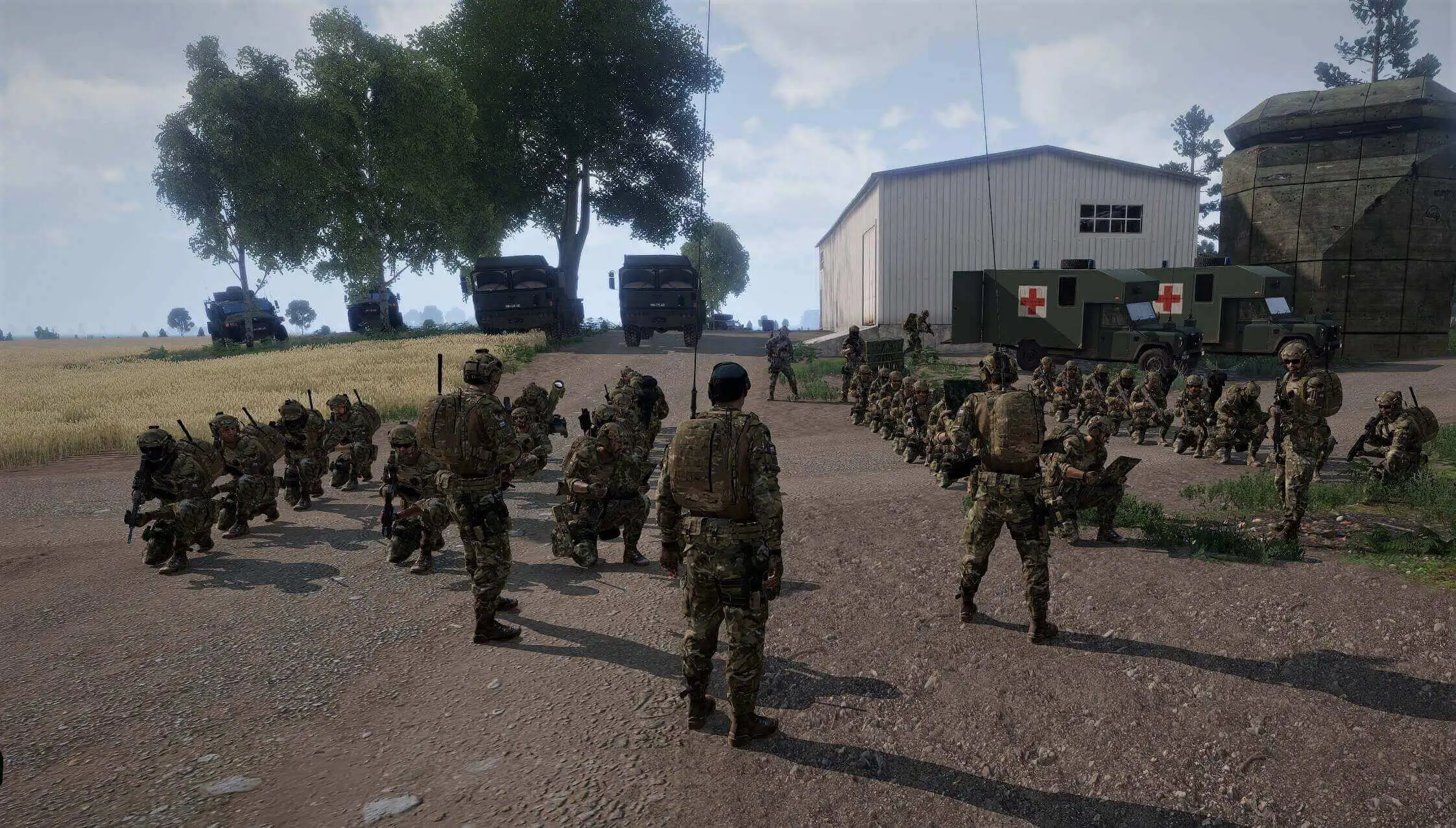
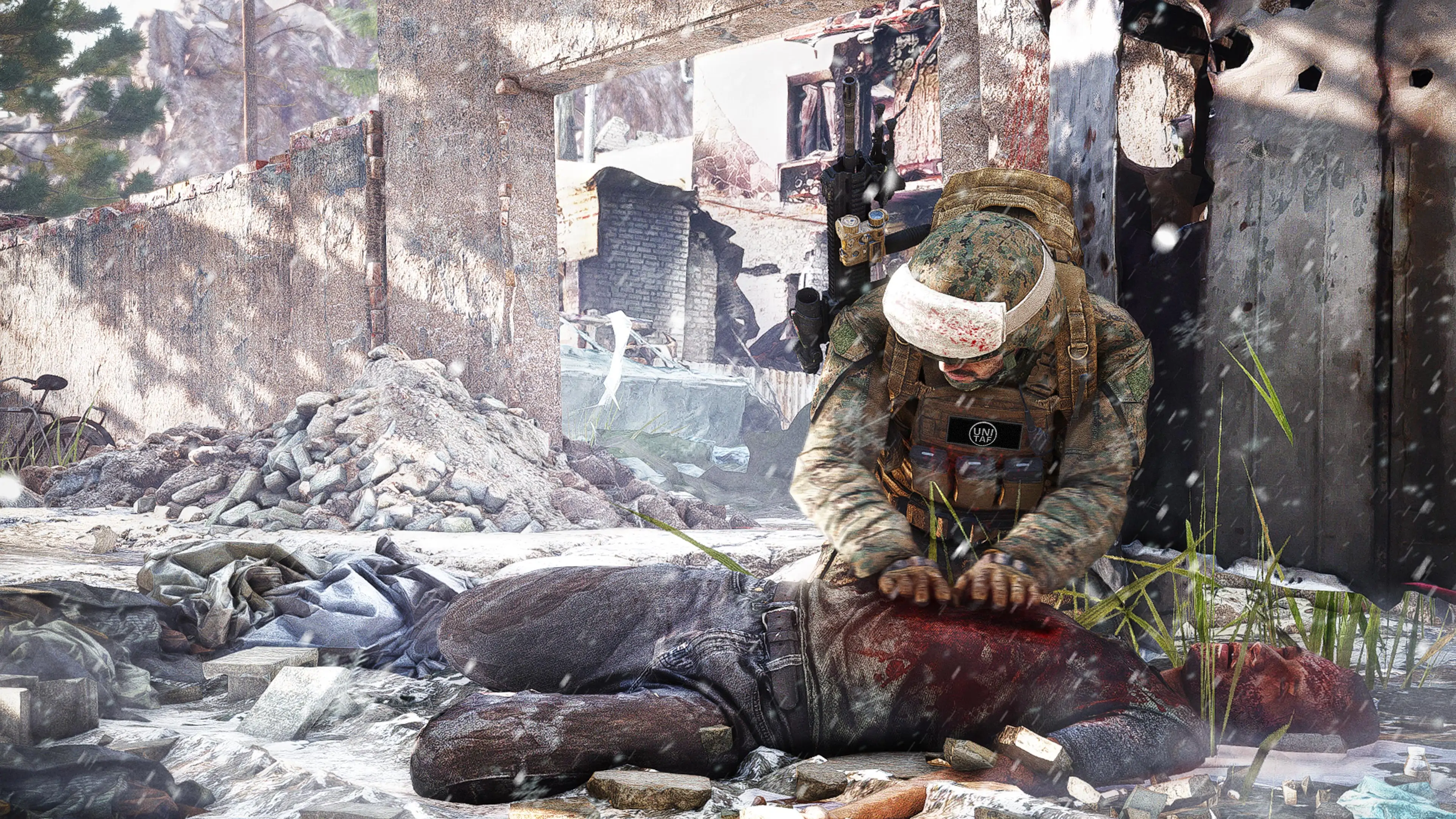
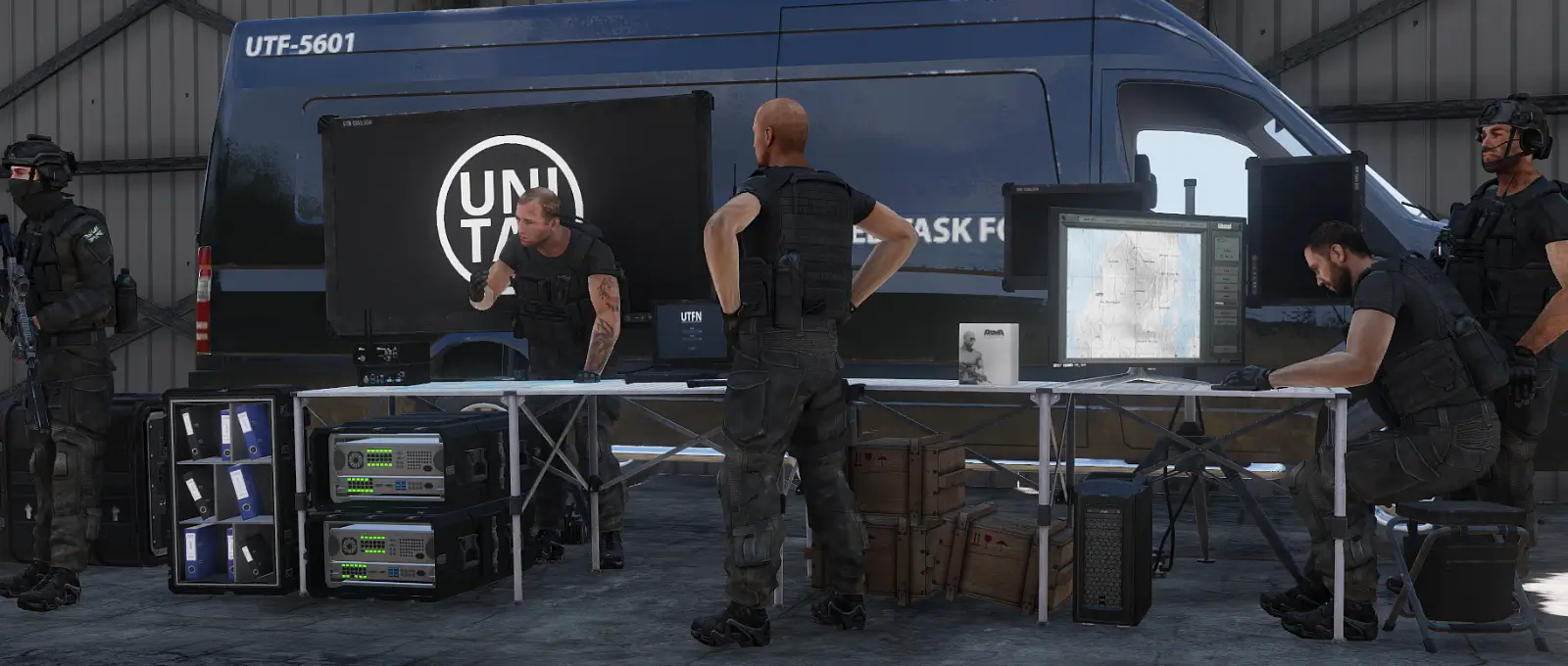
UNITAF members taking orders before an operation
Force Manual

The FM outlines our core skills, policies and guides to ensure every member stands ready for the mission ahead.

FM/G71 · Engaging the enemy

Rules of engagement

Passages
5
Reading time
1 min
Views
116
Owned by
Unit Command
Platforms
Every platform
Role cards
109 cards
Published
23 Sep 2026
On this page

Understanding rules of engagement (ROE)

Rules of engagement (ROE) are directives that dictate how and when military forces can engage in combat. ROE outline conditions for using force, including target identification, self-defence, and proportionality. They are designed to ensure lawful and ethical conduct in military operations, and vary depending on the mission and environment. ROE always take precedence in operational decisions.
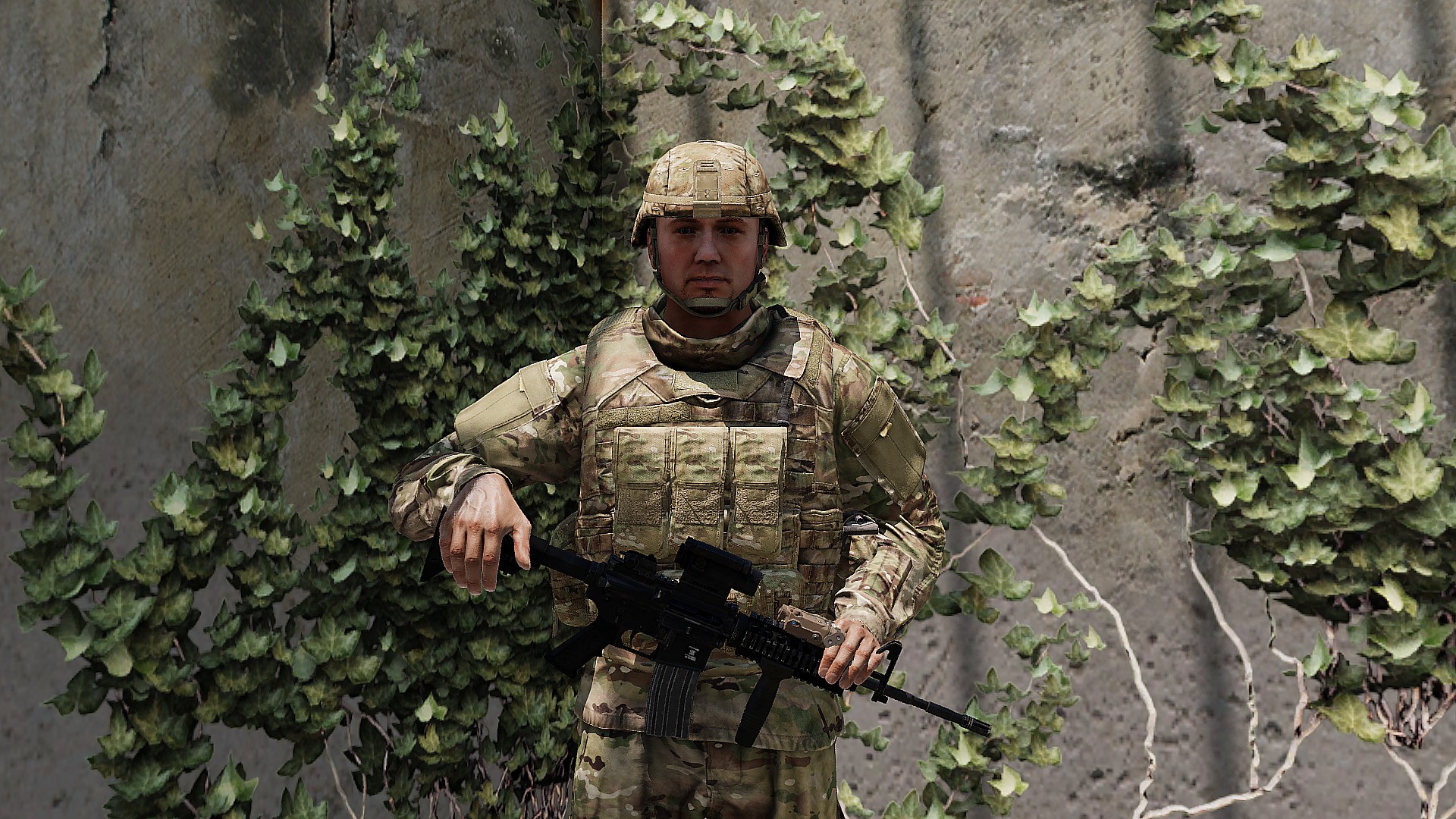
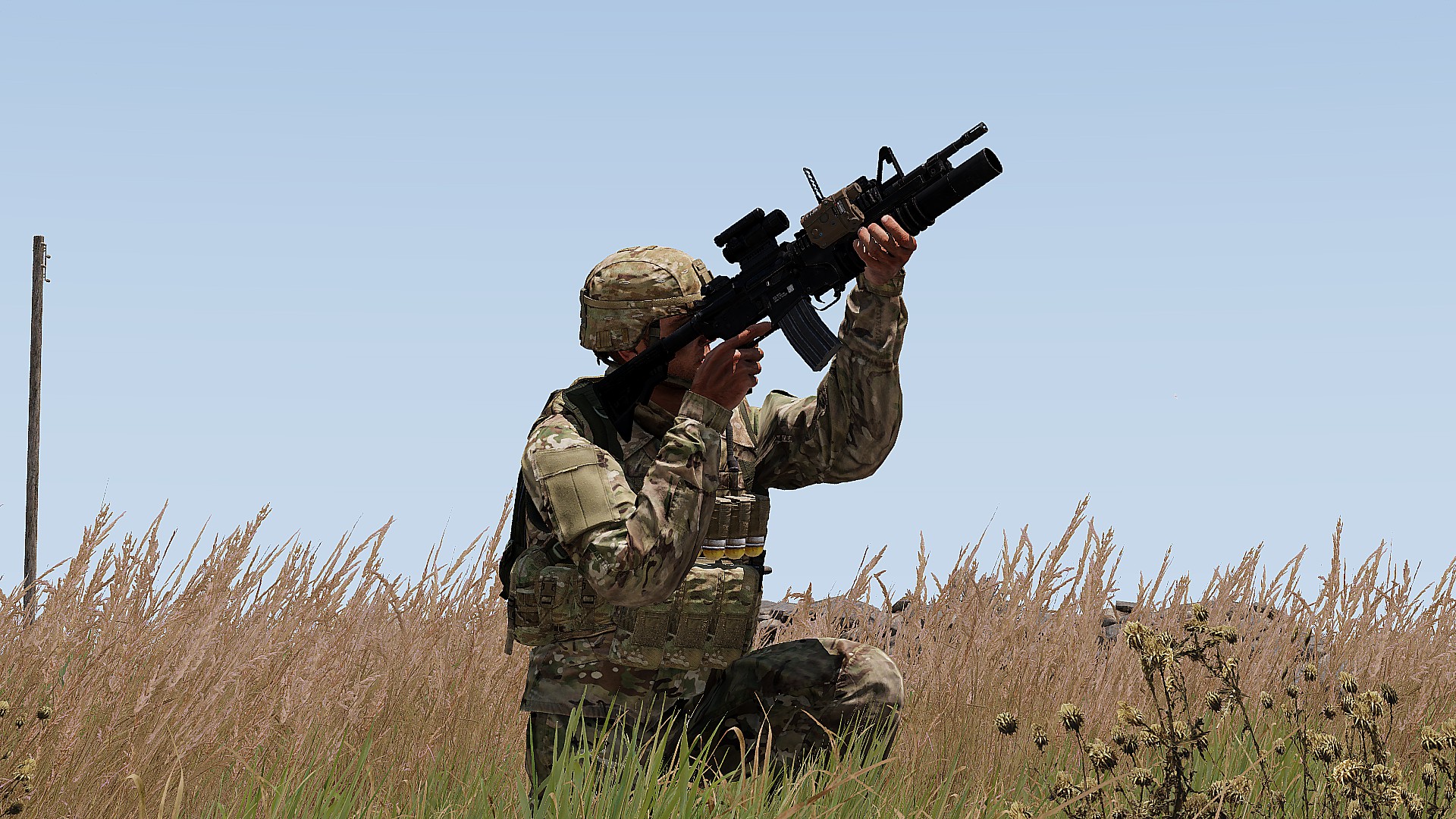
Identify legitimate targets

Identify targets as legitimate targets before engagement. This is crucial to prevent harm to civilians and ensure adherence to the principles of distinction and proportionality in combat.

Combatants: Individuals who are actively engaged in hostilities or are members of armed forces.

  • Enemy soldiers in uniform not surrendering or wounded
  • Armed militants
  • Persons directly participating in hostilities
  • A person posing an immediate threat (e.g., aiming a weapon) can be considered a combatant
  • Parachuting active airborne infantry

Non-Combatants: Individuals who are not actively participating in hostilities. These are not legitimate targets.

  • Civilians not taking direct part in hostilities
  • Unarmed medical and religious personnel
  • Wounded/surrendering soldiers who are not participating combat in any way, and prisoners of war
  • Parachuting crew from a downed aircraft

Minimize collateral damage against civilian infrastructure

Do not cause damage to civilian infrastructure, unless necessary to archieve a military purpose. In general, preserving life should be prioritised over the avoidance of damage, but the destruction must be proportional to the purpose.

Examples:

  • Acceptable situations:
    • Using explosives on a civilian house used as a military HQ
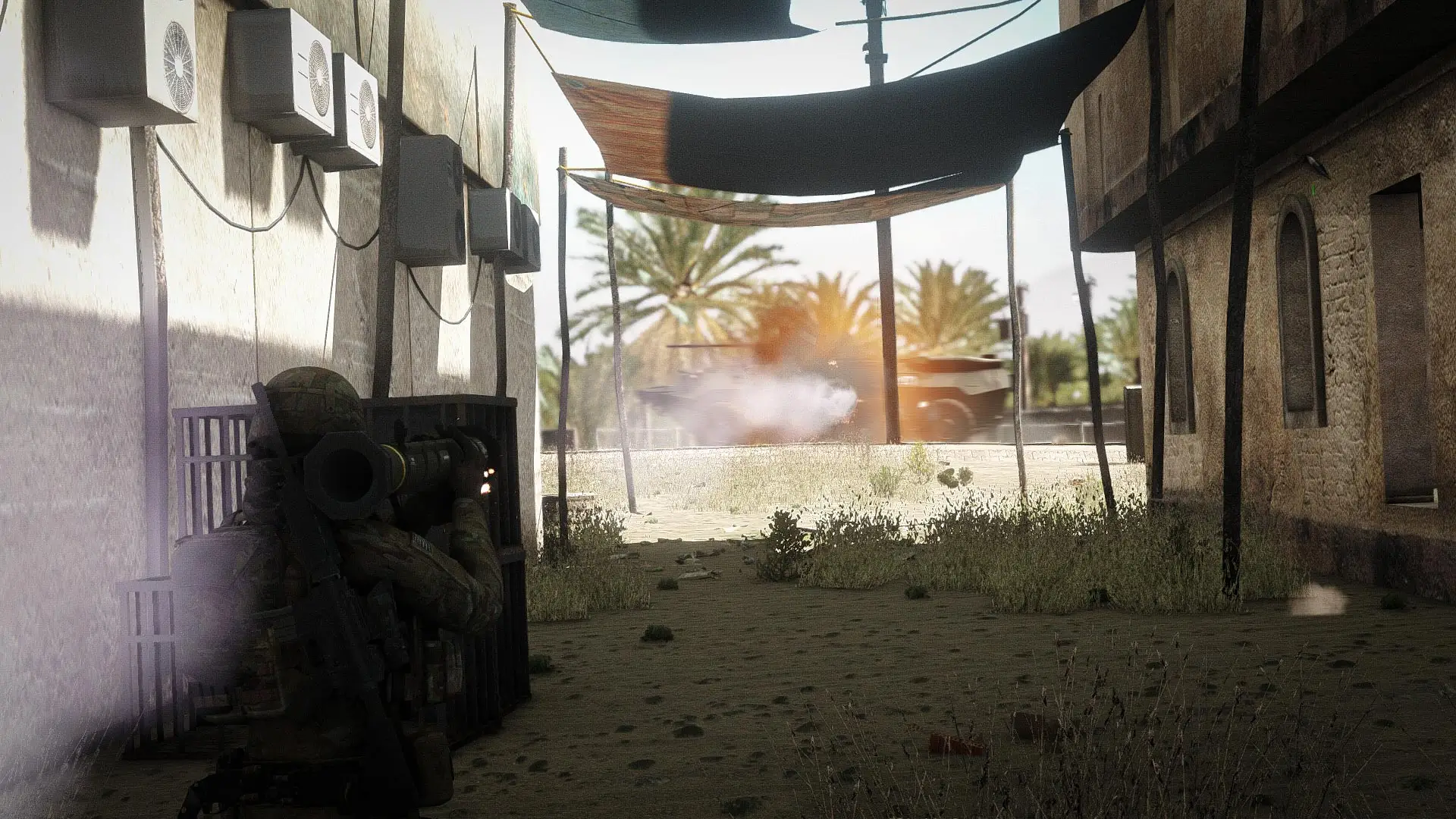
    • Dropping a bomb on an actively engaging enemy tank next to a house
  • Unacceptable situations:
    • Cluster-bombing an enemy-held town
    • Destroying a house to take out a single shooter

On role cards

On 109 role cards in 16 combat areas.

Named on

The other 100 roles read it through these cards.

By combat area

Next in Engaging the enemy

FM/G274 Captured Persons (CPERS)