UNITAF Future
UNITAF

Caution

This site is a work in progress

This site is finished to different degrees. Feedback is welcome. Please bear in mind that most of what you see, if not everything, is still a work in progress.

Data from the live site is synced here every hour. Anything you do on this site stays here. It is not copied back to the live site until we switch over.

Discord and permissions are linked. Be careful with admin actions. Some of them also change Discord.

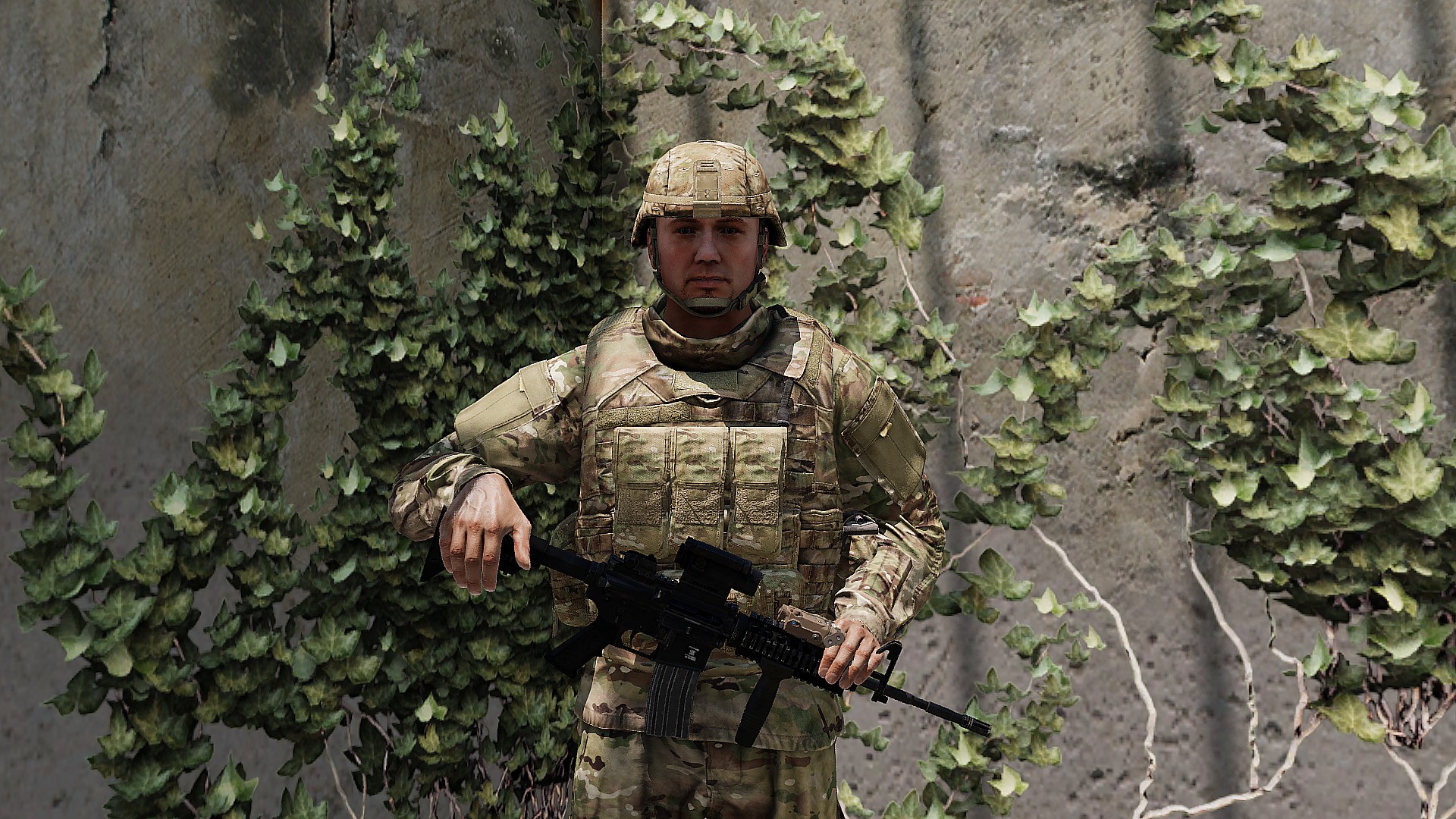
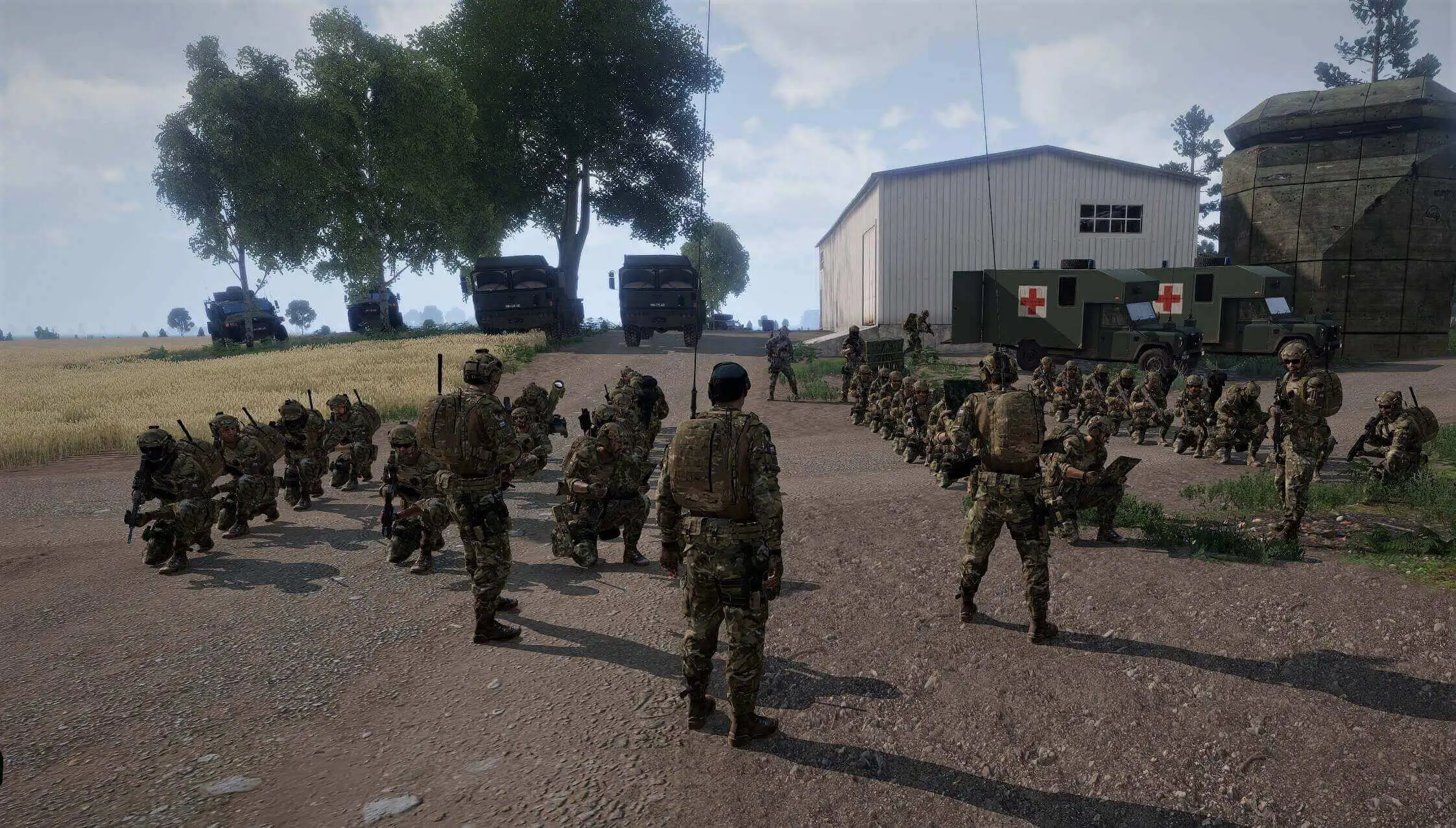
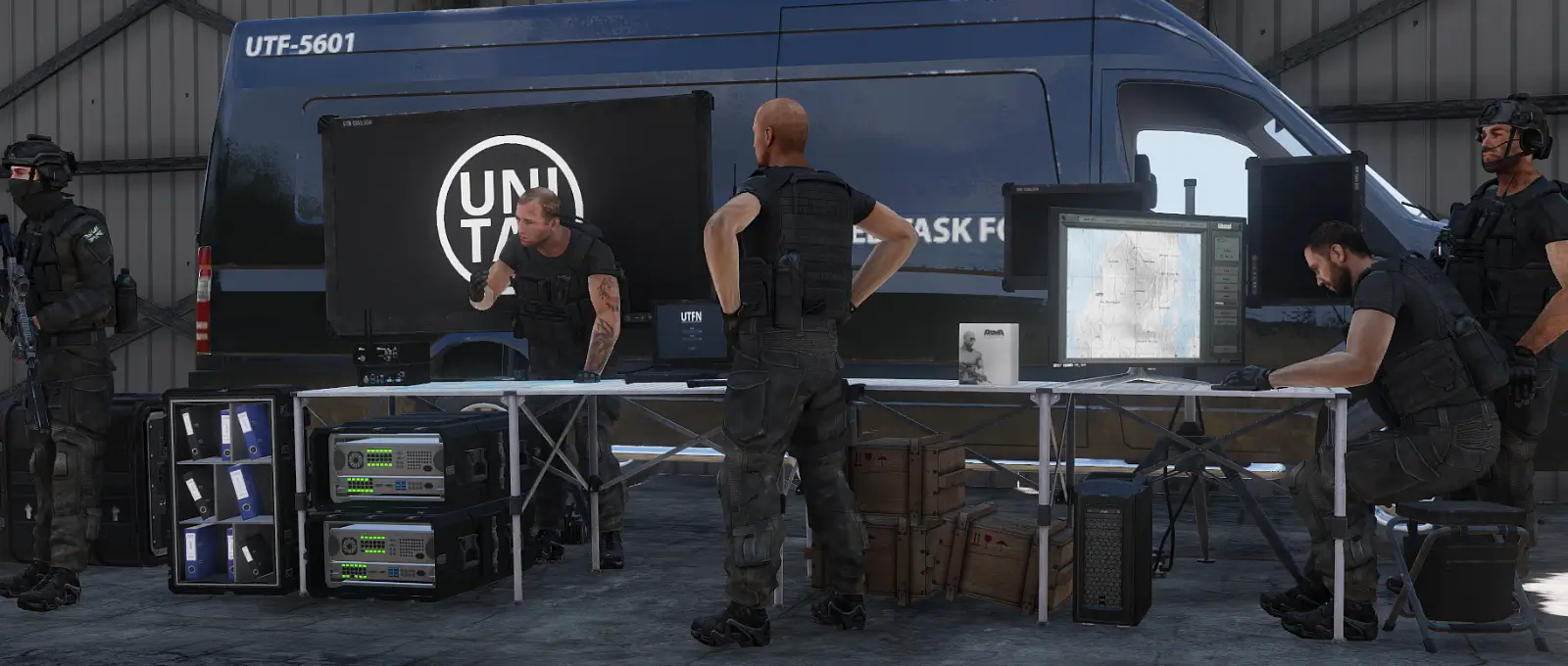
UNITAF members taking orders before an operation
Force Manual

The FM outlines our core skills, policies and guides to ensure every member stands ready for the mission ahead.

FM/G88 · First aid

Dealing with obstructed or occluded airways

Passages
8
Reading time
2 mins
Views
66
Owned by
Unit Command
Platforms
Every platform
Role cards
102 cards
Published
23 Sep 2026
On this page

Understanding airways

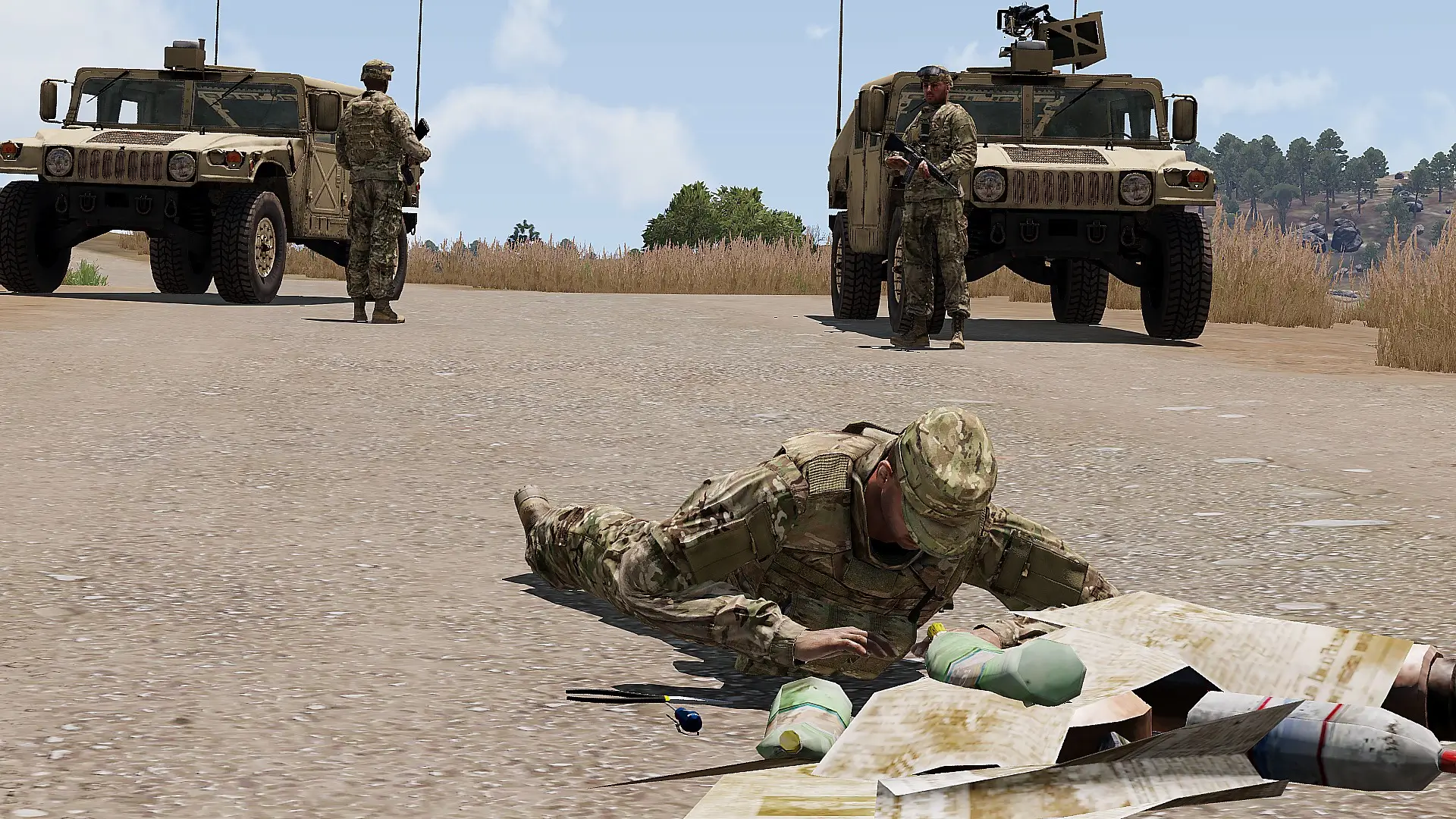
Airways can become blocked when a casualty is unconscious, when rendering first aid the airway should be checked to see if it is blocked or occluded if this is not treated, then it will result in death of the casualty.

Airways can be cleared by turning or hyperextending the head or by using other advanced medical equipment. Once clear, a patient can be placed in the recovery position.
Assess the airway

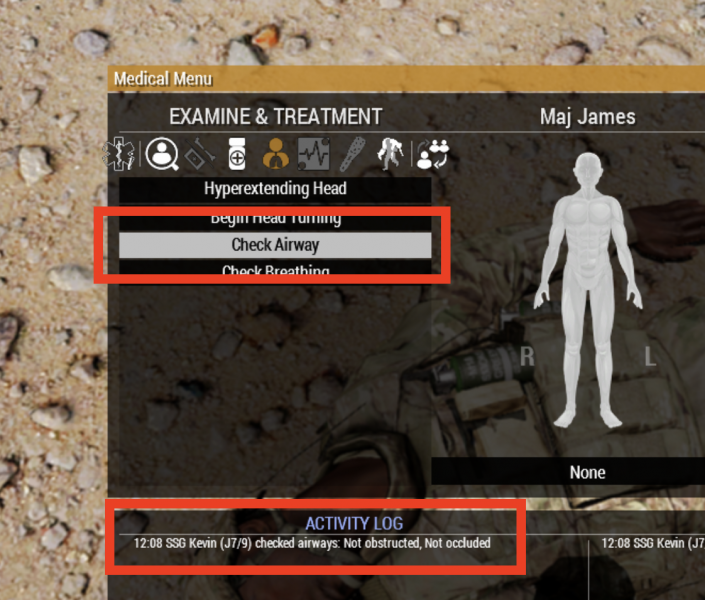
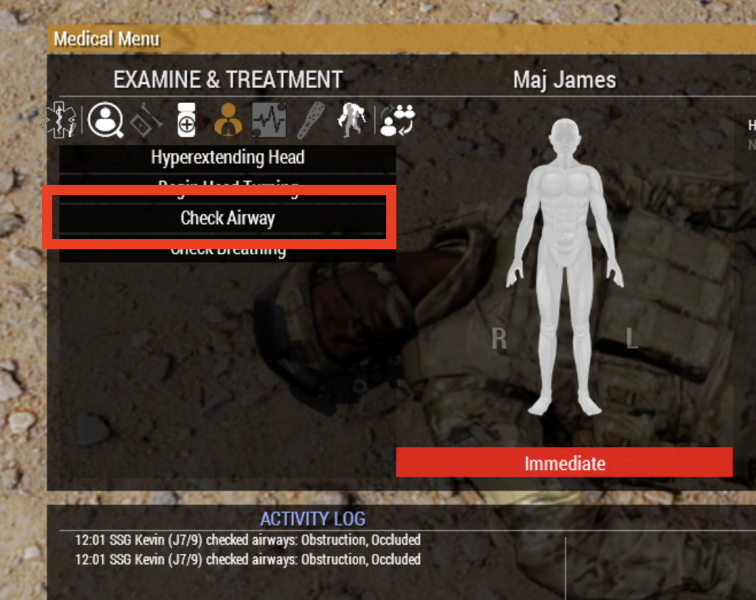
Assess the airway with “check airways” and categorize as one of the following states:

  • Clear
  • Occluded
  • Obstructed
The location of the "Check Airway" action and the result as seen in the activity log

Turn the head to clear an occluded airway

Turn the patient's head to clear the occluded airway of the patient if an Accuvac is not available.

Action as seen in the medical menu

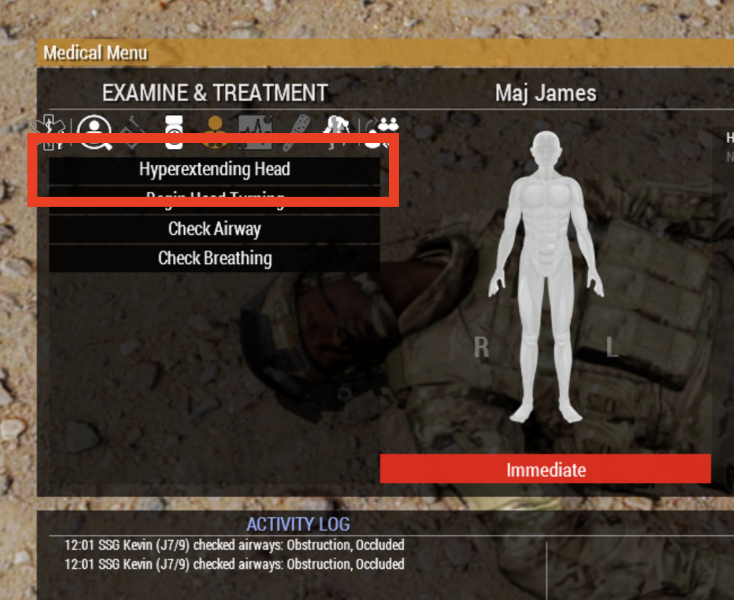
Hyperextend the head to clear an obstructed airway

Hyperextend the patient's head to clear the obstructed airway of the patient, and stay within 2m of the patient during the process.

Action as seen in the medical menu

Put the patient in the recovery position to keep the airway clear

Place the patient into a recovery position to keep the airway clear, if they:

  • are stable
  • do not need to be moved

Clear an airway occlusion using a suction pump

  • Assess the patient for an airway occlusion.
  • Use a suction pump to remove the obstruction from the airway.
  • Confirm the airway has been cleared.
  • Verify successful treatment by reading the in-game hint.
  • Continue with further casualty treatment as required.

Recognising cyanosis

Cyanosis provides a visual indication of reduced blood oxygen saturation (SpO₂) and can be used to estimate oxygen levels when monitoring equipment is unavailable.

Cyanosis Indicators

  • No Cyanosis – Approximately 100% SpO₂
  • Slight Cyanosis – Below 90% SpO₂
  • Mild Cyanosis – Below 70% SpO₂
  • Severe Cyanosis – Below 50% SpO₂

Treatment Considerations

  • Mild cyanosis indicates significantly reduced oxygen saturation and should prompt assessment of airway and breathing conditions.
  • Priority should be given to restoring and maintaining a clear airway.
  • Severe cyanosis indicates critically low oxygen saturation and an immediate risk to life.
  • Immediate intervention is required to restore oxygenation and prevent death.

Assess cyanosis in a patient

  • Inspect the patient for signs of cyanosis.
  • Identify the level of cyanosis present:
    • No Cyanosis
    • Slight Cyanosis
    • Mild Cyanosis
    • Severe Cyanosis
  • Estimate the patient's oxygen saturation based on the observed cyanosis.
  • Determine the urgency of intervention based on the severity of cyanosis.
  • Prioritise airway assessment and treatment when mild or severe cyanosis is present.
  • Escalate treatment urgency as cyanosis severity increases.

On role cards

On 102 role cards in 15 combat areas.

Named on

The other 98 roles read it through these cards.

By combat area

Next in First aid

FM/G89 Dealing with pain