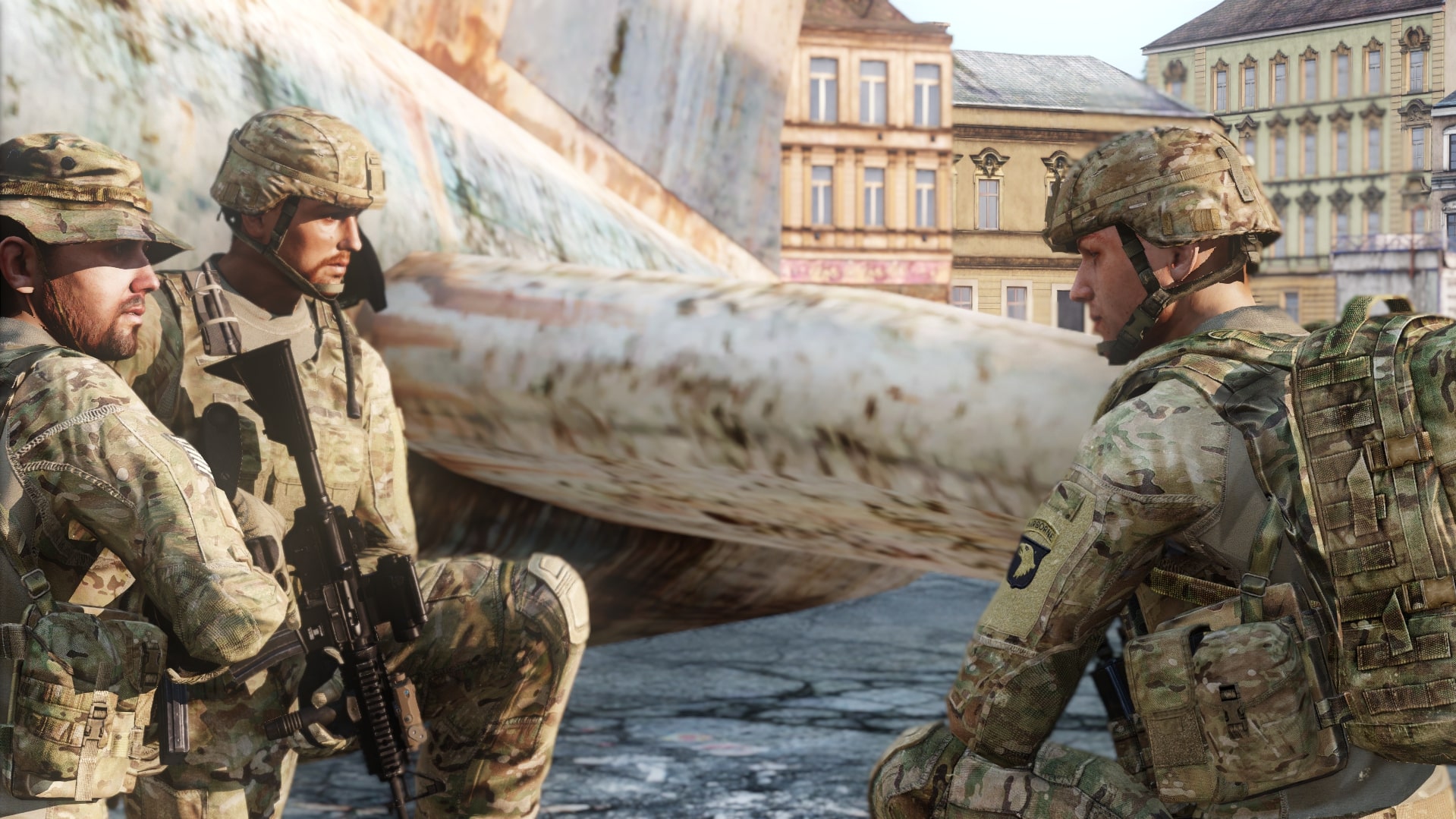
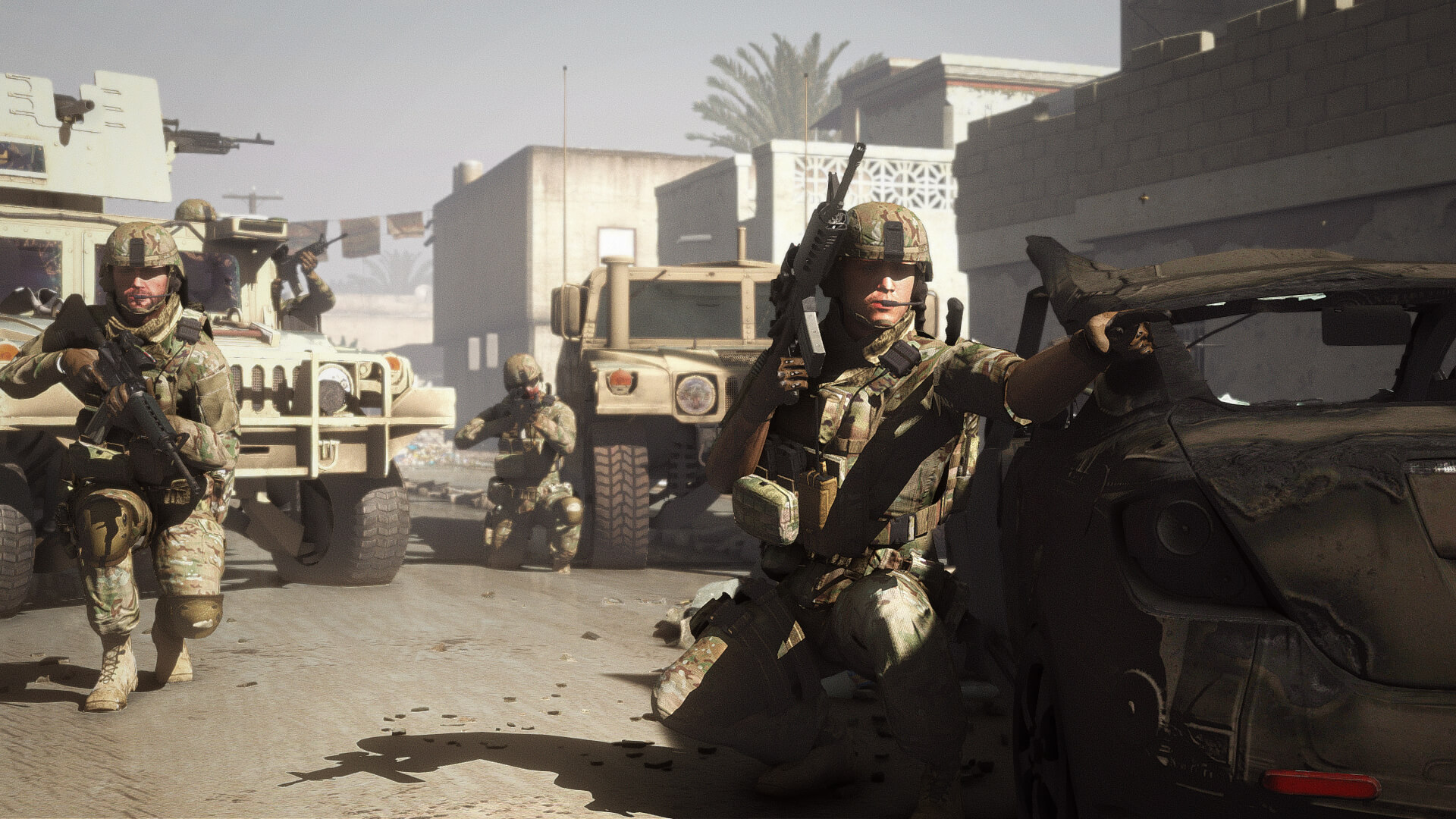
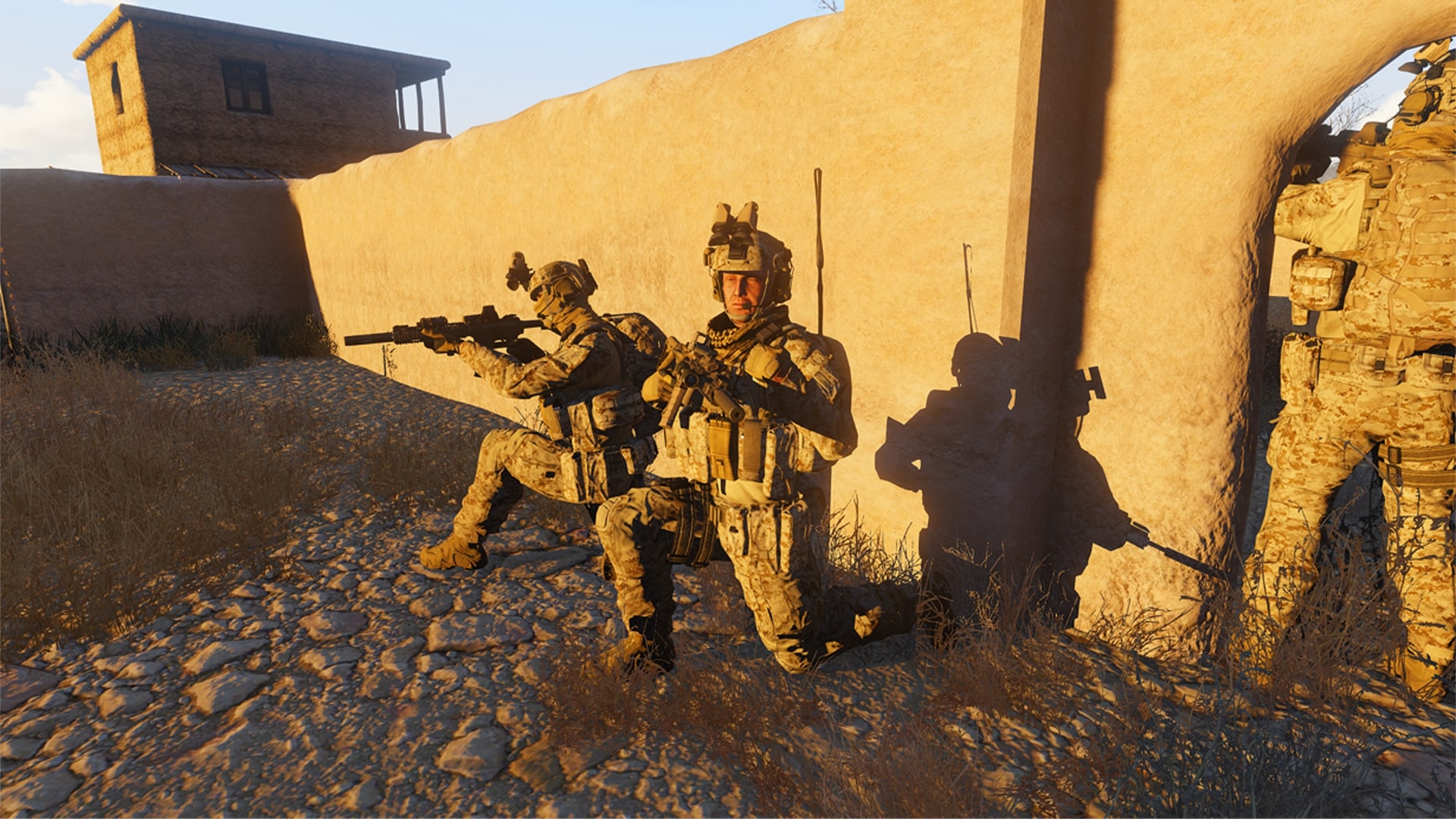
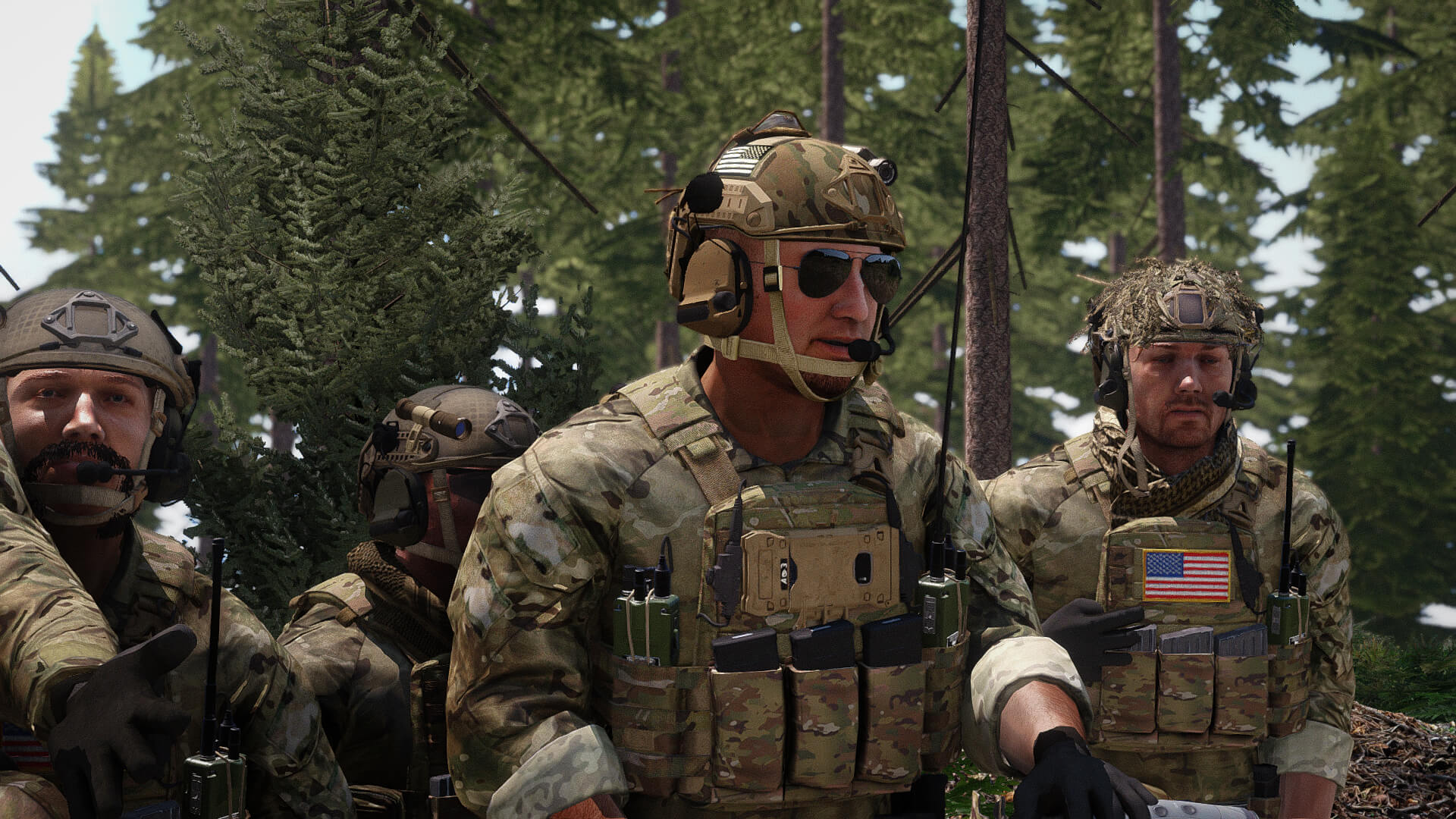
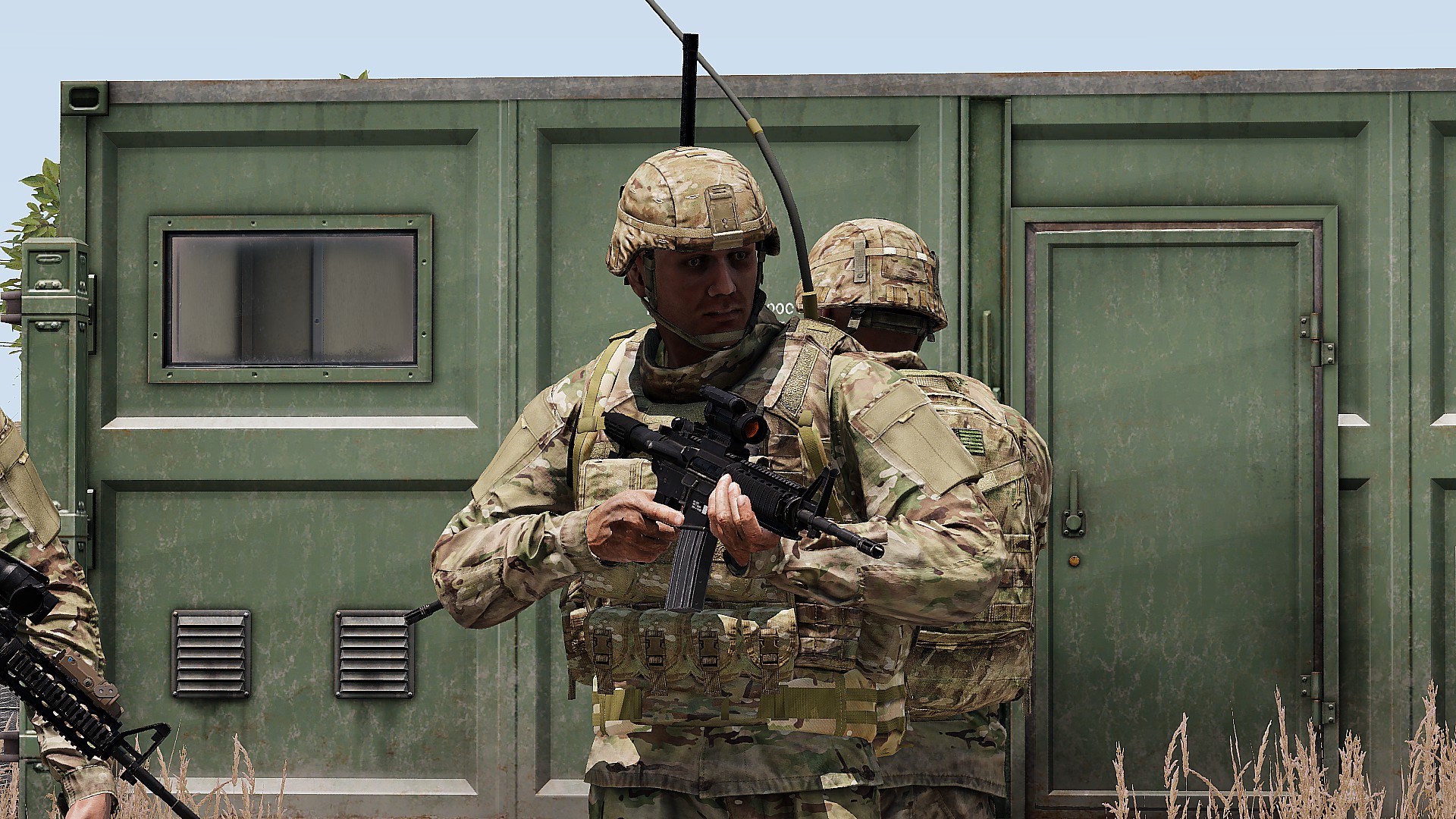
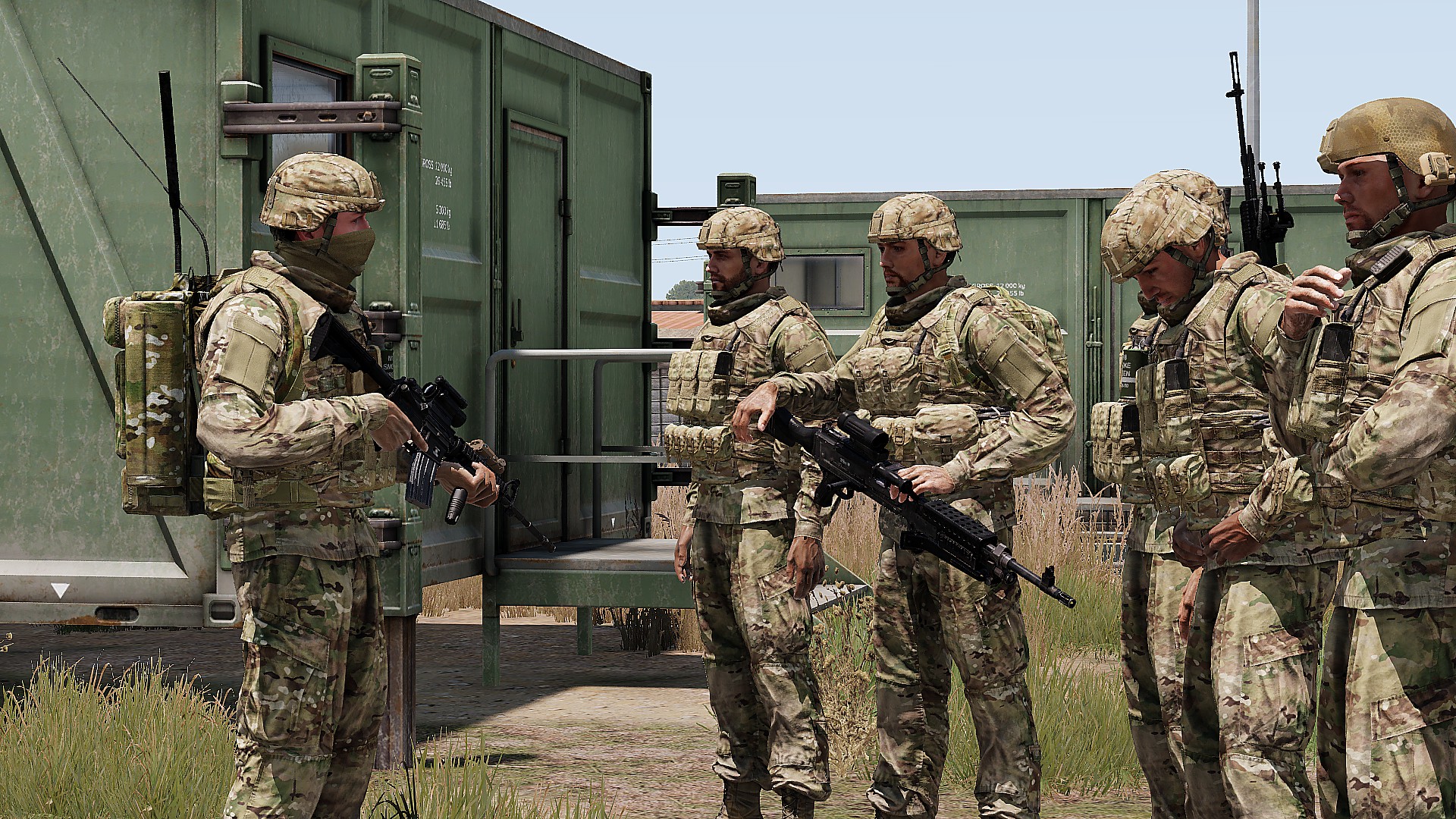
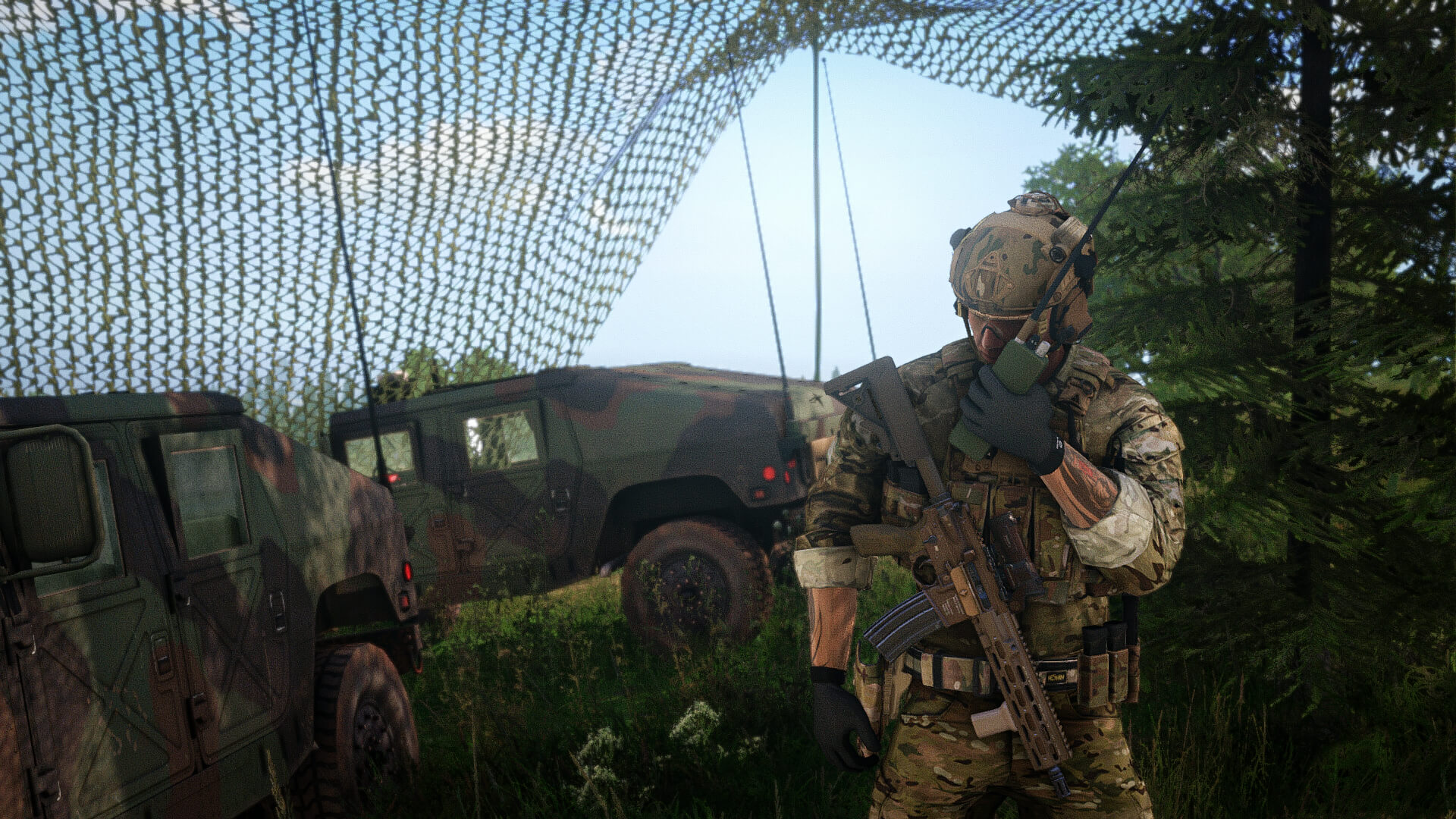
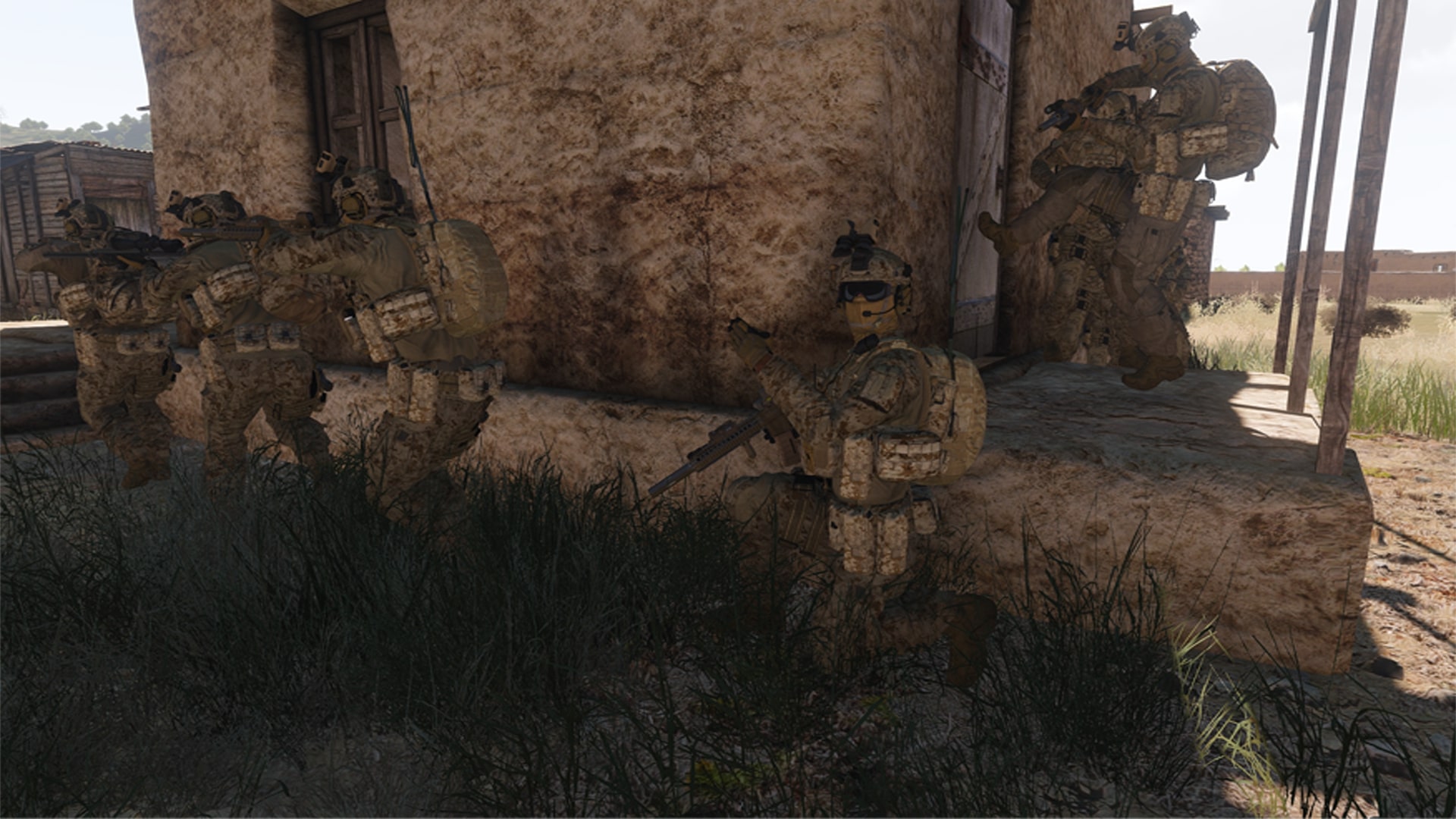
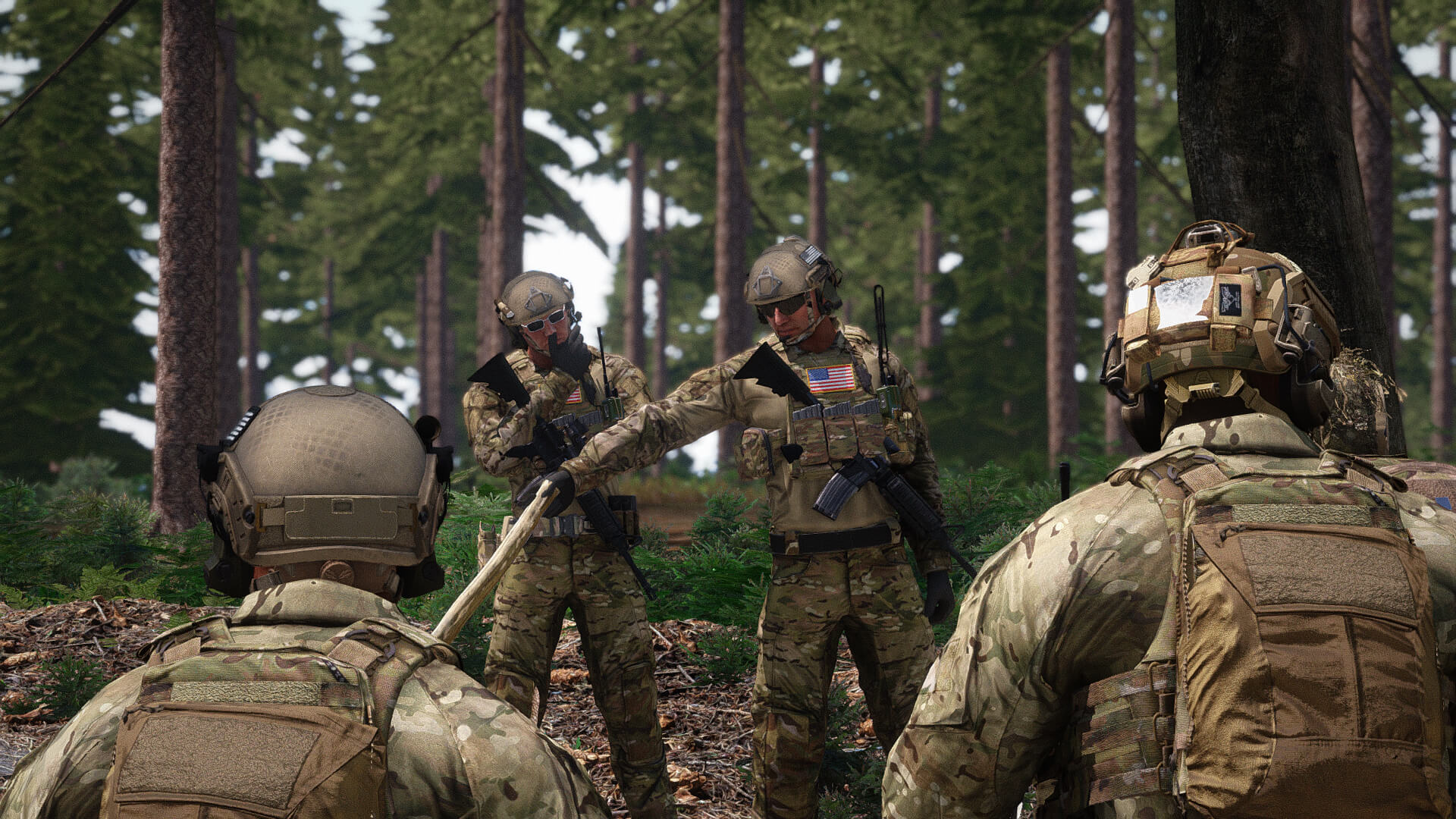
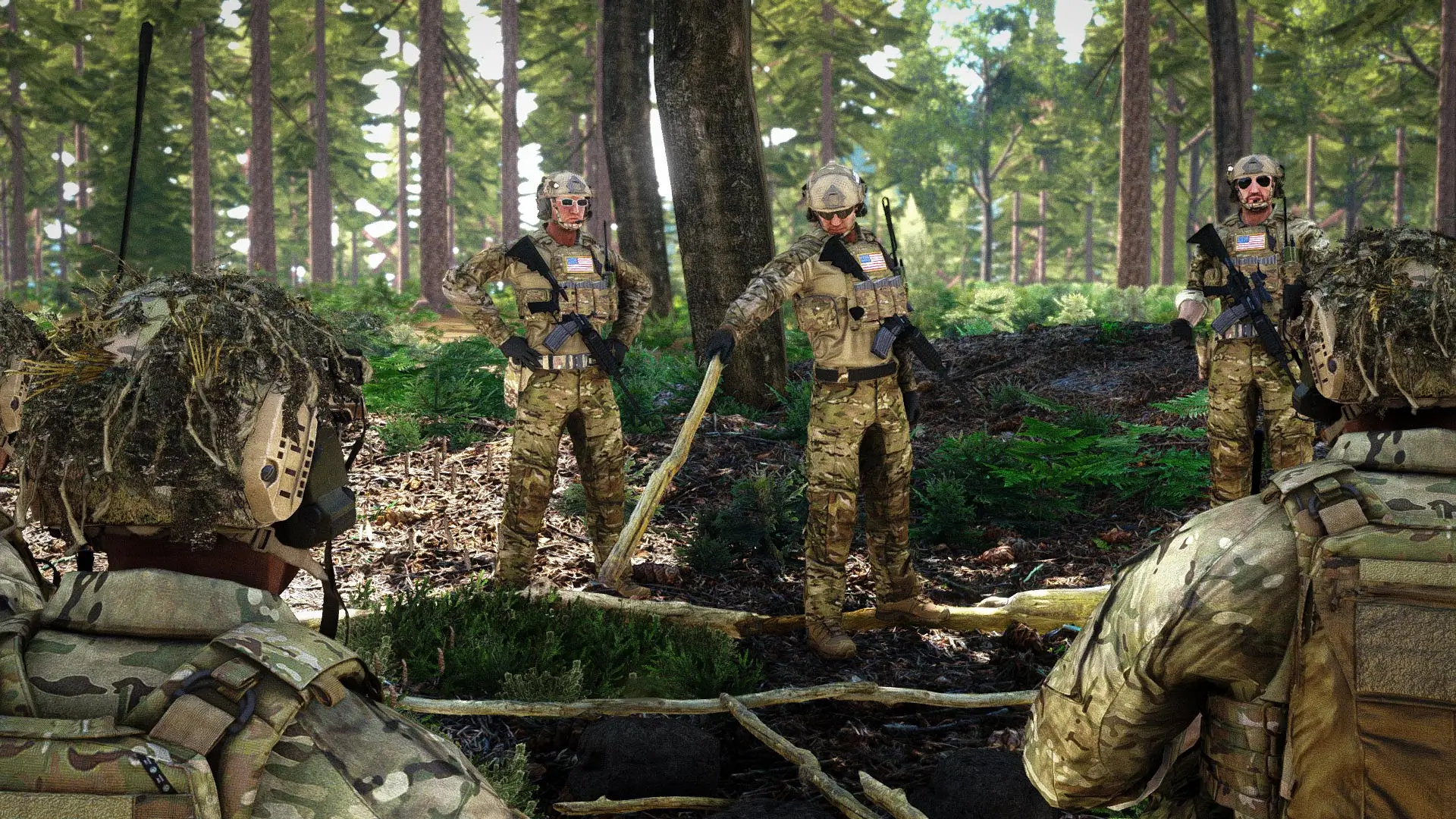
The purpose of Reconnaissance
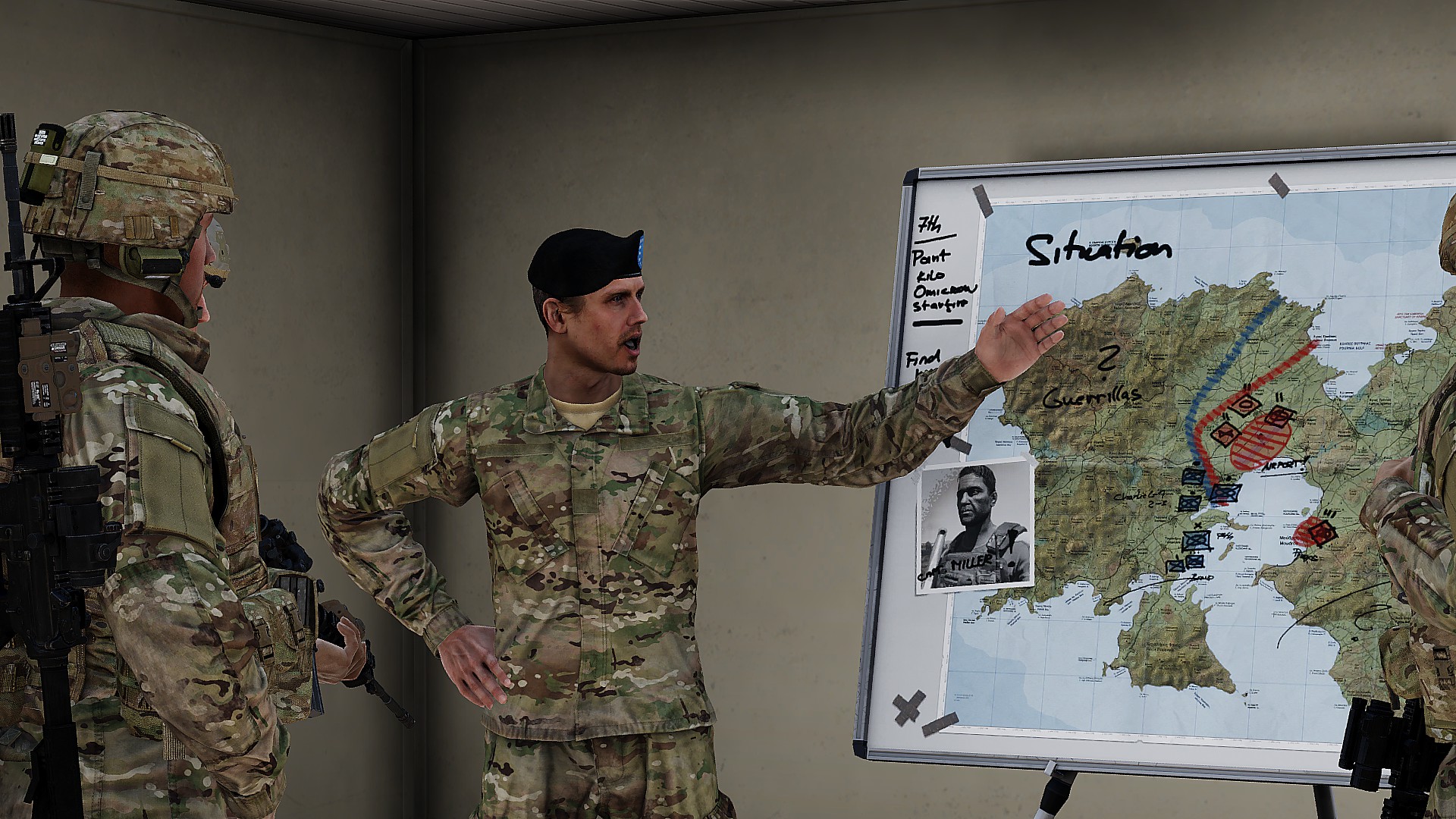
Reconnaissance units are tasked with finding, assessing, and reporting information ahead of a force to enable informed command decisions. Reconnaissance is a continuous activity that requires adaptability as conditions change.
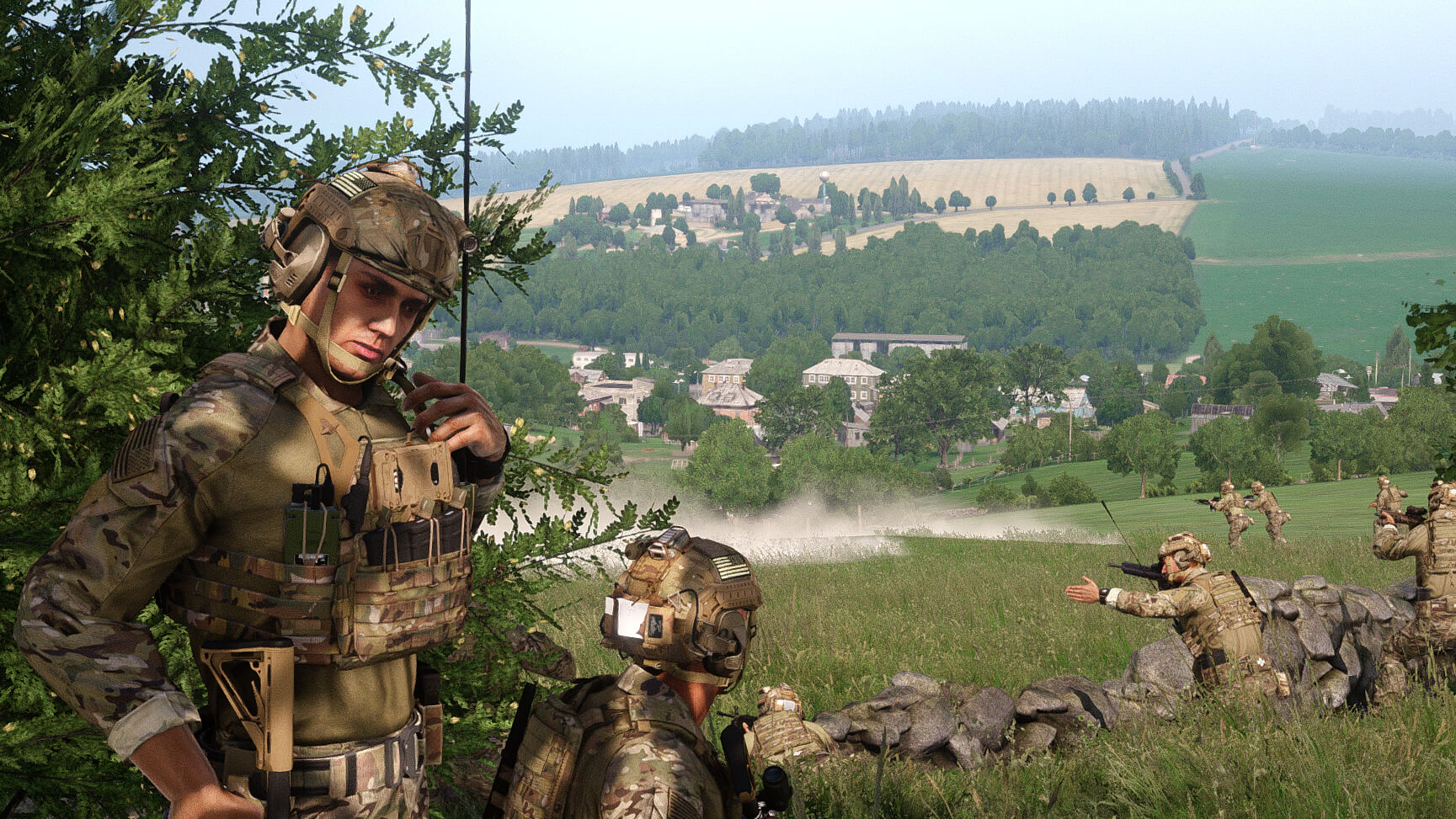
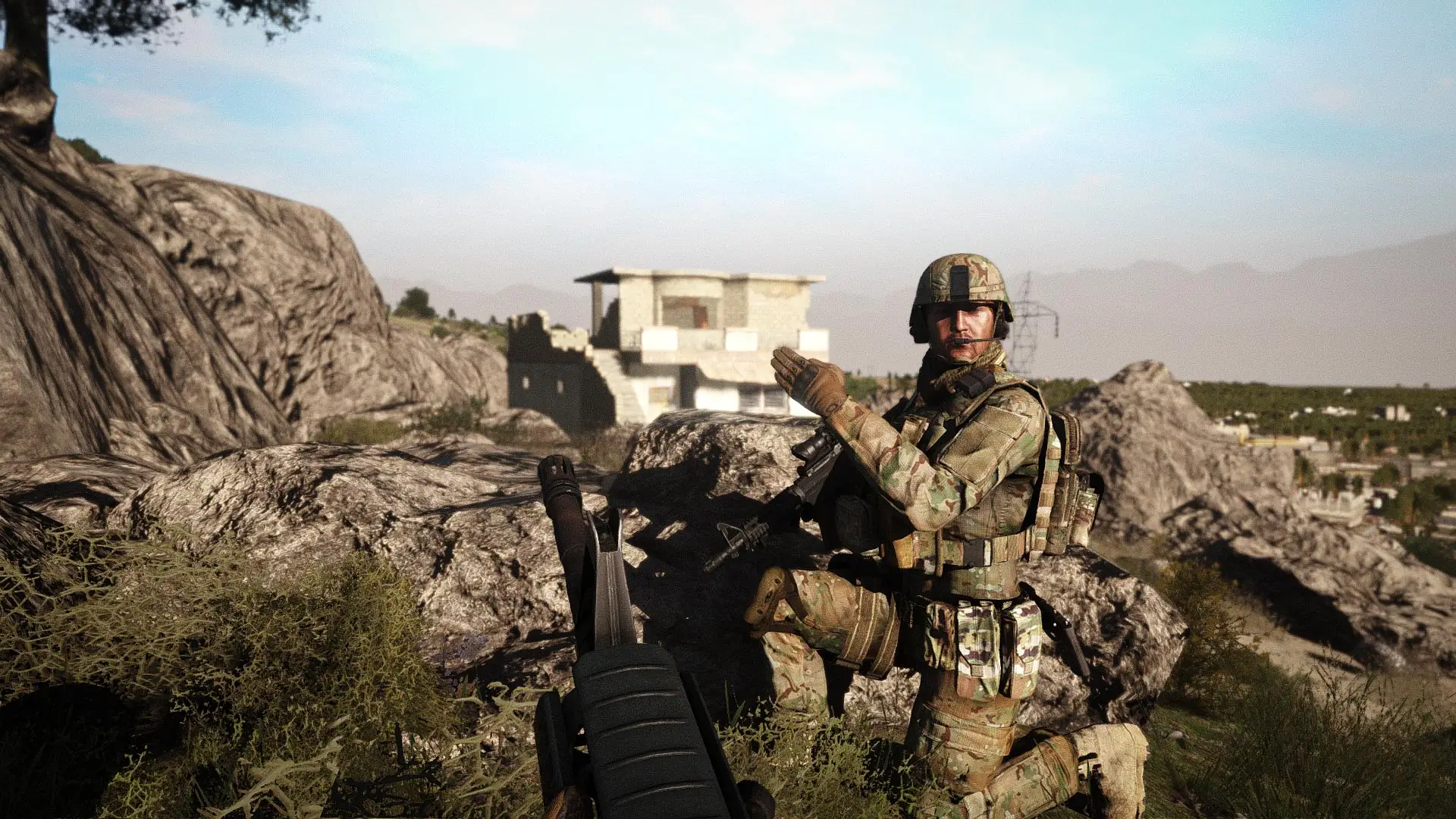
Although reconnaissance units are combat-capable, they are lightly equipped and operate ahead of the main force, often without support. Their effectiveness depends on remaining undetected. Reconnaissance elements avoid exposed, obvious, or dominant terrain and do not occupy positions where they can be easily observed, fixed, or engaged.
Reconnaissance units disengage from contact whenever possible and prioritise reporting over fighting. Engagements are only conducted when a limited raid or attack is necessary and achievable without compromising the mission.
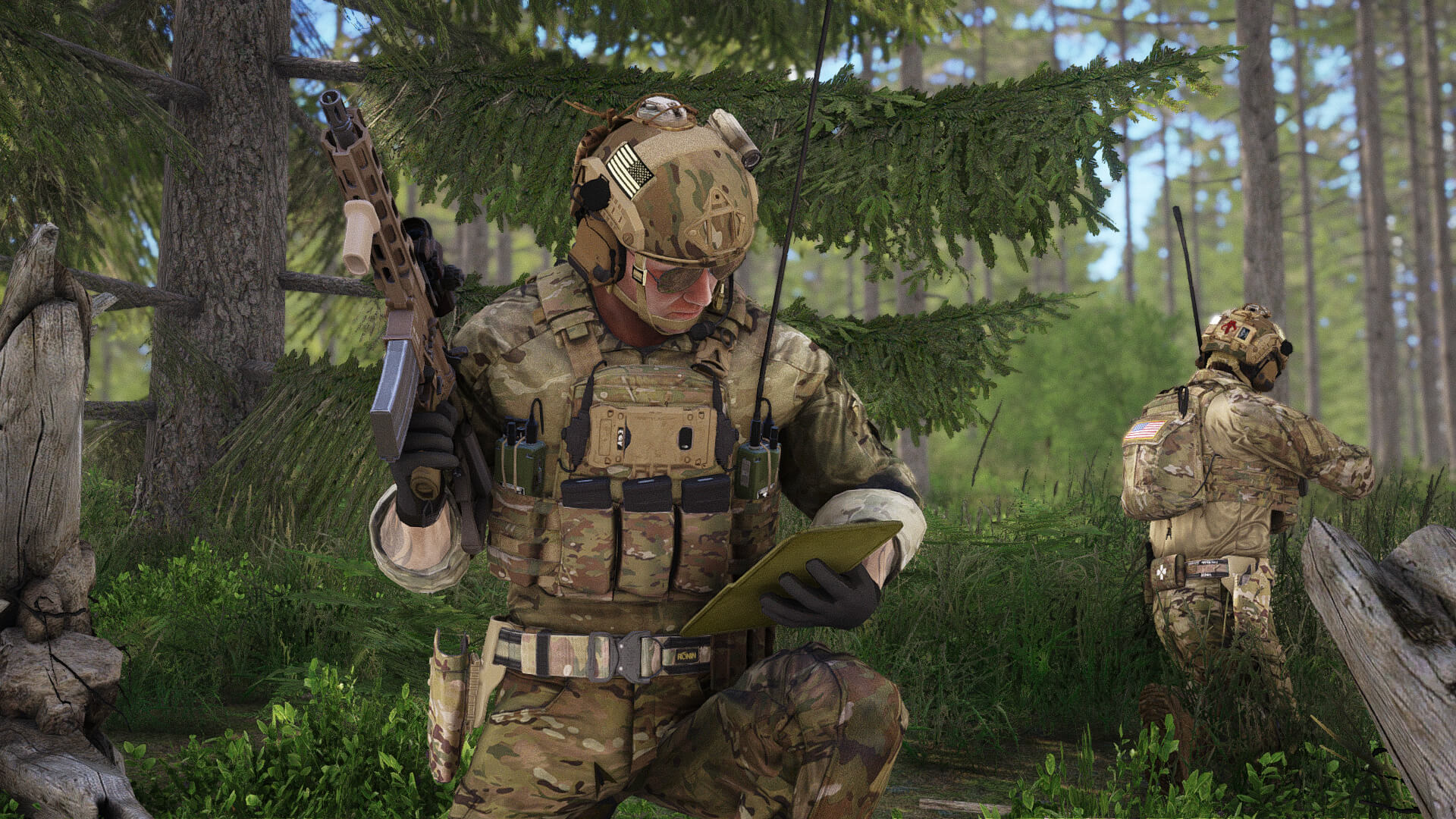
The primary value of reconnaissance lies in the recommendations derived from collected information. All team members contribute observations, while the Field Leader makes the final assessment. These recommendations inform planning and decision-making rather than directing action.