


The FM outlines our core skills, policies and guides to ensure every member stands ready for the mission ahead.
FM/BG-1499 · v1.01
Close target reconnaissance
- Code
- FM/BG-1499
- Kind
- Guide
- Version
- v1.01 8mos ago
- Views
- 197
- Platforms
- As its document
- Published by
- Cpl Ross 4 Feb 2026
- Last material change
- v1.00 Initial Version
0 words added, 53 words removed.
v1.00
Close Target Reconnaissance is conducted to confirm detailed information on a specific enemy position or objective in support of an imminent operation. It provides intelligence that cannot be obtained through standoff observation.
CTR is conducted in close proximity to the enemy and carries a higher risk of detection. Elements prioritise stealth, concealment, and short observation periods, avoiding obvious or dominant terrain.
CTR is purpose‑driven and time‑limited, focused only on information required for the follow‑on action. Engagement is avoided whenever possible, with disengagement planned in advance.
Key Characteristics of Close Target Reconnaissance
Proximity to Target: Conducted close to the objective or enemy position to obtain high‑fidelity information.
Defined Information Requirements: Focused on specific questions tied directly to the planned operation.
Limited Duration: Observation periods are kept short to reduce the risk of detection.
Stealth Over Dominance: Concealment, angles, and standoff are prioritised over occupying obvious vantage points.
Planned Movement: Infiltration and exfiltration routes are deliberately planned, often using separate routes.
v1.01
Close Target Reconnaissance is conducted to confirm detailed information on a specific enemy position or objective in support of an imminent operation. It provides intelligence that cannot be obtained through standoff observation.
Key Characteristics of Close Target Reconnaissance
Proximity to Target: Conducted close to the objective or enemy position to obtain high‑fidelity information.
Defined Information Requirements: Focused on specific questions tied directly to the planned operation.
Limited Duration: Observation periods are kept short to reduce the risk of detection.
Stealth Over Dominance: Concealment, angles, and standoff are prioritised over occupying obvious vantage points.
Planned Movement: Infiltration and exfiltration routes are deliberately planned, often using separate routes.
Close Target Reconnaissance is conducted to confirm detailed information on a specific enemy position or objective in support of an imminent operation. It provides intelligence that cannot be obtained through standoff observation.
CTR is conducted in close proximity to the enemy and carries a higher risk of detection. Elements prioritise stealth, concealment, and short observation periods, avoiding obvious or dominant terrain.
CTR is purpose‑driven and time‑limited, focused only on information required for the follow‑on action. Engagement is avoided whenever possible, with disengagement planned in advance.
Key Characteristics of Close Target Reconnaissance
Proximity to Target: Conducted close to the objective or enemy position to obtain high‑fidelity information.
Defined Information Requirements: Focused on specific questions tied directly to the planned operation.
Limited Duration: Observation periods are kept short to reduce the risk of detection.
Stealth Over Dominance: Concealment, angles, and standoff are prioritised over occupying obvious vantage points.
Planned Movement: Infiltration and exfiltration routes are deliberately planned, often using separate routes.
Where it appears
On role cards
On 7 role cards in 3 combat areas.
Named on
-
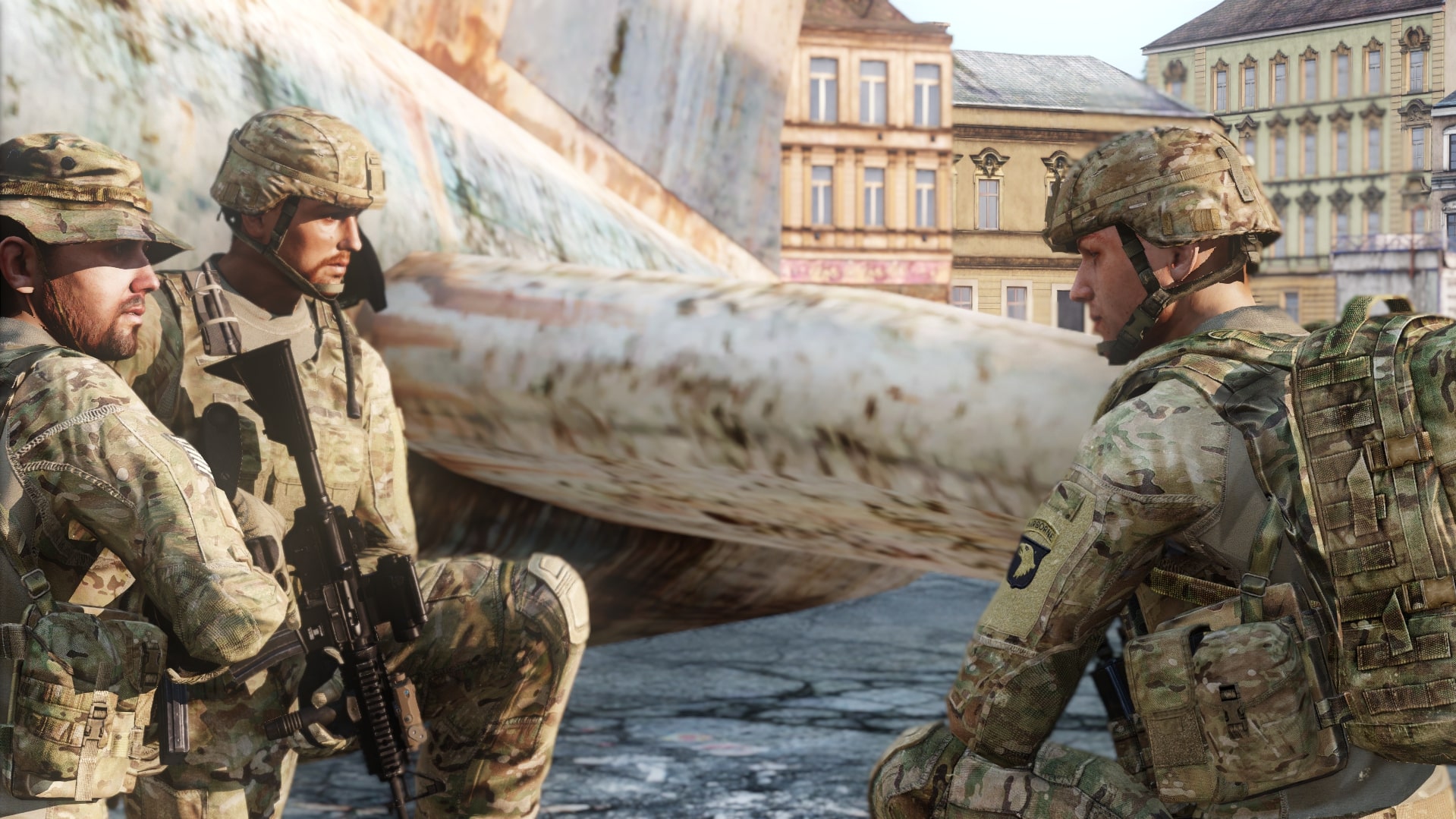 Infantry Team Leader (≤8)
Combat Leadership
-
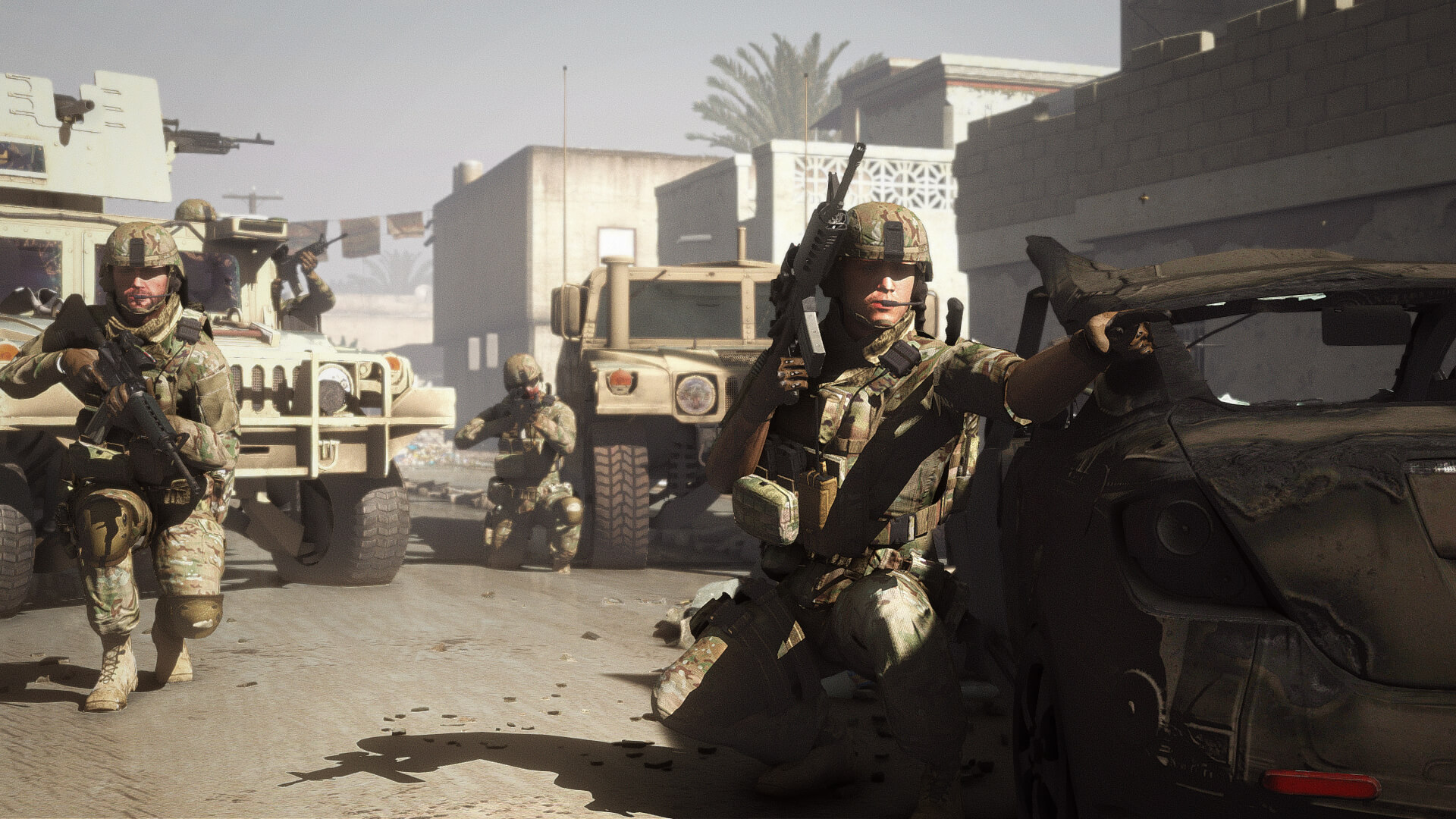 Squad Leader (≤15)
Combat Leadership
-
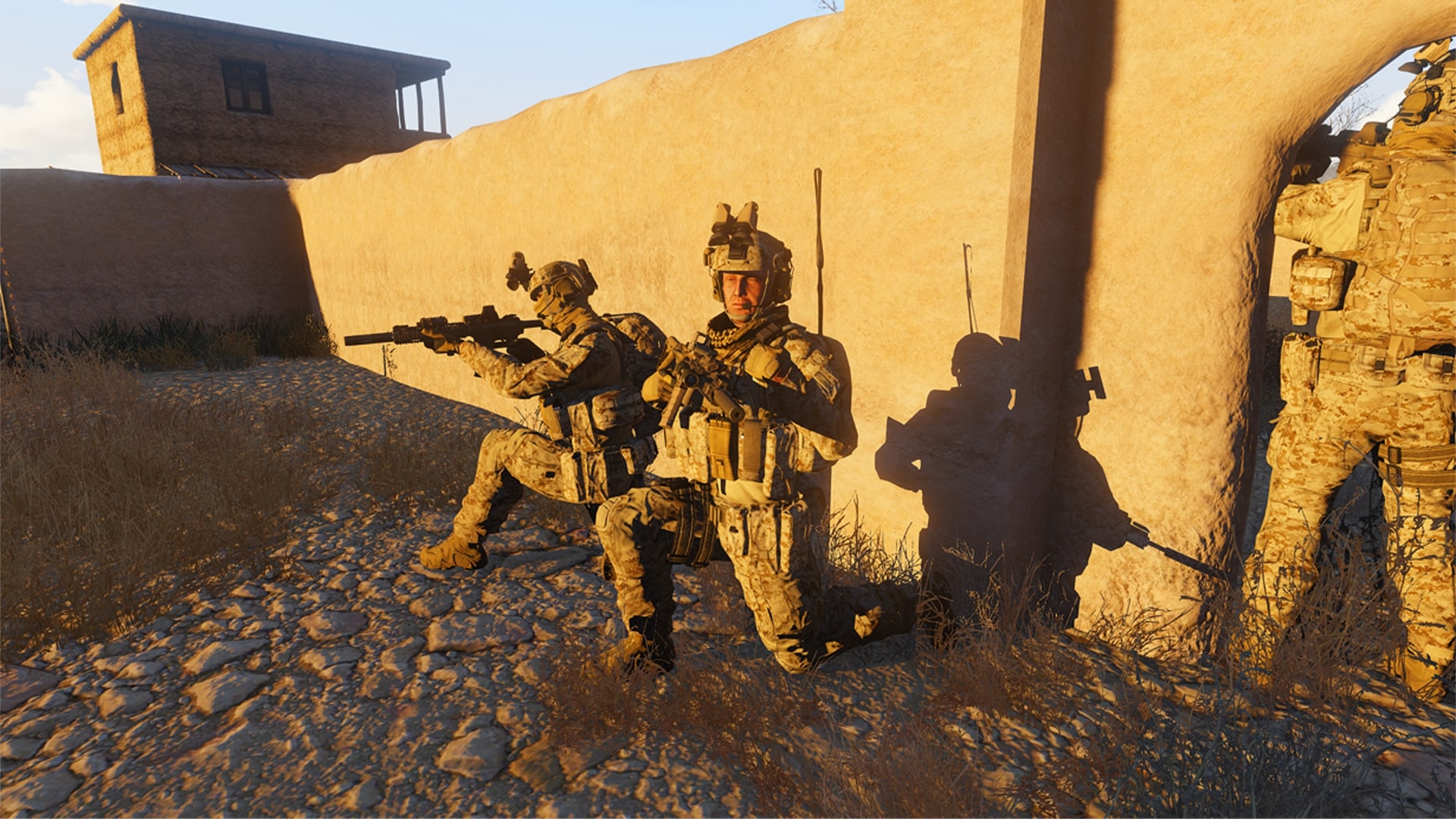 SF Team Leader (≤6)
Combat Leadership
-
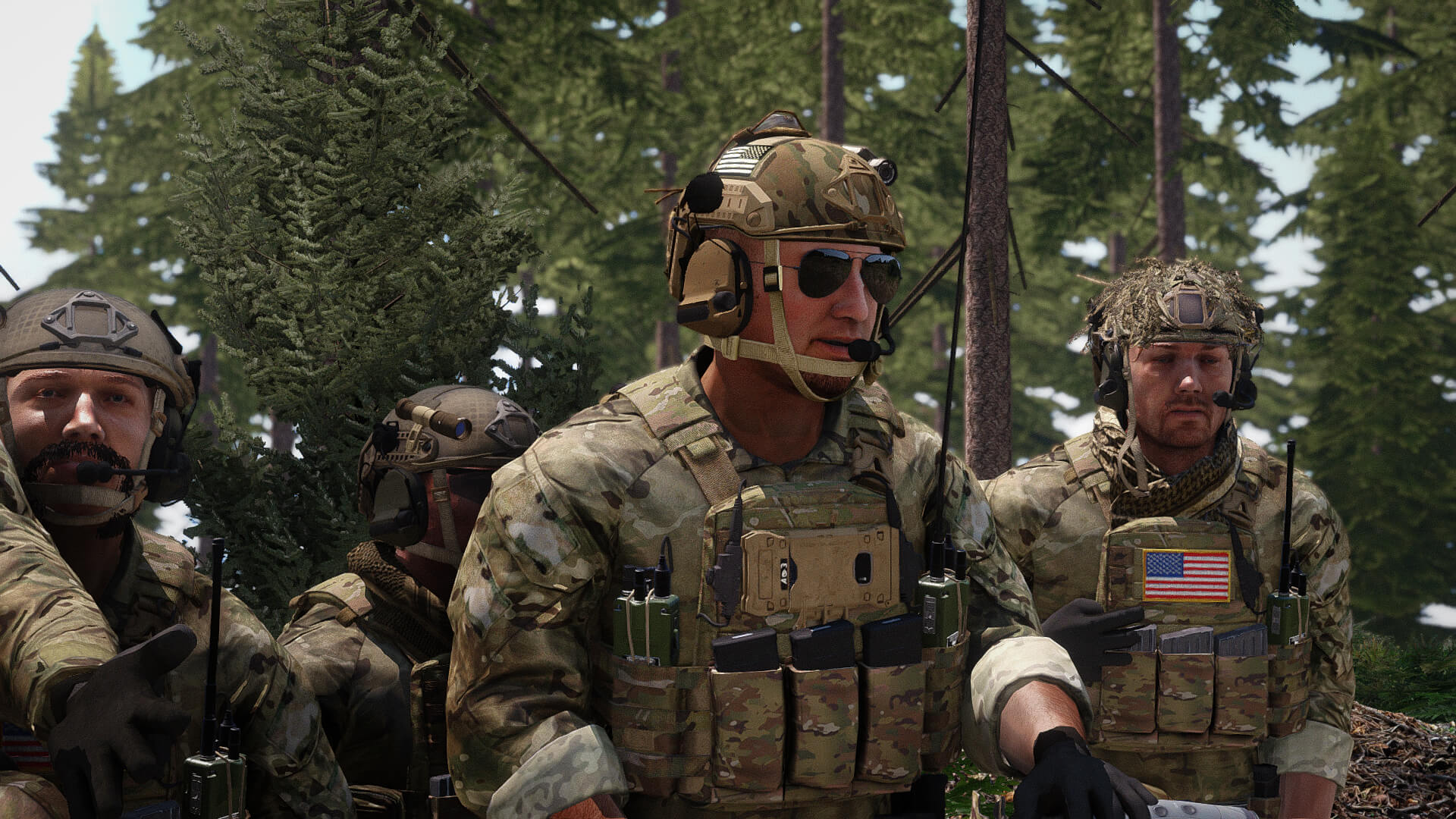 Squad Commander (≤15)
Combat Leadership
-
 Squad Commander (≤28)
Field Leadership
The other 2 roles read it through these cards.
By combat area
-
 Combat Leadership
4 of 6
-
 Field Leadership
1 of 9
-
 Cavalry
2 of 12