UNITAF Future
UNITAF

Caution

This site is a work in progress

This site is finished to different degrees. Feedback is welcome. Please bear in mind that most of what you see, if not everything, is still a work in progress.

Data from the live site is synced here every hour. Anything you do on this site stays here. It is not copied back to the live site until we switch over.

Discord and permissions are linked. Be careful with admin actions. Some of them also change Discord.

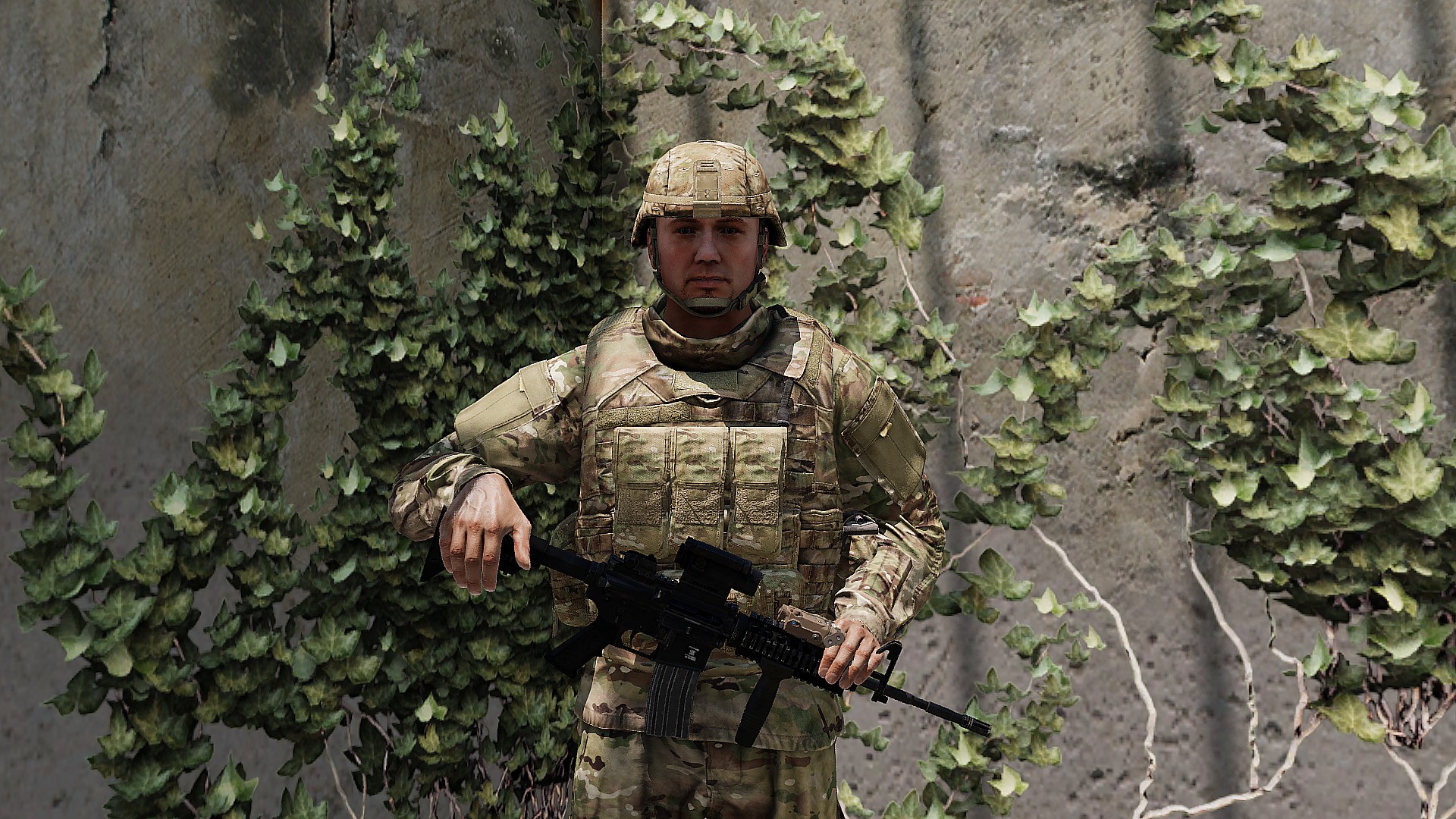
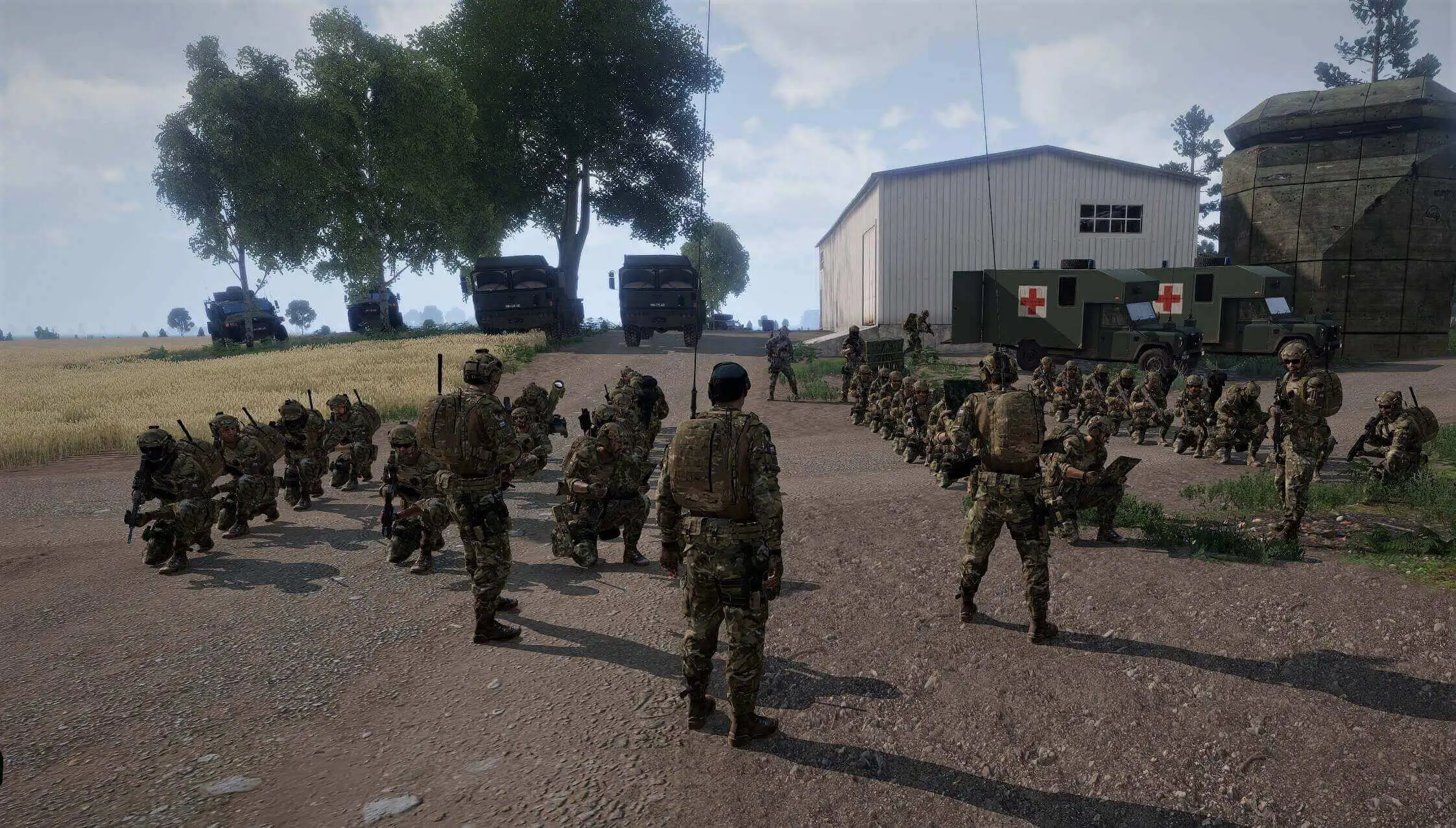
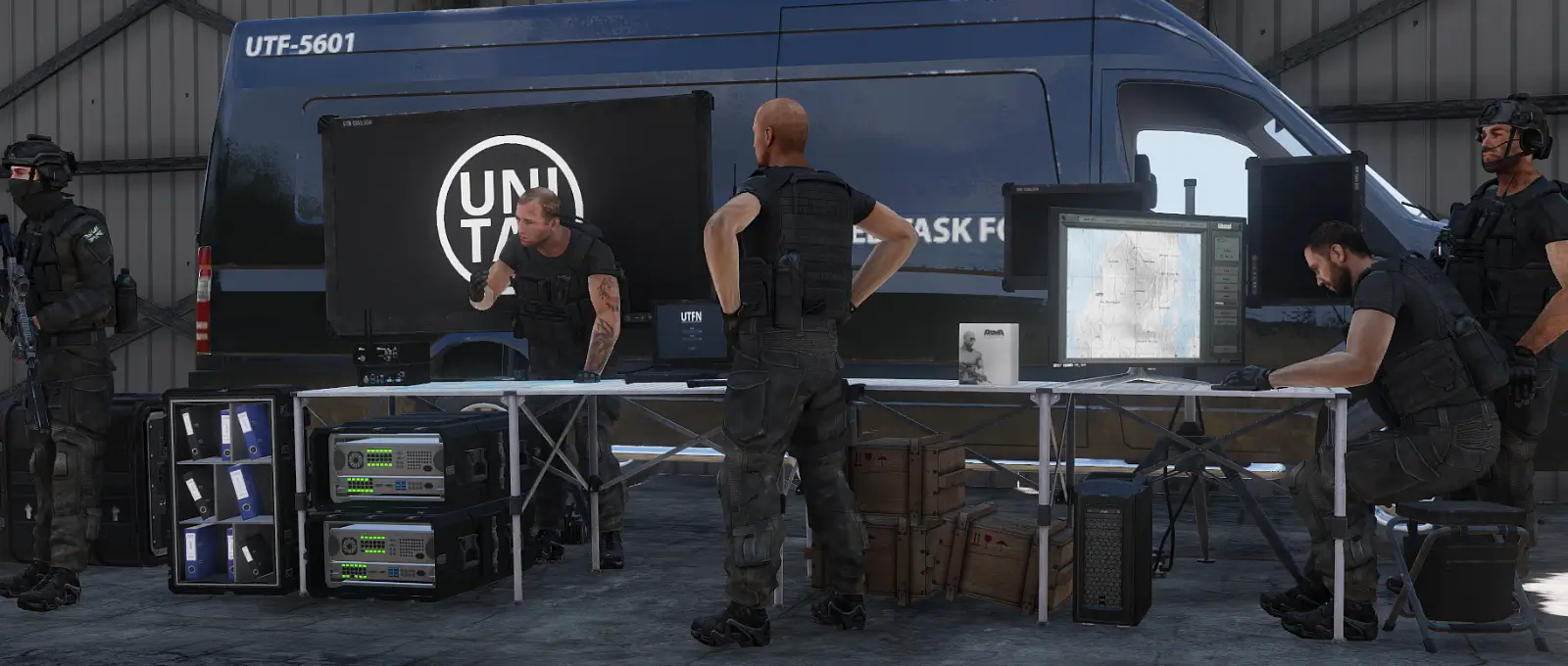
UNITAF members taking orders before an operation
Force Manual

The FM outlines our core skills, policies and guides to ensure every member stands ready for the mission ahead.

FM/G107 · Urban tactics

Military Operations in Urban Terrain (MOUT)

Passages
5
Reading time
2 mins
Views
87
Owned by
Unit Command
Platforms
Every platform
Role cards
102 cards
Published
23 Sep 2026
On this page

Sectors in MOUT

As always when in an infantry role covering your sector is key in MOUT, if anything it is more important. When watching your sectors there are particular MOUT specific considerations:

  • MOUT environments have a vertical element, ensure that you are watching windows as well as ground level
  • Think carefully about your stance, communicating with your team to provide maximum security
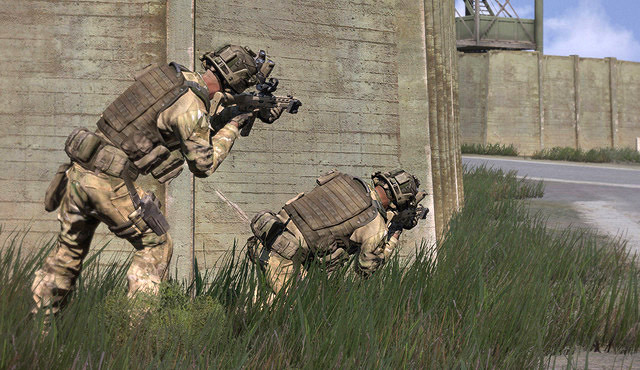
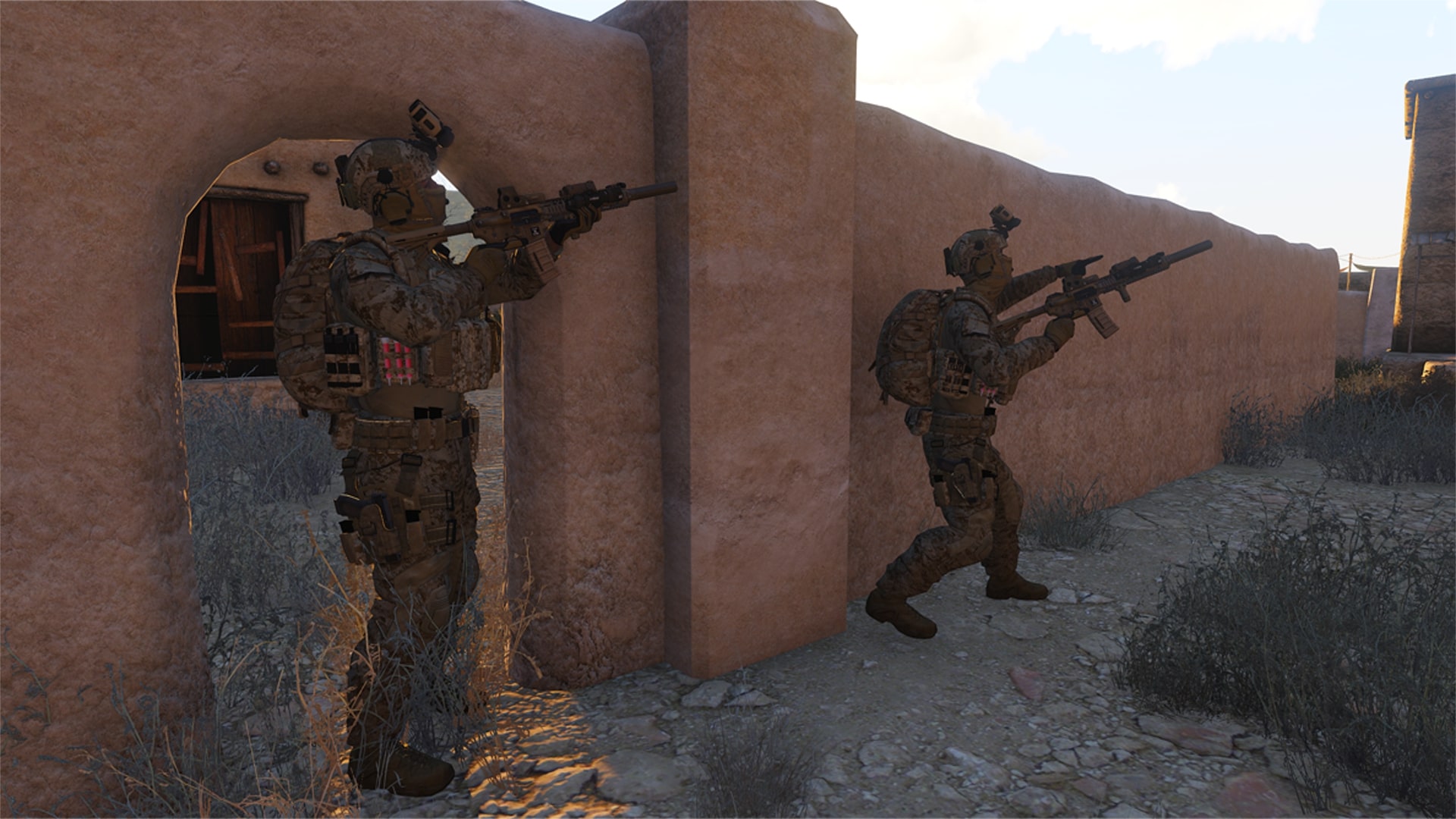
Two infantry cover a sector high/low with appropriate stances

Watch your sector in MOUT street maneuvers

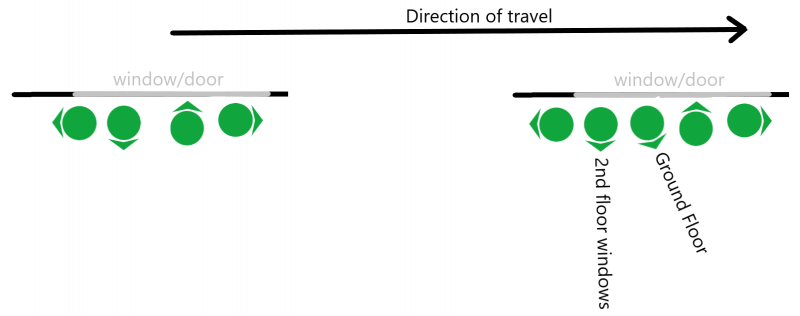
When moving in a fireteam column during MOUT, maintain continuous coverage by assigning sectors based on position:

  • Front: Covers the direction of movement while remaining aware of threats to the sides
  • Rear: Covers behind the team while remaining aware of threats to the sides
  • All others: Cover both the near side and far side of the road, watching doorways, windows, alleys, and higher floors where possible. Communication is key to ensuring all sectors are covered. 

As the team moves:

  • Check openings as they are passed
  • Observe multiple building levels where possible
  • Engage any threats when identified

Maintain observation of the assigned sector at all times while moving.

A 4-man and 5-man examples of formation when moving down a street

Cross a danger area as a team

Cross the danger area using controlled movement and mutual cover:

  1. When approaching a danger area, the leader alerts the team by saying ‘Danger Area’ 
  2. The first two members hold on the near side, covering left and right across the danger area
  3. The next two cross, move quickly to the far side, and take up left and right coverage
  4. If more personnel remain, they cross next and cover the direction of travel
  5. Once the main body is across, the original two members cross last
  6. After crossing, they resume the direction of travel, restoring the original formation
  7. The rest of the team re-joins the formation and continues movement
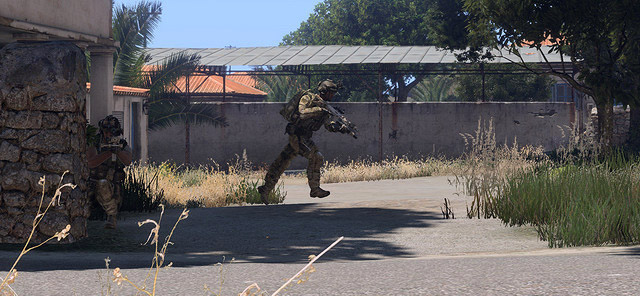
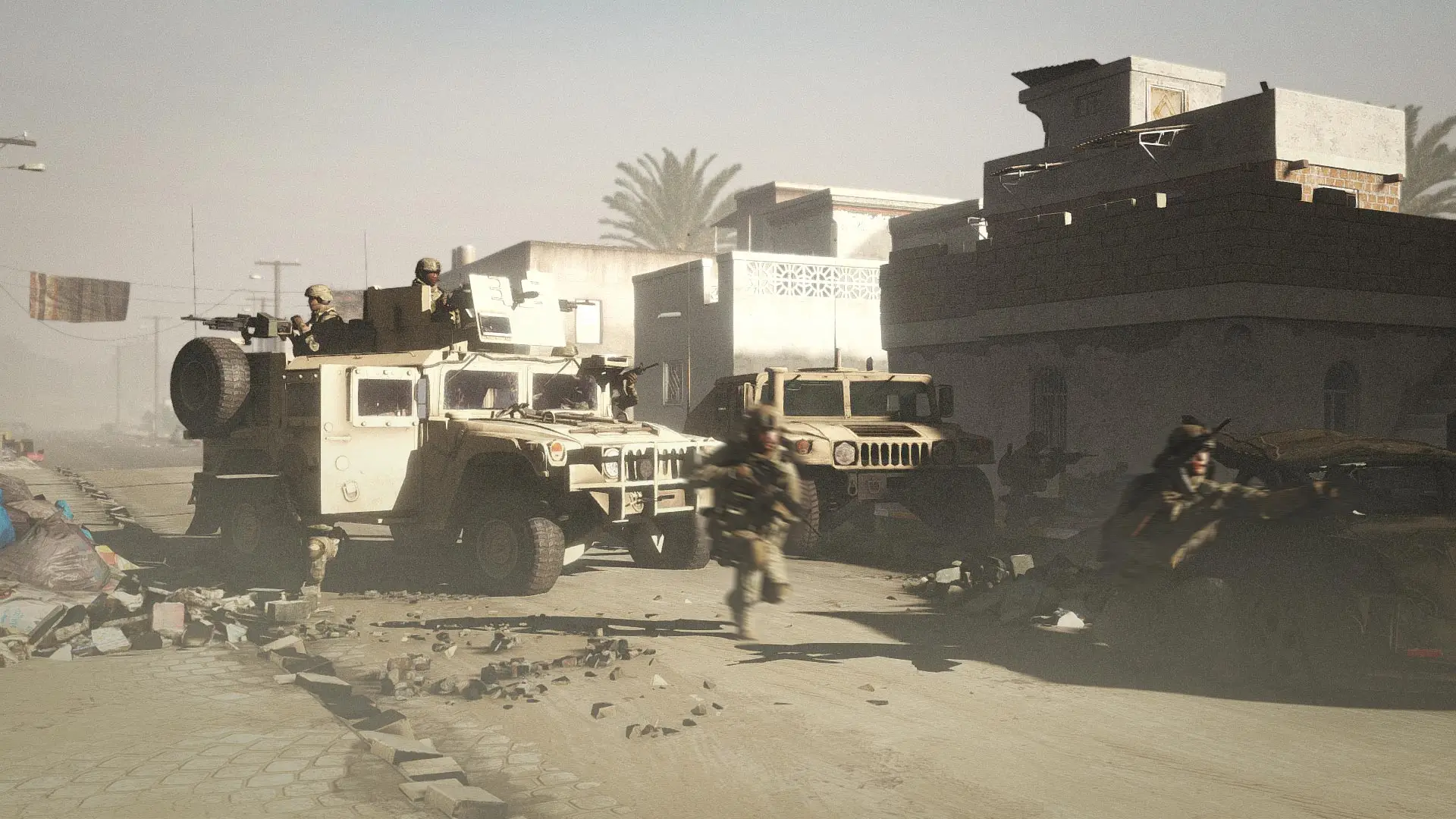
A team leader rushes across a danger area as his team provides cover

High and low stacking

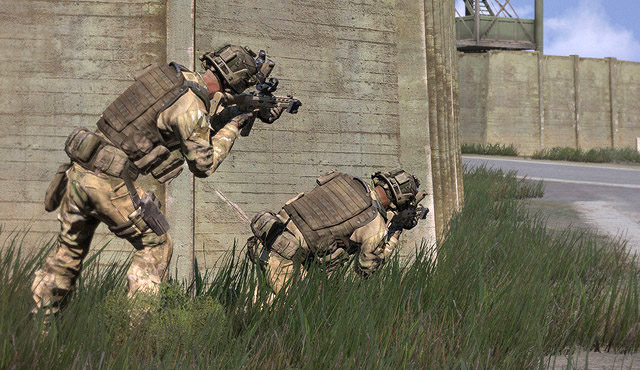
When covering corners, if one player kneels while another stands behind them, two pairs of eyes and two rifles can cover the same area, increasing effectiveness. This is commonly known as a "high/low stack" and can be employed naturally whenever the situation allows. Note that the kneeling player must not stand unless he has cleared it with the standing player - else he's likely to stand up into a bullet.

2 players using High/Low stacking to maximize fire around a corner

MOUT as a Squad

A Fireteam is never alone during MOUT, a common situation will be a squad of two teams working in the same area towards a set goal. 

Contrary to a Squad Staggered Column, the teams would each have a designated flank, and they are to advance together through the obstacles. It is important to have the same pacing between the two teams. This may come in the form of short halts to let the other team catch up safely, or coordinating the crossing of danger areas to sync sector coverage. Maintaining pacing also allows for street side sector to cover and alert the other element of danger on their side (contact on higher floors or behind corners)

On role cards

On 102 role cards in 15 combat areas.

Named on

The other 98 roles read it through these cards.

By combat area

Next in Urban tactics

FM/G98 Close quarters combat (CQC)