UNITAF Future
UNITAF

Caution

This site is a work in progress

This site is finished to different degrees. Feedback is welcome. Please bear in mind that most of what you see, if not everything, is still a work in progress.

Data from the live site is synced here every hour. Anything you do on this site stays here. It is not copied back to the live site until we switch over.

Discord and permissions are linked. Be careful with admin actions. Some of them also change Discord.

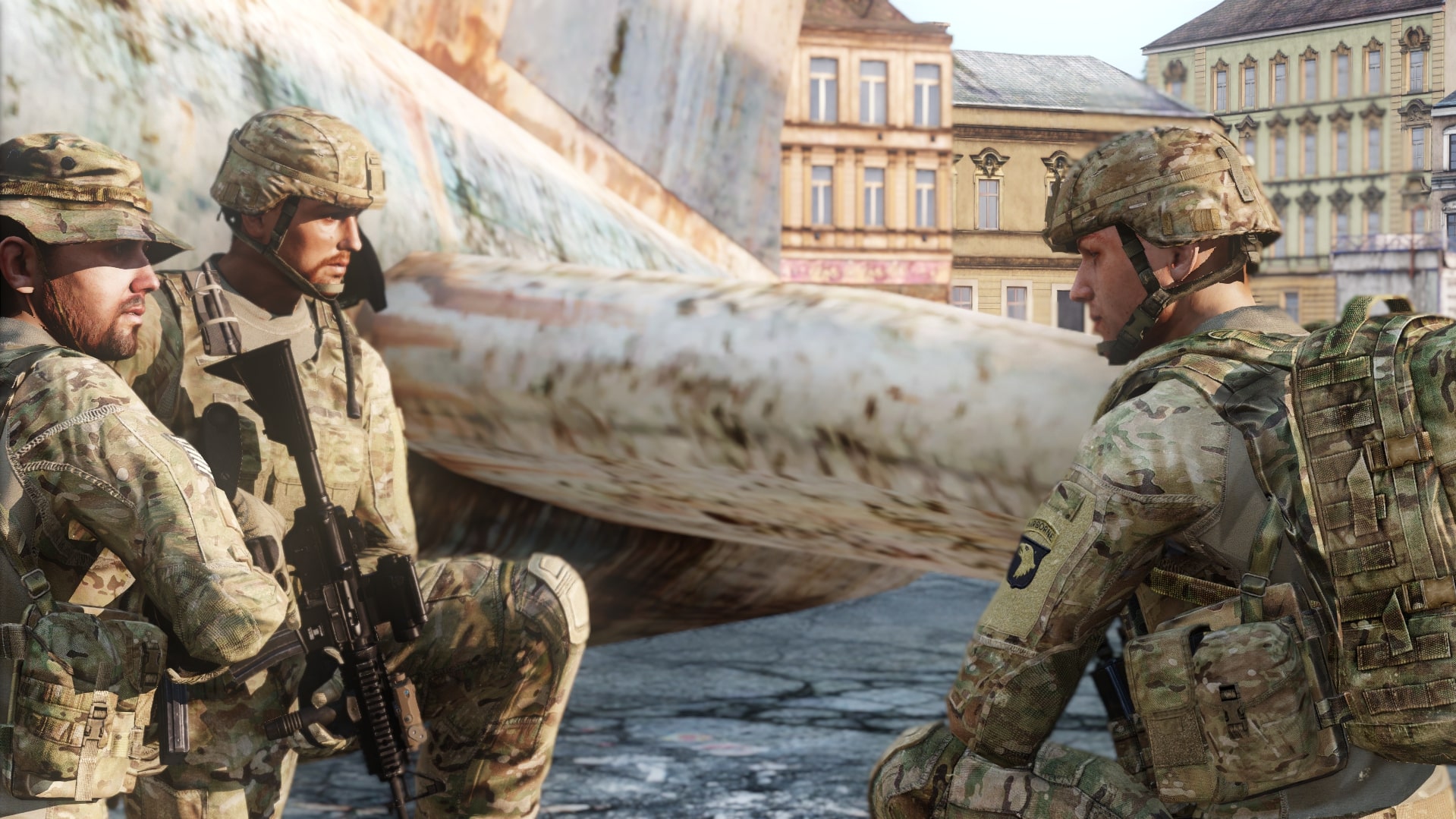
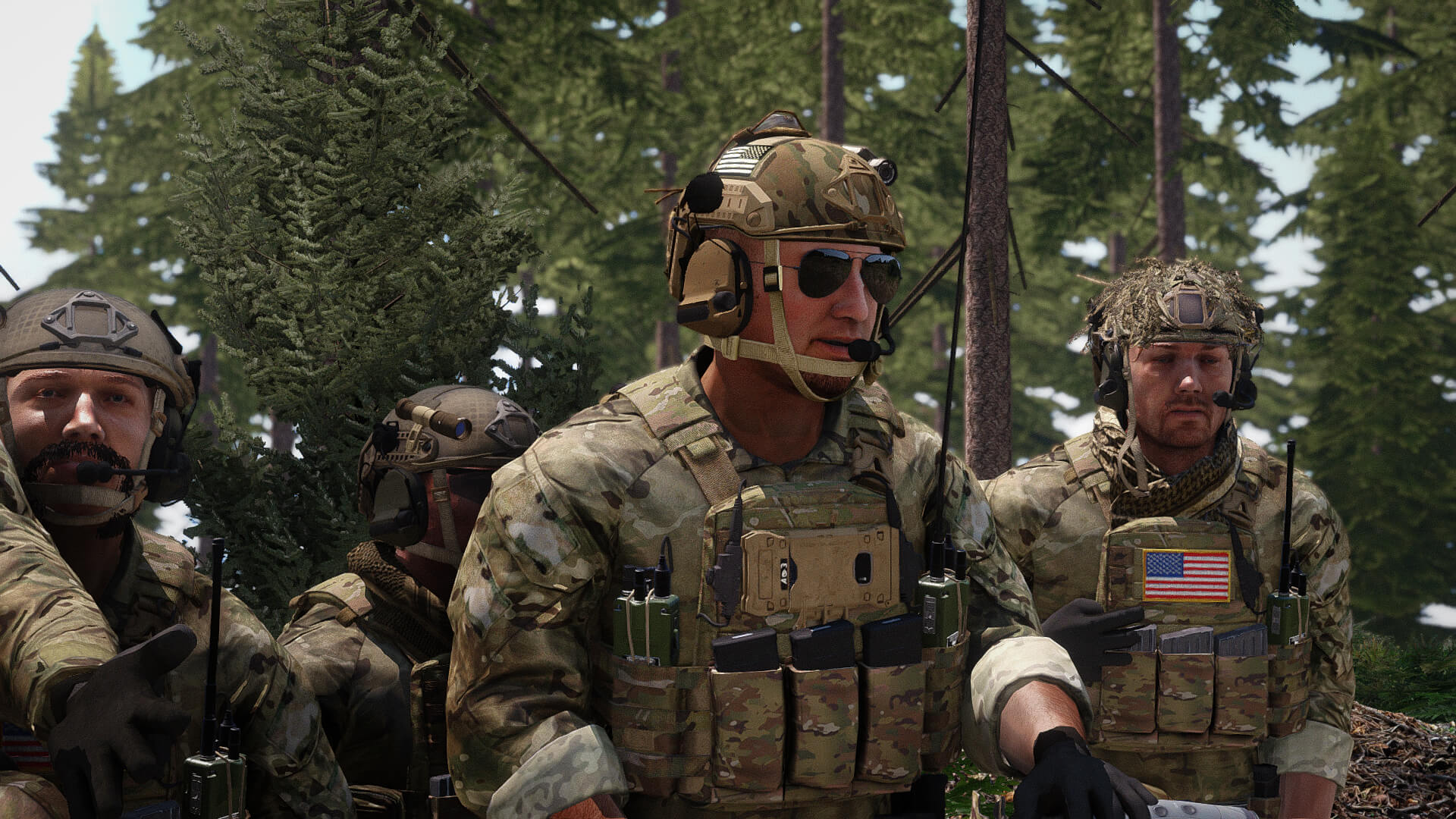
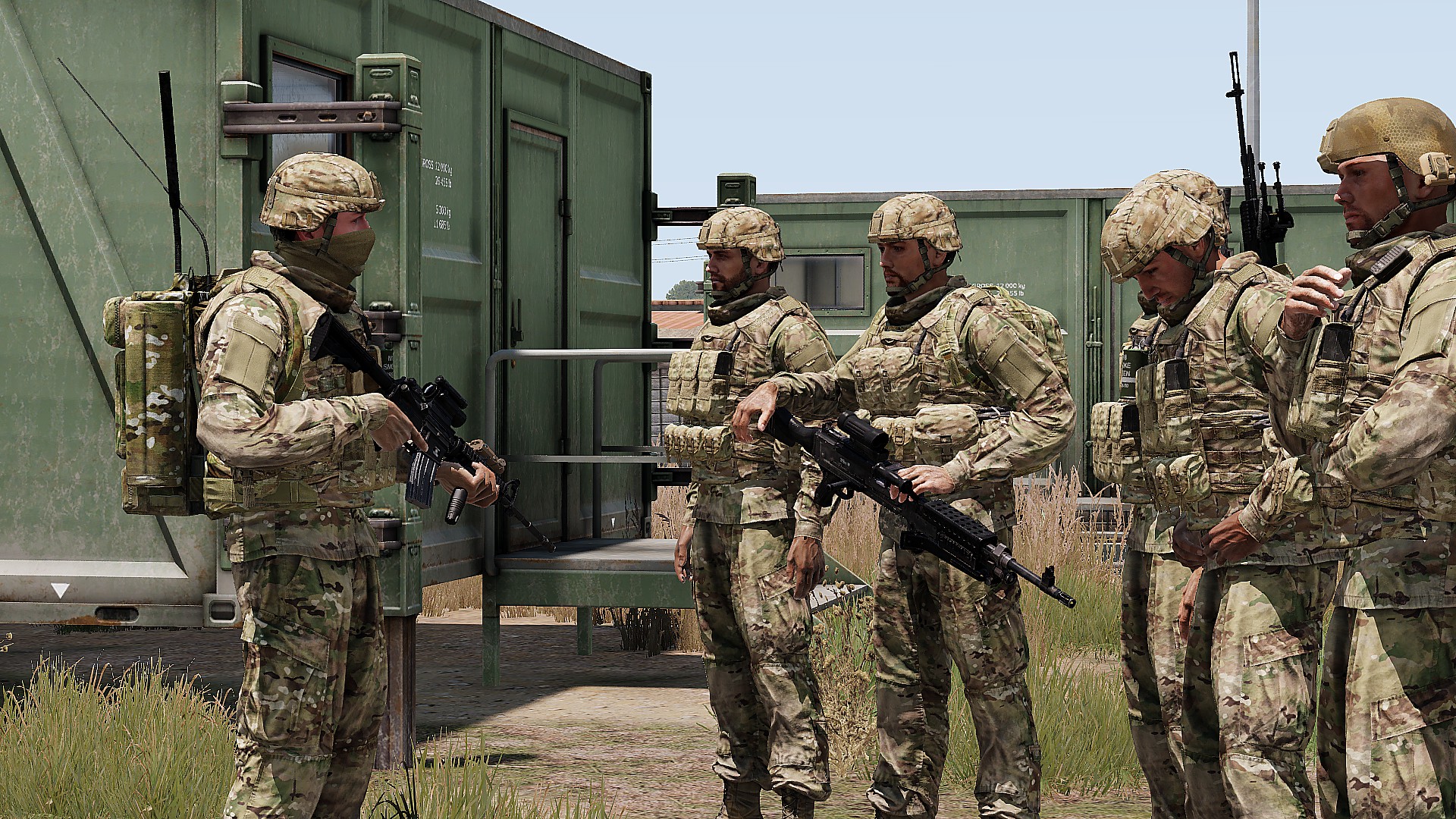
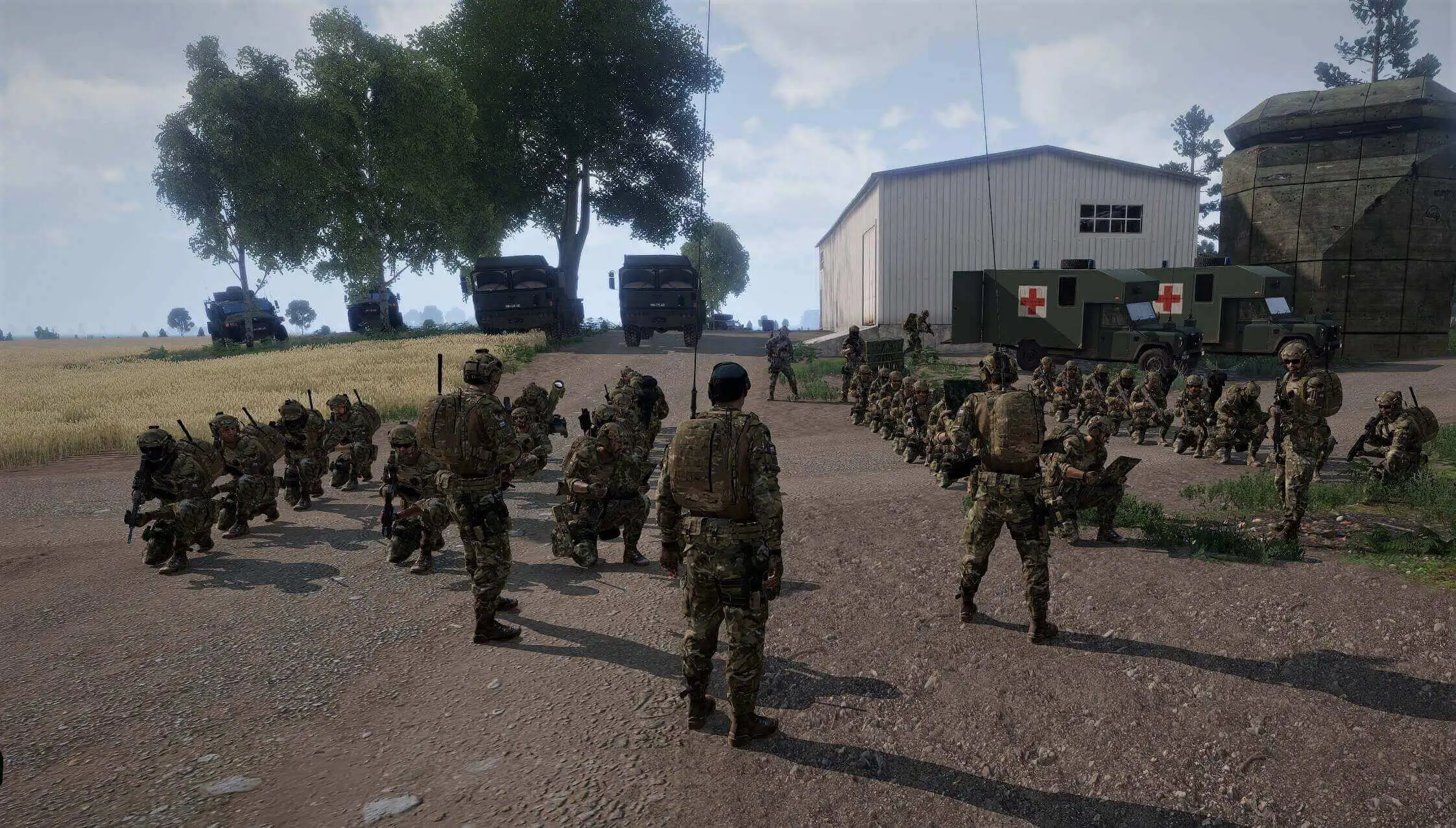
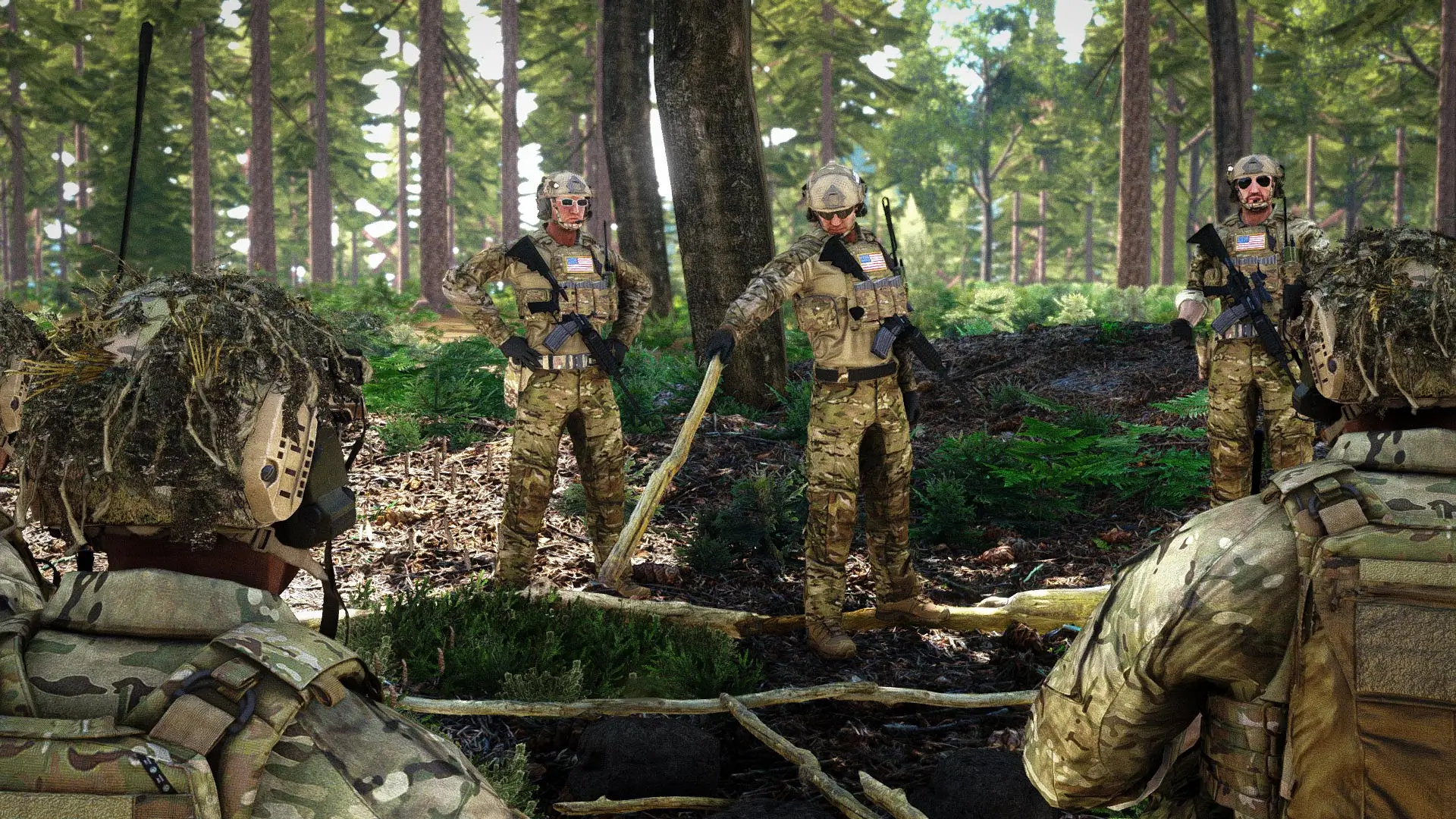
UNITAF members taking orders before an operation
Force Manual

The FM outlines our core skills, policies and guides to ensure every member stands ready for the mission ahead.

FM/G226 · Leadership of combat elements

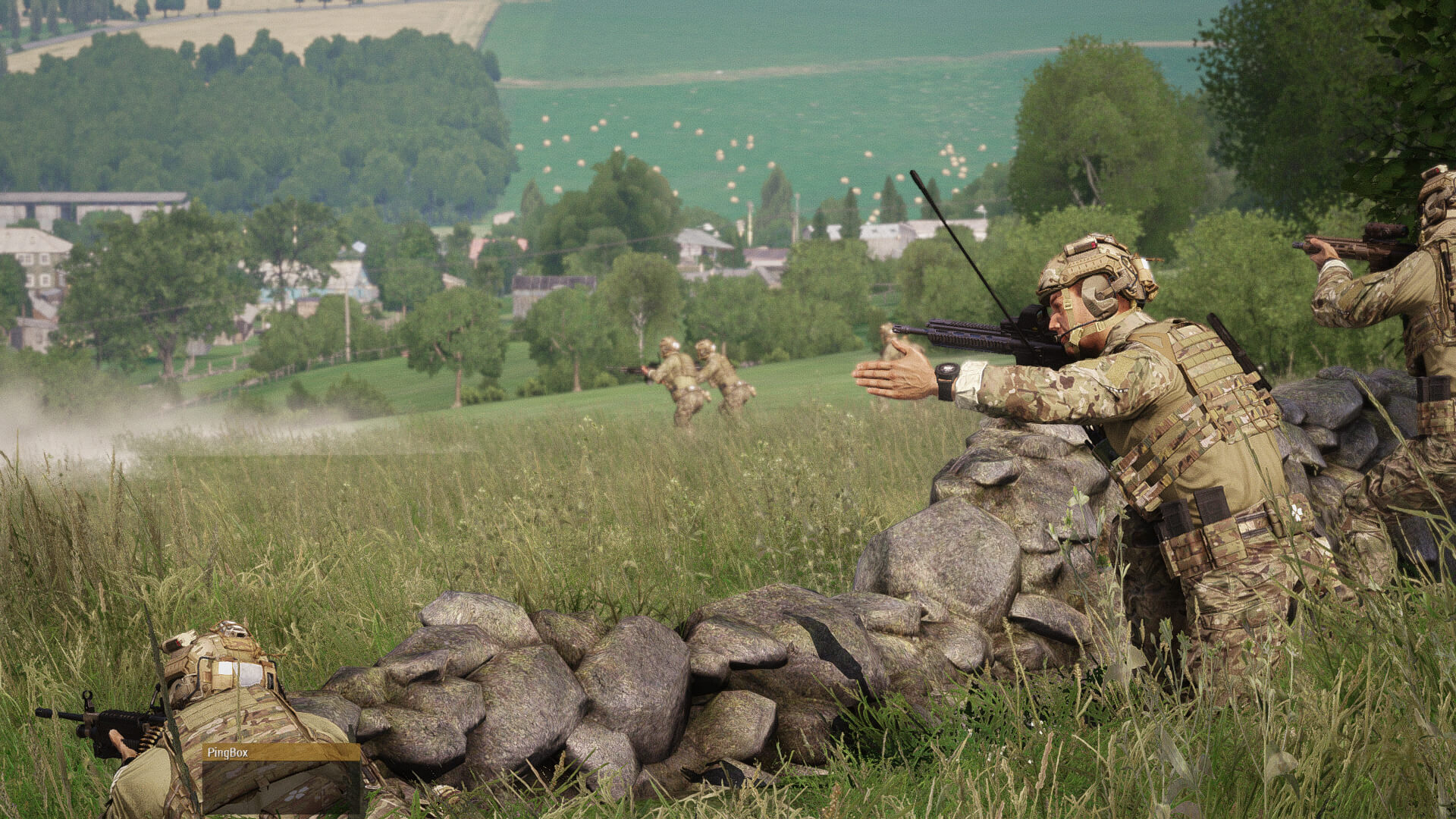
Reaction to contact

Passages
6
Reading time
2 mins
Views
62
Owned by
Unit Command
Platforms
Every platform
Role cards
23 cards
Published
23 Sep 2026
On this page

Fireteam Leader: Reaction to contact

The Fireteam Leader is responsible for quickly assessing the situation and ensuring their team responds effectively to sudden enemy contact.

Actions

  • Order team to move to covered or concealed positions.
  • Identify and report the enemy's position to the Squad Leader.
  • Begin engaging the enemy.
  • Direct team fire as needed.
  • Prepare to manoeuvre as ordered by the Squad Leader.
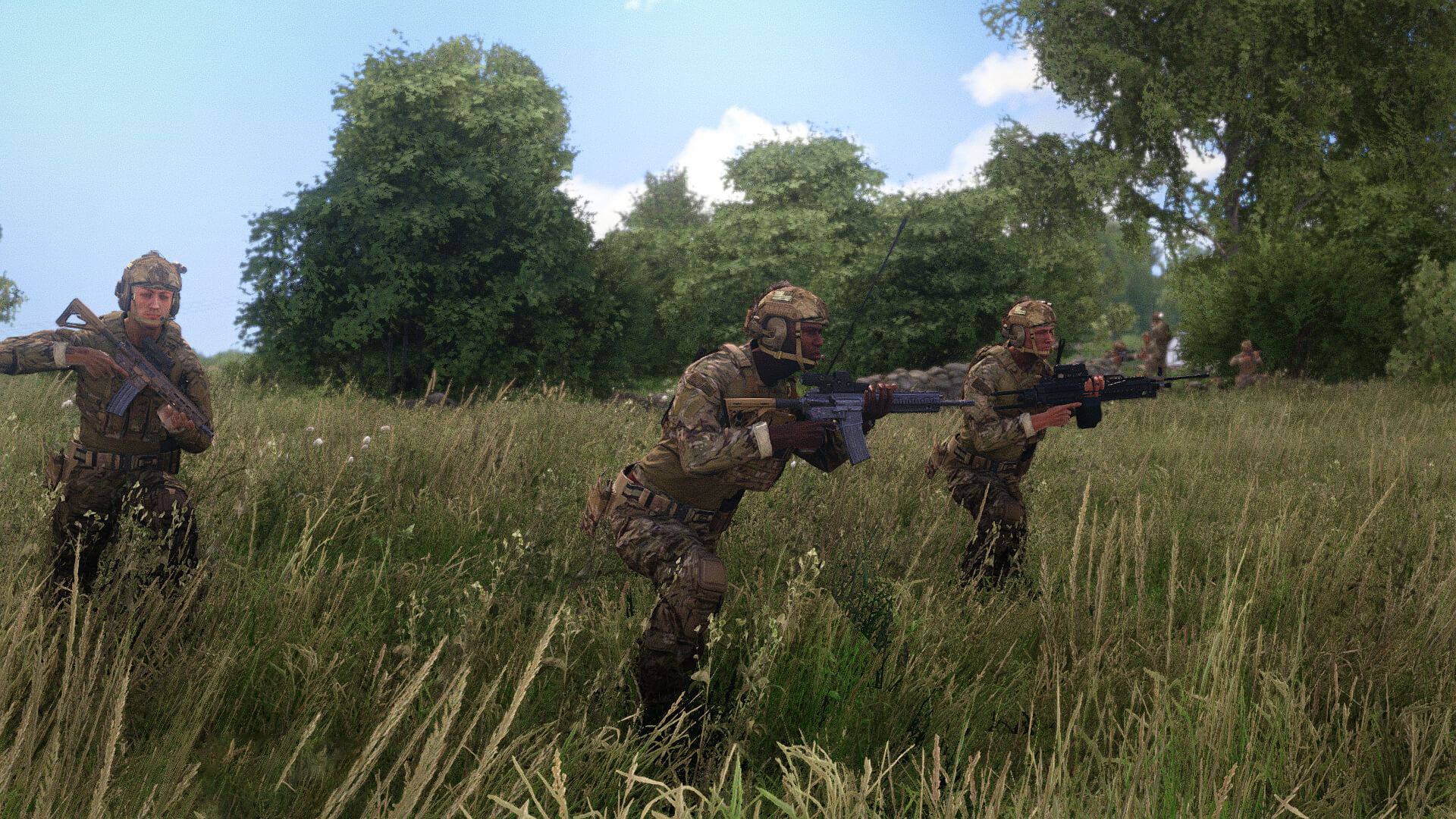
Squad Leader: Reaction to contact

The Squad Leader manages the squad’s response to contact by gaining fire superiority, reporting upwards, and deciding whether to hold, manoeuvre, or break contact.

Actions

  • Achieve fire superiority.
  • Confirm fireteams are reacting appropriately.
  • Report contact to the Platoon Commander when possible:
  • Prioritize squad command over reporting if needed.
  • Assess the position:
    • Hold if viable.
    • Manoeuvre fireteams using bounding overwatch if needed.
    • Break contact if untenable.
  • Coordinate with adjacent squads and listen for higher orders.
  • Monitor flanks and casualty status via Squad Medic.

Executing break contact via bounding overwatch

Breaking contact allows an element to disengage from the enemy while maintaining suppressive fire to avoid becoming decisively engaged.

Steps

  1. Leader announces intent to break contact.
  2. Assign a base-of-fire element (e.g., buddy-team, fireteam, or larger).
  3. Base-of-fire takes hasty cover and suppresses enemy.
  4. Other elements bound to the rear under fire protection.
  5. Deploy smoke to conceal movement.
  6. On signal, base-of-fire element bounds back to new position.
  7. Repeat until disengagement is complete.

Reaction to near ambush

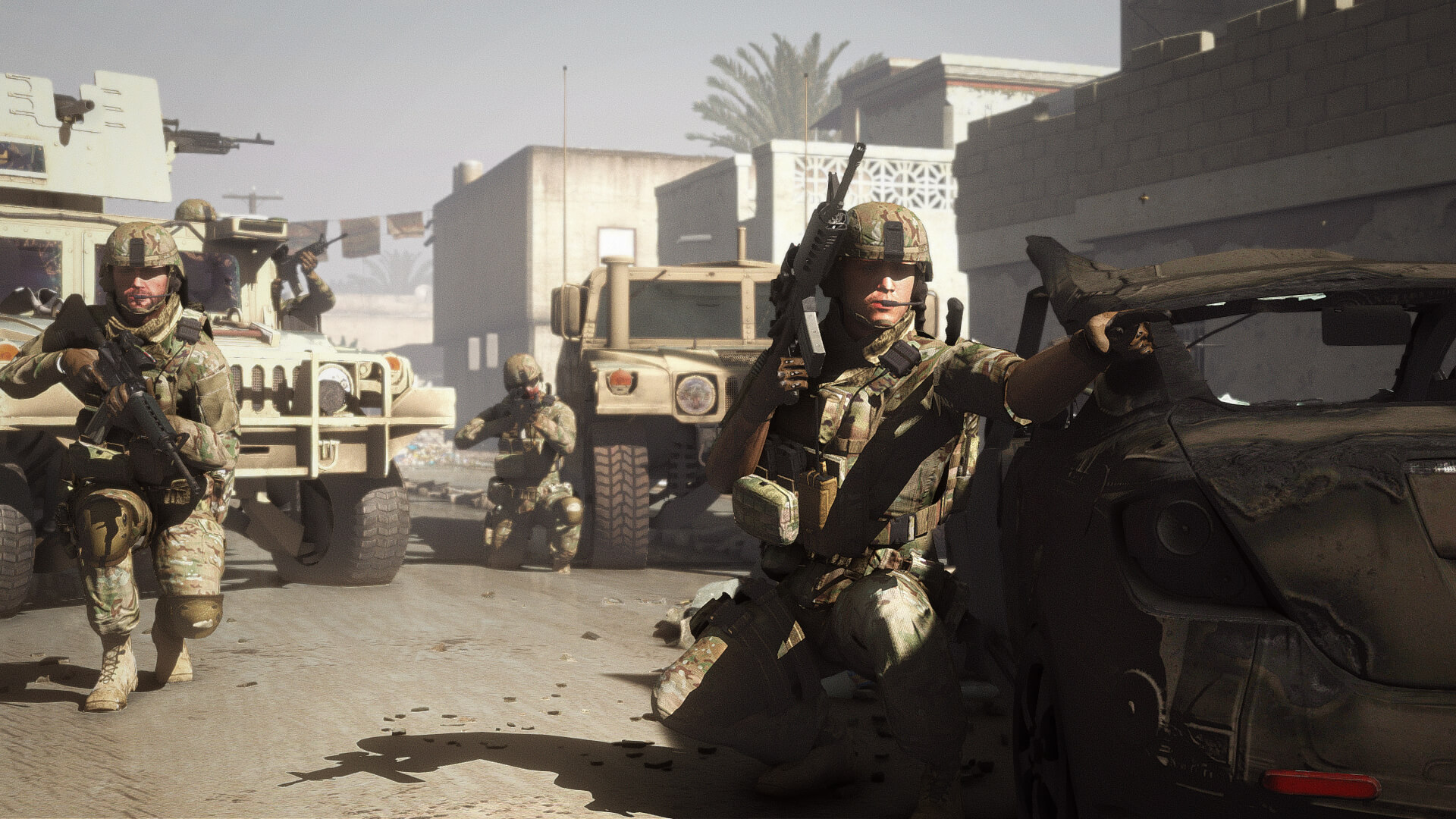
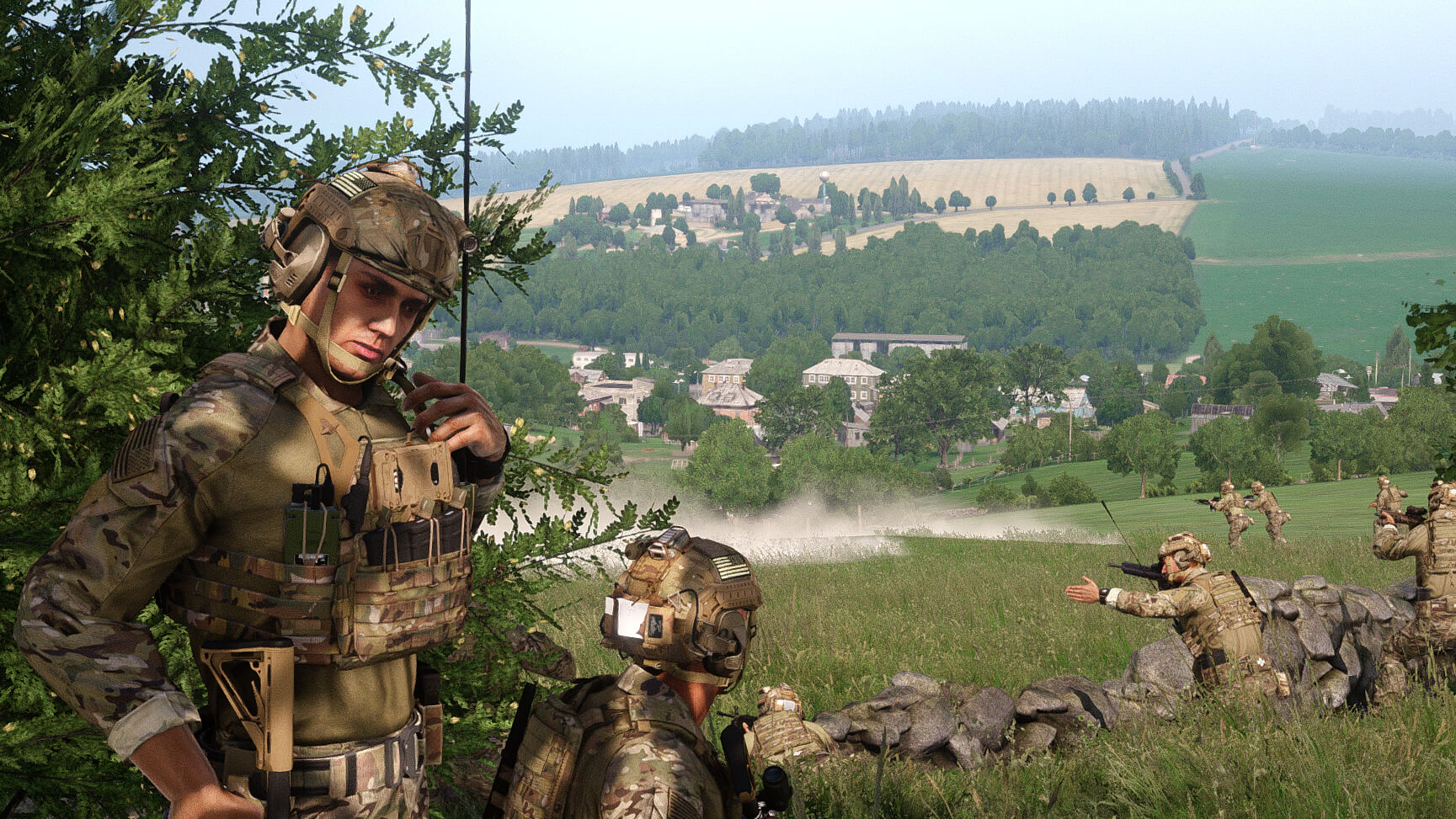
A near ambush occurs when the enemy is within grenade-throwing distance. Immediate aggression is essential to survive and suppress the ambush.

Actions

  • If in the kill zone:
    • Return fire immediately.
    • Throw grenades or smoke.
    • Assault enemy position swiftly once cover is created.
  • If outside the kill zone:
    • Provide suppressive fire on enemy position.
    • Shift or cease fire when friendlies assault to avoid fratricide.

Reaction to far ambush

A far ambush occurs when the enemy is over 50 meters away. Immediate fire and coordination enable manoeuvre to neutralize the threat.

Actions

  • If in the kill zone:
    • Return fire and move to cover.
    • Target enemy high-volume weapons (e.g., MGs).
    • Deploy smoke to obscure friendlies or enemy line of sight.
  • If outside the kill zone:
    • Move via cover to flank and assault.
    • Inform base-of-fire team before initiating assault to avoid friendly fire.

Issue fire control orders

Fire Control Orders are used to rapidly direct and coordinate fires within an element. Orders follow the GRIT format to ensure clarity, speed, and shared understanding. 

  • Group: Identify who is to fire. This may be a specific individual, buddy team, fireteam, or the entire element.
  • Range: State the range to the target, either as an exact distance or a reference (e.g. “close”, “far”, landmark-based).
  • Indication: Clearly indicate the target using clock direction, bearings, tracers, terrain features, or reference points.
  • Type of Fire: Specify rate of fire Fire control FM/G139.

On role cards

On 23 role cards in 5 combat areas.

Named on

The other 11 roles read it through these cards.

By combat area

Next in Leadership of combat elements

FM/G227 Commanding an ambush