UNITAF Future
UNITAF

Caution

This site is a work in progress

This site is finished to different degrees. Feedback is welcome. Please bear in mind that most of what you see, if not everything, is still a work in progress.

Data from the live site is synced here every hour. Anything you do on this site stays here. It is not copied back to the live site until we switch over.

Discord and permissions are linked. Be careful with admin actions. Some of them also change Discord.

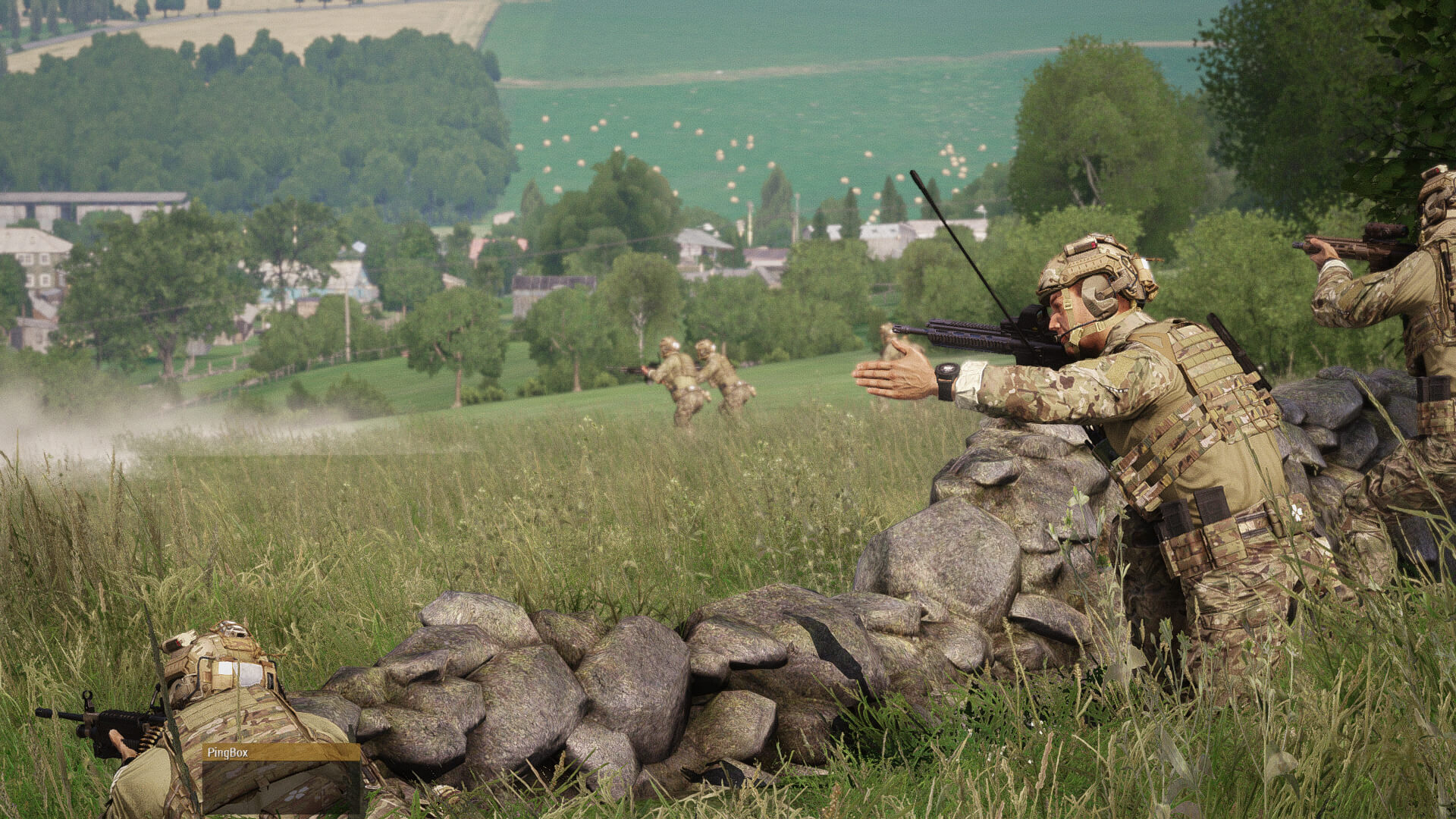
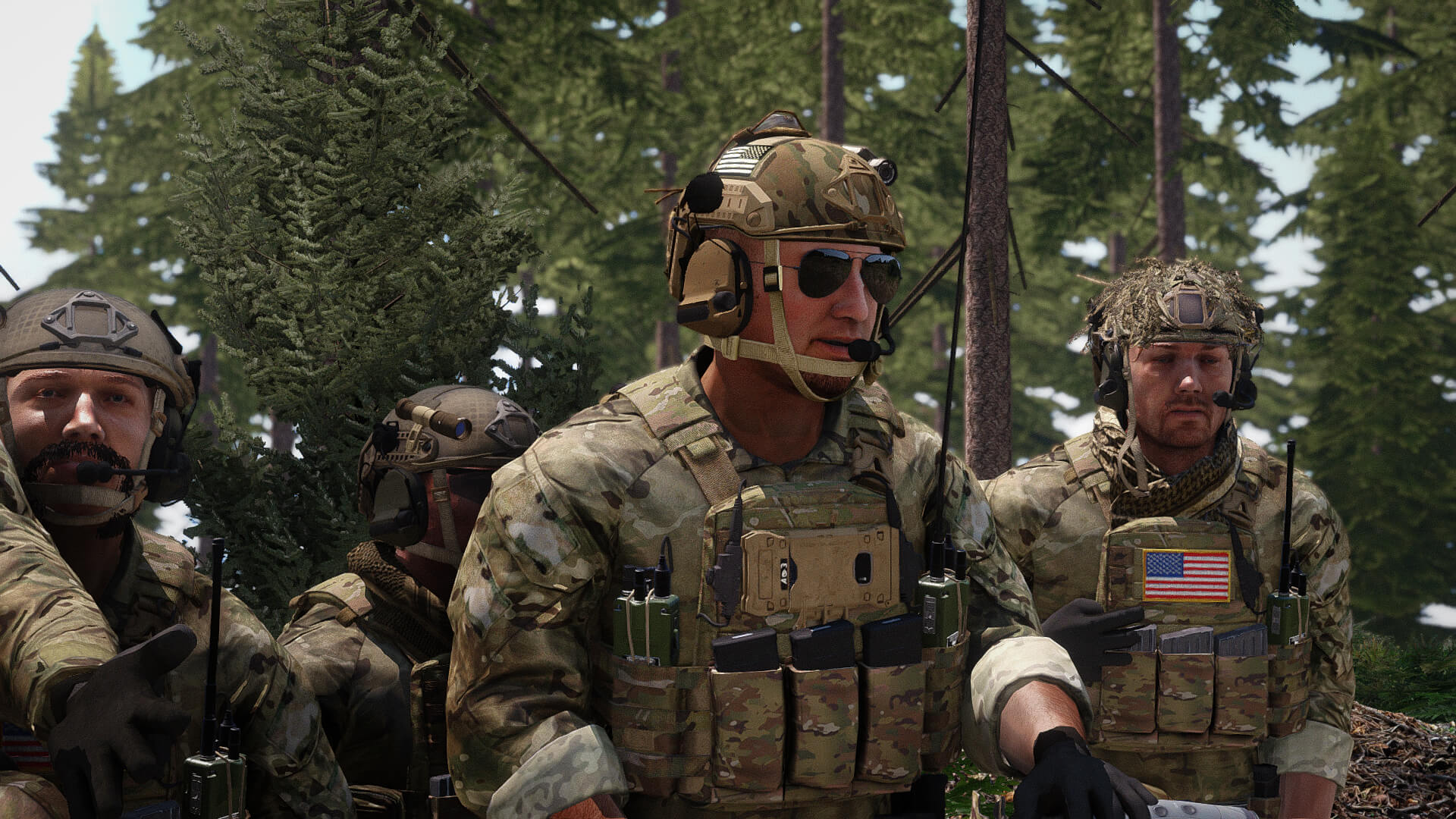
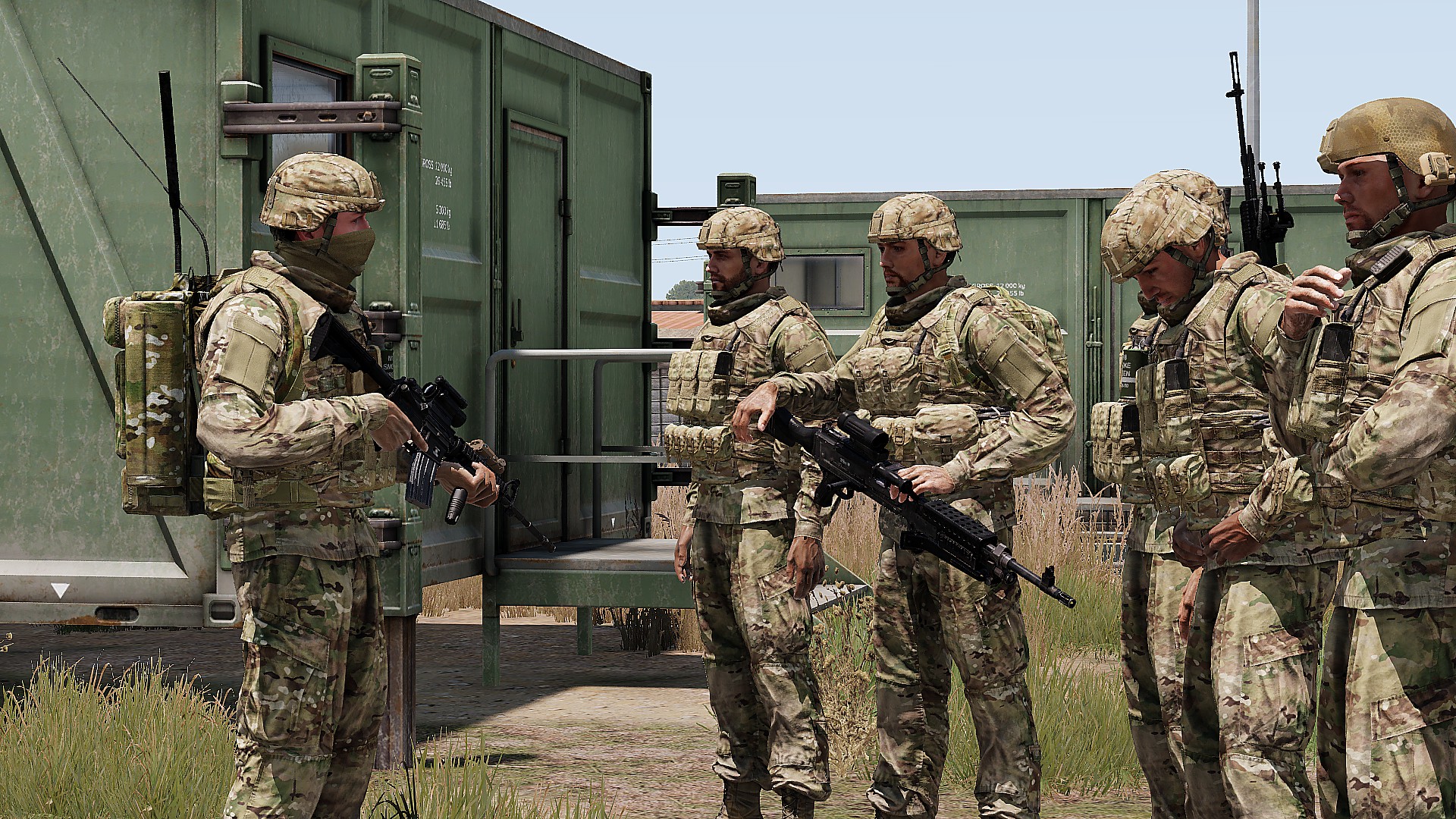
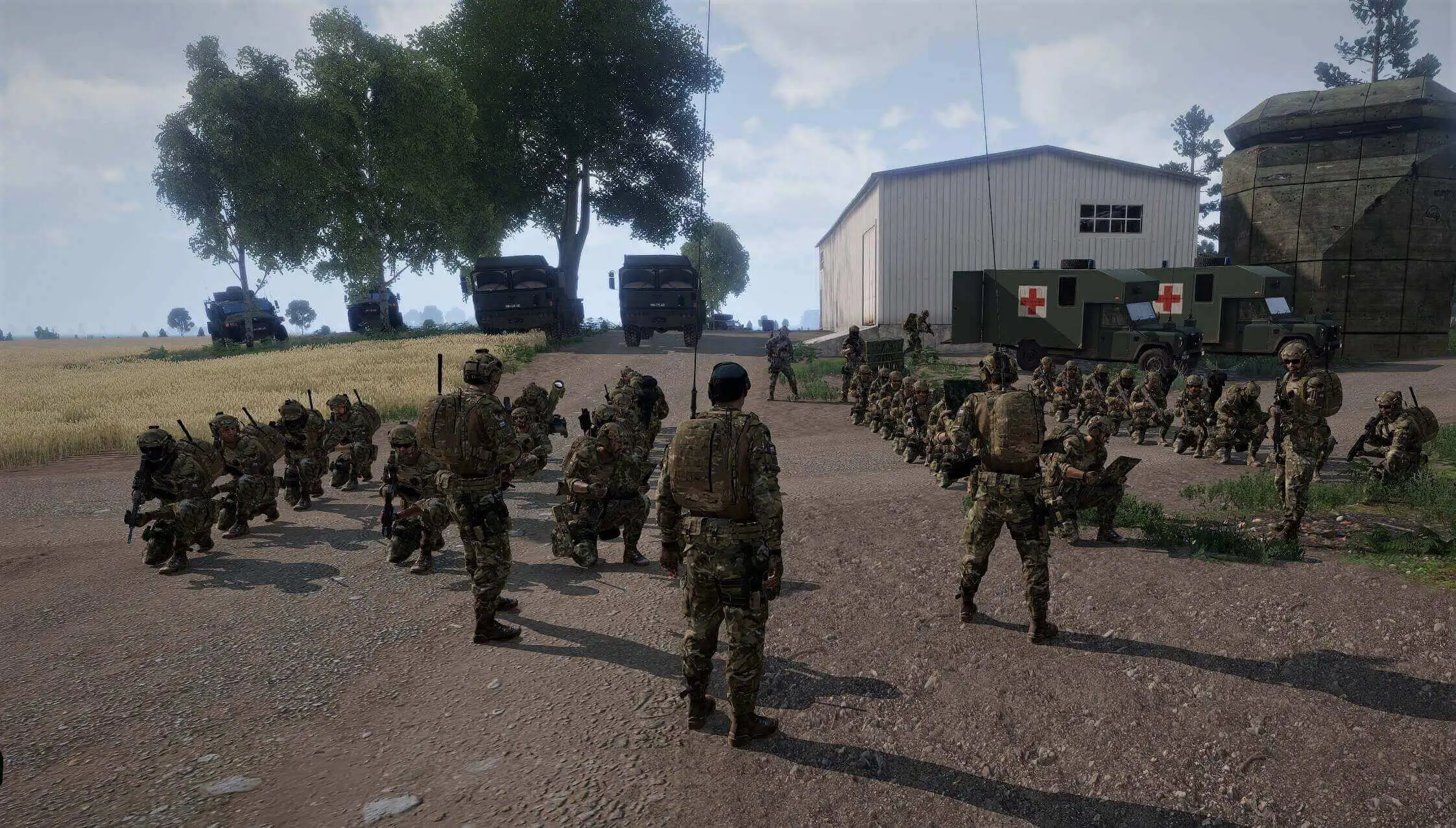
UNITAF members taking orders before an operation
Force Manual

The FM outlines our core skills, policies and guides to ensure every member stands ready for the mission ahead.

FM/G232 · Leadership of combat elements

Leading team/squad formations

Passages
9
Reading time
1 min
Views
70
Owned by
Unit Command
Platforms
Every platform
Role cards
23 cards
Published
23 Sep 2026
On this page

Purpose and flexibility of formations

Formations guide positioning to support cohesion and control. They are adaptable, not rigid templates.

Principles:

  • Use formations as a baseline, not a constraint.
  • Leaders must understand strengths and weaknesses of each formation.
  • Precision is less important than practicality, adapt to terrain and threat.
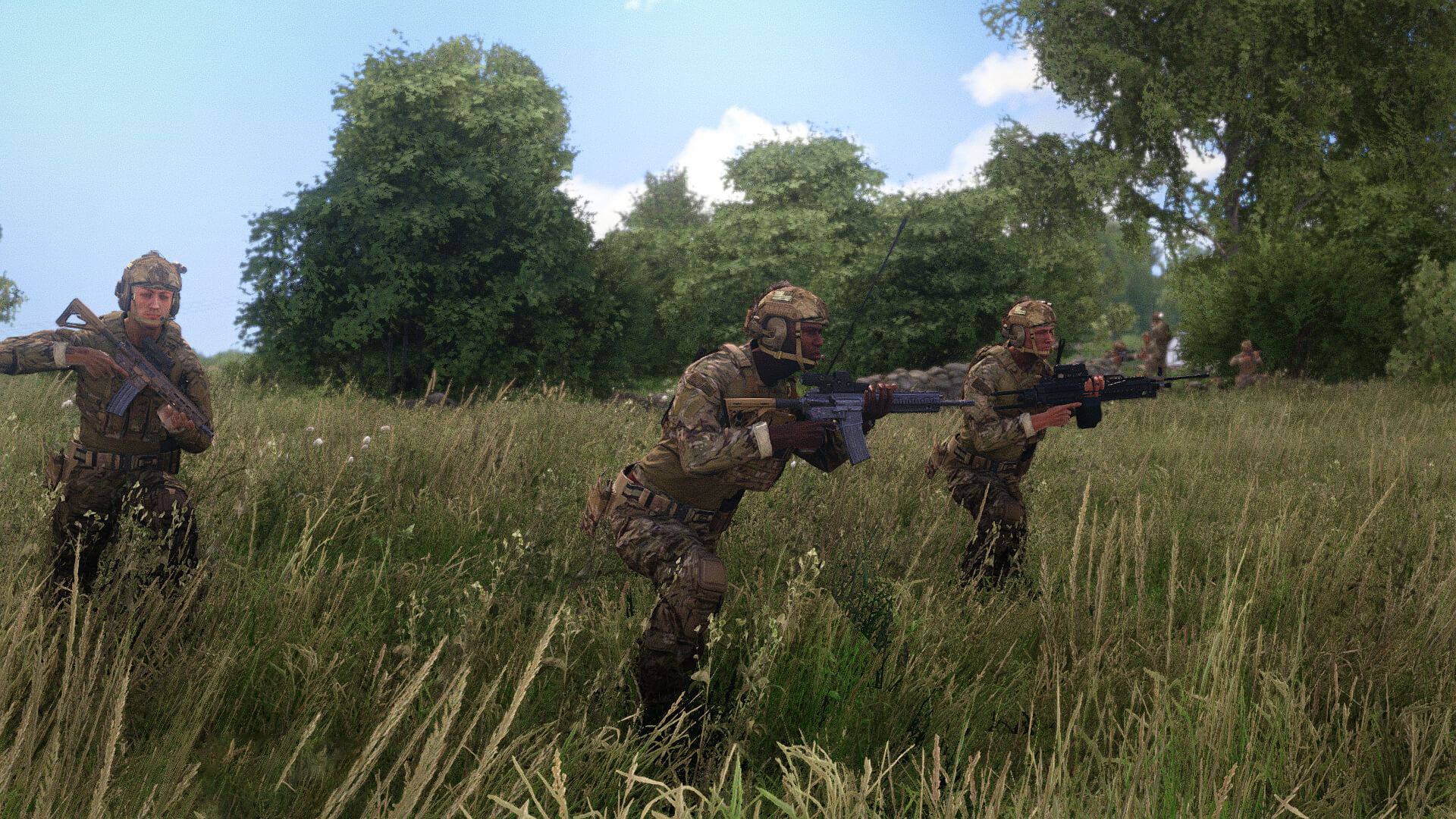
Multi-level formation stacking

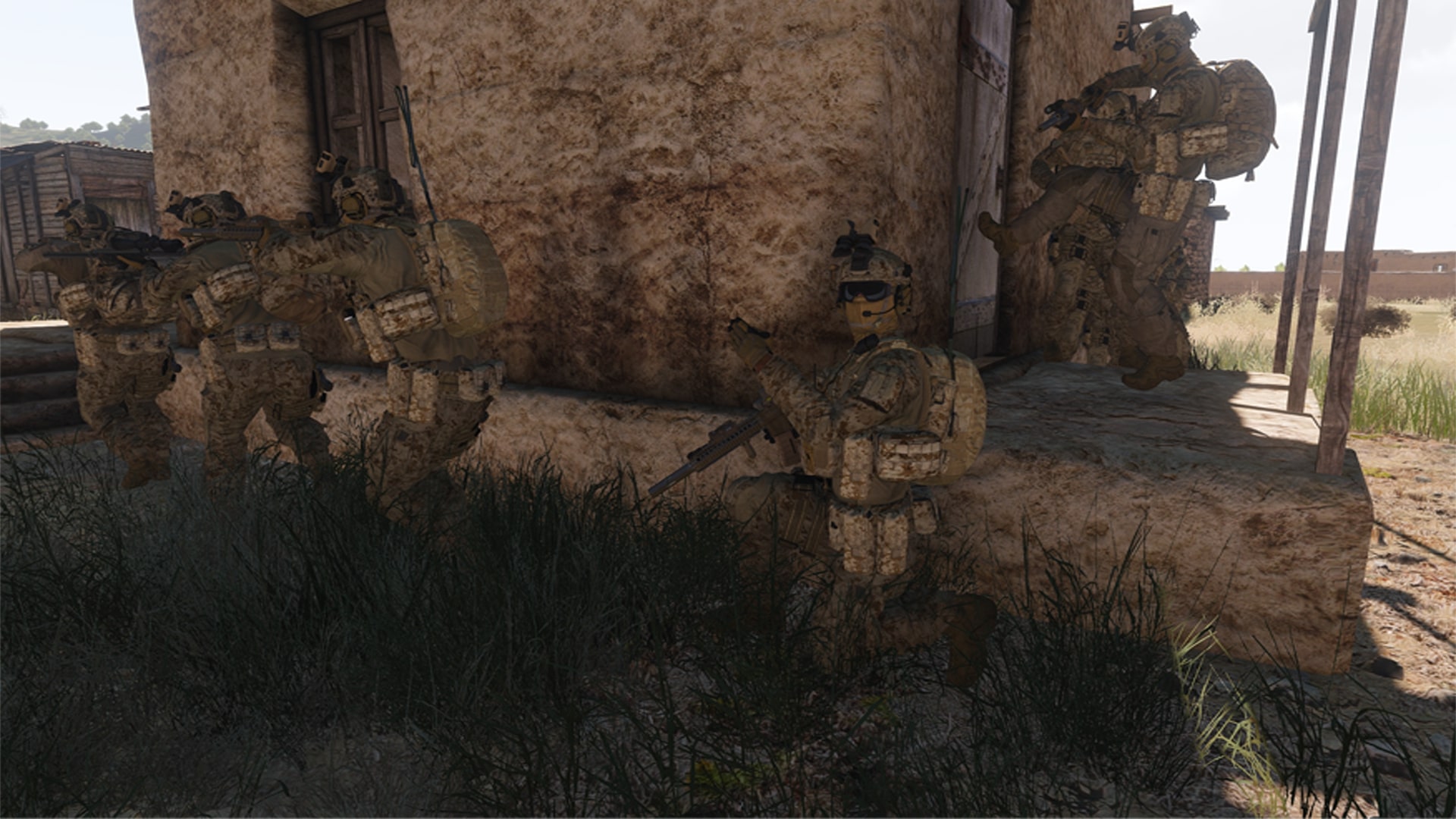
Formations can be layered across command levels with Platoons, squads, and fireteams each using different formations. Each leader determines formation appropriate to their level to enables flexibility without micromanagement.

Issuing formations with relative offsets

Use simple, relative directions when ordering formations.

  • Reference direction of movement, not bearings.
  • Use “front, left, right, rear” to describe offsets.

Controlling formations in movement

Formation control ensures spacing and cohesion throughout movement.

  • Leaders correct deviations using clear, relative directions.
  • Control is maintained by the formation’s overall leader.

Responsibilities of leading elements

Leading elements set the pace and direction.

  • Guide movement based on orders.
  • Prevent outpacing of trail elements.
  • Maintain observation forward and to flanks.
  • Provide point element if needed.

Responsibilities of trail elements

Keep proper spacing and offset from lead.

  • Communicate speed/distance issues.
  • Observe sectors based on offset:
    • Left offset = watch left/front
    • Right offset = watch right/front
    • Rear = observe rear
    • Share rear security if no dedicated element

Utilise an appropriate formation

Utilise an appropriate formation considering the following factors:

  • Speed
  • Expected direction of contact
  • Terrain
  • Desired profile (stealth)
  • Difficulty of maintaining and steering the formation

Use bounding overwatch when appropriate

Use bounding overwatch when moving towards or away from enemy positions to always have firepower aimed at the enemy.

Explicitly set the distance between bounds in function of what is desired:

  • Larger distances are faster
  • Shorter distances are safer and more effective when engaging the enemy

Use a peel manoeuvre when appropriate

Use a peel when moving laterally in relation to the enemy positions to always have firepower aimed at the enemy, and splitting the element would be detrimental to the engagement.

On role cards

On 23 role cards in 5 combat areas.

Named on

The other 11 roles read it through these cards.

By combat area

Next in Leadership of combat elements

FM/G233 Crossing danger areas