UNITAF Future
UNITAF

Caution

This site is a work in progress

This site is finished to different degrees. Feedback is welcome. Please bear in mind that most of what you see, if not everything, is still a work in progress.

Data from the live site is synced here every hour. Anything you do on this site stays here. It is not copied back to the live site until we switch over.

Discord and permissions are linked. Be careful with admin actions. Some of them also change Discord.

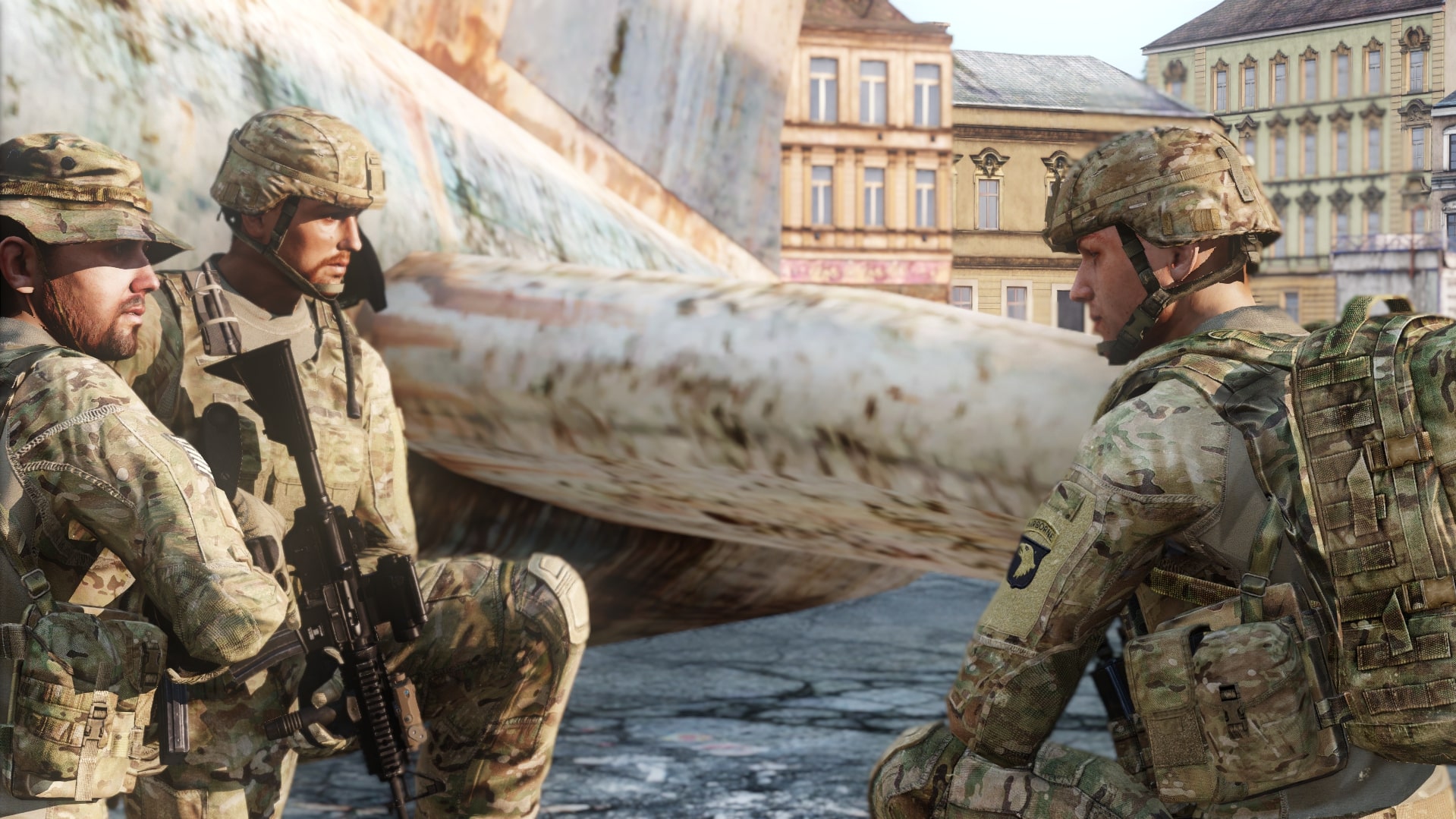
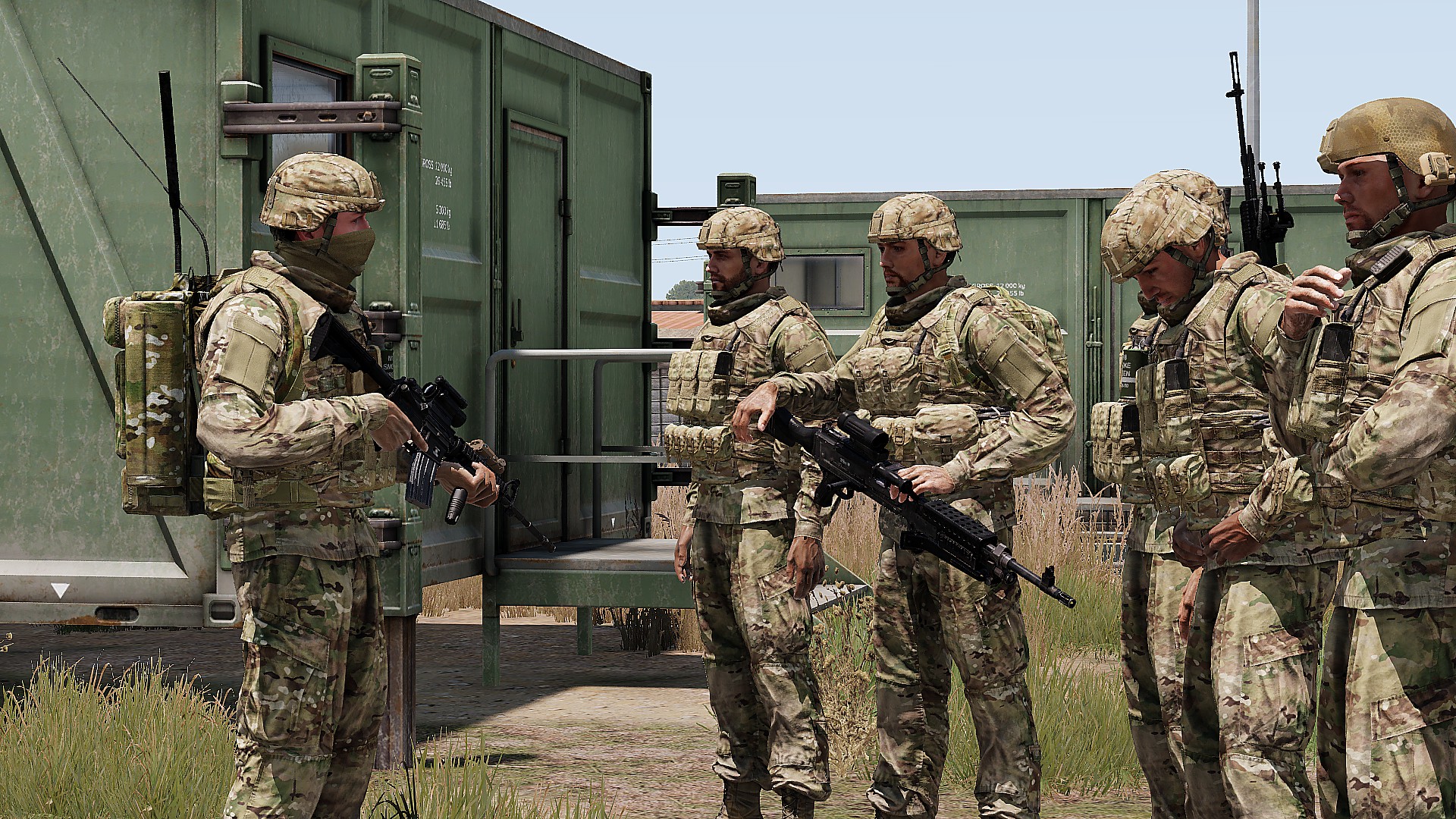
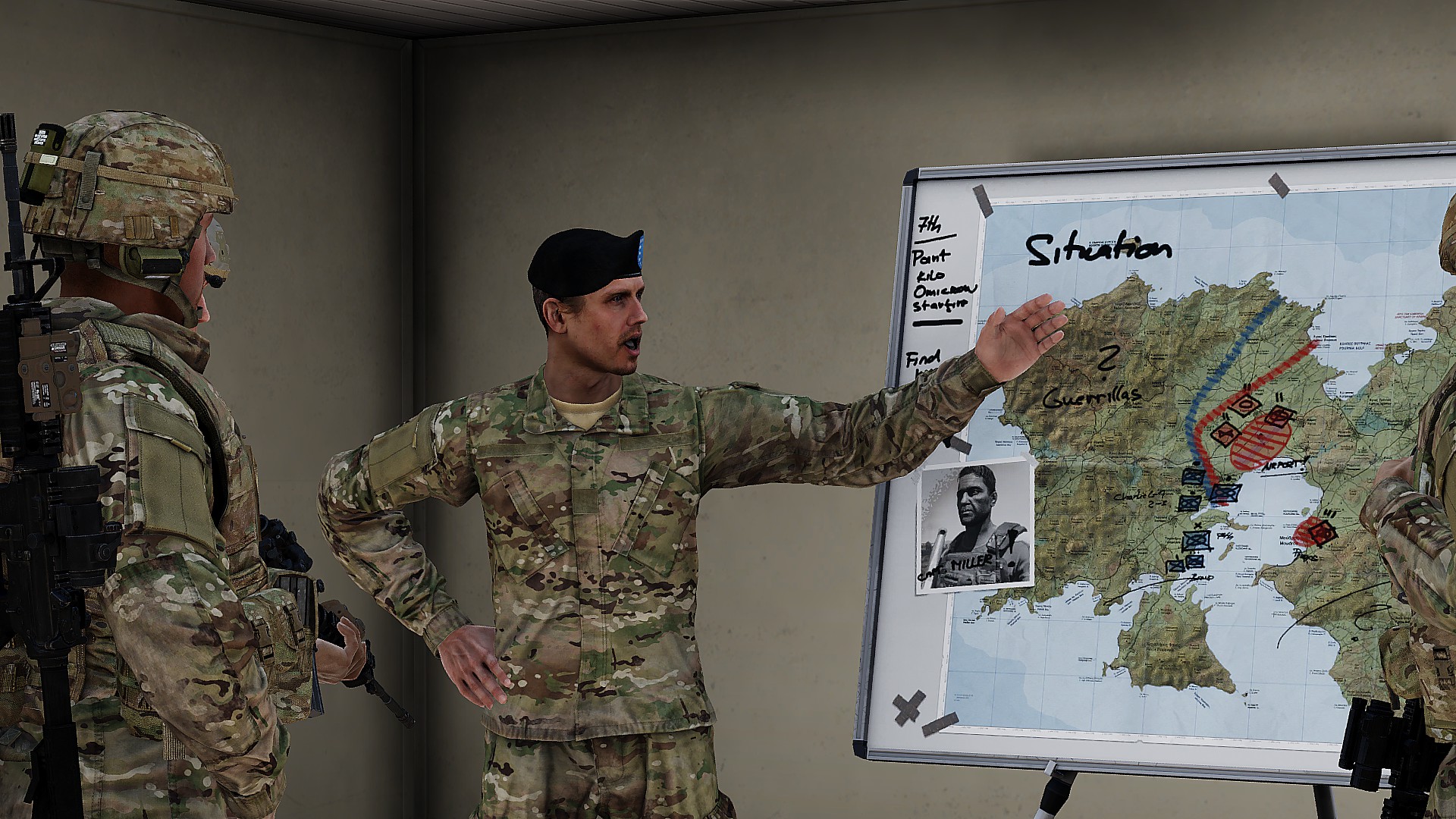
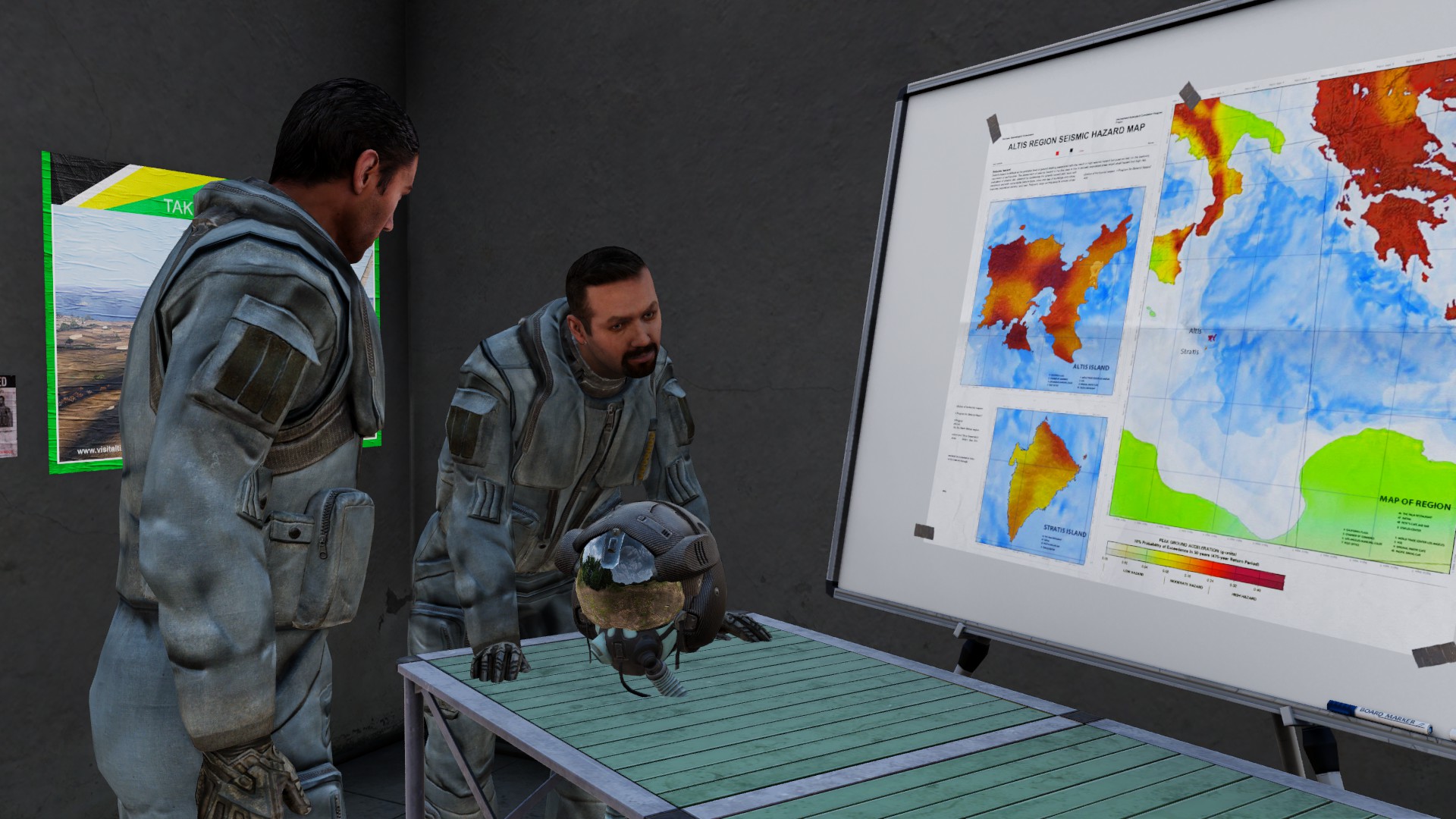
UNITAF members taking orders before an operation
Force Manual

The FM outlines our core skills, policies and guides to ensure every member stands ready for the mission ahead.

FM/G311 · Leadership basics

Leading an element

Passages
11
Reading time
3 mins
Views
83
Owned by
Unit Command
Platforms
Every platform
Role cards
25 cards
Published
23 Sep 2026
On this page

Command vs control

Command is the authority to decide and prioritise.
Control is the regulation and direction of forces to implement decisions.

Command

  • Establishes intent.
  • Allocates resources.
  • Sets priorities.

Control

  • Issues instructions.
  • Synchronises timing.
  • Adjusts actions during execution.

Effective leaders command centrally and control selectively to preserve initiative.

Maintain accountability

Accept responsibility for decisions and outcomes within the element:

  • Address errors immediately through constructive feedback and corrections, not public blame.
  • Capture faults, causes, and responsibility during AARs for formal follow-up if required.

Maintain command and control

Maintain control of of the element:

  • Issue clear tasks aligned with intent to all subordinate elements.
  • Monitor execution and intervene when elements drift off task.
  • Maintain continuous two-way information flow up and down the chain.
  • Synchronise subordinate actions to prevent isolation or conflict.
  • Re-task or re-prioritise elements as the situation changes.

Maintain composure

  • Maintain calm posture, tone, and decision-making under stress.
  • Issue clear, deliberate orders during friction or failure.
  • Suppress visible frustration, panic, or emotional reactions.
  • Take appropriate measures to stabilise the element during unexpected events.

Commander's intent

Commander’s Intent defines the purpose of an operation, the desired end state, and the key effects required to achieve mission success. It provides direction without prescribing detailed execution, enabling subordinate leaders to act independently while remaining aligned with higher objectives.

Commander’s Intent exists at every level of command:

  • Fireteam level: intent clarifies the immediate objective and priority of effort (e.g. suppress, secure, clear, hold). It ensures members understand what must be achieved if communication is lost or conditions change.
  • Squad level: intent describes the squad’s role within the platoon plan, the decisive action required, and the conditions that define success. It guides manoeuvre, tempo, and risk decisions.
  • Platoon level: intent establishes how squads combine to achieve a broader tactical effect. It identifies the main effort, supporting efforts, and the operational end state.
  • Company level: intent defines the overall tactical objective, desired battlefield conditions, and acceptable risk. It shapes subordinate planning and ensures unity of effort across multiple platoons.

Commander’s Intent allows initiative within boundaries. When plans break down, leaders act in accordance with intent rather than waiting for orders. Clear intent preserves momentum, cohesion, and operational effectiveness at every level.


Keep everyone informed

Keep your direct subordinates informed with all the needed information for them to function:

  • Updates on the tactical situation
  • Current tasking and intent

Ensure you give enough information so that another person can take over leadership without needing additional information.

Communicate Commander’s Intent

Communicate the purpose and desired outcome of an operation so subordinate leaders can act independently while remaining aligned with the plan.

  • State the purpose of the operation.
  • Define the conditions that represent success.
  • Identify the main effort or decisive action.
  • State essential constraints and acceptable risk.
  • Provide sufficient direction for subordinate leaders to act if the plan or communications fail.
  • Confirm subordinate leaders understand the intent.

Prepare for missions

When preparing for a mission, take care of the following:

  • Bring the correct equipment, in the right quantities
  • Set standard formations, plans for movement and other actions-on
  • Ensure succession of command is clear

Lead decisively

Make decisive decisions:

  • Make a clear decision in a timely manner in line with the commander's intent, even when information is incomplete.
  • Communicate the decision clearly to the element.
  • Commit to the decision and direct execution without hesitation.
  • Avoid repeatedly changing decisions unless the situation has materially changed.
  • Maintain confidence and composure to reinforce cohesion and trust within the element.

Recognise and act within element capability

Evaluate the element’s combat effectiveness, resources, and condition before and during task execution:

  • Recognise when assigned tasks exceed current capability or risk becoming unachievable.
  • Identify indicators that continued action will result in unnecessary losses or mission failure.
  • Decide to pause, withdraw, or disengage when risk outweighs potential gain.
  • Communicate limitations and recommended actions clearly up the chain of command.
  • Preserve personnel and equipment to enable future tasking and continued operations.

Dominating the objective

Dominating the battlefield is the ability to control the tempo, positioning, and flow of combat to achieve objectives while limiting enemy freedom of action.

Key methods of achieving dominance:

  • Control key terrain: High ground, choke points, avenues of approach.
  • Maintain initiative: Force the enemy to react.
  • Coordinate forces: Synchronize squads, fire teams, and support.
  • Situational awareness: Monitor the battlefield to make informed decisions.

Why It’s Important:

  • Reduces risk to friendly forces.
  • Limits enemy options and predictability.
  • Maintains operational tempo.
  • Maximizes combat effectiveness.
  • Increases likelihood of mission success.

On role cards

On 25 role cards in 6 combat areas.

Named on

The other 7 roles read it through these cards.

By combat area

Next in Leadership basics

FM/G312 Issuing orders