UNITAF Future
UNITAF

Caution

This site is a work in progress

This site is finished to different degrees. Feedback is welcome. Please bear in mind that most of what you see, if not everything, is still a work in progress.

Data from the live site is synced here every hour. Anything you do on this site stays here. It is not copied back to the live site until we switch over.

Discord and permissions are linked. Be careful with admin actions. Some of them also change Discord.

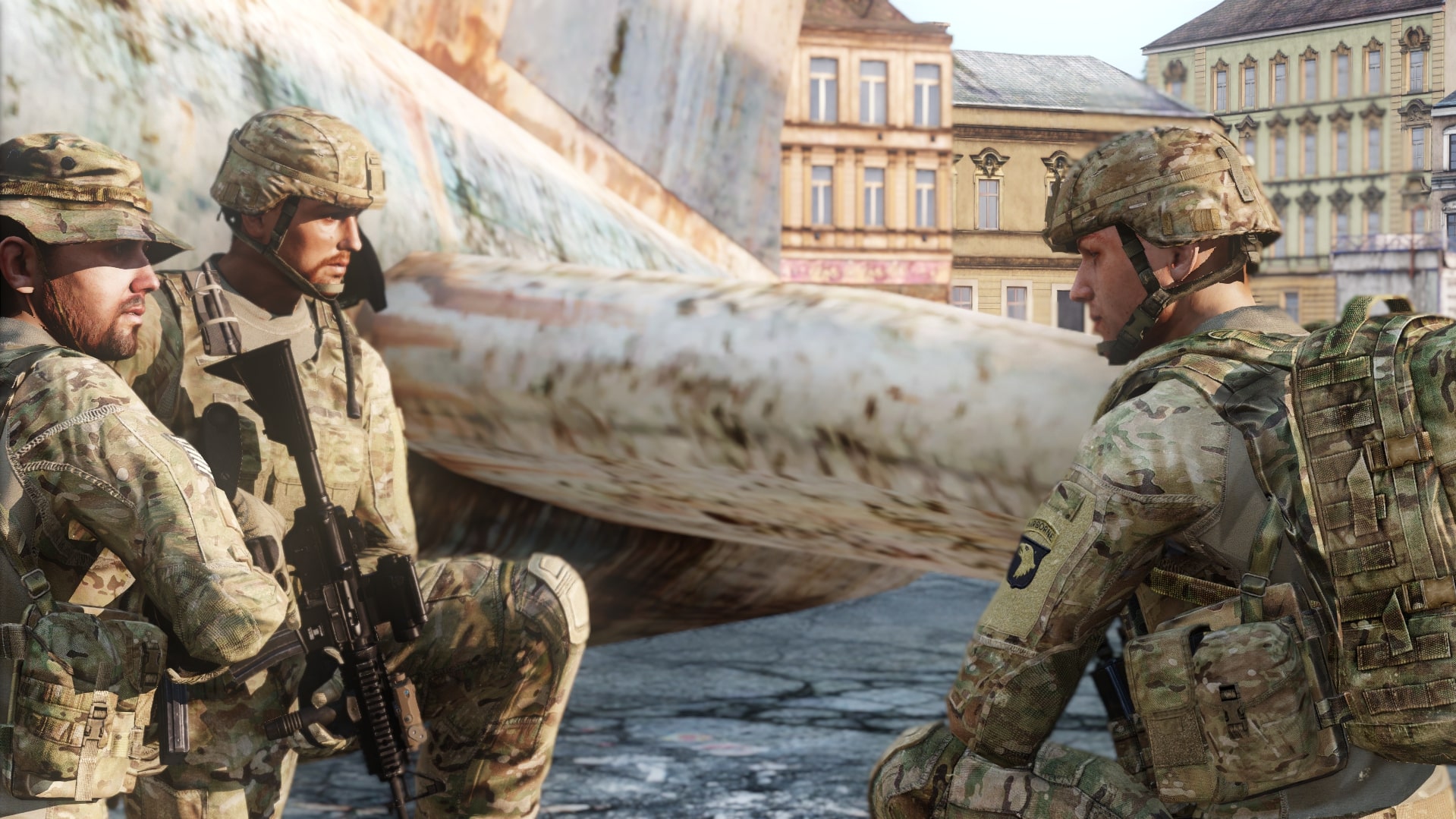
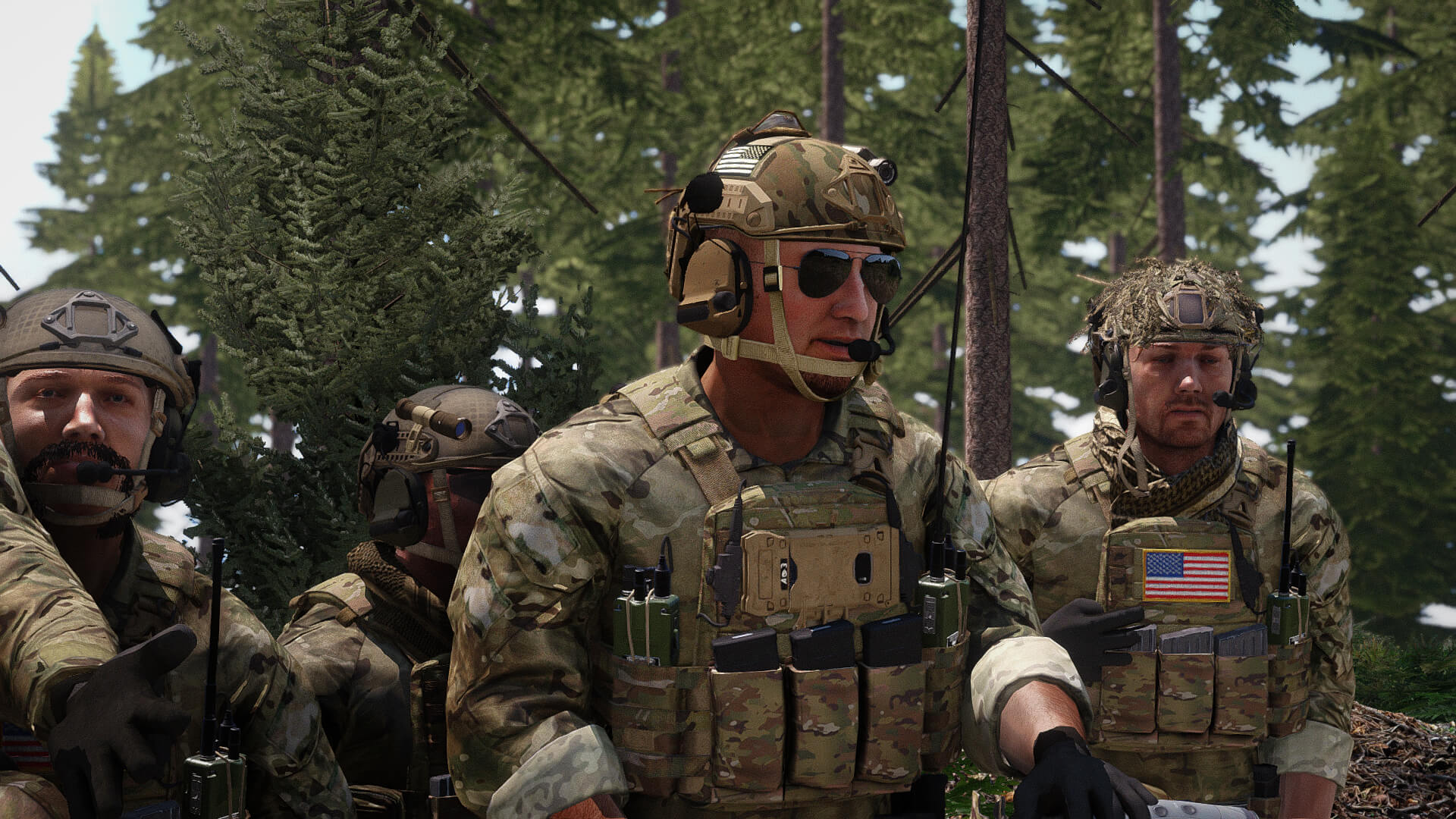
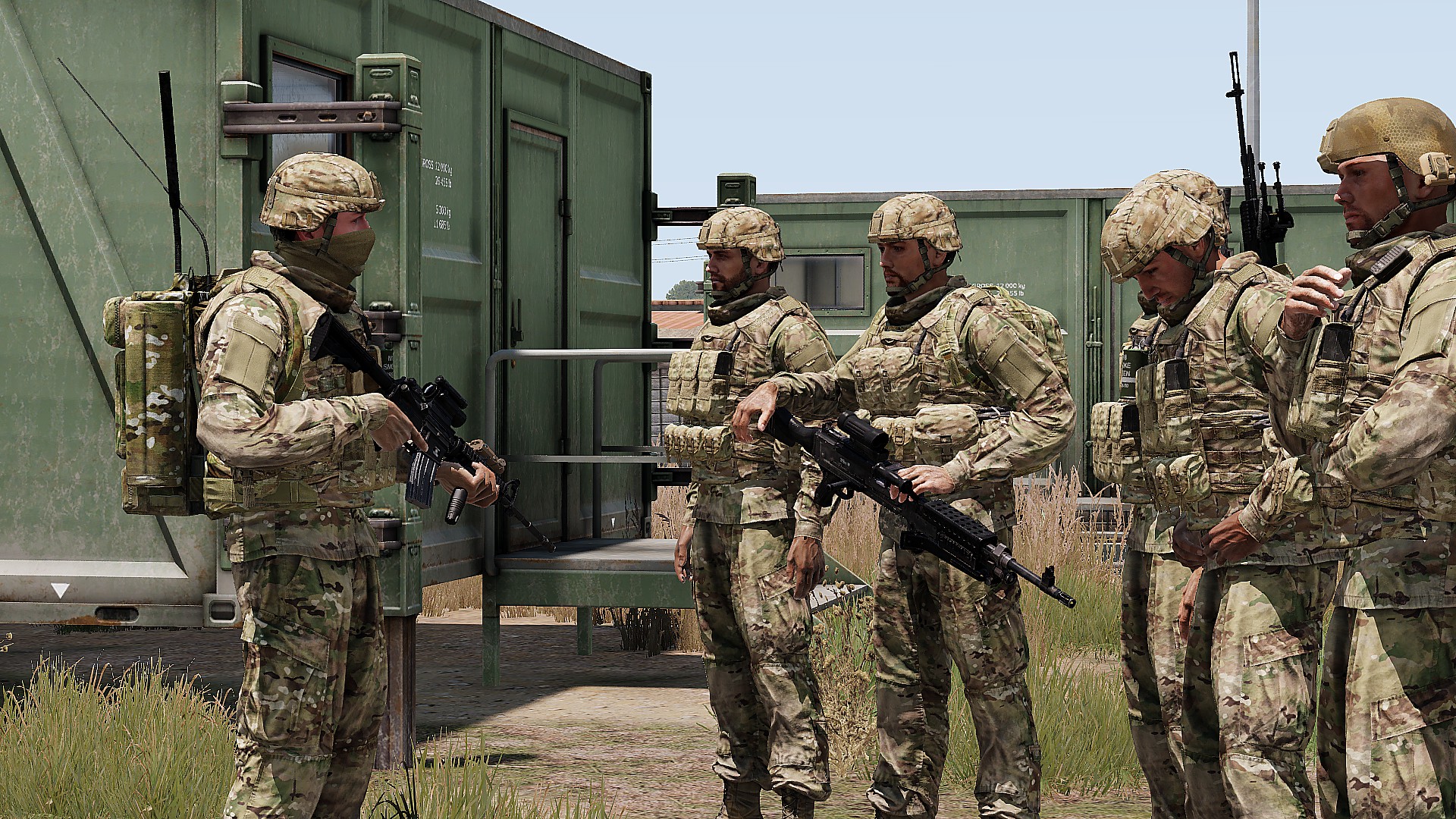
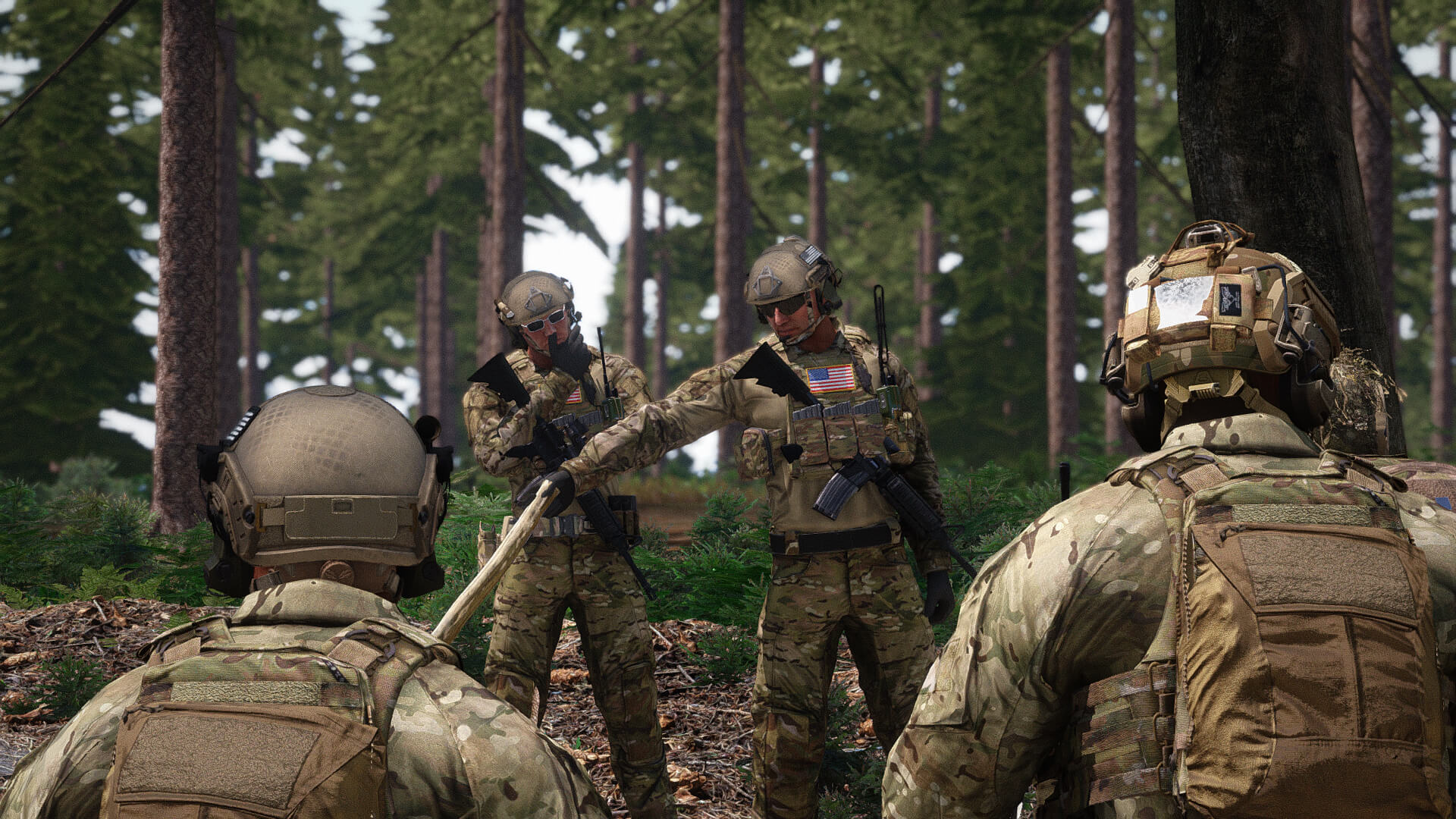
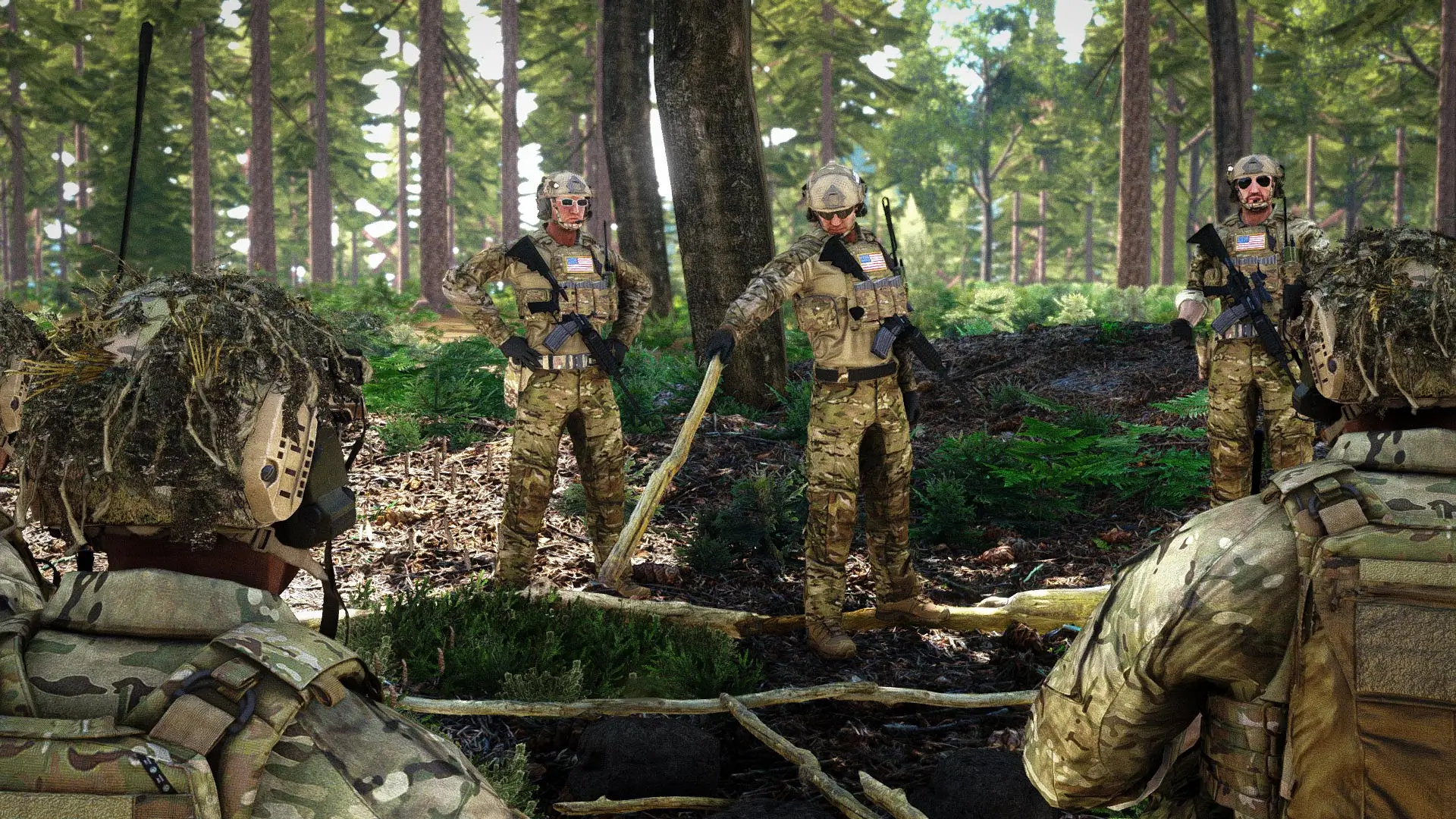
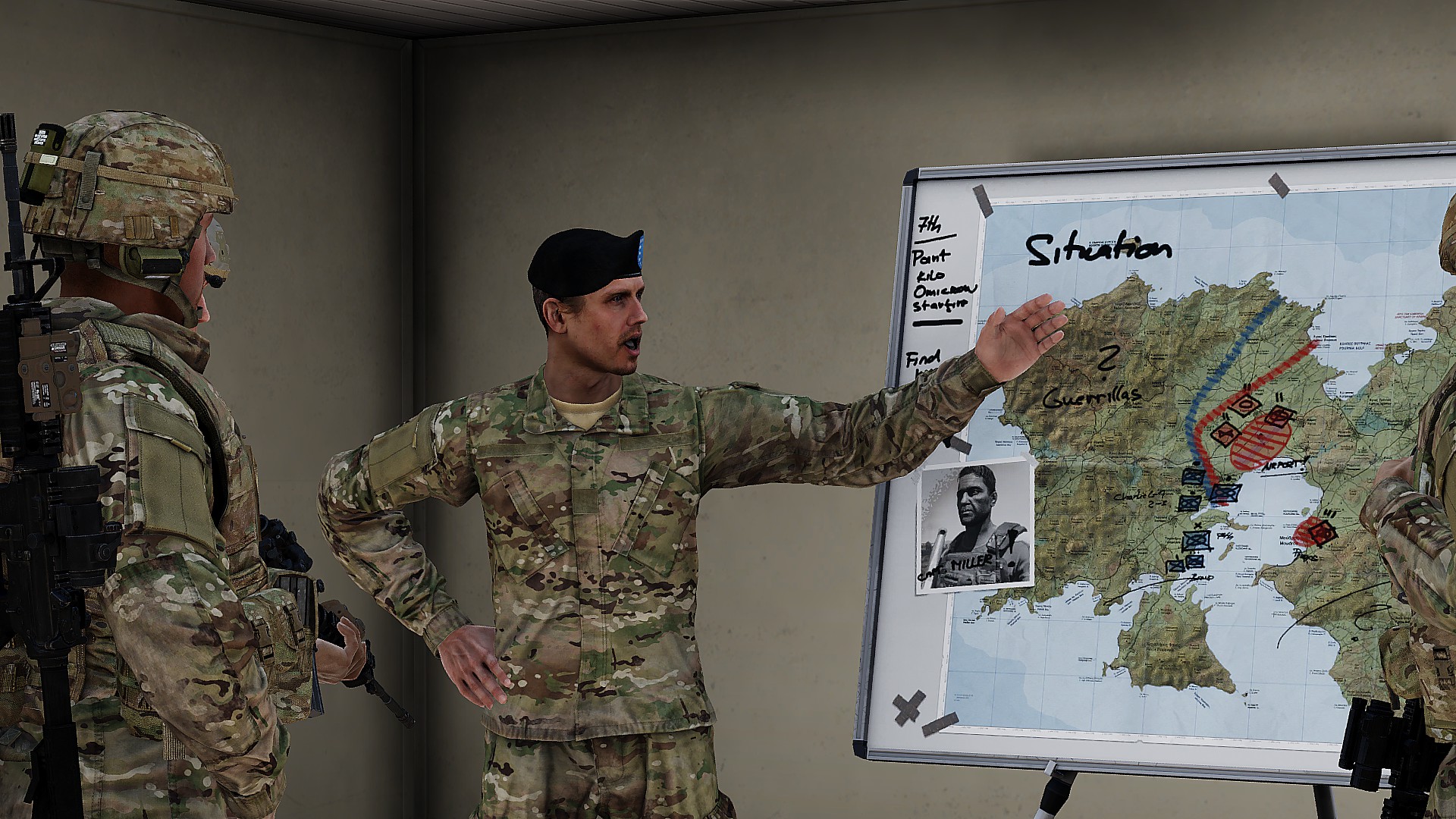
UNITAF members taking orders before an operation
Force Manual

The FM outlines our core skills, policies and guides to ensure every member stands ready for the mission ahead.

FM/G323 · Defensive tactics

Building stones of defensive tactics

Passages
4
Reading time
2 mins
Views
80
Owned by
Unit Command
Platforms
Every platform
Role cards
22 cards
Published
23 Sep 2026
On this page

Achieve fire superiority

Apply sufficient fire to reduce the enemy’s ability to return effective fire.

  • Direct fire toward known or suspected enemy positions to suppress them.
  • Increase volume, accuracy, or tempo of fire until enemy fire becomes ineffective or sporadic.
  • Use suppressive fire as the primary method; at closer ranges or against small elements, deliberate fire may be sufficient.
  • Maintain fire until friendly manoeuvre or disengagement is achieved.

Fire superiority enables freedom of movement and reduces friendly casualties.
Fire and manoeuvre

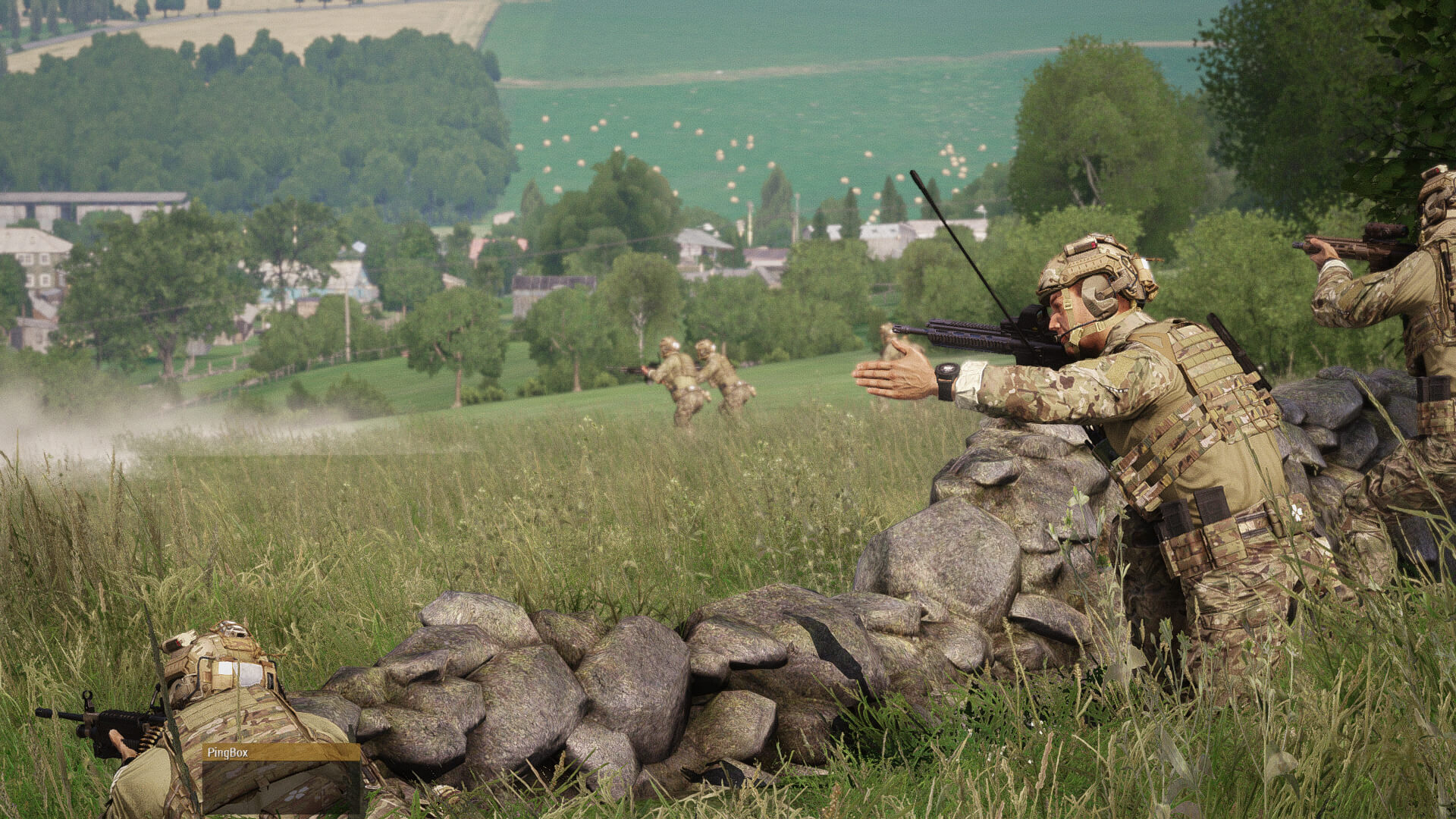
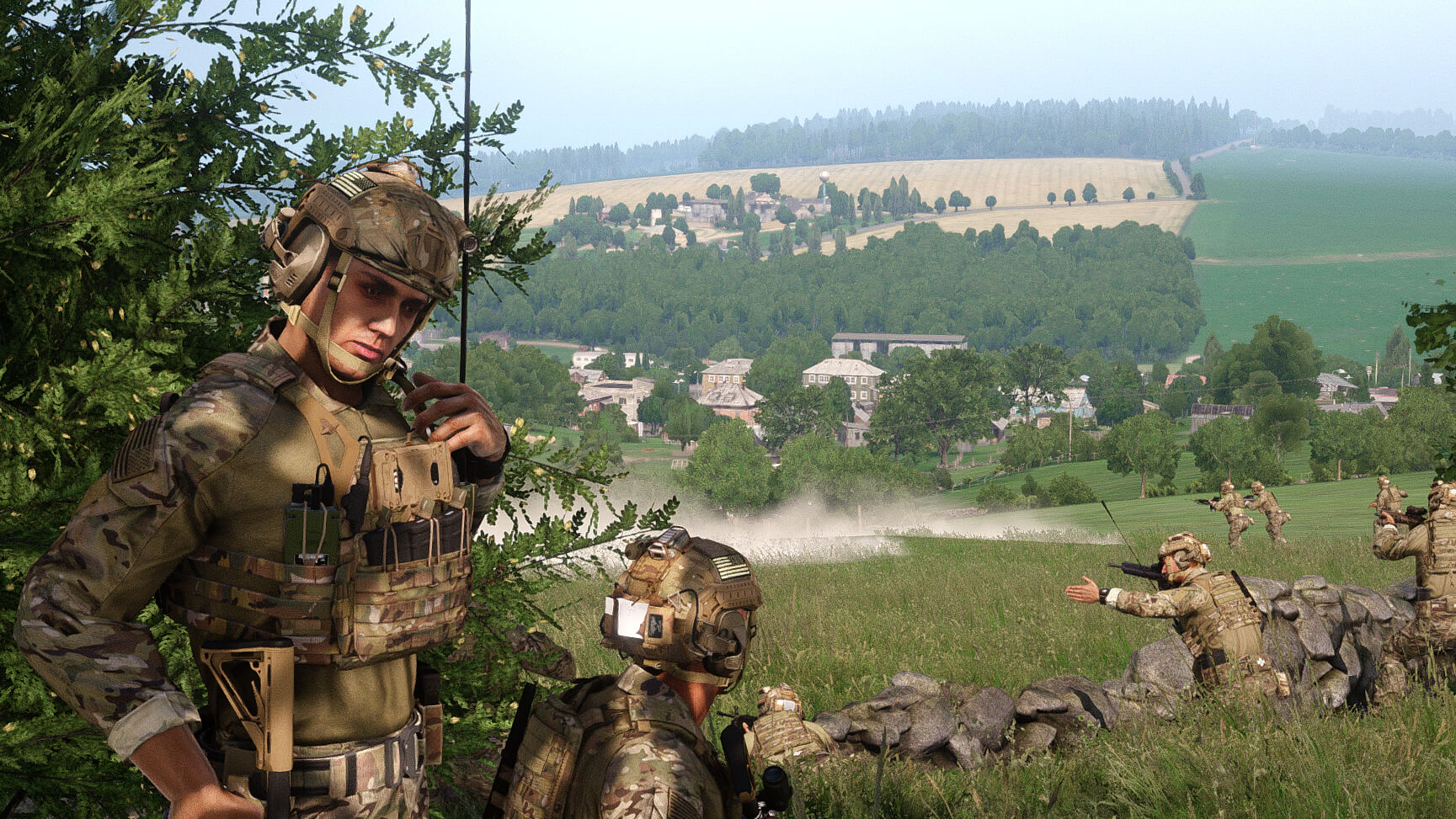
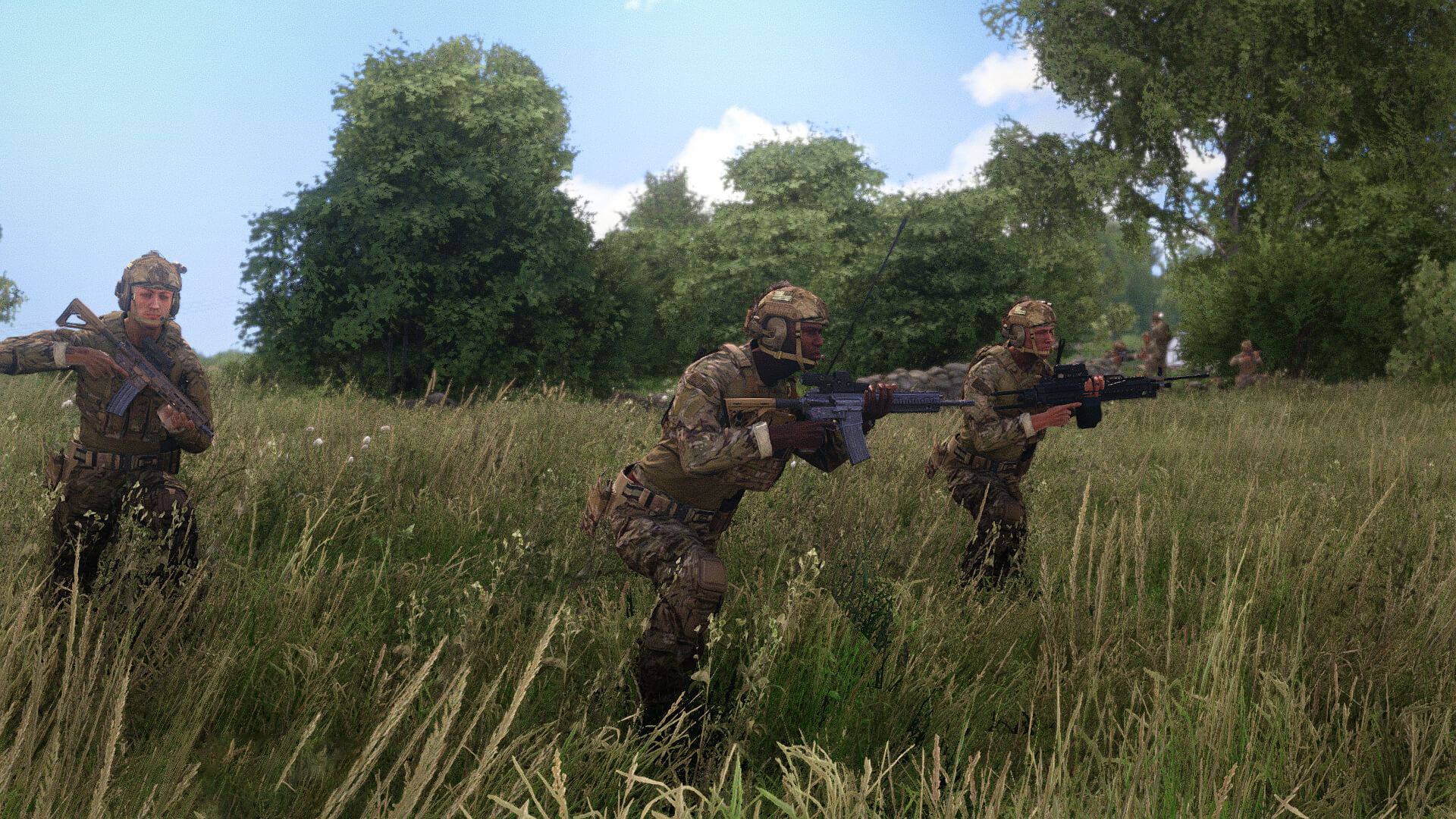
Engage the enemy while repositioning to prevent being fixed in place.

  • Apply effective fire to suppress or fix the enemy.
  • Reposition elements after limited engagement time from the same position.
  • Use movement to deny the enemy predictable targeting and control.
  • Exploit new positions to gain improved firing angles and observation.
  • Maintain coordination so fire and movement remain mutually supporting.

Prolonged firing from a single position increases vulnerability. Continuous manoeuvre preserves initiative and survivability.

Setup a sector defense

Effectively allocate firepower to cover likely enemy approaches while preventing overlap and friendly fire.

  • Identify likely enemy avenues of approach within the assigned area.
  • Divide the sector into clearly defined fire arcs covering only viable threat directions.
  • Assign each individual, buddy team, or weapon system a specific arc using bearings, clock directions, or terrain references.
  • Ensure arcs do not overlap unnecessarily, especially across friendly positions or movement routes.
  • Confirm all personnel understand their assigned arc and engagement limits.
  • Adjust arcs as the situation, terrain, or friendly positioning changes.

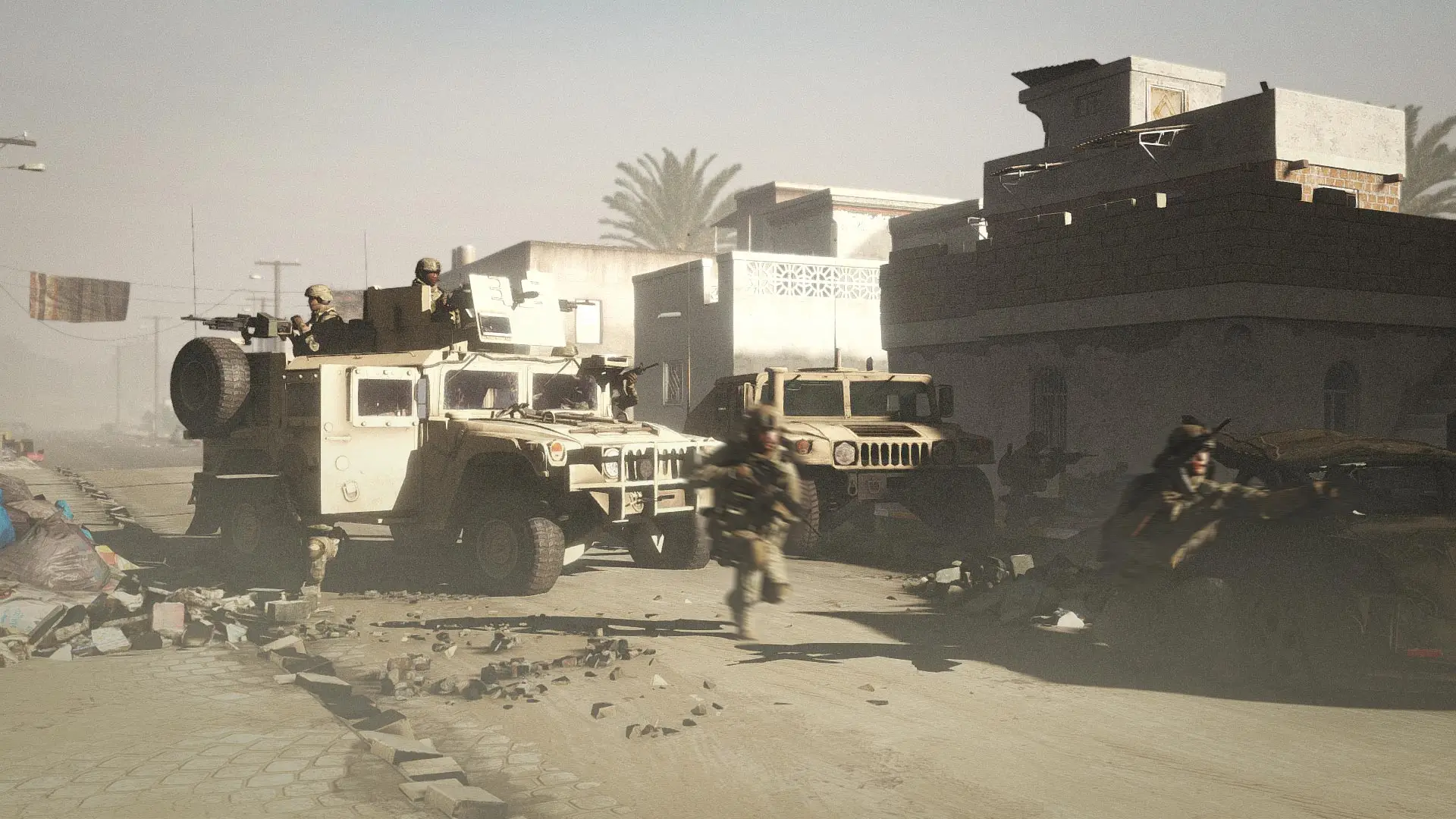
Break contact

Reposition the element away from the enemy in a controlled and deliberate manner to end the engagement.

  • Issue a clear command to disengage; explicitly order personnel to cease fire when required.
  • Establish suppression or covering elements as needed to enable movement.
  • Reposition by bounds or controlled movement to increase distance from the enemy.
  • Maintain element cohesion and accountability throughout the movement.
  • Once clear, re-establish security and prepare for follow-on actions.

Breaking contact creates a short period of vulnerability. Speed, discipline, and clear leadership are critical, as personnel may instinctively continue engaging unless directed otherwise.

On role cards

Next in Defensive tactics

FM/G137 Breaking contact