UNITAF Future
UNITAF

Caution

This site is a work in progress

This site is finished to different degrees. Feedback is welcome. Please bear in mind that most of what you see, if not everything, is still a work in progress.

Data from the live site is synced here every hour. Anything you do on this site stays here. It is not copied back to the live site until we switch over.

Discord and permissions are linked. Be careful with admin actions. Some of them also change Discord.

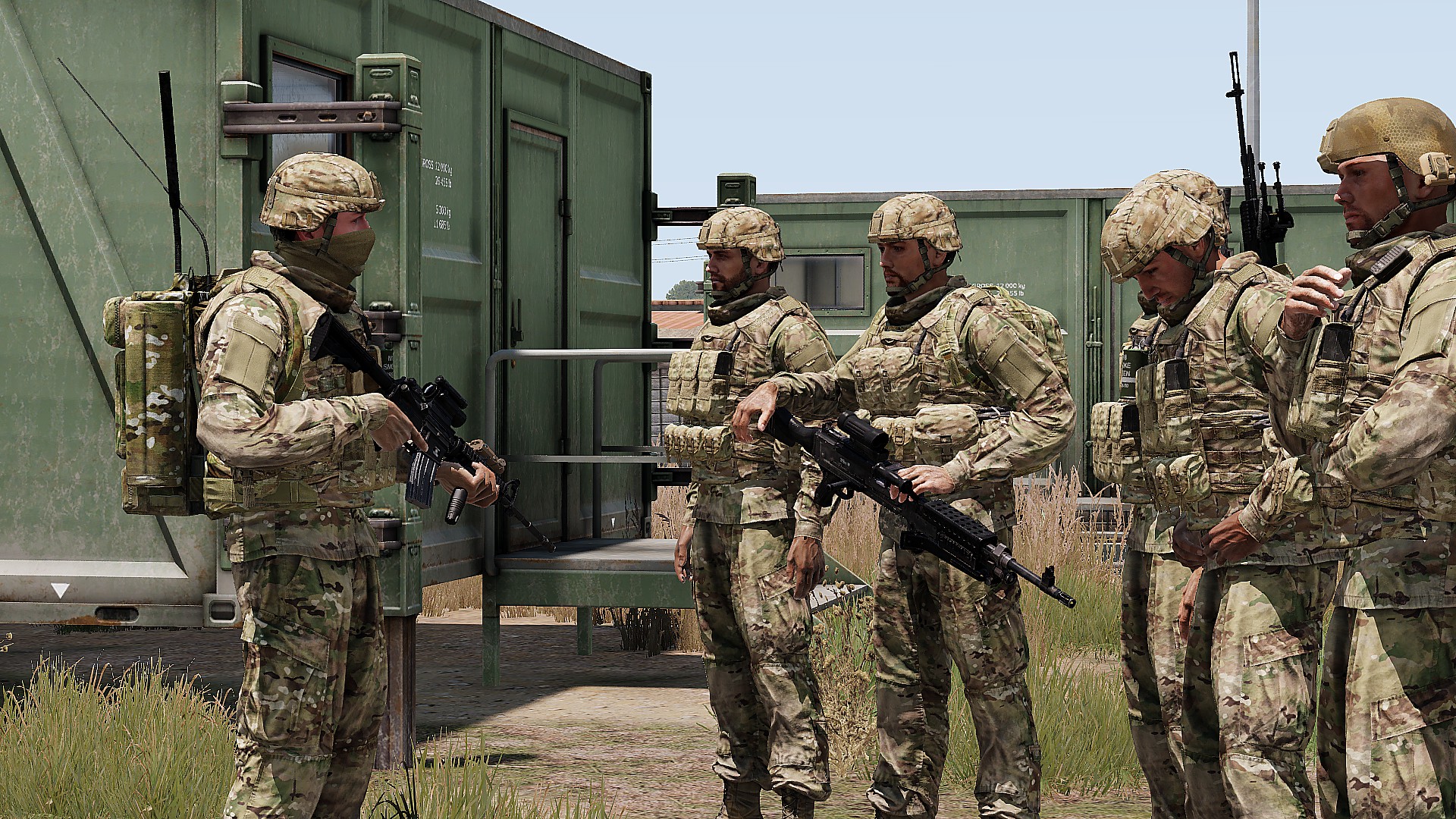
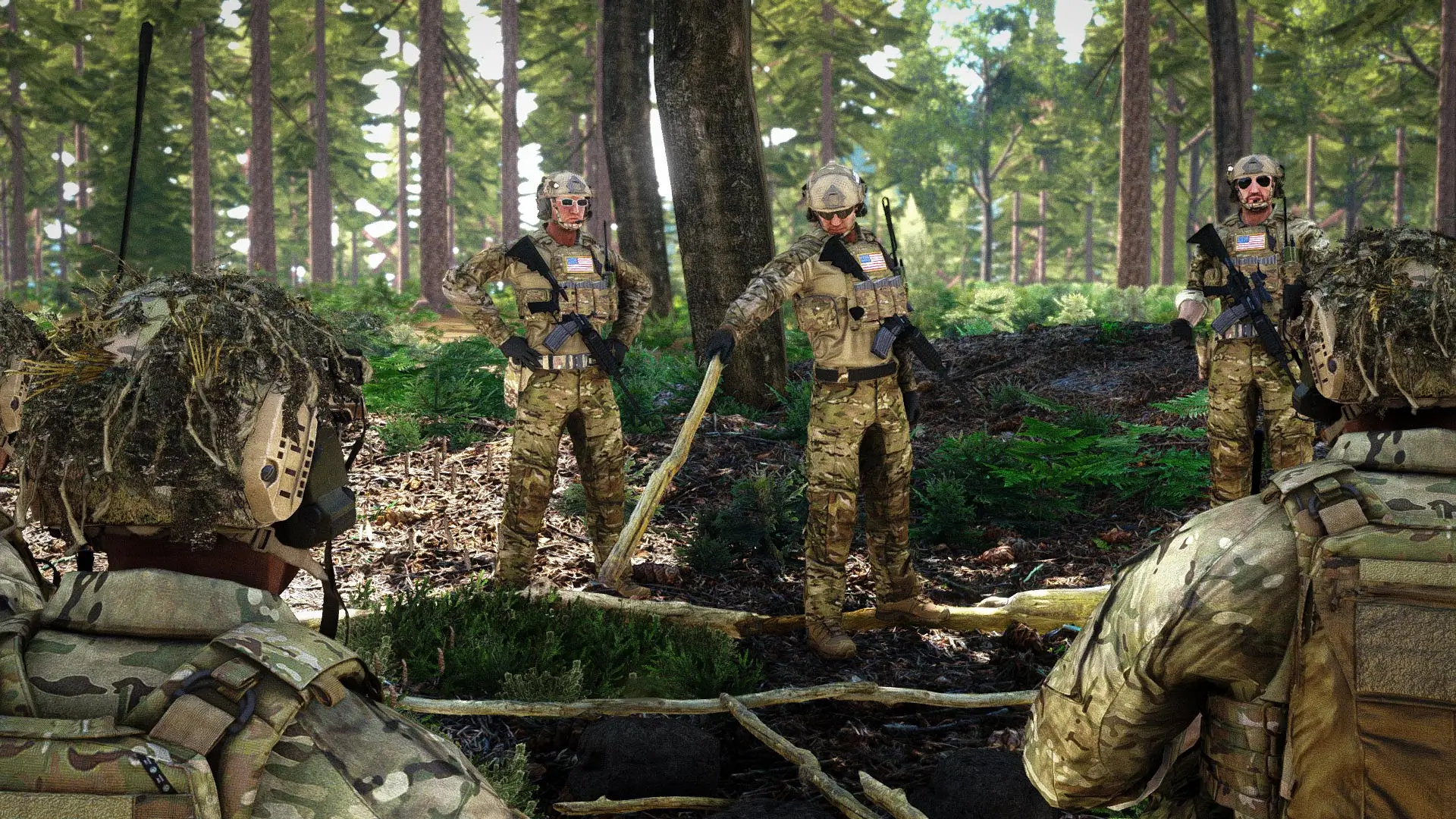
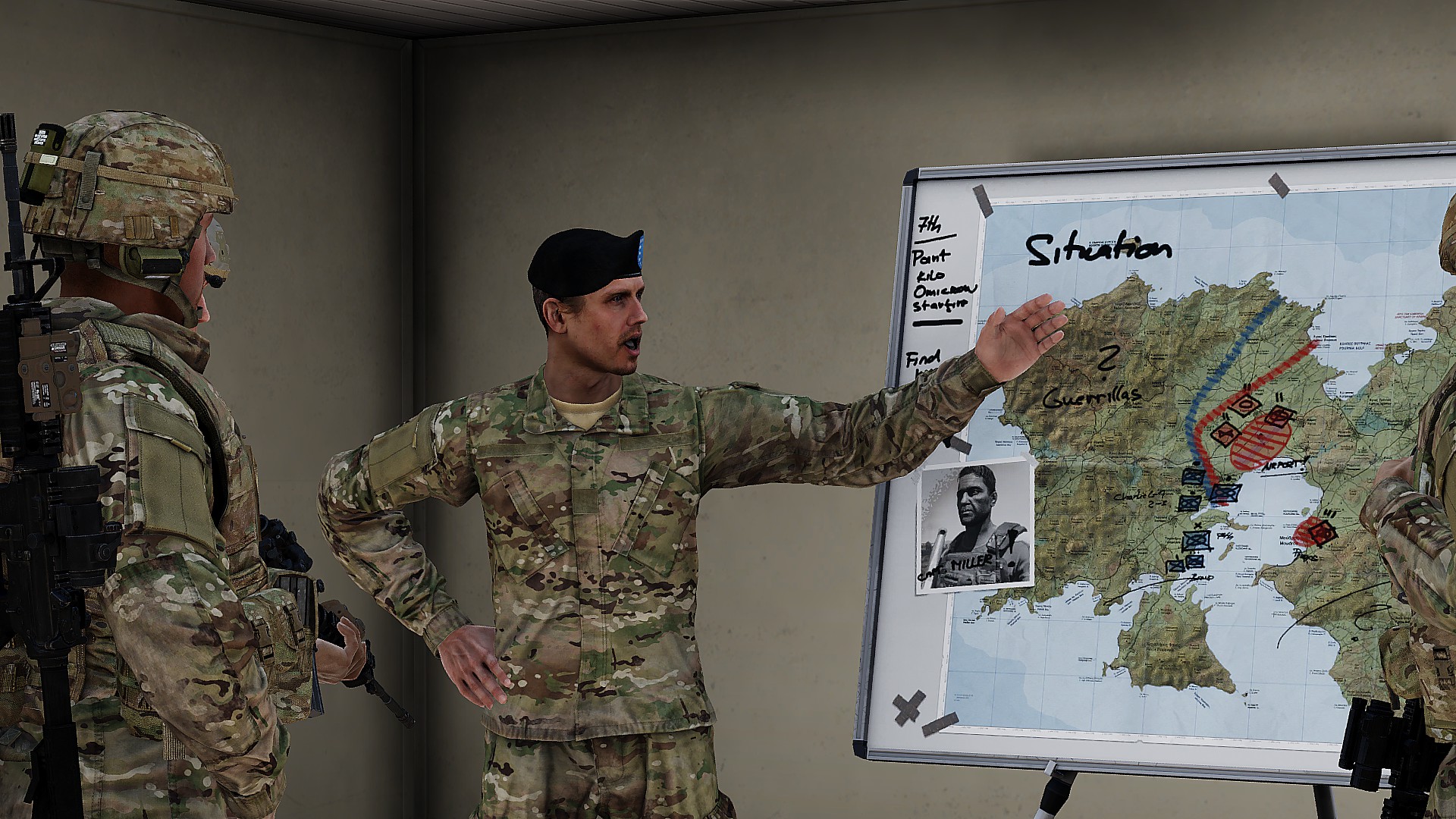
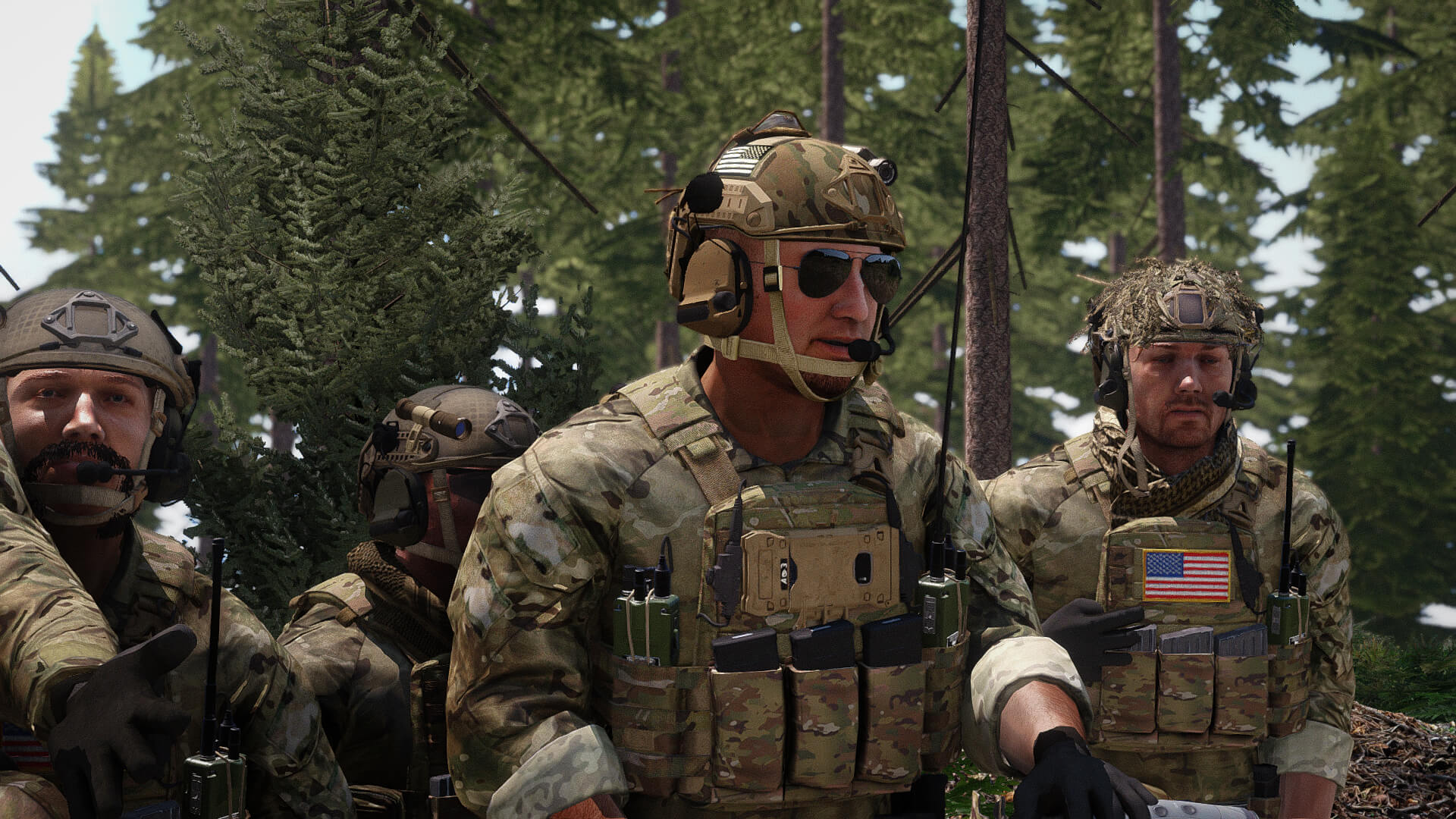
UNITAF members taking orders before an operation
Force Manual

The FM outlines our core skills, policies and guides to ensure every member stands ready for the mission ahead.

FM/G406 · Deployment planning

Priorities and Contingencies

Passages
4
Reading time
1 min
Views
82
Owned by
Unit Command
Platforms
Every platform
Role cards
11 cards
Published
23 Sep 2026
On this page

Main and Supporting Efforts

The main effort is the element or action whose success is most important to achieving the current objective. Supporting efforts create the conditions required for the main effort to succeed.

The main effort should normally receive priority for:

  • Supporting fires
  • Reconnaissance and intelligence
  • Engineering and mobility support
  • Medical and logistical support
  • Reinforcement
  • Freedom of movement

The main effort may change during an operation. Any change should be clearly communicated, with support and resources reassigned accordingly.
Use of Reserves

A reserve is an uncommitted element retained to respond to expected or unexpected developments.

A reserve may be used to:

  • Reinforce the main effort
  • Exploit success
  • Respond to enemy manoeuvre
  • Replace a combat-ineffective element
  • Protect a vulnerable flank or rear
  • Support a counter-attack
  • Enable a disengagement

A reserve should be protected, mobile and positioned where it can influence the operation. Once committed, a new reserve should be established where practical.

Branches and Sequels

A branch is an alternative action taken when the current operation develops differently from the original plan.

Examples include:

  • Bypassing or breaching an unexpected obstacle
  • Changing the axis of advance
  • Committing the reserve
  • Transitioning from attack to defence
  • Withdrawing after unacceptable losses

A sequel is a follow-on action conducted after the current operation or phase.

Examples include:

  • Exploiting a successful attack
  • Moving to a follow-on objective
  • Establishing a defence after seizing terrain
  • Withdrawing after a raid
  • Reorganising for another task

Only likely or high-impact branches and sequels should be developed in detail.

Decision Points and Triggers

A decision point is a condition requiring the commander to select or initiate an action.

Triggers may include:

  • An element crossing a phase line
  • The enemy entering an engagement area
  • A breach being completed
  • A subordinate element becoming combat ineffective
  • A support asset becoming available
  • A casualty or supply threshold being reached
  • The reserve being required
  • A time limit expiring

Decision points should be linked to clear actions. If a condition does not require a decision, report or action, it may not need to be established.

On role cards

Next in Deployment planning

FM/G405 Task Organisation and Support