UNITAF Future
UNITAF

Caution

This site is a work in progress

This site is finished to different degrees. Feedback is welcome. Please bear in mind that most of what you see, if not everything, is still a work in progress.

Data from the live site is synced here every hour. Anything you do on this site stays here. It is not copied back to the live site until we switch over.

Discord and permissions are linked. Be careful with admin actions. Some of them also change Discord.

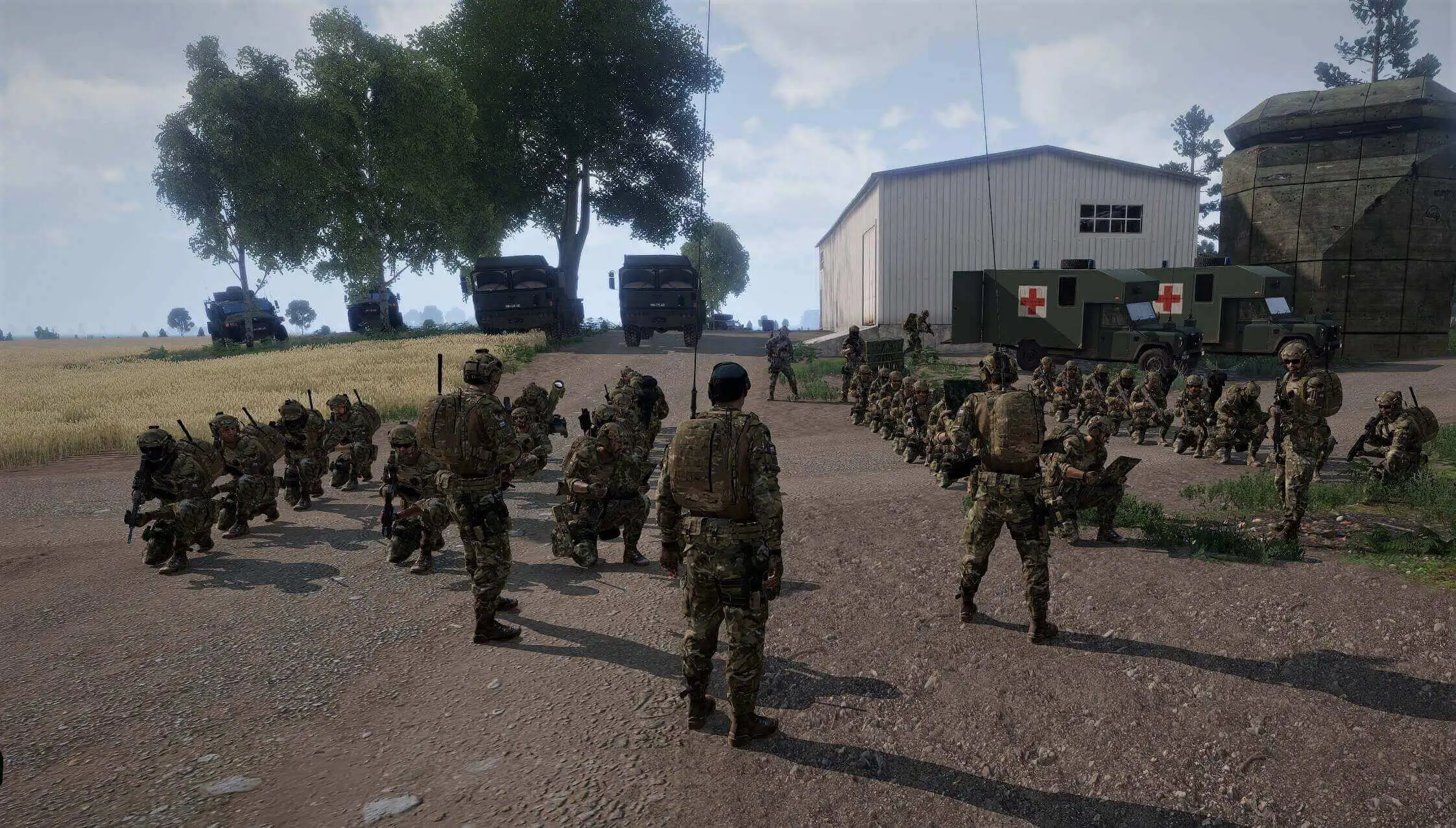
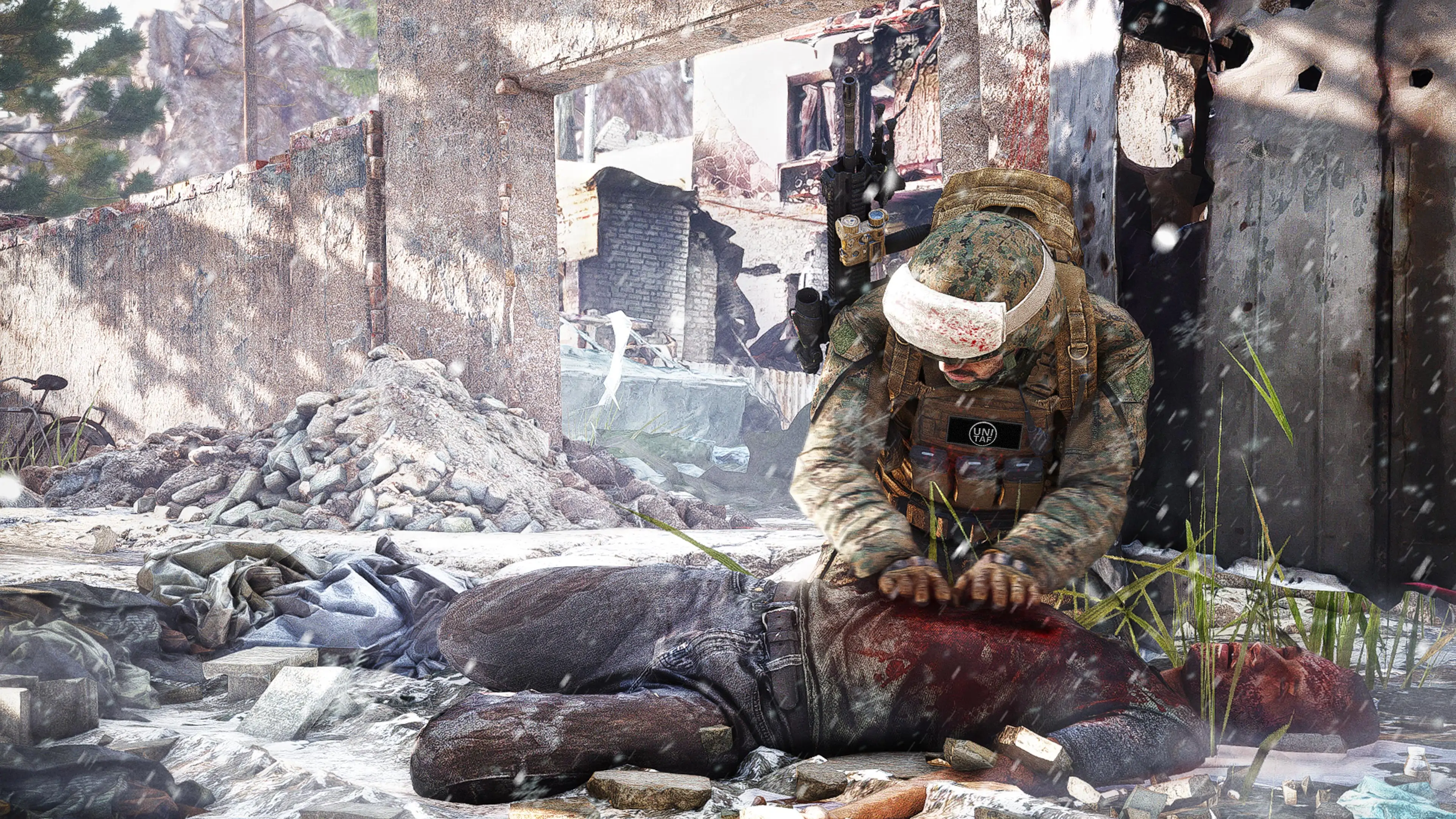
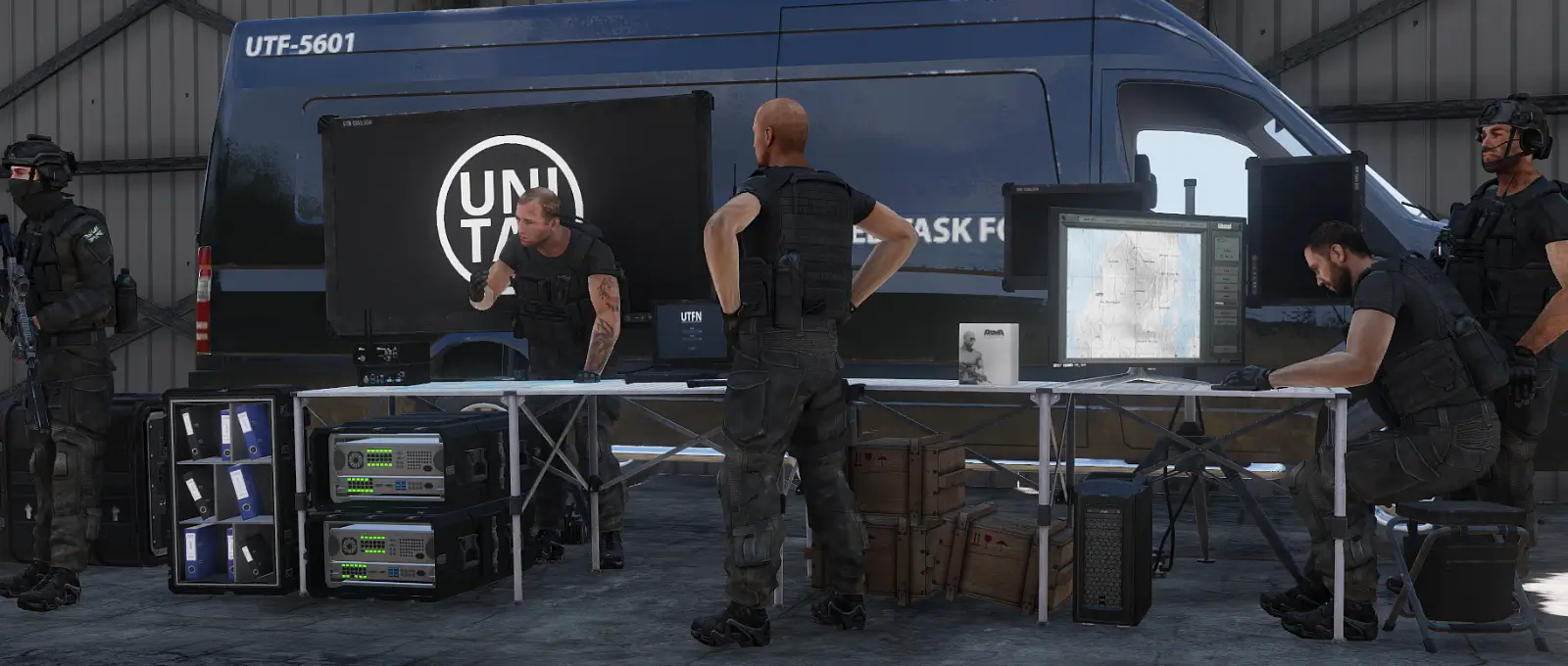
UNITAF members taking orders before an operation
Force Manual

The FM outlines our core skills, policies and guides to ensure every member stands ready for the mission ahead.

FM/G87 · First aid

Dealing with wounds

Passages
5
Reading time
2 mins
Views
84
Owned by
Unit Command
Platforms
Every platform
Role cards
102 cards
Published
23 Sep 2026
On this page

Types of wounds

Abrasions (or scrapes)

  • They occur when the skin is rubbed away by friction against another rough surface.
  • Sources: falling, vehicle crashes.
  • Effects: pain - extremely light, bleeding - extremely slowly.

Avulsions

  • Occur when an entire structure or part of it is forcibly pulled away, such as the loss of a permanent tooth or an ear lobe.
  • Sources: explosions, vehicle crashes, grenades, artillery shells, bullets, backblast.
  • Effects: pain - extremely high, bleeding - extremely fast (depends on wound size).

Contusions (Bruises)

  • Also called bruises, these are the result of a forceful trauma that injures an internal structure without breaking the skin.
  • Sources: bullets, backblast, vehicle crashes, falling.
  • Effects: pain - light, no bleeding.

Crush wounds (crushed tissue)

  • Occur when a heavy object falls onto a person, splitting the skin and shattering or tearing underlying structures.
  • Sources: falling, vehicle crashes.
  • Effects: pain - light, bleeding - extremely slowly.

Cut wound

  • Slicing wounds made with a sharp instrument, leaving even edges.
  • Sources: vehicle crashes, grenades, explosions, artillery shells, backblast.
  • Effects: pain - light, bleeding - speed depends on length and size of the wound.

Lacerations (tears)

  • These are separating wounds that produce ragged edges.
  • Sources: vehicle crashes.
  • Effects: pain - light, bleeding - slow to medium speed (depends on wound size).

Velocity wounds

  • They are caused by an object entering the body at a high speed, typically a bullet or small pieces of shrapnel.
  • Sources: bullets, grenades, explosions, artillery shells.
  • Effects: pain - extremely high, bleeding - medium speed (depends on wound size).

Puncture wounds

  • Deep, narrow wounds produced by sharp objects such as nails, knives, and broken glass.
  • Sources: shrapnel, grenades.
  • Effects: pain - light, bleeding - slowly.

Fractures

  • Fractures cause pain, increased weapon sway (when arms) or inability to jog or run forcing the player into a limp (when legs). 
  • Fractures in ACE3 are not fatal. So are far lower on the priority list in regards to treatment. 
  • Focus on stabilising the patient first, then once stable, apply a splint to their fractured limb/s.
Use the most effective bandage available to close wounds

Wherever practically possible using the correct bandage is essential for efficient wound management.

  • Elastic Bandage: Quick closure for many wounds; use when speed is key and durability isn't crucial.
  • Packing Bandage: Ideal in combat; designed for immediate bleeding control.
  • QuickClot Bandage: For non-combat situations; speeds up clotting when stitching isn't an option soon.
  • Field Dressing (Basic) Bandage: A versatile option when others aren’t available; useful for initial wound care.

Considerations

  • Situation: Combat status and resource availability.

Chooses based on the situation, wound type, and available resources for best outcomes.

Use tourniquets to prevent blood loss from wounds

Use tourniquets to temporarily prevent bleeding from all the wounds on a limb, when individually bandaging the wounds would result in unacceptable blood loss.

Prioritise the most severe wounds

  • Prioritise the treatment of wounds by evaluating the severity and rate of blood loss. 
  • Address the most severe wounds first to reduce overall blood loss, and then proceed to less critical wounds, employing appropriate bandaging techniques.

Use splints to treat broken limbs

Use splints to temporarily treat broken limbs, until a personal aid kit can be used to restore full usage of the limb later.

On role cards

On 102 role cards in 15 combat areas.

Named on

The other 98 roles read it through these cards.

By combat area

Next in First aid

FM/G88 Dealing with obstructed or occluded airways