The FM outlines our core skills, policies and guides to ensure every member stands ready for the mission ahead.
FM/BG-1506 · v1.01
Stealth in different environments
- Code
- FM/BG-1506
- Kind
- Guide
- Version
- v1.01 8mos ago
- Views
- 195
- Platforms
- As its document
- Published by
- Cpl Ross 12 Feb 2026
- Last material change
- v1.00 Initial Version
2 words added, 1 word removed.
v1.00
Different environments can introduce unique challenges to reconnaissance and stealth. Understanding how to adapt ensures better survival and intelligence gathering:
Dense Forest & Jungle Environments
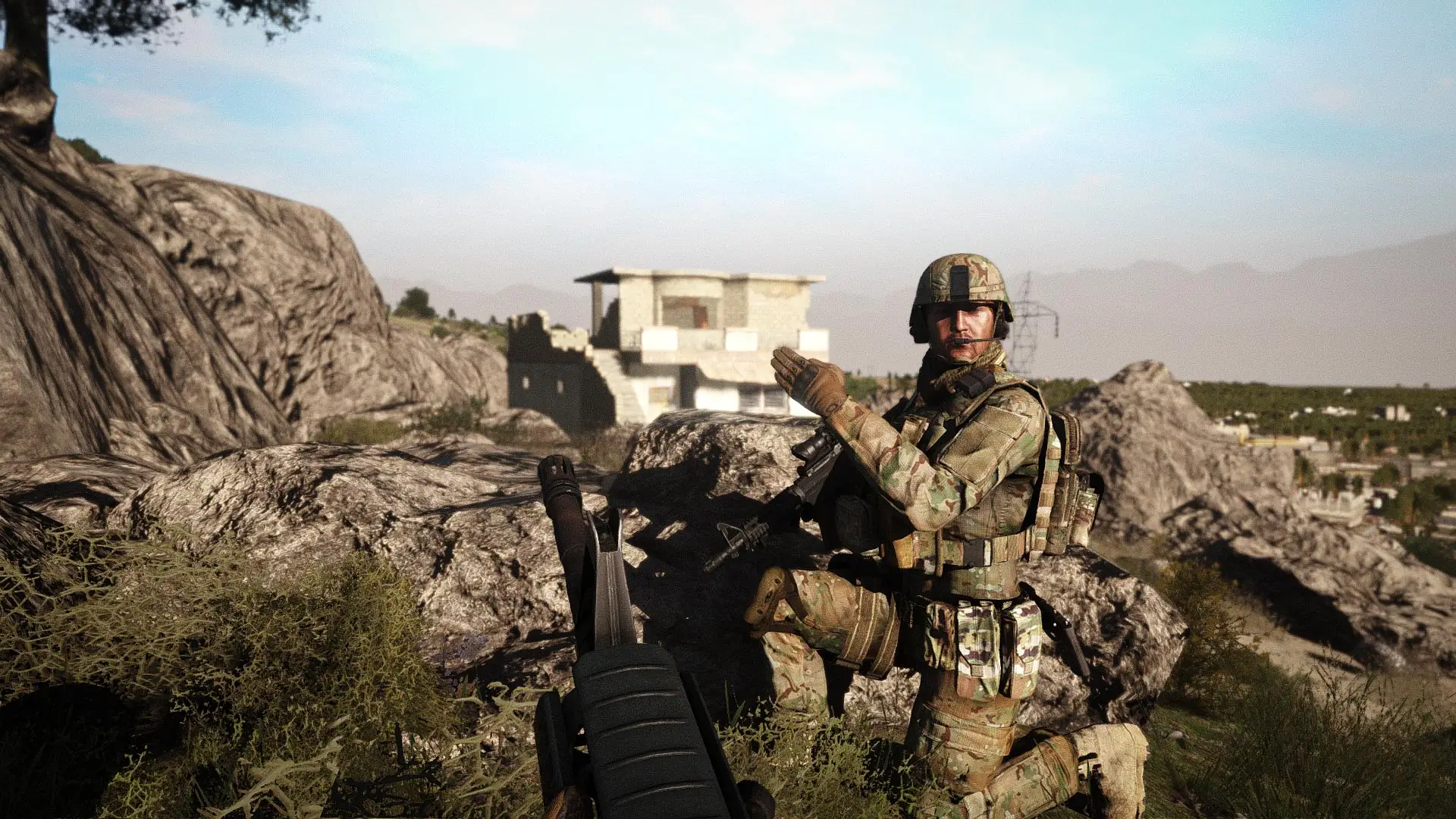
Use slow, deliberate movement to avoid detection and minimize noise. The enemy may be close before either side notices.
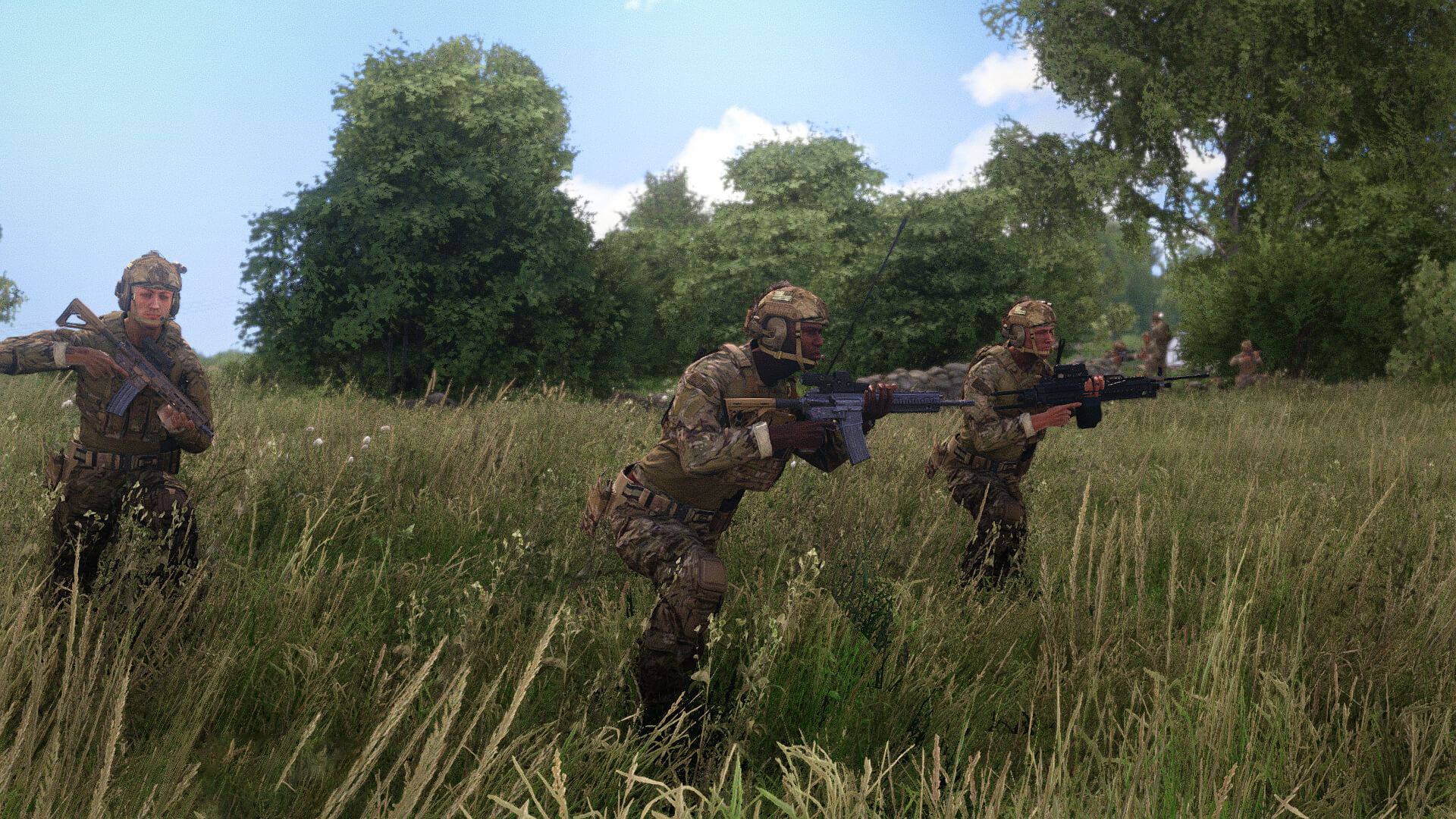
Stick to natural cover like bushes and trees instead of roads or paths.
Engage only when necessary. visibility is low, and firefights can quickly become chaotic.
Arctic Conditions
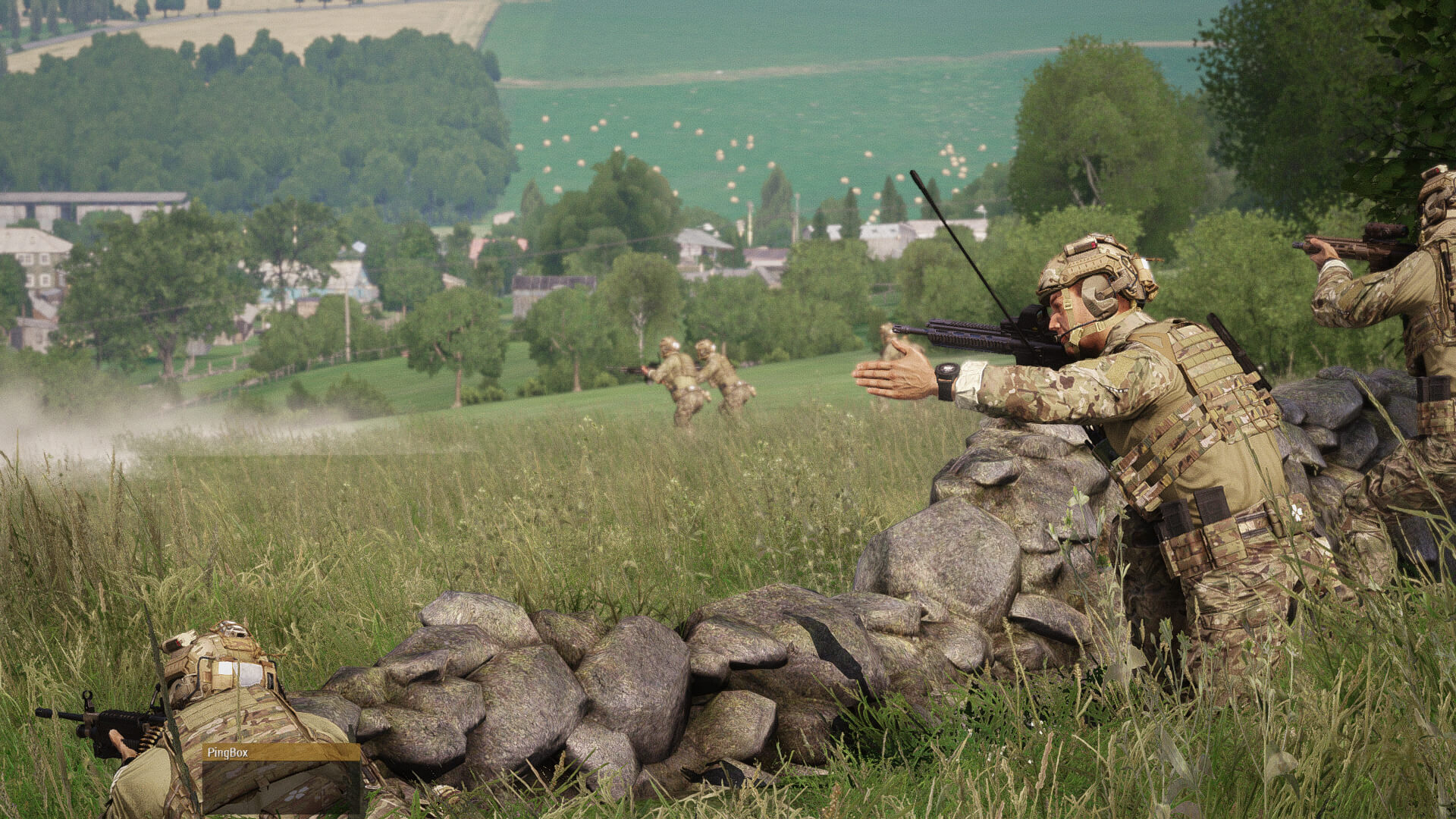
Visibility is often high, so use terrain dips, tree lines, and elevation changes for cover.
Be aware of long-range optics and thermal imaging, which are more effective in open snow environments.
Desert & Sparse Terrain
Stay low and avoid silhouetting against ridgelines.
Movement is often visible from long distances, move during low light hours if possible.
Urban
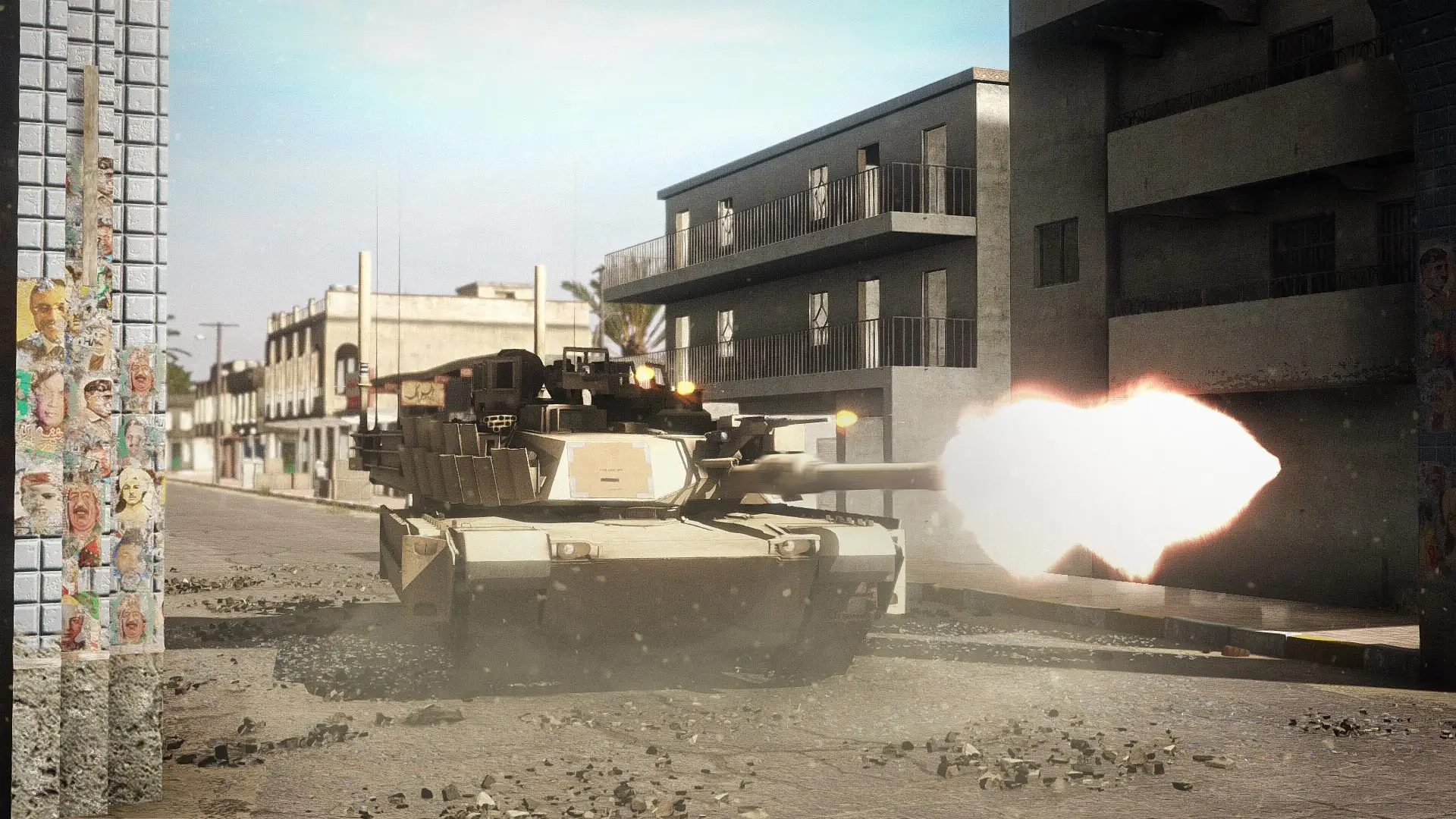
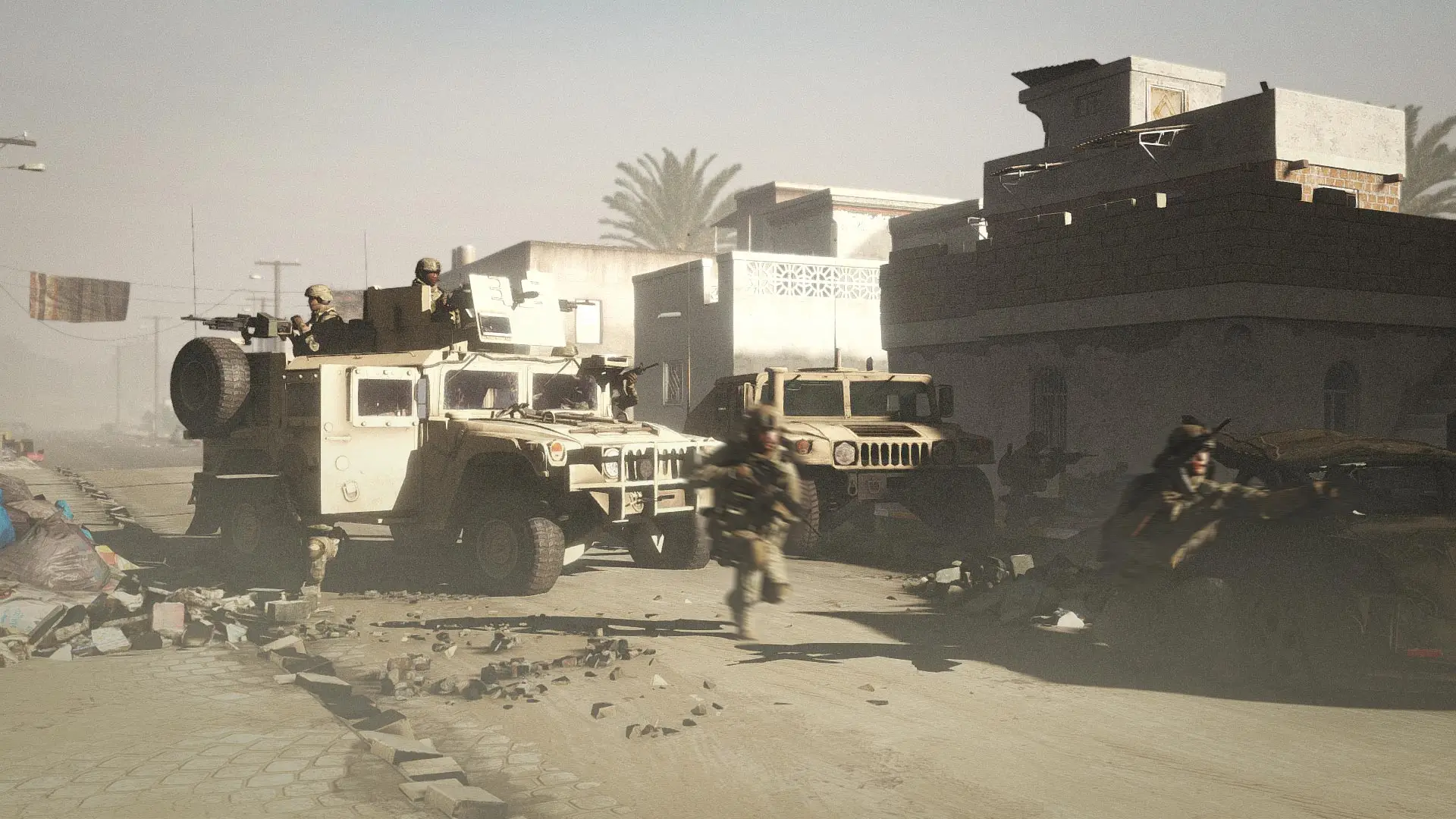
Use building interiors, rooftops, and alleyways for movement and observation.
Avoid crossing large open spaces unless necessary—stick to walls and cover.
Be mindful of elevated enemy positions and sniper threats.
v1.01
Different environments can introduce unique challenges to reconnaissance and stealth. Understanding how to adapt ensures better survival and intelligence gathering:
Dense Forest & Jungle Environments
Use slow, deliberate movement to avoid detection and minimize noise. The enemy may be close before either side notices.
Stick to natural cover like bushes and trees instead of roads or paths.
Engage only when necessary. visibility is low, and firefights can quickly become chaotic.
Arctic Conditions
Visibility is often high, so use terrain dips, tree lines, and elevation changes for cover.
Be aware of long-range optics and thermal imaging, which are more effective in open snow environments.
Desert & Sparse Terrain
Stay low and avoid silhouetting against ridgelines.
Movement is often visible from long distances, move during low light hours if possible.
Urban
Use building interiors, rooftops, and alleyways for movement and observation.
Avoid crossing large open spaces unless necessary, stick to walls and cover.
Be mindful of elevated enemy positions and sniper threats.
Different environments can introduce unique challenges to reconnaissance and stealth. Understanding how to adapt ensures better survival and intelligence gathering:
Dense Forest & Jungle Environments
Use slow, deliberate movement to avoid detection and minimize noise. The enemy may be close before either side notices.
Stick to natural cover like bushes and trees instead of roads or paths.
Engage only when necessary. visibility is low, and firefights can quickly become chaotic.
Arctic Conditions
Visibility is often high, so use terrain dips, tree lines, and elevation changes for cover.
Be aware of long-range optics and thermal imaging, which are more effective in open snow environments.
Desert & Sparse Terrain
Stay low and avoid silhouetting against ridgelines.
Movement is often visible from long distances, move during low light hours if possible.
Urban
Use building interiors, rooftops, and alleyways for movement and observation.
Avoid crossing large open spaces unless necessary—stick necessary, stick to walls and cover.
Be mindful of elevated enemy positions and sniper threats.
Where it appears
Lives in
FM/G320 Utilizing terrainOn role cards
On 22 role cards in 4 combat areas.
Named on
-
 Acting Fireteam Leader (≤5)
Combat Leadership
-
 Fireteam Leader (≤6)
Combat Leadership
-
 Infantry Team Leader (≤8)
Combat Leadership
-
 Squad Leader (≤15)
Combat Leadership
-
 SF Team Leader (≤6)
Combat Leadership
-
 Squad Commander (≤15)
Combat Leadership
-
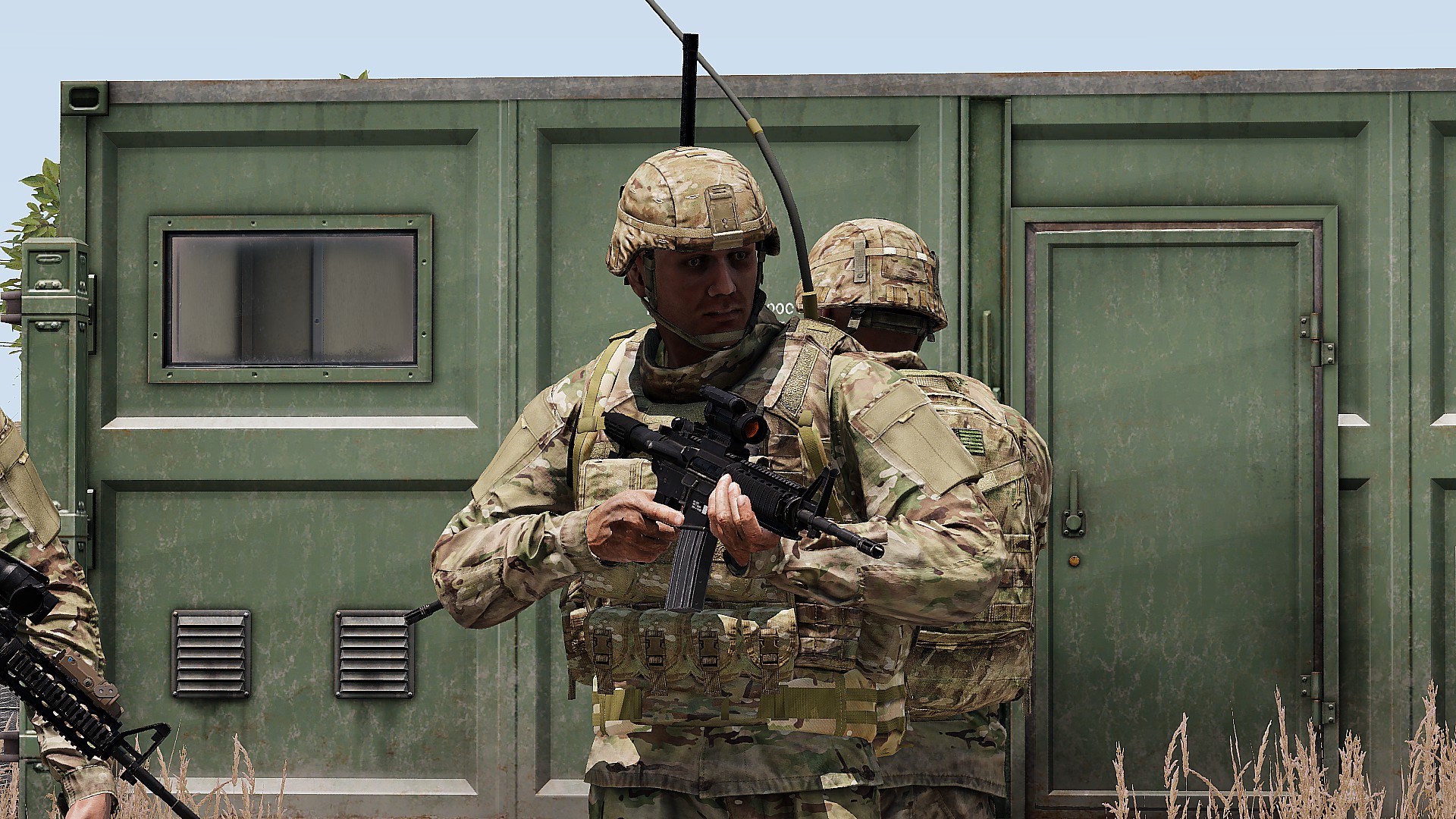 Platoon Sergeant
Field Leadership
-
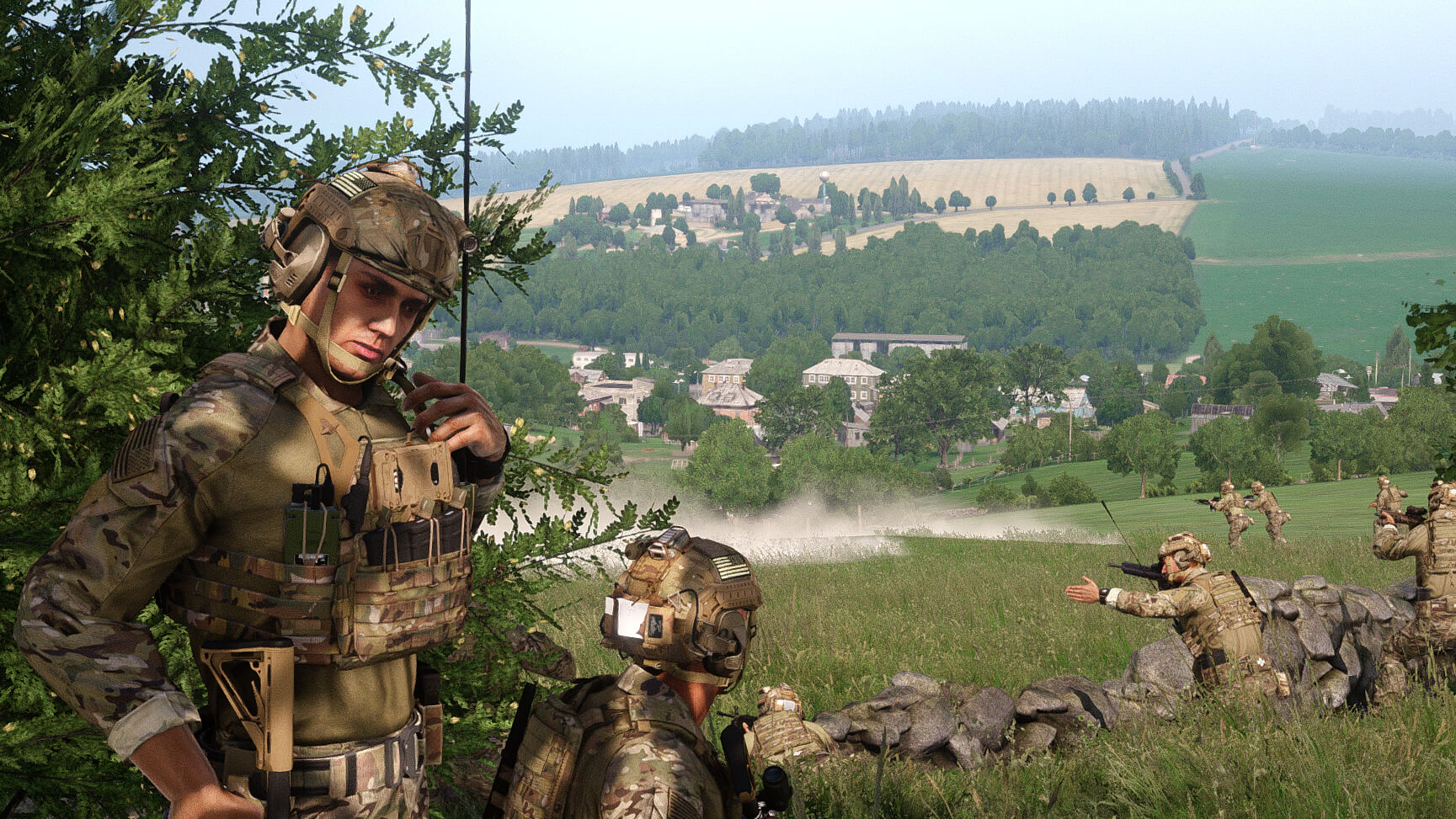 Squad Commander (≤28)
Field Leadership
-
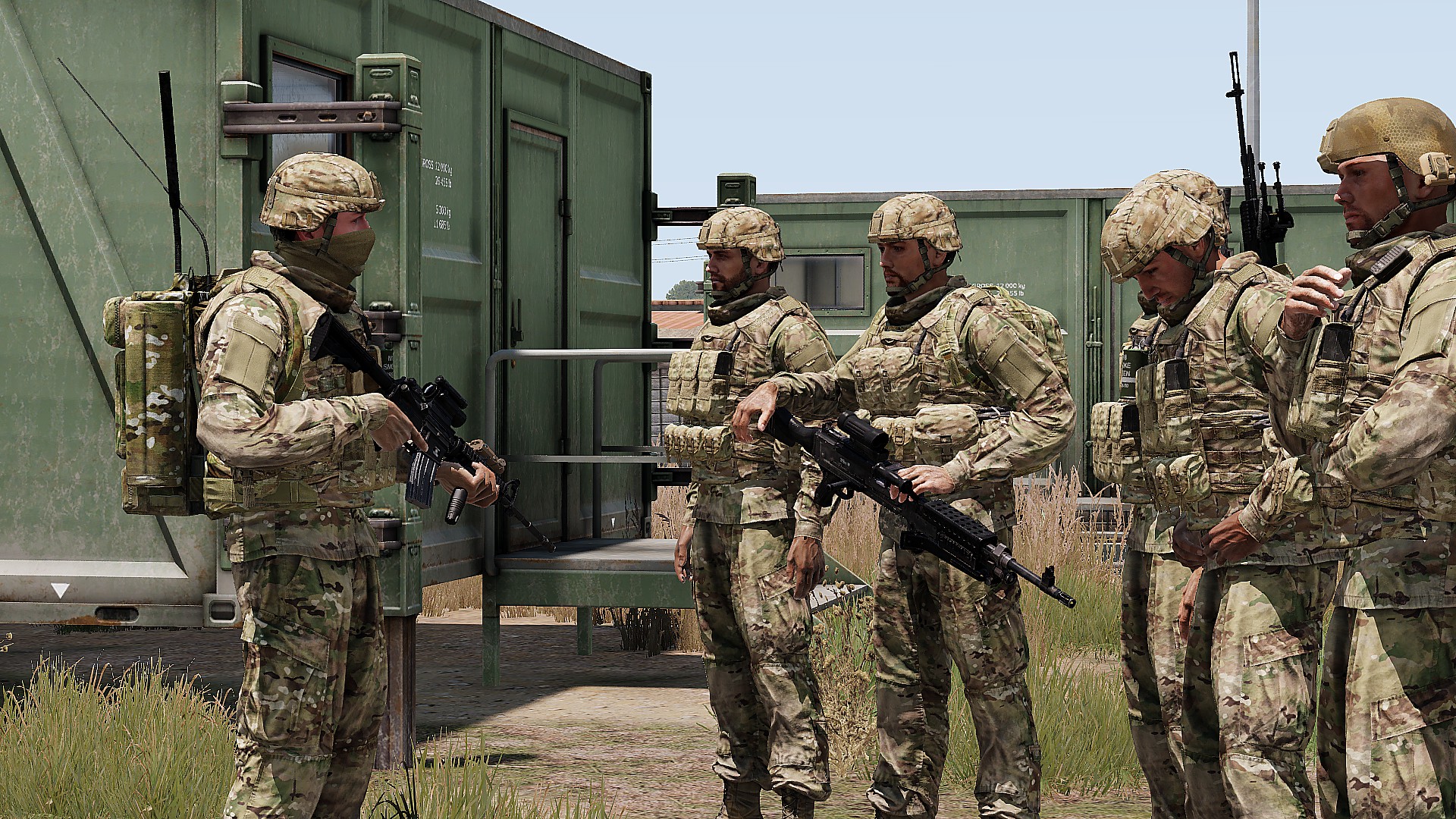 Platoon Commander (≤32)
Field Leadership
-
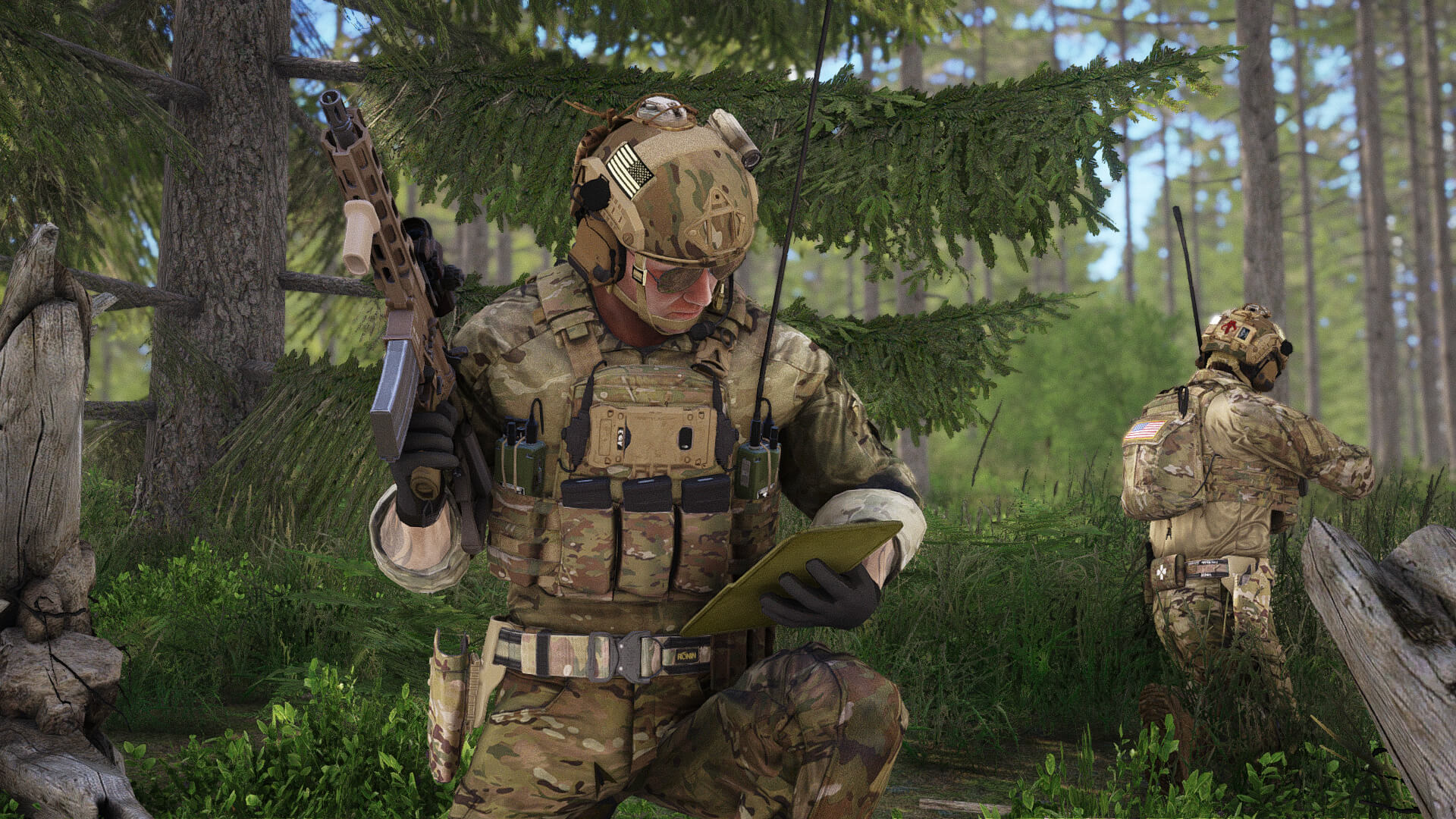 Platoon Leader (≤45)
Field Leadership
-
 Platoon Commander (≤45)
Field Leadership
-
 SF Commander (≤45)
Field Leadership
-
 Platoon Commander (≤64)
Field Leadership
-
 Company Commander (≤64)
Field Leadership
-
 Company Commander (≤128)
Field Leadership
The other 7 roles read it through these cards.
By combat area
-
 Core Infantry
1 of 13