The FM outlines our core skills, policies and guides to ensure every member stands ready for the mission ahead.
FM/BG-1507 · v1.01
Avoiding regrouping on enemy positions
- Code
- FM/BG-1507
- Kind
- Guide
- Version
- v1.01 8mos ago
- Views
- 225
- Platforms
- As its document
- Published by
- Cpl Ross 18 Feb 2026
- Last material change
- v1.00 Initial Version
23 words added, 85 words removed.
v1.00
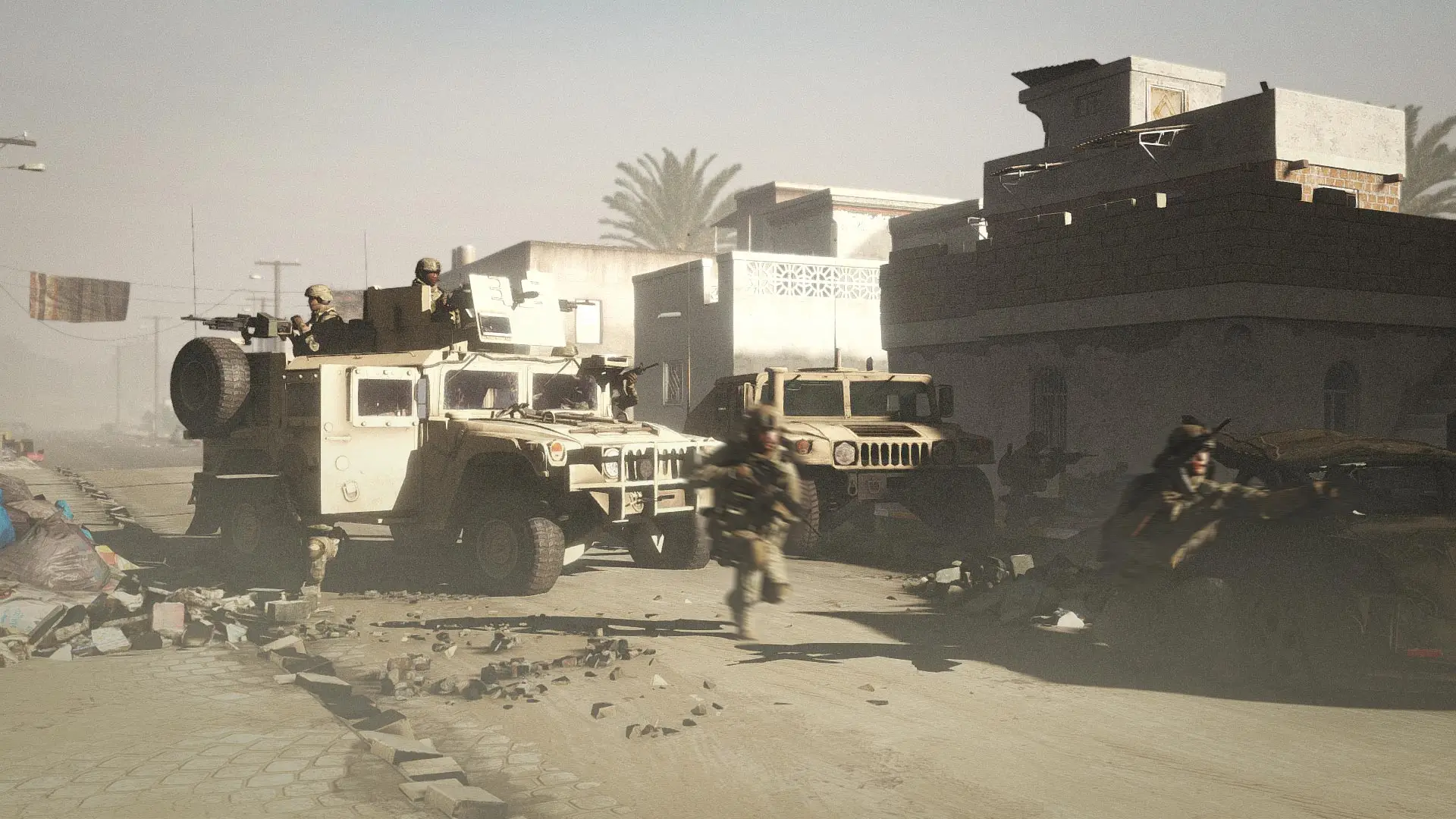
Enemy positions should not be used as regroup or rally points after contact or assault. Once a position has been occupied by the enemy, it is likely known, recorded, or pre‑designated for indirect fires, air attack, or follow‑on engagement.
Even if the position appears abandoned or successfully cleared, the enemy retains awareness of its location and may respond with artillery, mortars, or direct fire once friendly forces occupy it. Regrouping on such positions increases vulnerability during a period when elements are disorganised, low on ammunition, and focused inward.
Following contact, elements should displace to a separate, concealed, and defensible location to reorganise, treat casualties, redistribute ammunition, and establish security. Regroup locations should be selected based on cover, concealment, and the ability to observe and react to enemy movement without being fixed.
Avoiding enemy positions as regroup points preserves survivability and reduces predictability, particularly in environments where indirect fire or rapid counter‑action is likely.
v1.01
Enemy positions should not be used as regroup or rally points after contact or assault. Once occupied, these locations are likely known or pre-planned for indirect fires, air attack, or follow-on engagement.
Even if cleared or abandoned, the enemy may still respond with artillery, mortars, or direct fire once friendly forces occupy the position, increasing vulnerability during reorganisation.
Following contact, elements should displace to a separate, concealed, and defensible location to reorganise, treat casualties, redistribute ammunition, and establish security. Selecting regroup points away from enemy positions reduces predictability and improves survivability
Enemy positions should not be used as regroup or rally points after contact or assault. Once a position has been occupied by the enemy, it is occupied, these locations are likely known, recorded, known or pre‑designated pre-planned for indirect fires, air attack, or follow‑on follow-on engagement.
Even if the position appears abandoned cleared or successfully cleared, abandoned, the enemy retains awareness of its location and may still respond with artillery, mortars, or direct fire once friendly forces occupy it. Regrouping on such positions increases the position, increasing vulnerability during a period when elements are disorganised, low on ammunition, and focused inward. reorganisation.
Following contact, elements should displace to a separate, concealed, and defensible location to reorganise, treat casualties, redistribute ammunition, and establish security. Regroup locations should be selected based on cover, concealment, and the ability to observe and react to enemy movement without being fixed.
Avoiding enemy positions as Selecting regroup points preserves survivability and away from enemy positions reduces predictability, particularly in environments where indirect fire or rapid counter‑action is likely. predictability and improves survivability
Where it appears
On role cards
On 22 role cards in 4 combat areas.
Named on
-
 Acting Fireteam Leader (≤5)
Combat Leadership
-
 Fireteam Leader (≤6)
Combat Leadership
-
 Infantry Team Leader (≤8)
Combat Leadership
-
 Squad Leader (≤15)
Combat Leadership
-
 SF Team Leader (≤6)
Combat Leadership
-
 Squad Commander (≤15)
Combat Leadership
-
 Platoon Sergeant
Field Leadership
-
 Squad Commander (≤28)
Field Leadership
-
 Platoon Commander (≤32)
Field Leadership
-
 Platoon Leader (≤45)
Field Leadership
-
 Platoon Commander (≤45)
Field Leadership
-
 SF Commander (≤45)
Field Leadership
-
 Platoon Commander (≤64)
Field Leadership
-
 Company Commander (≤64)
Field Leadership
-
 Company Commander (≤128)
Field Leadership
The other 7 roles read it through these cards.
By combat area
-
 Core Infantry
1 of 13