UNITAF Future
UNITAF

Caution

This site is a work in progress

This site is finished to different degrees. Feedback is welcome. Please bear in mind that most of what you see, if not everything, is still a work in progress.

Data from the live site is synced here every hour. Anything you do on this site stays here. It is not copied back to the live site until we switch over.

Discord and permissions are linked. Be careful with admin actions. Some of them also change Discord.

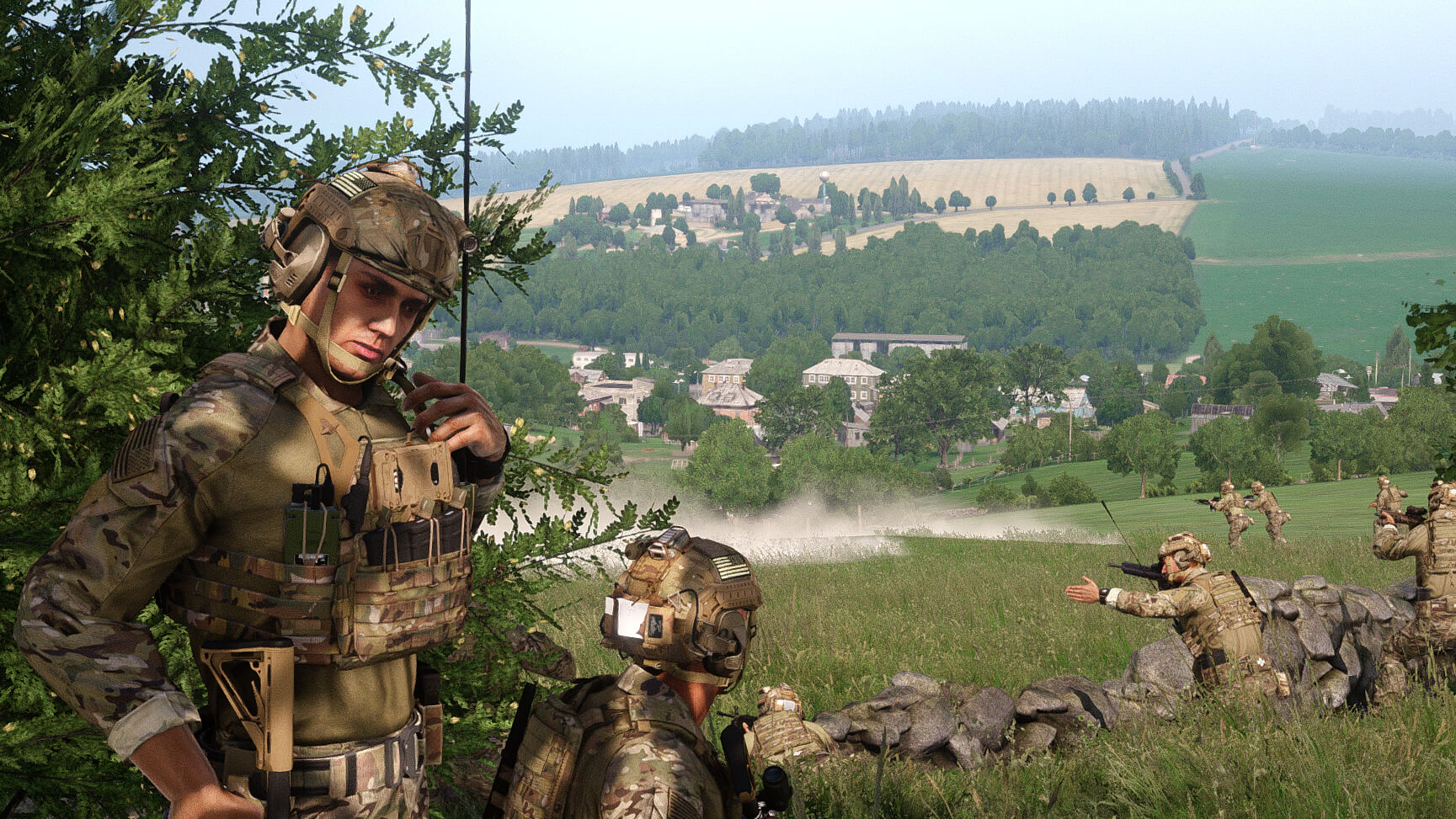
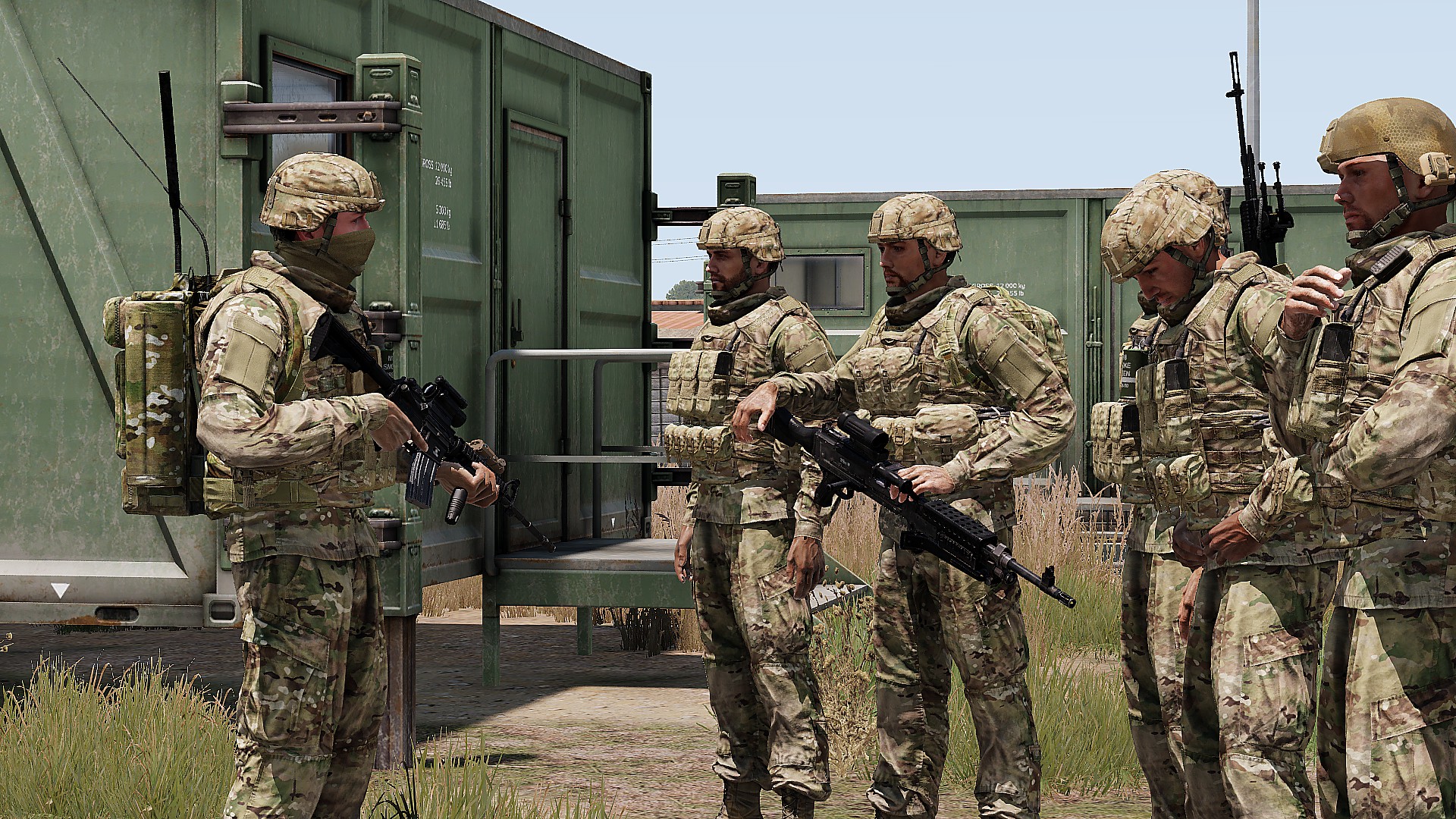
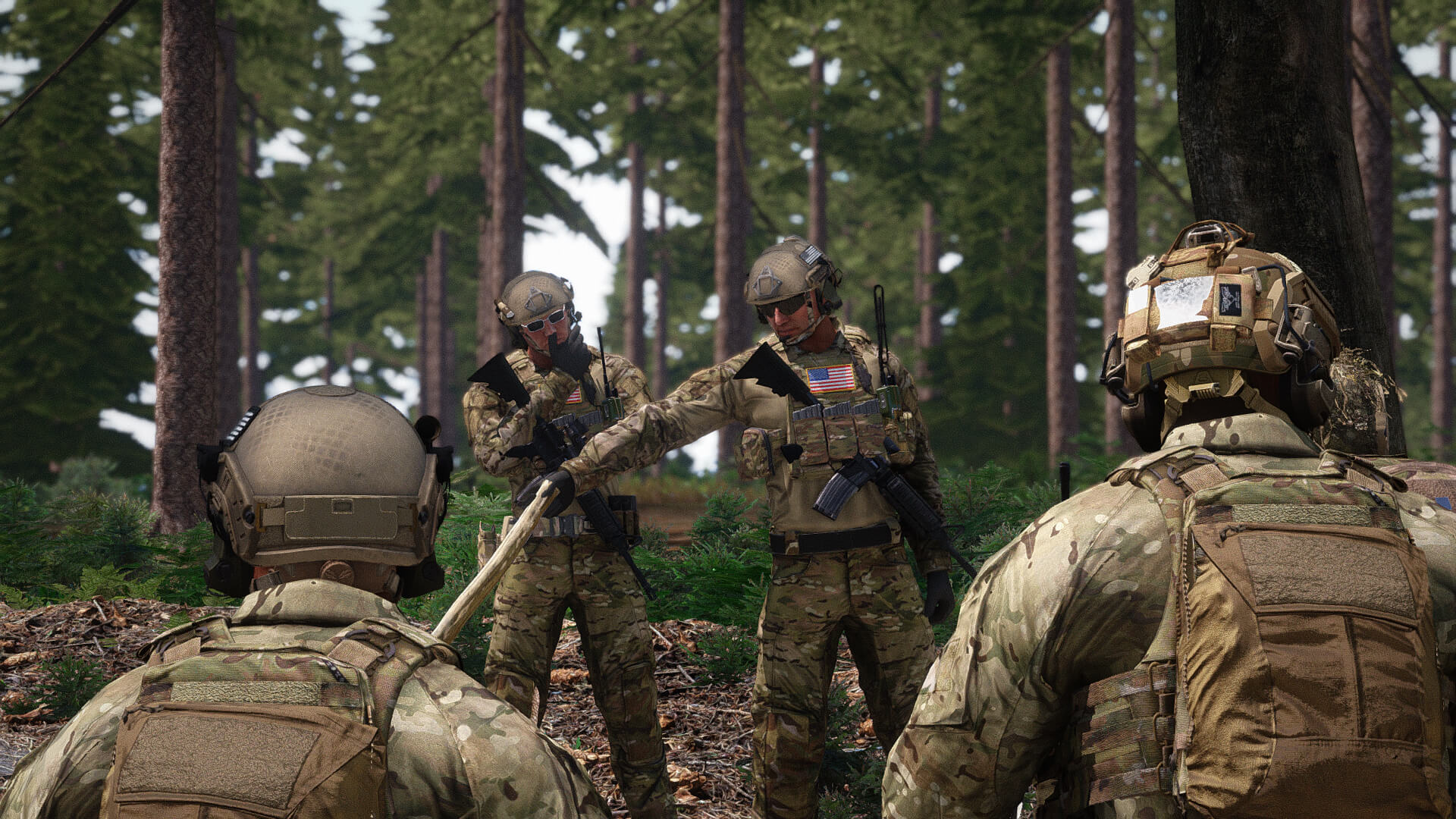
UNITAF members taking orders before an operation
Force Manual

The FM outlines our core skills, policies and guides to ensure every member stands ready for the mission ahead.

FM/G224 · Leadership basics

Leadership succession and combat ineffectiveness

Passages
7
Reading time
2 mins
Views
105
Owned by
Unit Command
Platforms
Every platform
Role cards
23 cards
Published
23 Sep 2026
On this page

Leadership succession in combat

When leadership casualties occur, others must step up. Every player should understand the roles one level above and below them to ensure leadership continuity when necessary.

Seniority Hierarchy: CoyCo → PltCo → PltSgt → 1SL/2SL/3SL → 1:1/2:1/3:1 FTLs → Most senior member

Actions on taking command of a fireteam

If your Fireteam Leader is killed or incapacitated, take these steps:

Announce: Declare on comms that you're taking command.

Act: Choose one:

  • Continue the previous order
  • Request new orders from SL
  • Exercise disciplined initiative aligned with the squad intent

Actions on taking command of a squad

If your Squad Leader is killed or incapacitated, take these steps:

  • Announce: Notify the squad on the net that you’re taking command.
  • Respond: Either:
    • Continue the current mission
    • Go firm to reassess if tactical situation permits
  • Report: Notify PltCo. Request CASREPs from teams.
  • Assess: Determine combat effectiveness.
  • Execute: Continue or adjust plan per PltCo’s intent.

Actions on taking command of a platoon

If your Platoon Commander is killed, take these steps:

  • Announce: Declare on command net that you’ve taken over.
  • Decide: Continue the mission or go firm to assess.
  • Delegate: Appoint a new SL to replace your previous role.
  • Report: Gather CASREPs/SITREPs from SLs and assess.
  • Command: Issue new orders aligned with the original intent.

Identifying combat ineffectiveness

A unit is combat ineffective if it cannot fulfill its mission or typical tasks. Common causes include:

  • Loss of leadership
  • Heavy casualties (KIA/WIA)
  • Lack of weapons/ammo

Indicators include:

  • Lack of movement or cohesion
  • Silence or no response to orders
  • Absence of return fire
  • Numerous KIAs/WIAs
  • Unit reduced to a small fraction of its size

How to deal with unresponsive callsigns

If a callsign is not answering you, try to reach them for a total of three times with several seconds passing in between. Each additional time they may add the information that they haven’t received anything, to make other stations aware of it.

If the suspected station is your superior you may assume that they may be incapacitated and/or killed and the next station in the Chain of Command needs to take command in their place.

Example

This example will cover a squad net on channel 250 consisting of Outlaw 1-0, 1-1, 1-2 and 1-3. 1-2 is trying to reach 1-0 without success: 

Trying to contact

1-2: Actual, this is 2.

1-0: (1-0 is not responding so after a couple of seconds 1-2 tries again)

1-2: Actual, this is 2, nothing heard.

1-0: (1-0 is not responding so after a couple of seconds 1-2 tries for the last time)

1-2: Actual, this is 2, nothing heard OUT.

1-0: (1-0 is not responding so 1-1 needs to take command)


Succession of command

1-2: 1, this is 2.

1-1: 2 this is 1.

1-2: You need to take command.

1-1: This is 1, taking command..

Responding to combat ineffectiveness

Leaders must preserve combat power by consolidating forces:

Steps to merge elements:

  1. Identify suitable element to merge into.
  2. Join the appropriate comms channel.
  3. Report status to new leader.
  4. Link up with the element if feasible.
  5. Merge using ACE interaction or as directed.
  6. Prompt, confident action in these moments preserves operational effectiveness.

On role cards

On 23 role cards in 5 combat areas.

Named on

The other 7 roles read it through these cards.

By combat area

Next in Leadership basics

FM/G311 Leading an element