UNITAF Future
UNITAF

Caution

This site is a work in progress

This site is finished to different degrees. Feedback is welcome. Please bear in mind that most of what you see, if not everything, is still a work in progress.

Data from the live site is synced here every hour. Anything you do on this site stays here. It is not copied back to the live site until we switch over.

Discord and permissions are linked. Be careful with admin actions. Some of them also change Discord.

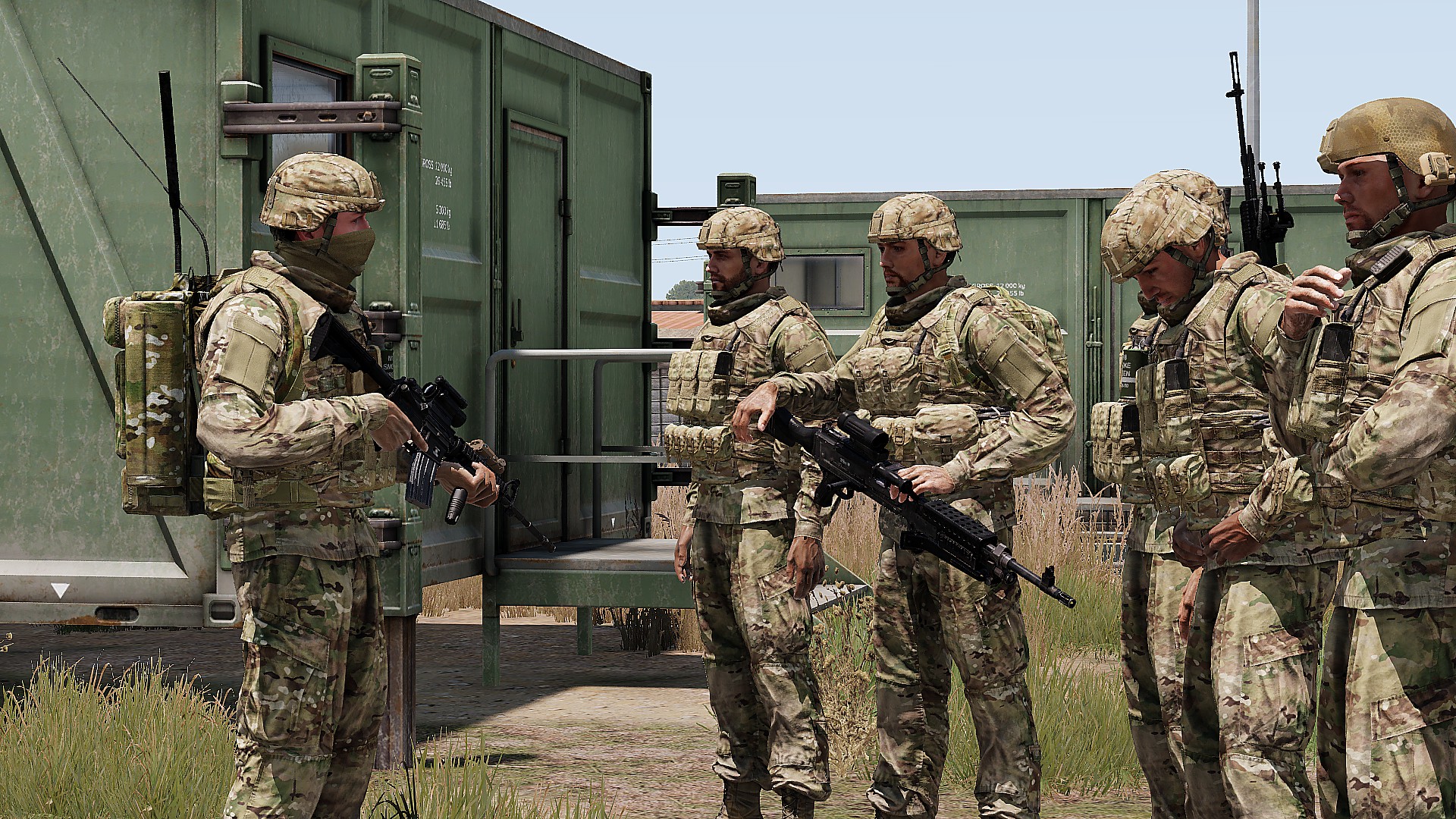
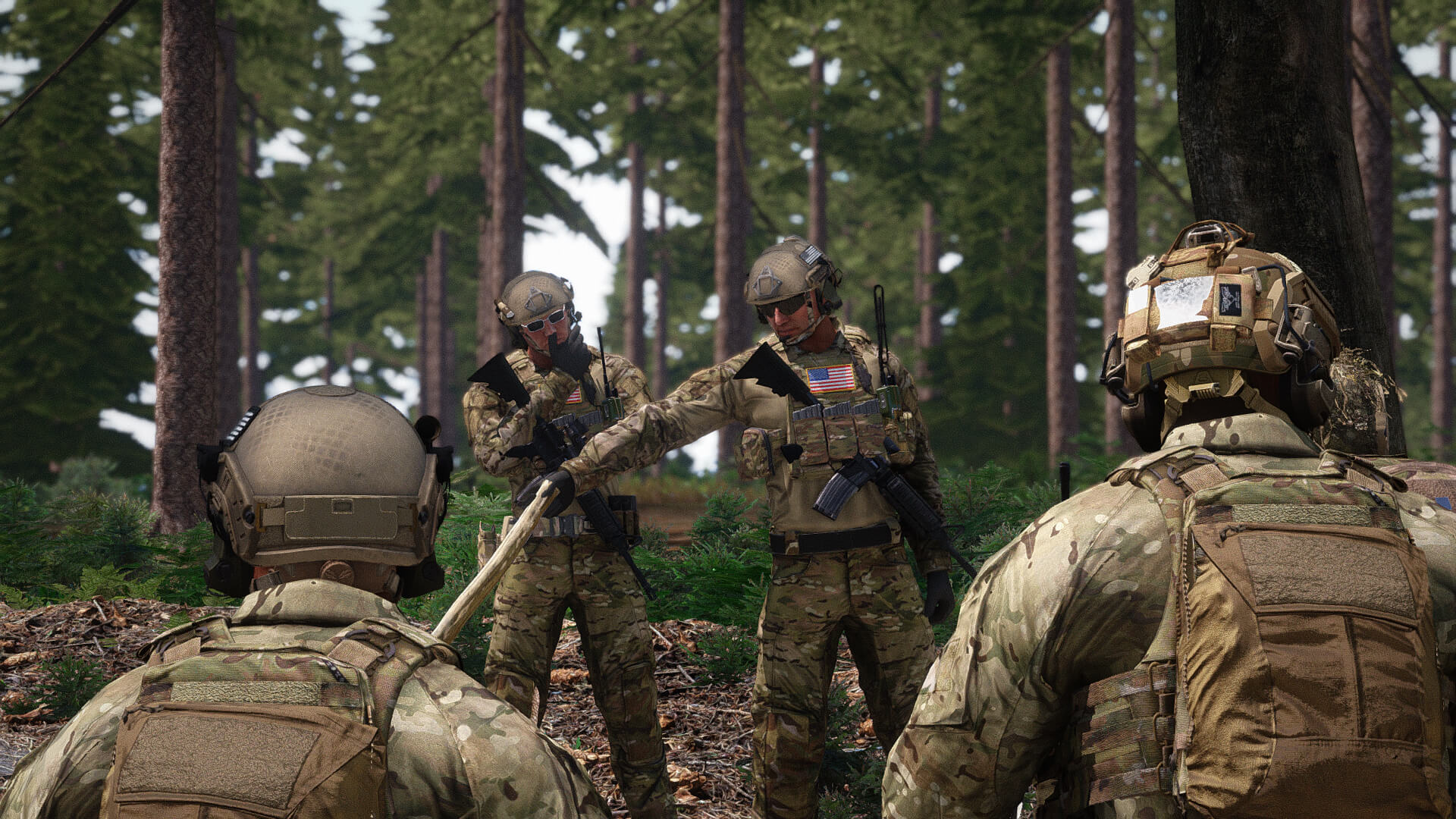
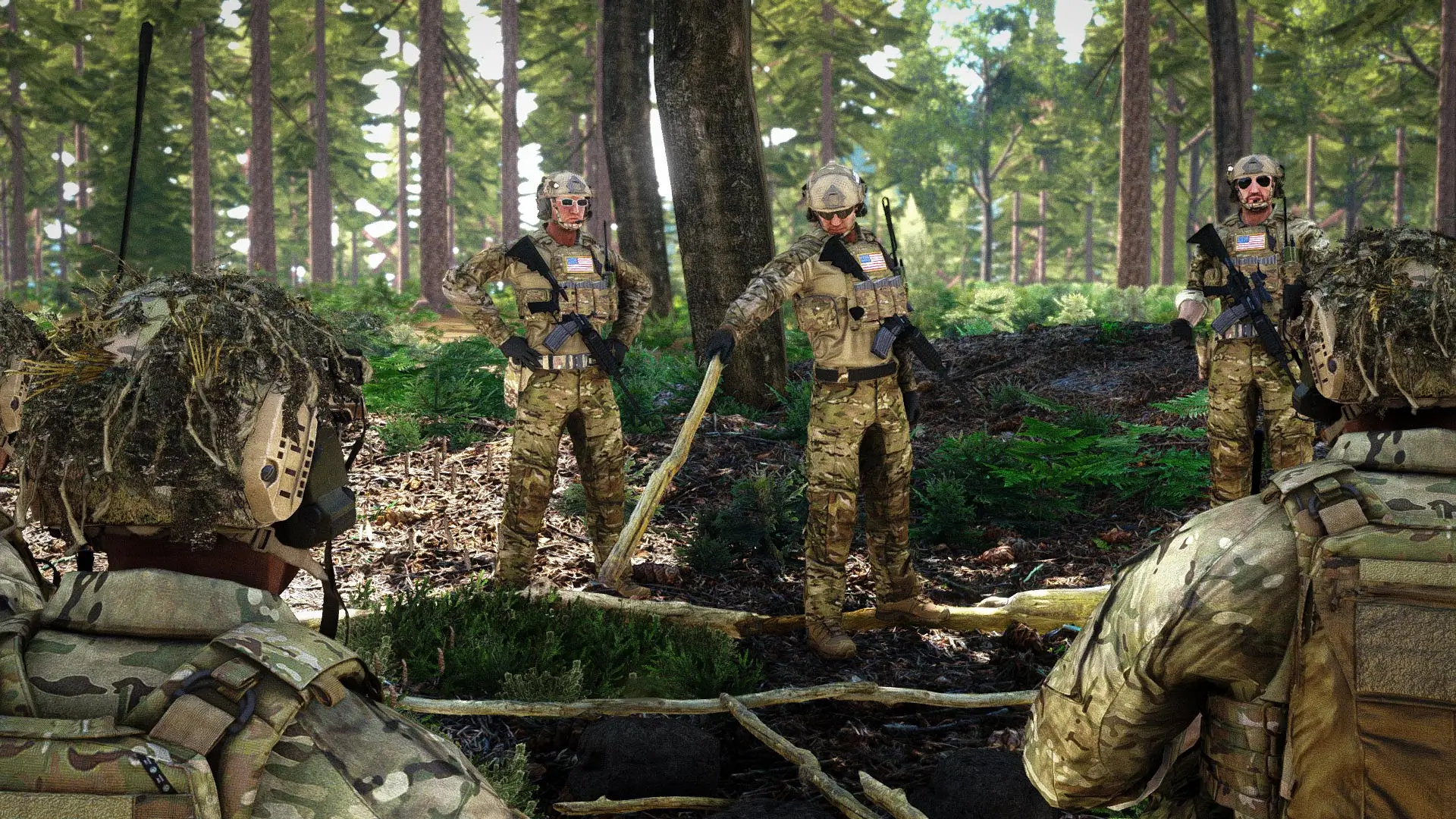
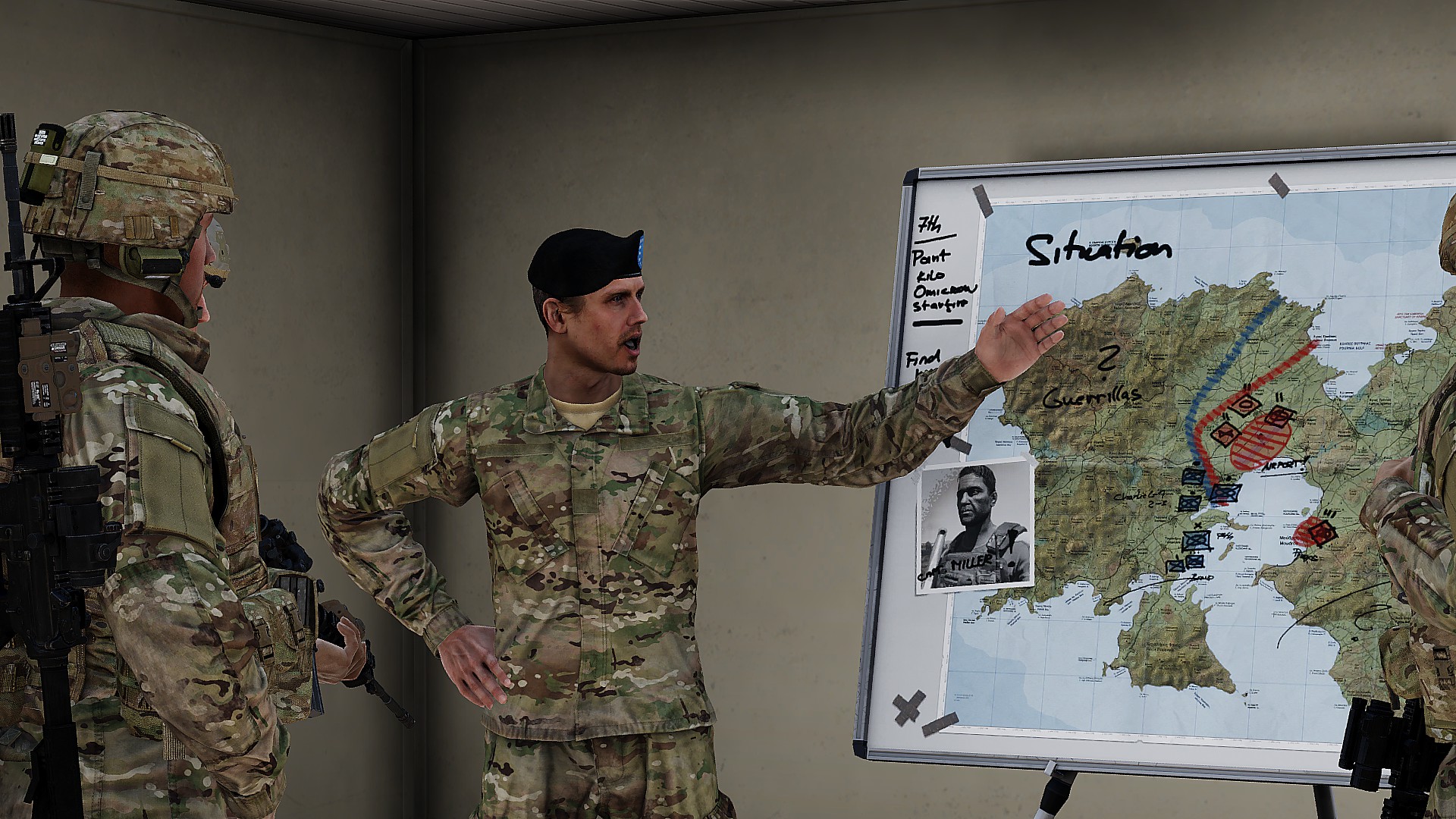
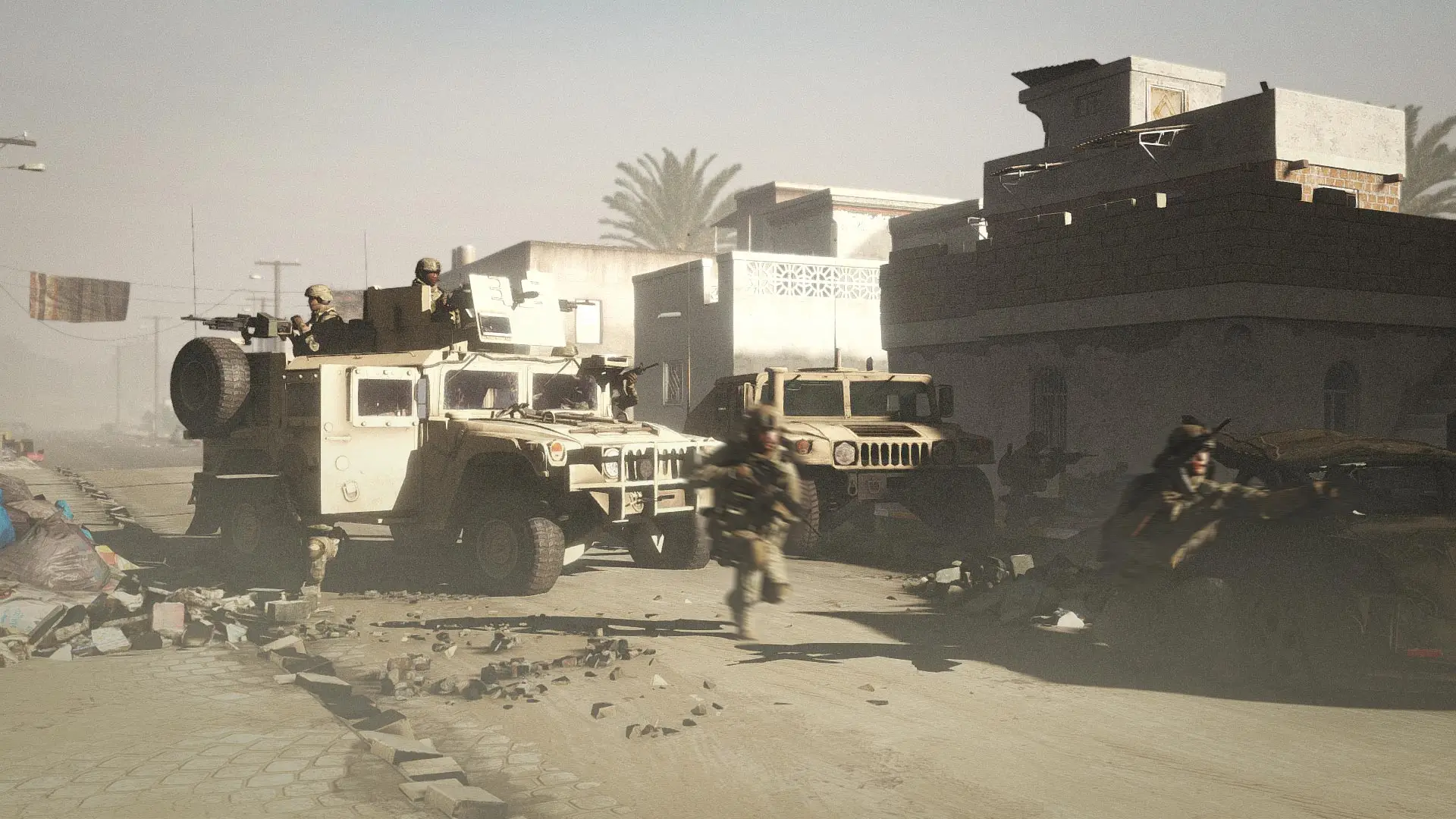
UNITAF members taking orders before an operation
Force Manual

The FM outlines our core skills, policies and guides to ensure every member stands ready for the mission ahead.

FM/G314 · Leadership basics

Risk management

Passages
3
Reading time
1 min
Views
72
Owned by
Unit Command
Platforms
Every platform
Role cards
23 cards
Published
23 Sep 2026
On this page

Deliberate risk management

Leaders balance mission success against force preservation. Risk must be deliberate, not accidental. Risk management is the identification and control of hazards to preserve combat effectiveness while accomplishing the mission.

Risk Process

  1. Identify hazards (enemy, terrain, logistics, etc).
  2. Assess severity and likelihood.
  3. Apply mitigation.
  4. Accept or adjust based on mission value.

Example mitigation methods

  • Adjust route or formation.
  • Increase reconnaissance.
  • Reallocate assets.
  • Modify tempo.
  • Establish reserves.

Balance risk to an individual

  • Identify hazards affecting each individual before committing them to action.
  • Compare expected gain against probability and severity of becoming a casualty.
  • Adjust positioning, tasking, or support to reduce individual exposure.
  • Avoid assigning disproportionate risk to a single individual without necessity.
  • Disagree with orders FM/BS-1409 where individual loss outweighs tactical value.
  • Reassess exposure continuously as the situation changes.

Balance risk to an element

  • Assess how an action affects the element’s overall combat effectiveness.
  • Weigh mission gain against potential degradation (casualties, supply loss, immobility).
  • Modify plans to reduce exposure while maintaining intent.
  • Avoid actions that create irreversible degradation without decisive payoff.
  • Preserve reserve combat power for follow-on tasks.
  • Disengage or reposition when risk exceeds sustainable limits.

On role cards

On 23 role cards in 5 combat areas.

Named on

The other 7 roles read it through these cards.

By combat area

Next in Leadership basics

FM/G222 UNITAF Leadership Principles