UNITAF Future
UNITAF

Caution

This site is a work in progress

This site is finished to different degrees. Feedback is welcome. Please bear in mind that most of what you see, if not everything, is still a work in progress.

Data from the live site is synced here every hour. Anything you do on this site stays here. It is not copied back to the live site until we switch over.

Discord and permissions are linked. Be careful with admin actions. Some of them also change Discord.

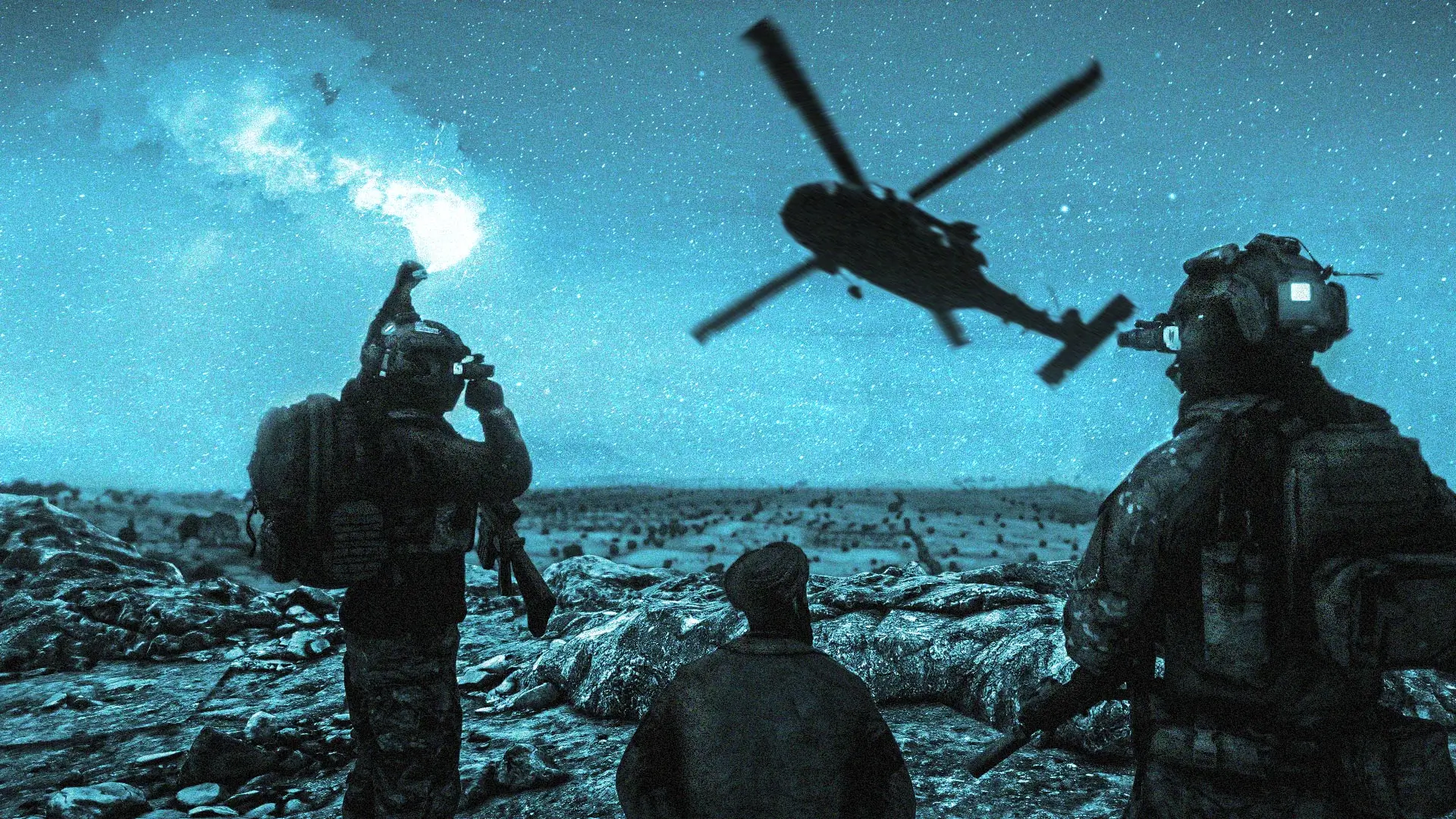
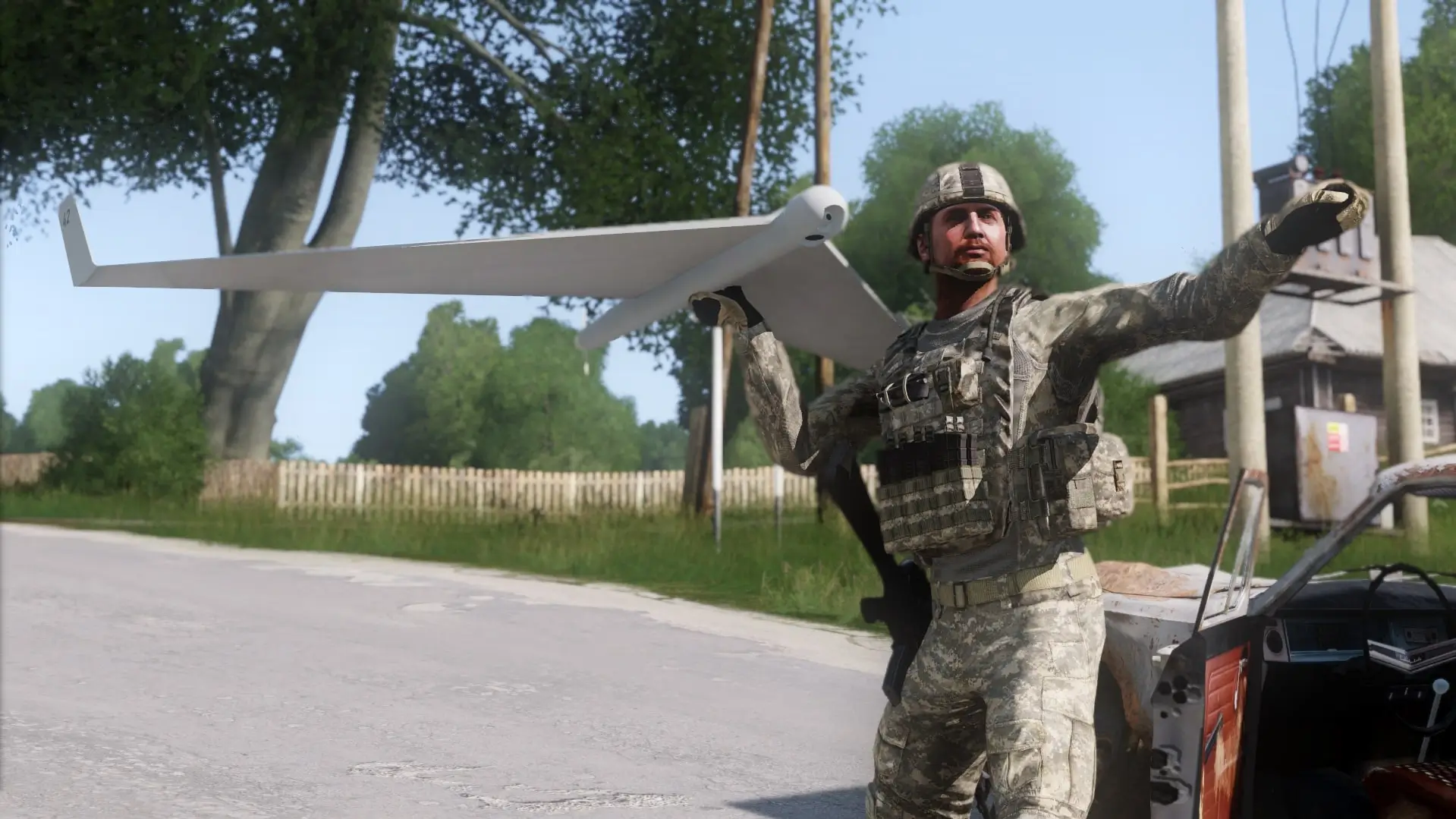
UNITAF members taking orders before an operation
Force Manual

The FM outlines our core skills, policies and guides to ensure every member stands ready for the mission ahead.

FM/G382 · Fixed-wing aircraft

Aircrew mindset

Passages
5
Reading time
3 mins
Views
65
Owned by
Unit Command
Platforms
Every platform
Role cards
12 cards
Published
23 Sep 2026
On this page

Adopting the aircrew mindset

Aircrew in UNITAF occupy a specialised role that requires a different perspective from most other combat positions. Understanding the purpose of aviation assets within the wider mission can help aircrew contribute more effectively to mission success.

Ground forces remain the primary focus of most operations. Arma is fundamentally designed around ground combat, and missions are generally planned with infantry and ground manoeuvre as the central element. As a result, there may be periods where aviation assets have limited tasks or where aircrew must adapt their employment to support the needs of the ground force. Flexibility and patience are important qualities for aviation personnel.

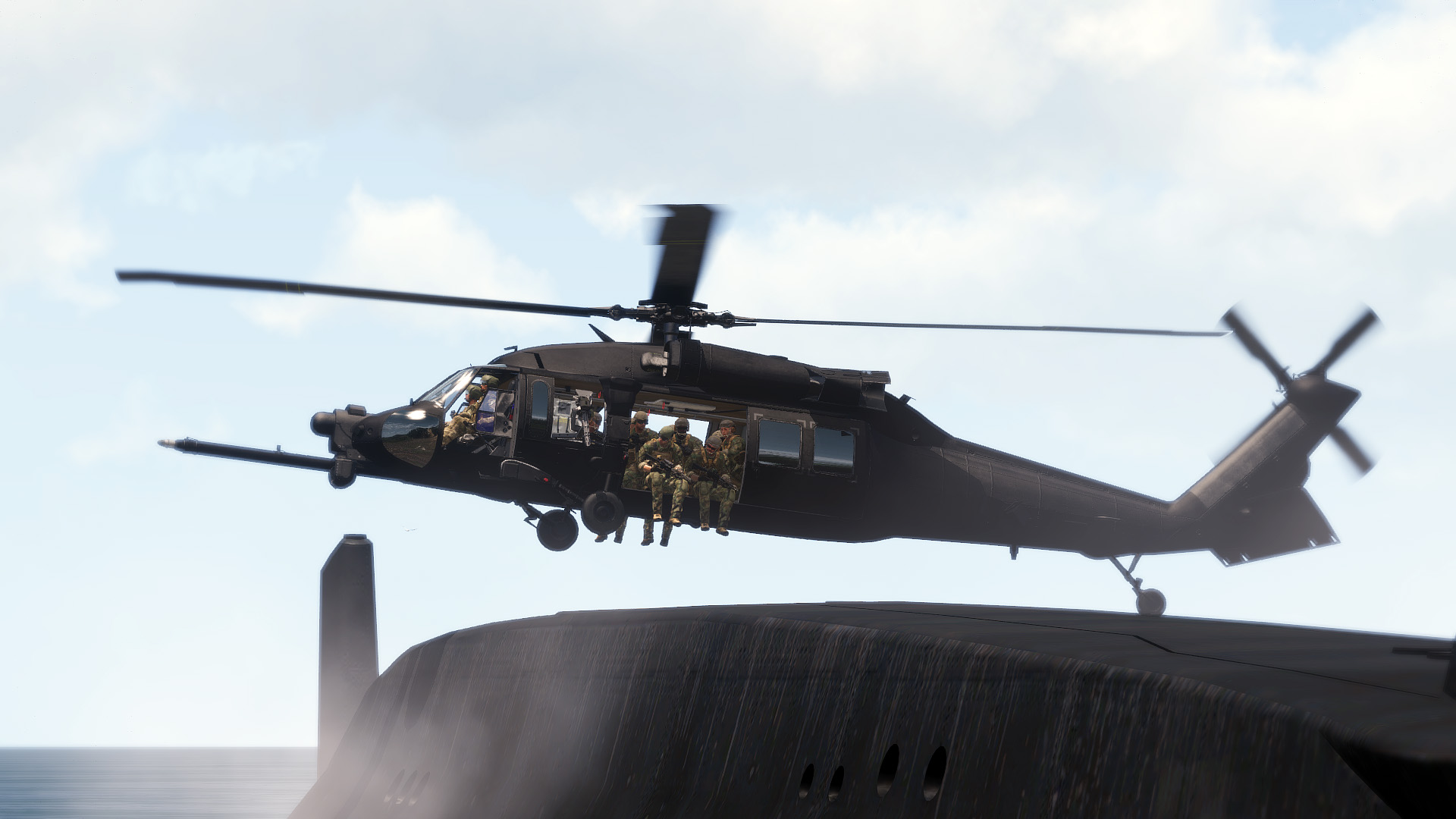
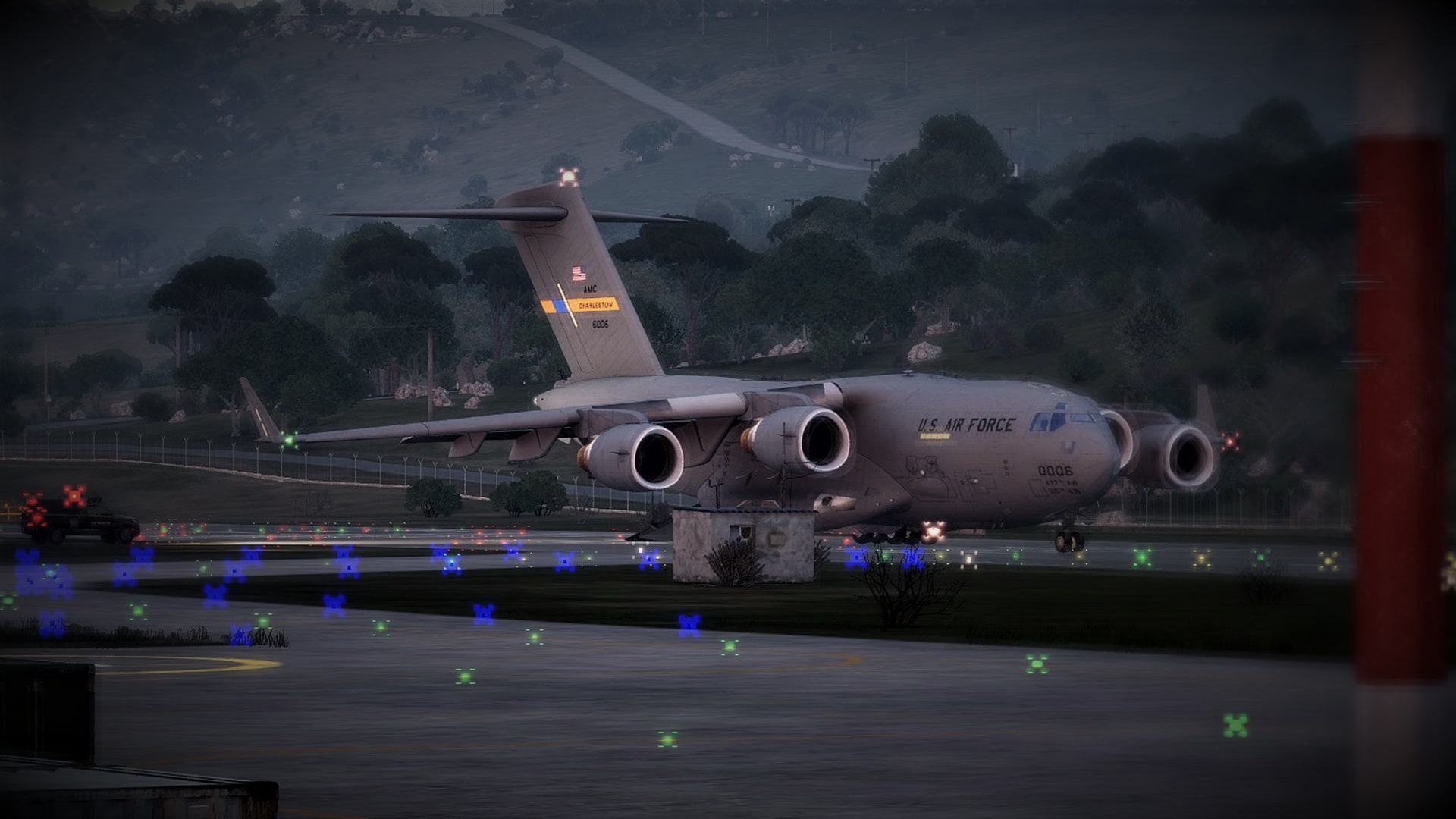
Aircraft possess capabilities that can significantly influence the outcome of an operation. Transport aircraft can rapidly move forces across the battlefield, while attack and reconnaissance platforms may provide firepower or situational awareness far beyond what is available to ground units. These capabilities make aviation assets valuable force multipliers.

However, these advantages come with corresponding responsibilities. Mistakes in aviation can have consequences that affect large portions of the force. The loss of a transport aircraft may delay an operation or result in significant casualties. Similarly, the firepower available to some aircraft can cause substantial friendly losses if employed incorrectly. Effective aircrew therefore balance initiative with discipline, ensuring their actions support the wider mission rather than dominate it.

Aircrew should also be aware of the technical limitations of the Arma engine. The simulation cannot fully represent the distances, sensor capabilities, object density, and air defence networks that would exist in real-world aviation operations. Pilots may observe mission support activities, notice areas where enemy forces have not been spawned, or encounter gaps in air defence coverage that exist for gameplay and performance reasons rather than tactical realism.

In these situations, it is beneficial to consider what would realistically be expected in the operational environment rather than exploiting engine limitations for advantage. Maintaining this mindset helps preserve immersion, supports fair gameplay, and contributes to a more authentic experience for all participants.
Applying aircrew safety priorities

When in control of an aircraft, apply the following priorities in order:

1. Preservation of Life

Protect the lives of aircrew, passengers, and friendly personnel above all other considerations.

2. Preservation of Aircraft

Operate the aircraft responsibly to prevent unnecessary damage or loss whenever possible.

3. Mission Success

Complete the assigned mission once the safety of personnel and aircraft has been reasonably assured.

These priorities provide a framework for decision-making when mission requirements, aircraft safety, and personnel safety compete. When forced to choose between priorities, higher priorities should take precedence over lower priorities.

Applying aviate, navigate, communicate

When workload increases or multiple tasks compete for attention, apply the following priorities in order:

1. Aviate

Maintain positive control of the aircraft and continue to fly safely. Aircraft control takes priority over all other tasks.

2. Navigate

Maintain awareness of position, route, terrain, and surrounding airspace to safely reach the intended destination.

3. Communicate

Communicate with JTACs, FACs, air traffic control, or other agencies once aircraft control and navigation are assured.

This prioritisation helps prevent aircrew from becoming distracted by communications or mission tasks at the expense of safely operating the aircraft. In situations where priorities conflict, aircraft control should always take precedence.

Exercise sound risk-based aviation decision making

  • Avoid unnecessary endangerment of friendly personnel during mission execution
  • Take appropriate action to prevent avoidable aircraft loss or damage
  • Demonstrate willingness to abort, divert, or modify missions when safety considerations outweigh mission requirements
  • Prioritise preservation of personnel and aircraft when making operational decisions

Apply aviate, navigate, communicate priorities

  • Maintain positive control of the aircraft before addressing navigation or communication tasks
  • Maintain awareness of aircraft position, route, terrain, and hazards before conducting non-essential communications
  • Avoid becoming task-saturated by radio traffic to the detriment of aircraft control
  • Prioritise aircraft control and navigation during emergencies, combat engagements, or unexpected events
  • Apply correct task prioritisation across all phases of flight in accordance with Aviate, Navigate, Communicate principles

On role cards

Next in Fixed-wing aircraft

FM/G411 Uncontrolled Airfields