The FM outlines our core skills, policies and guides to ensure every member stands ready for the mission ahead.
FM/BG-1168 · v1.01
Fire mission pre-planning
- Code
- FM/BG-1168
- Kind
- Guide
- Version
- v1.01 1yr ago
- Views
- 242
- Platforms
- As its document
- Published by
- Cpl Ross 8 Aug 2025
- Last material change
- v1.00 Initial FM
1 word added, 2 words removed.
v1.00
Pre-planning fire missions during the mission design or briefing phase helps ensure that indirect fire support can be delivered rapidly and accurately once operations are underway. It also enhances coordination with manoeuvre elements by reducing the time needed to identify, communicate, and engage targets.
Common components of fire mission pre-planning include:
Pre-Planned Targets (PPT): Plotting likely enemy positions, chokepoints, or objectives ahead of time allows for quicker engagement during execution. These targets should be labelled using standard MTO formats (see FM/BS-726) to streamline communication and avoid confusion.
Target Reference Points (TRPs): TRPs serve as shared map references that observers and gun crews can use to orient fire missions. They are typically placed on prominent terrain features and labelled in accordance with FM/BS-802. This practice simplifies communication and improves accuracy, particularly for on-call missions.
Fire Support Standards: Establishing default parameters for suppression, smoke, and general-purpose fire missions ensures consistency and saves time under pressure. These may include:Rounds, volume, and rate for Immediate Suppression
Rounds, volume, and rate for Immediate Smoke
Preferred munition types and location methods (See FM/BS-804.)
Fire Mission Types:Pre-Planned: Coordinated before the operation and often linked to a PPT or TRP. Enables faster delivery due to known parameters.
On-Call: Requested dynamically during the mission. Often relies on TRPs or observer data to establish target locations quickly.
Pre-planning these elements helps ensure fire support is available when and where it’s needed, without delaying the momentum of the operation.
v1.01
Pre-planning fire missions during the mission design or briefing phase helps ensure that indirect fire support can be delivered rapidly and accurately once operations are underway. It also enhances coordination with manoeuvre elements by reducing the time needed to identify, communicate, and engage targets.
Common components of fire mission pre-planning include:
Pre-Planned Targets (PPT): Plotting likely enemy positions, chokepoints, or objectives ahead of time allows for quicker engagement during execution. These targets should be labelled using standard MTO formats (see FM/BS-726) to streamline communication and avoid confusion.
Target Reference Points (TRPs): TRPs serve as shared map references that observers and gun crews can use to orient fire missions. They are typically placed on prominent terrain features and labelled in accordance with FM/BS-802. This practice simplifies communication and improves accuracy, particularly for on-call missions.
Fire Support Standards: Establishing default parameters for suppression, smoke, and general-purpose fire missions ensures consistency and saves time under pressure. These may include:Rounds, volume, and rate for Immediate Suppression
Rounds, volume, and rate for Immediate Smoke
Preferred munition types and location methods [[804]]
Fire Mission Types:Pre-Planned: Coordinated before the operation and often linked to a PPT or TRP. Enables faster delivery due to known parameters.
On-Call: Requested dynamically during the mission. Often relies on TRPs or observer data to establish target locations quickly.
Pre-planning these elements helps ensure fire support is available when and where it’s needed, without delaying the momentum of the operation.
Pre-planning fire missions during the mission design or briefing phase helps ensure that indirect fire support can be delivered rapidly and accurately once operations are underway. It also enhances coordination with manoeuvre elements by reducing the time needed to identify, communicate, and engage targets.
Common components of fire mission pre-planning include:
Pre-Planned Targets (PPT): Plotting likely enemy positions, chokepoints, or objectives ahead of time allows for quicker engagement during execution. These targets should be labelled using standard MTO formats (see FM/BS-726) to streamline communication and avoid confusion.
Target Reference Points (TRPs): TRPs serve as shared map references that observers and gun crews can use to orient fire missions. They are typically placed on prominent terrain features and labelled in accordance with FM/BS-802. This practice simplifies communication and improves accuracy, particularly for on-call missions.
Fire Support Standards: Establishing default parameters for suppression, smoke, and general-purpose fire missions ensures consistency and saves time under pressure. These may include:Rounds, volume, and rate for Immediate Suppression
Rounds, volume, and rate for Immediate Smoke
Preferred munition types and location methods (See FM/BS-804.) [[804]]
Fire Mission Types:Pre-Planned: Coordinated before the operation and often linked to a PPT or TRP. Enables faster delivery due to known parameters.
On-Call: Requested dynamically during the mission. Often relies on TRPs or observer data to establish target locations quickly.
Pre-planning these elements helps ensure fire support is available when and where it’s needed, without delaying the momentum of the operation.
Where it appears
Lives in
FM/G160 Fire support planningOn role cards
On 14 role cards in 3 combat areas.
Named on
-
 Forward Air Controller
Communication
-
 Forward Observer
Communication
-
 Dev/WIP: Temp Artillery Cannoneer (Gunner)
Rolecard Development
-
Dev/WIP: Temp Artillery Section Leader
Rolecard Development
-
Dev/WIP: Temp Fire Support Chief
Rolecard Development
-
Dev/WIP: Temp Mortar Section Leader
Rolecard Development
-
Dev/WIP: Temp Mortarman
Rolecard Development
-
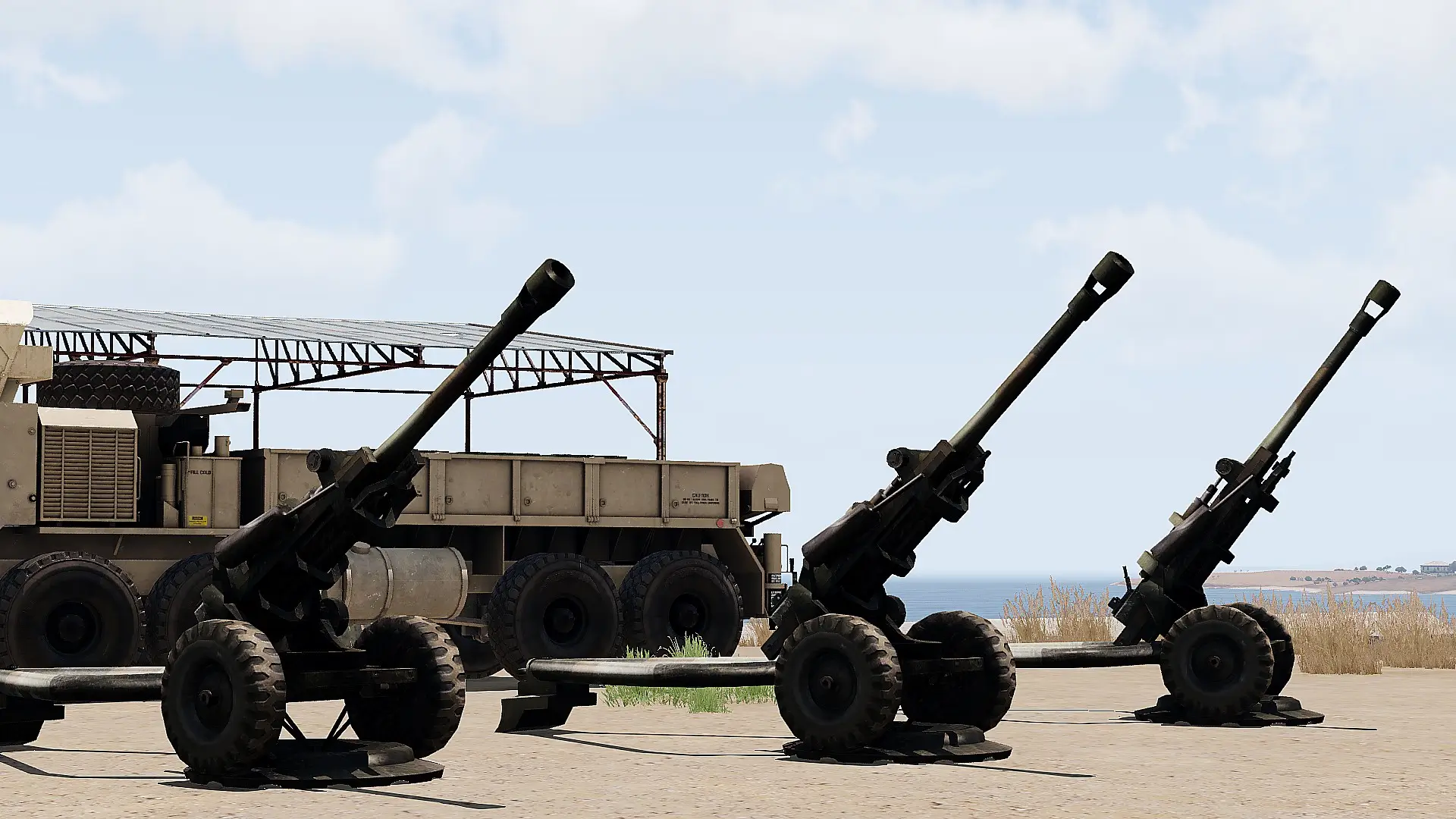 Mortarman (Gunner)
Fire Support
-
Mortar Section Leader
Fire Support
-
Artillery Cannoneer (Gunner)
Fire Support
-
Artillery Section Leader
Fire Support
-
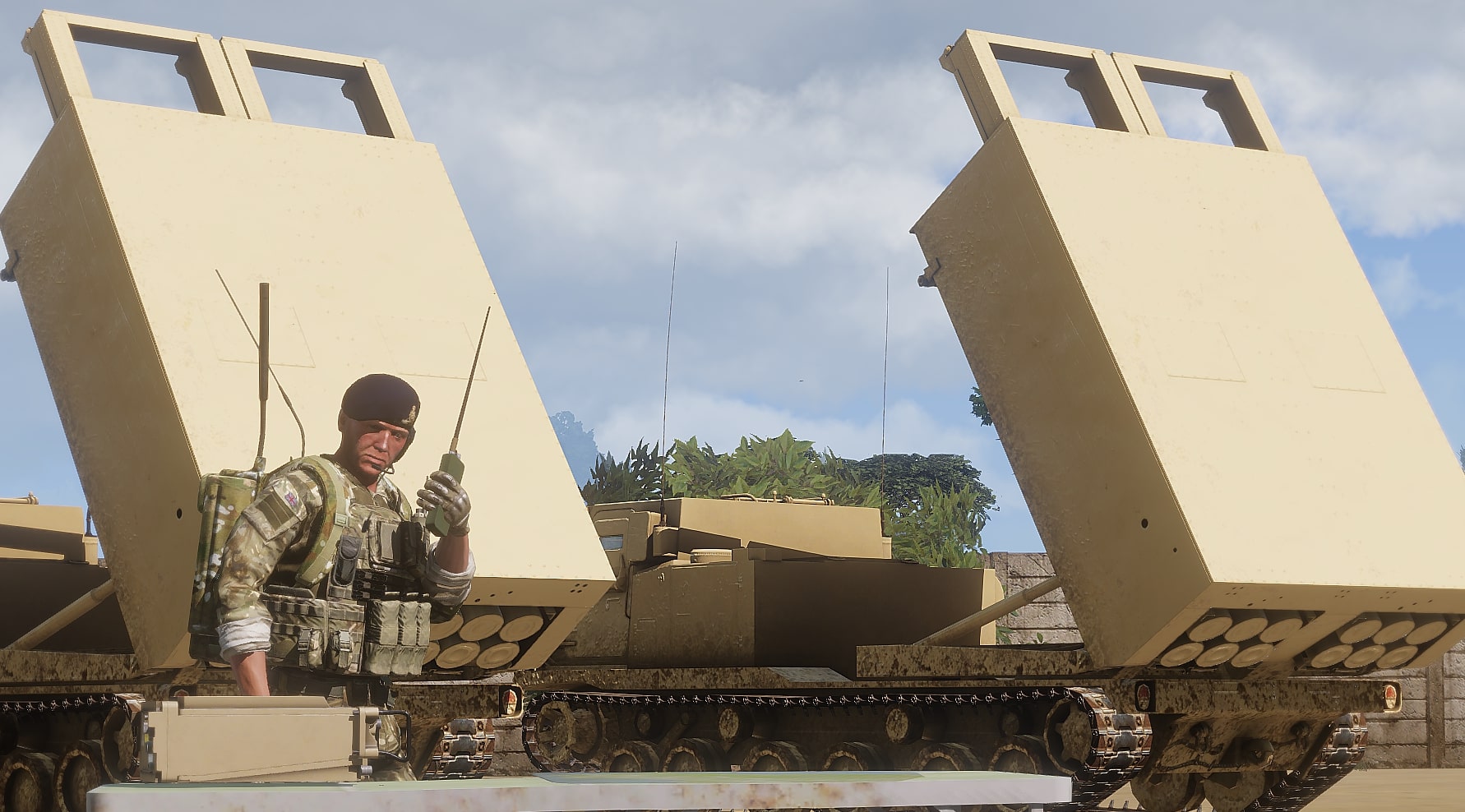 Fire Support Chief
Fire Support
The other 2 roles read it through these cards.
By combat area