The FM outlines our core skills, policies and guides to ensure every member stands ready for the mission ahead.
FM/BG-1516 · v1.01
Commander's intent
- Code
- FM/BG-1516
- Kind
- Guide
- Version
- v1.01 7mos ago
- Views
- 227
- Platforms
- As its document
- Published by
- Cpl Ross 6 Mar 2026
- Last material change
- v1.00 Initial Version
0 words added, 0 words removed. Title changed from "Commander's Intent" to "Commander's intent".
v1.00
Commander’s Intent defines the purpose of an operation, the desired end state, and the key effects required to achieve mission success. It provides direction without prescribing detailed execution, enabling subordinate leaders to act independently while remaining aligned with higher objectives.
Commander’s Intent exists at every level of command:
Fireteam level: intent clarifies the immediate objective and priority of effort (e.g. suppress, secure, clear, hold). It ensures members understand what must be achieved if communication is lost or conditions change.
Squad level: intent describes the squad’s role within the platoon plan, the decisive action required, and the conditions that define success. It guides manoeuvre, tempo, and risk decisions.
Platoon level: intent establishes how squads combine to achieve a broader tactical effect. It identifies the main effort, supporting efforts, and the operational end state.
Company level: intent defines the overall tactical objective, desired battlefield conditions, and acceptable risk. It shapes subordinate planning and ensures unity of effort across multiple platoons.
Commander’s Intent allows initiative within boundaries. When plans break down, leaders act in accordance with intent rather than waiting for orders. Clear intent preserves momentum, cohesion, and operational effectiveness at every level.
v1.01
Commander’s Intent defines the purpose of an operation, the desired end state, and the key effects required to achieve mission success. It provides direction without prescribing detailed execution, enabling subordinate leaders to act independently while remaining aligned with higher objectives.
Commander’s Intent exists at every level of command:
Fireteam level: intent clarifies the immediate objective and priority of effort (e.g. suppress, secure, clear, hold). It ensures members understand what must be achieved if communication is lost or conditions change.
Squad level: intent describes the squad’s role within the platoon plan, the decisive action required, and the conditions that define success. It guides manoeuvre, tempo, and risk decisions.
Platoon level: intent establishes how squads combine to achieve a broader tactical effect. It identifies the main effort, supporting efforts, and the operational end state.
Company level: intent defines the overall tactical objective, desired battlefield conditions, and acceptable risk. It shapes subordinate planning and ensures unity of effort across multiple platoons.
Commander’s Intent allows initiative within boundaries. When plans break down, leaders act in accordance with intent rather than waiting for orders. Clear intent preserves momentum, cohesion, and operational effectiveness at every level.
Where it appears
Lives in
FM/G311 Leading an elementOn role cards
On 25 role cards in 6 combat areas.
Named on
-
 Acting Fireteam Leader (≤5)
Combat Leadership
-
 Fireteam Leader (≤6)
Combat Leadership
-
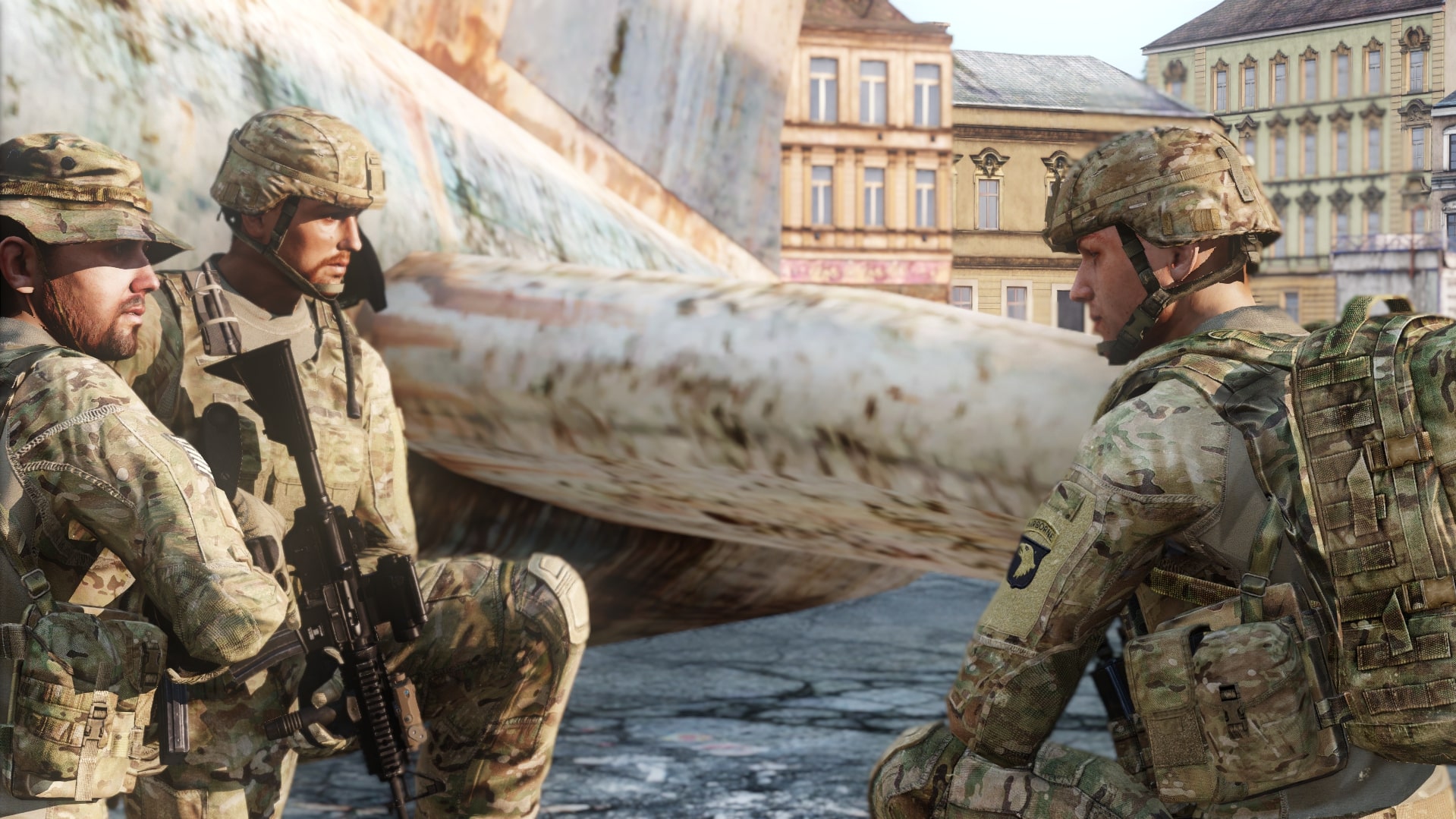 Infantry Team Leader (≤8)
Combat Leadership
-
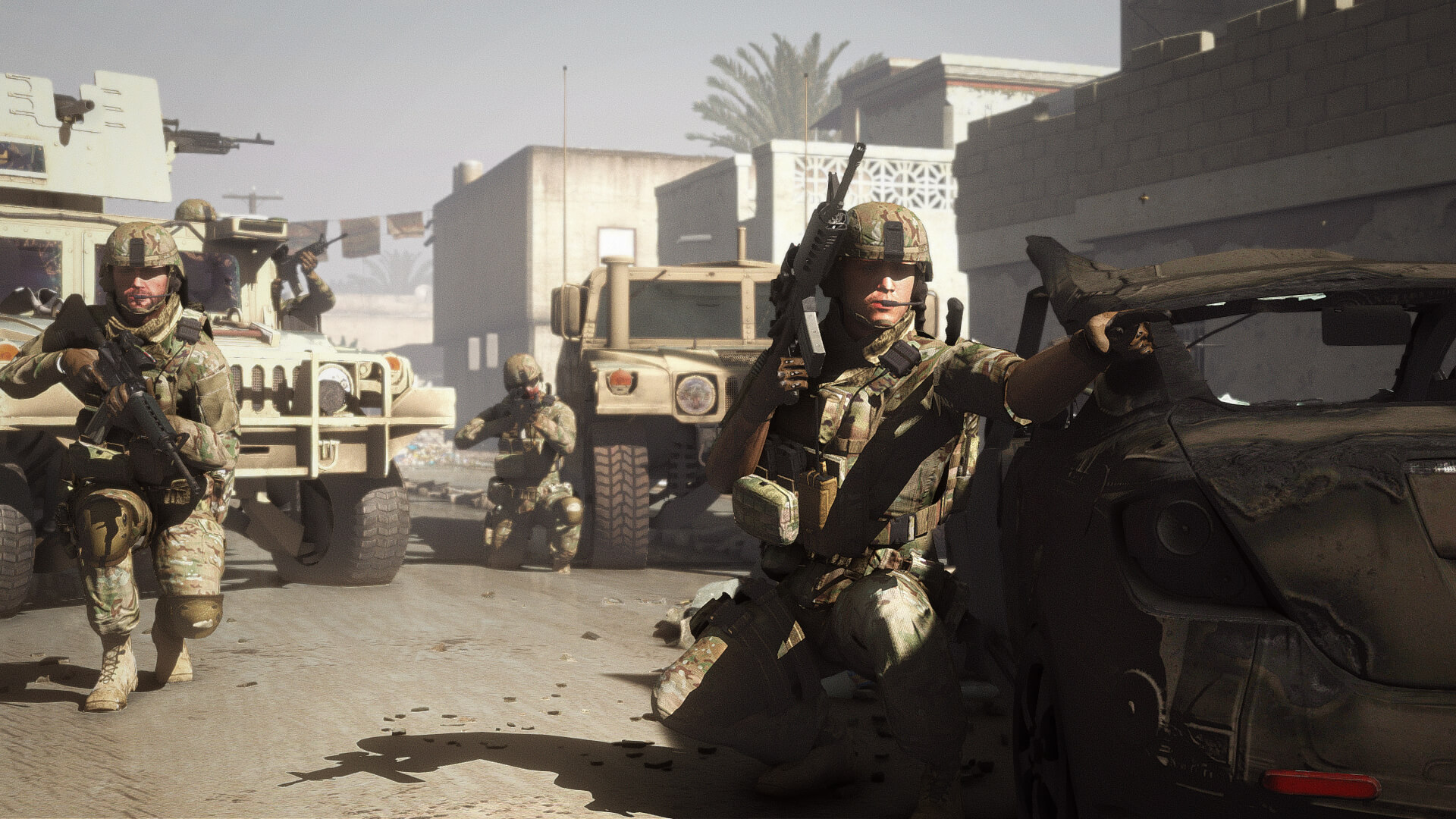 Squad Leader (≤15)
Combat Leadership
-
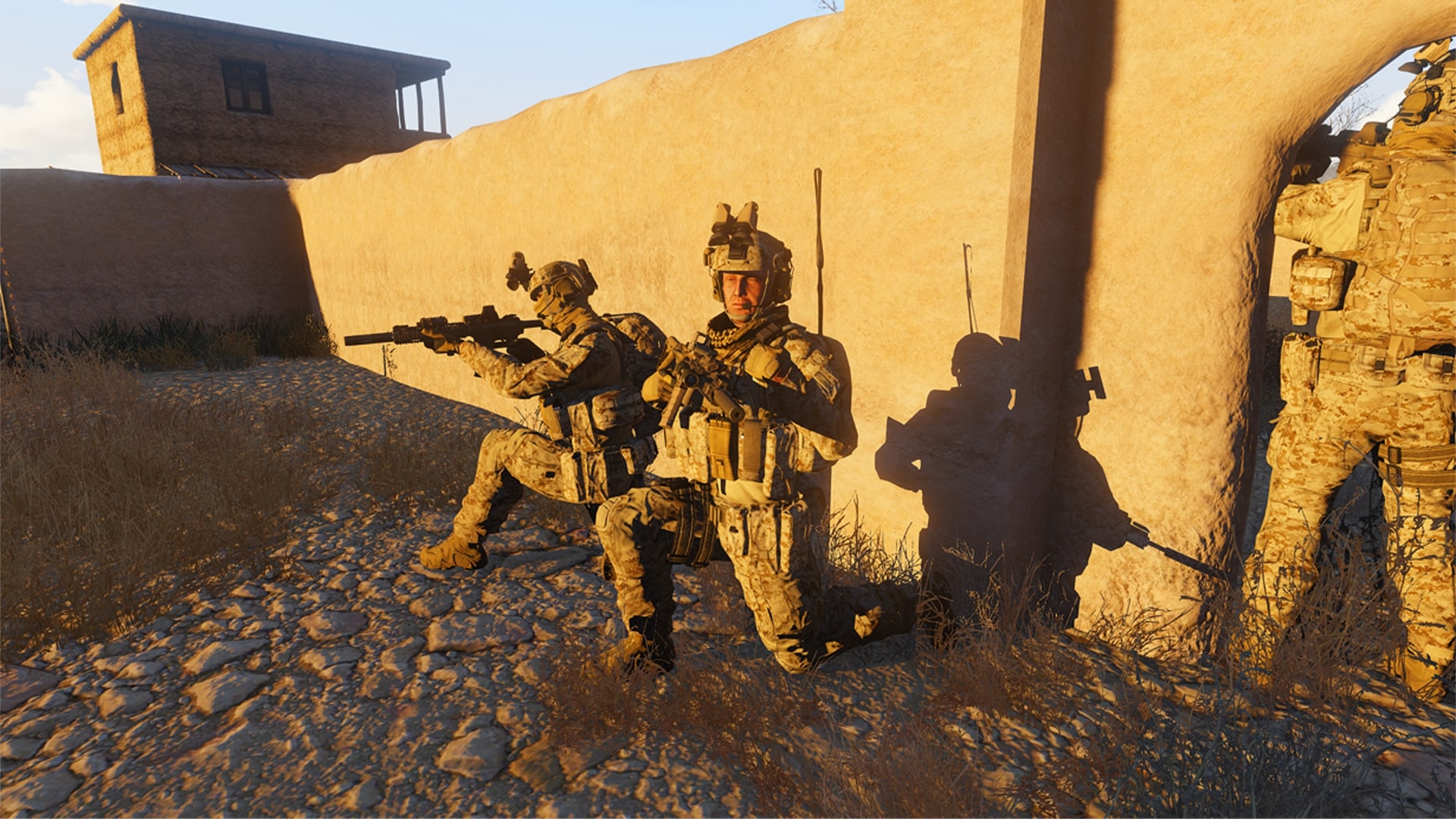 SF Team Leader (≤6)
Combat Leadership
-
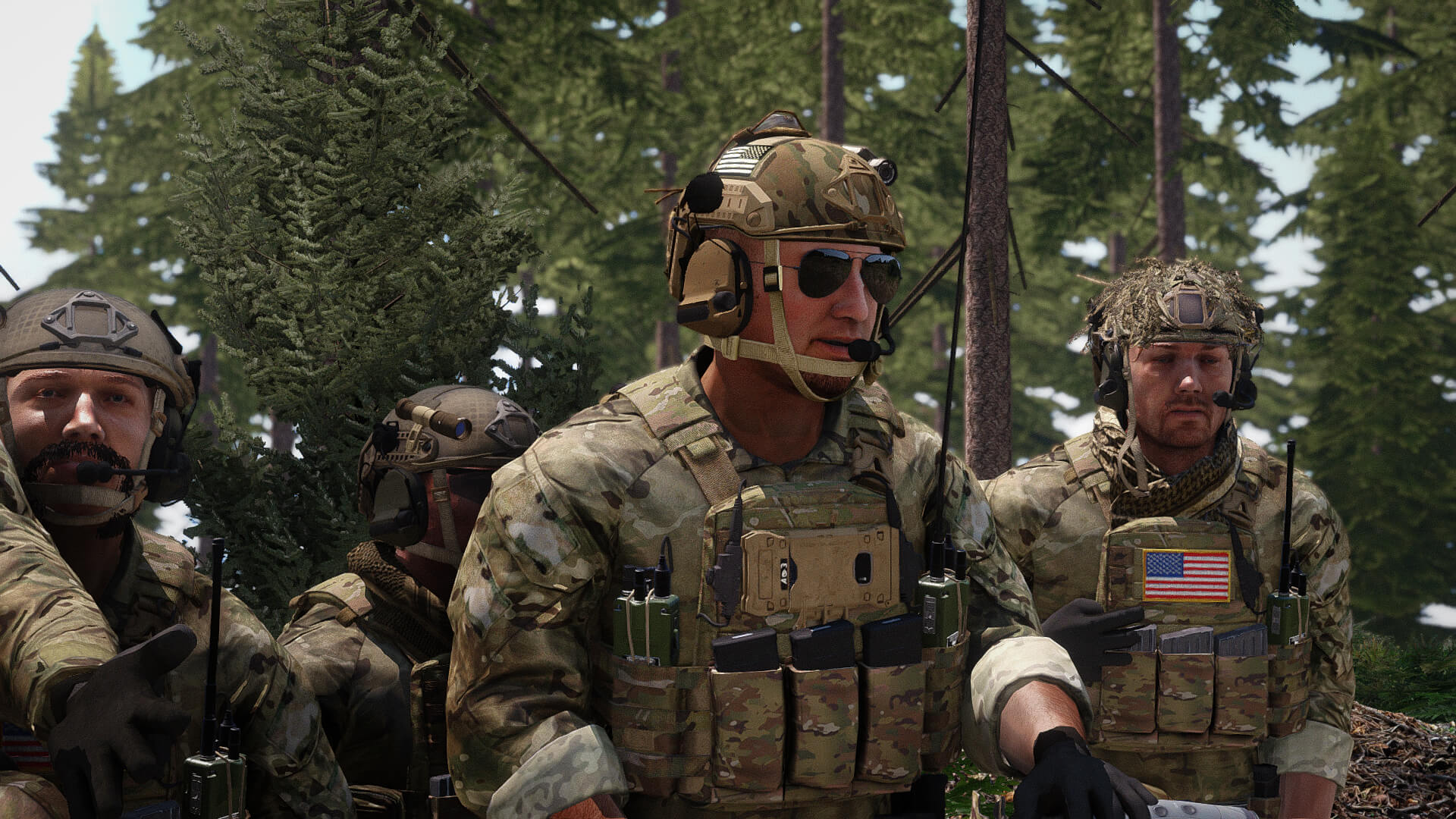 Squad Commander (≤15)
Combat Leadership
-
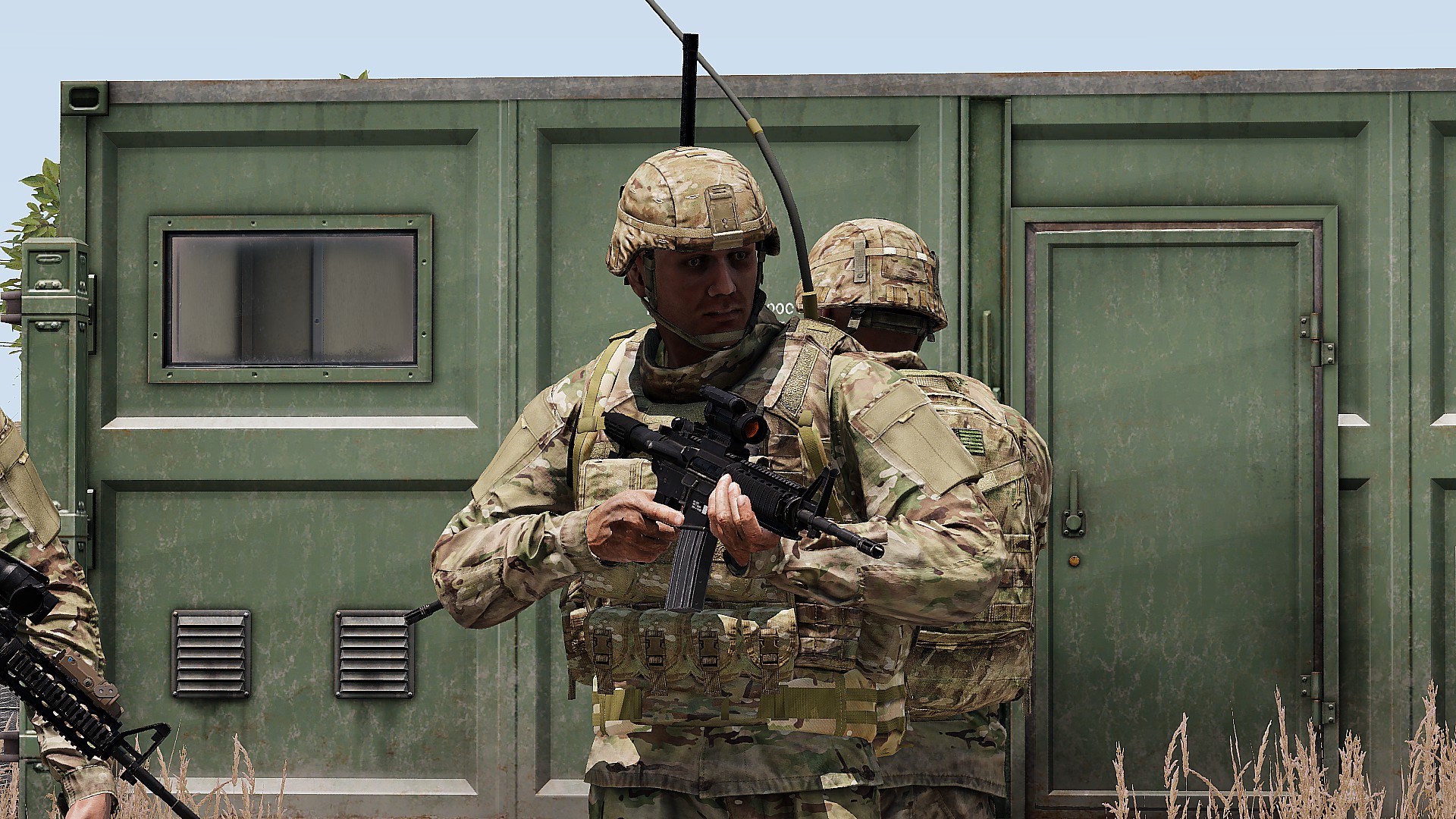 Platoon Sergeant
Field Leadership
-
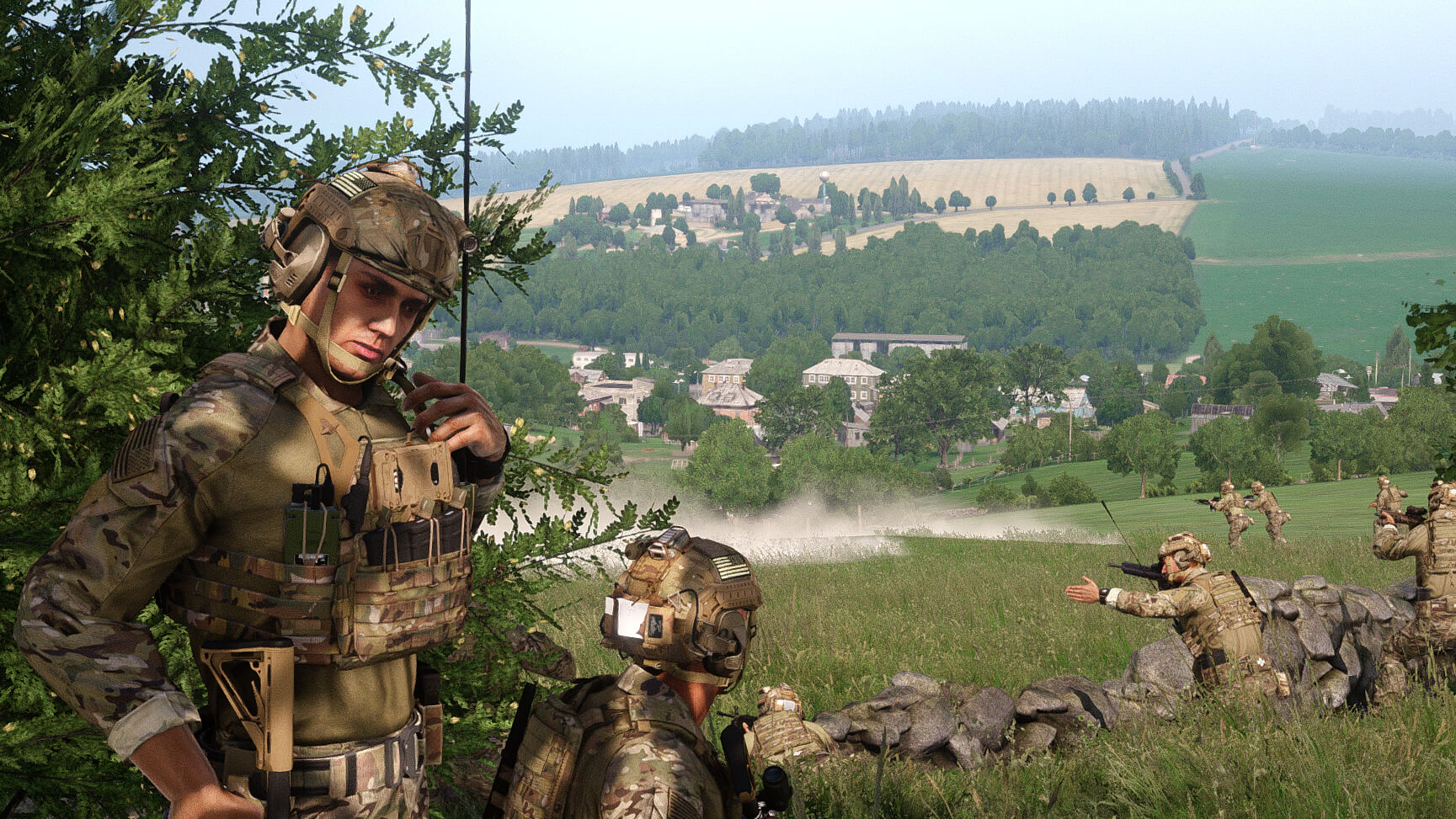 Squad Commander (≤28)
Field Leadership
-
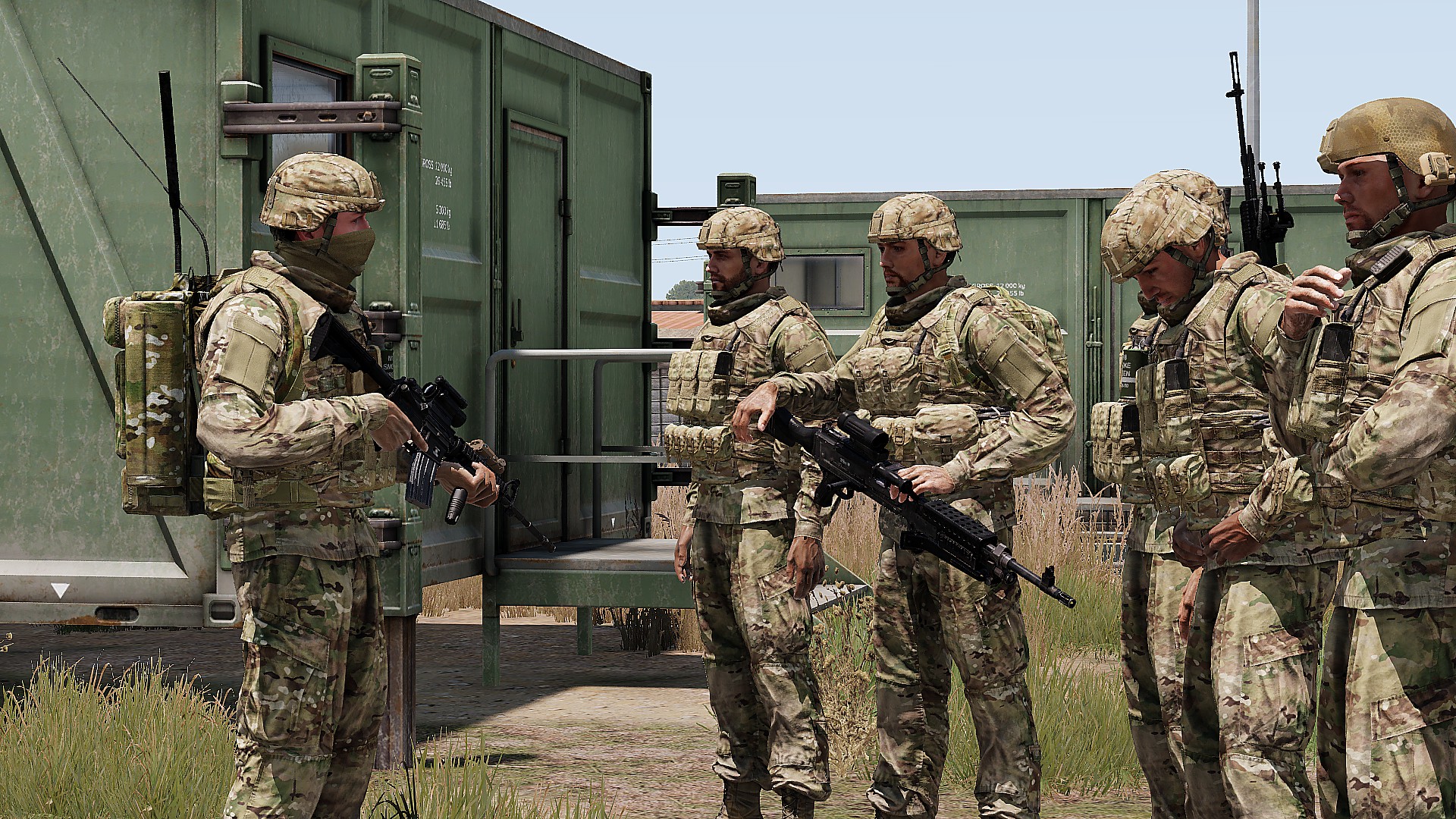 Platoon Commander (≤32)
Field Leadership
-
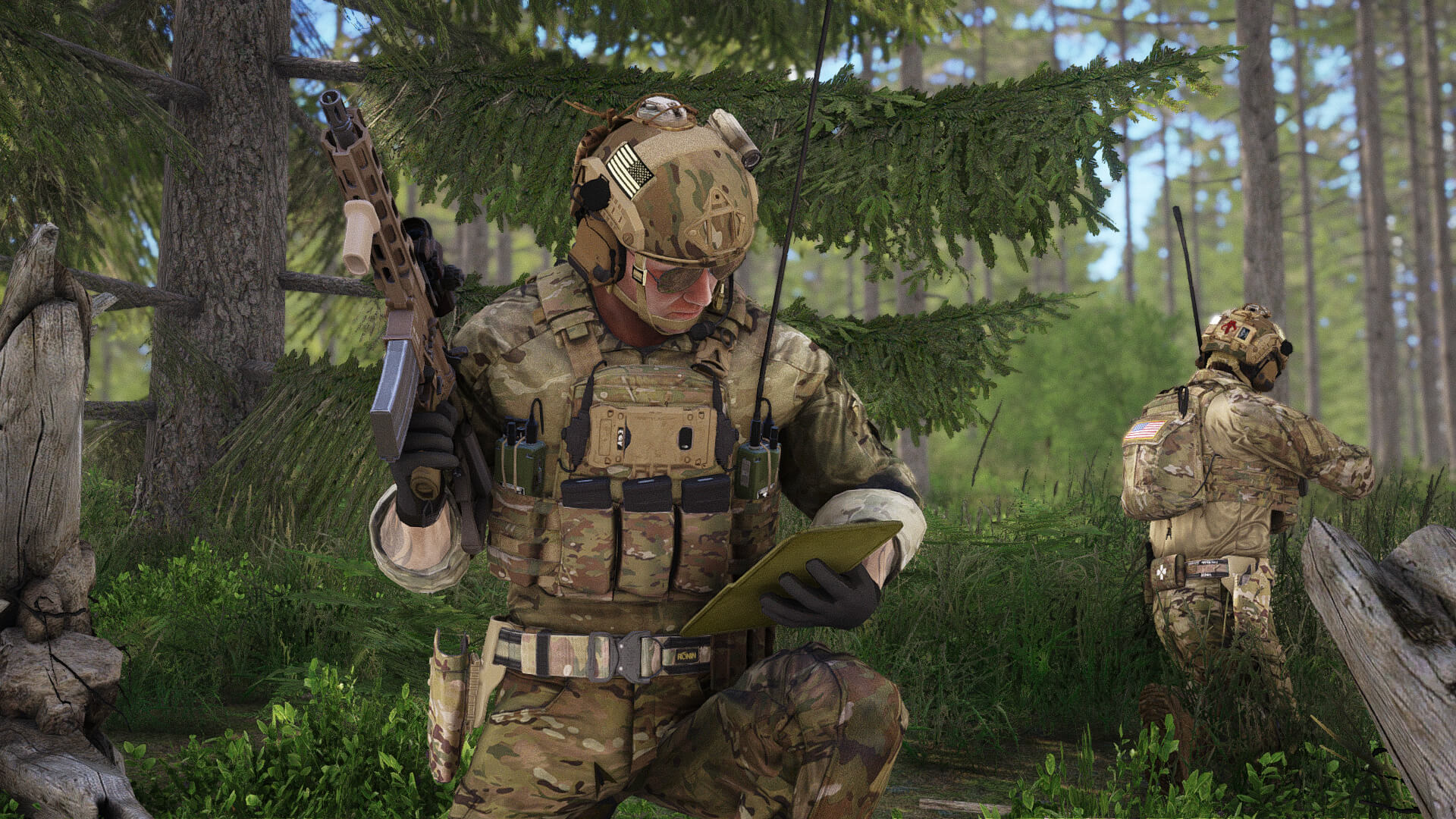 Platoon Leader (≤45)
Field Leadership
-
 Platoon Commander (≤45)
Field Leadership
-
 SF Commander (≤45)
Field Leadership
-
 Platoon Commander (≤64)
Field Leadership
-
 Company Commander (≤64)
Field Leadership
-
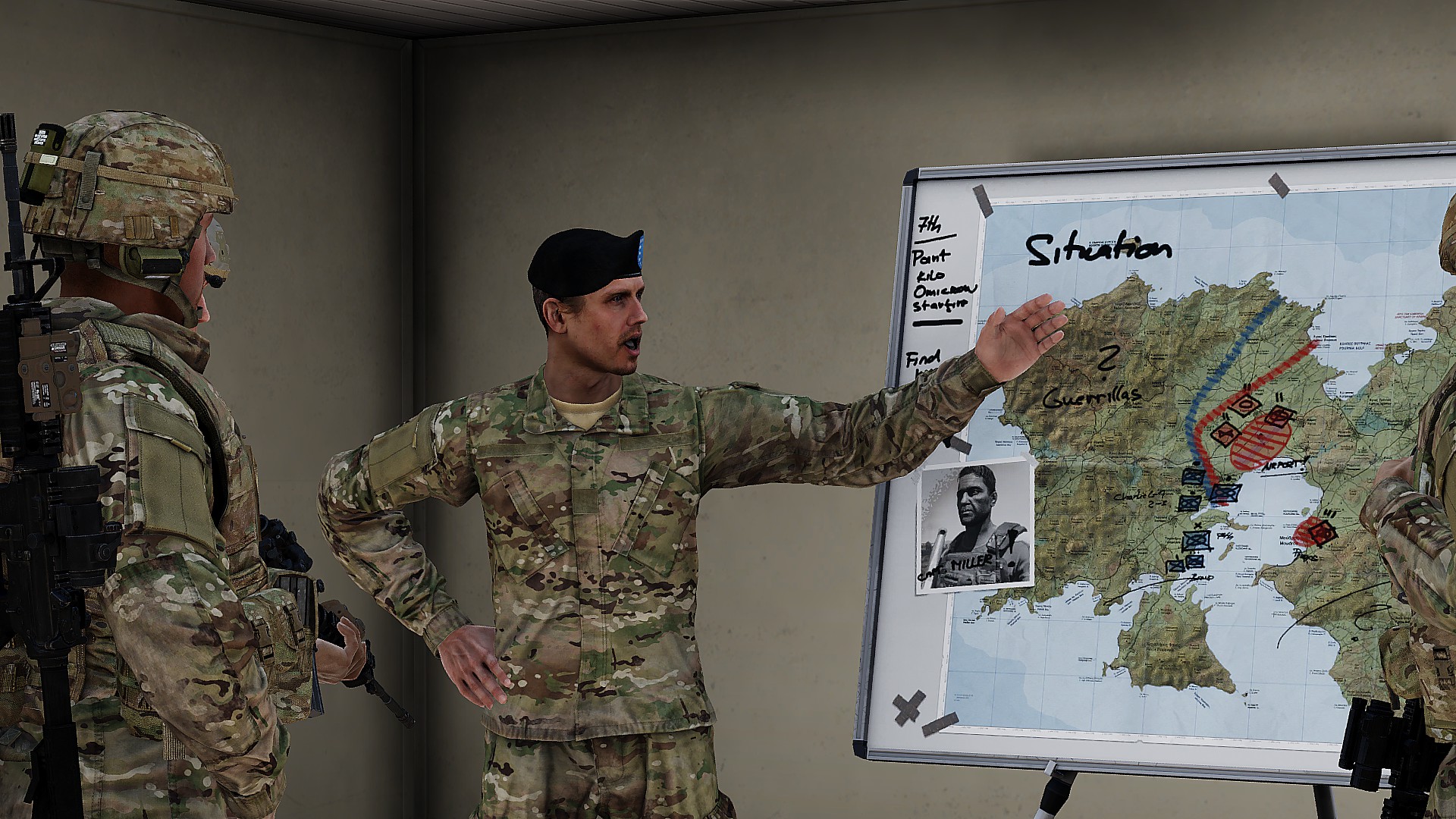 Company Commander (≤128)
Field Leadership
-
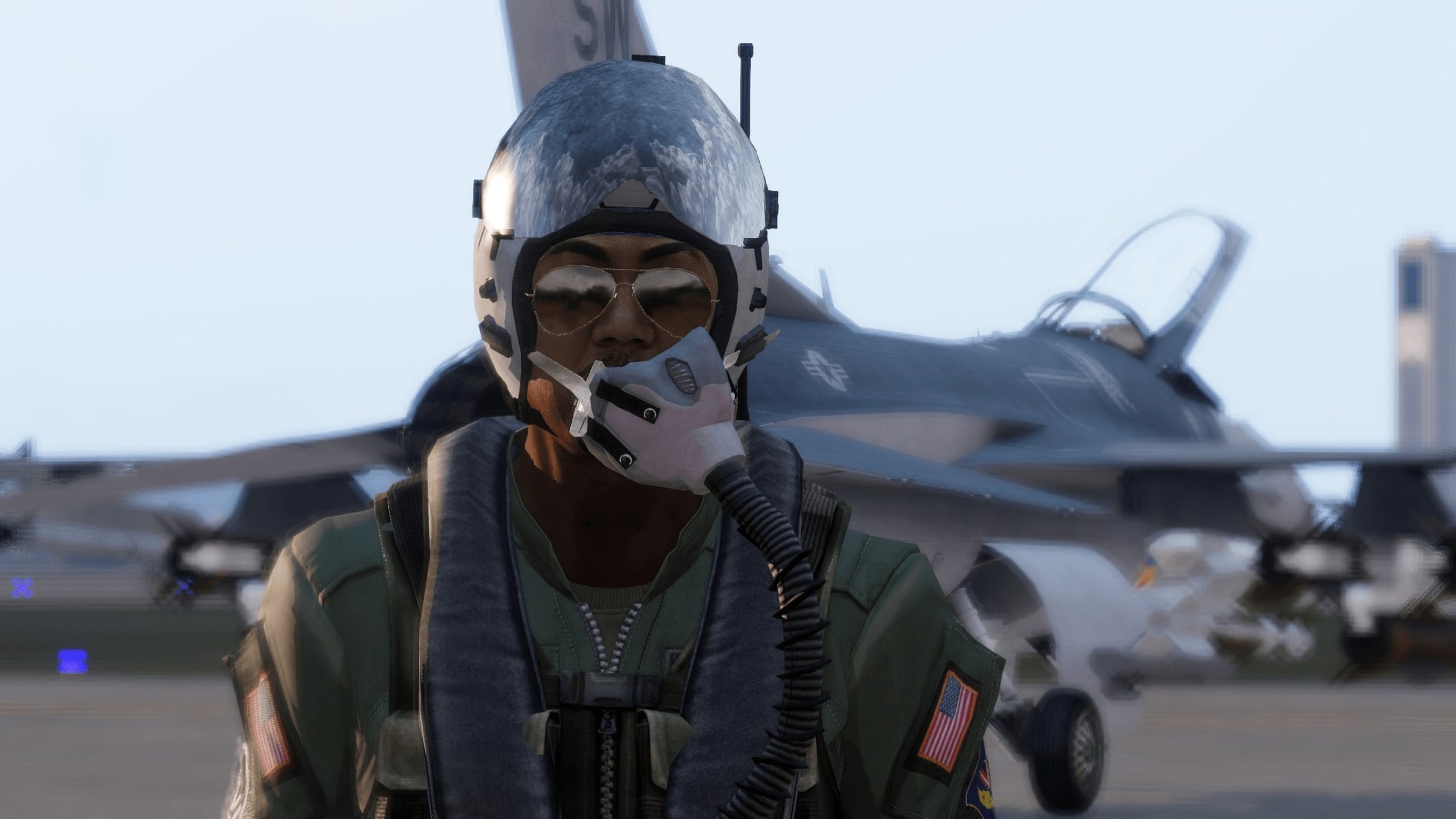 Fixed-wing Weapons Systems Officer
Fixed-wing Aircrew
-
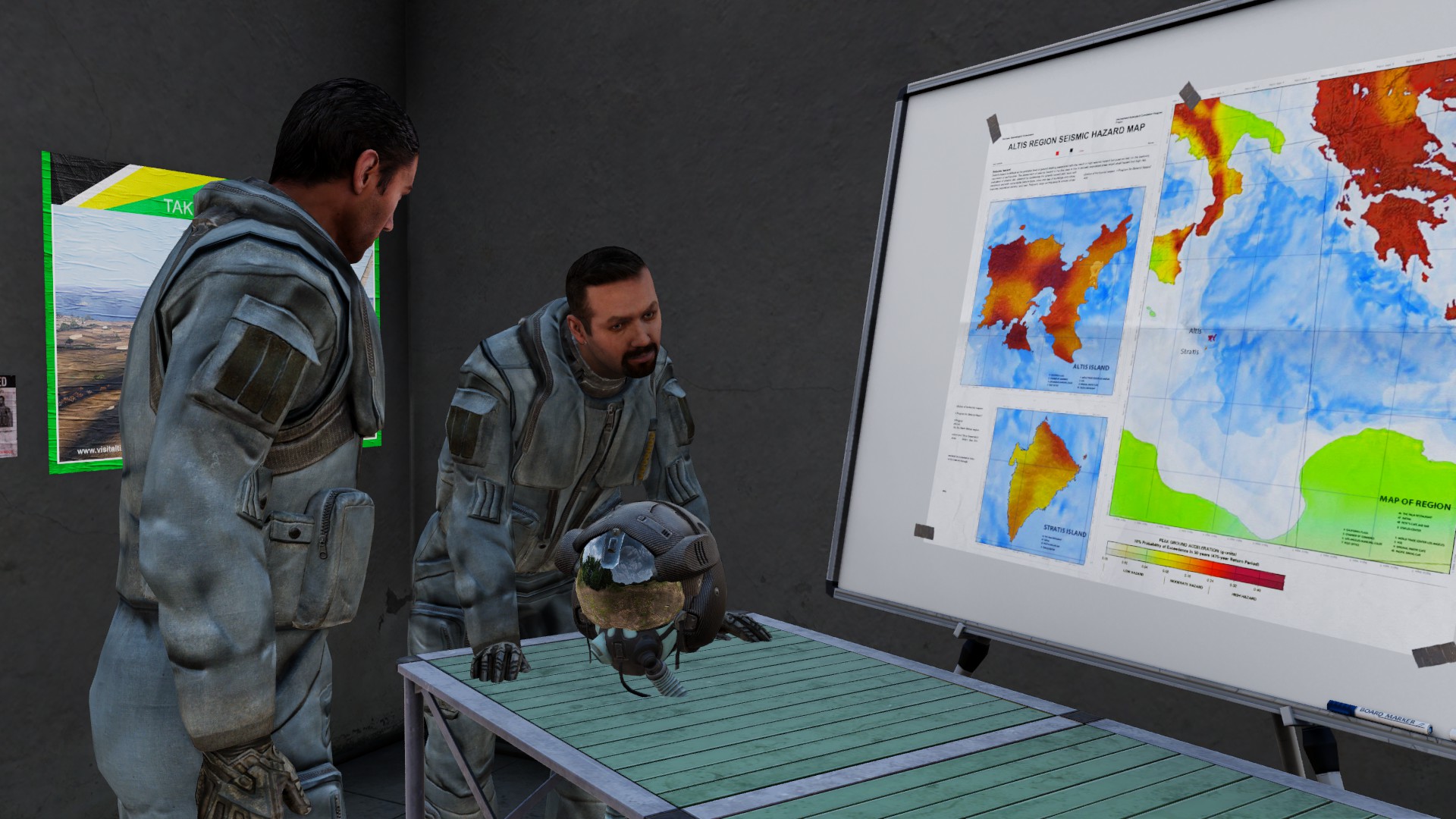 Fixed-wing Pilot (Flight Leader)
Fixed-wing Aircrew
-
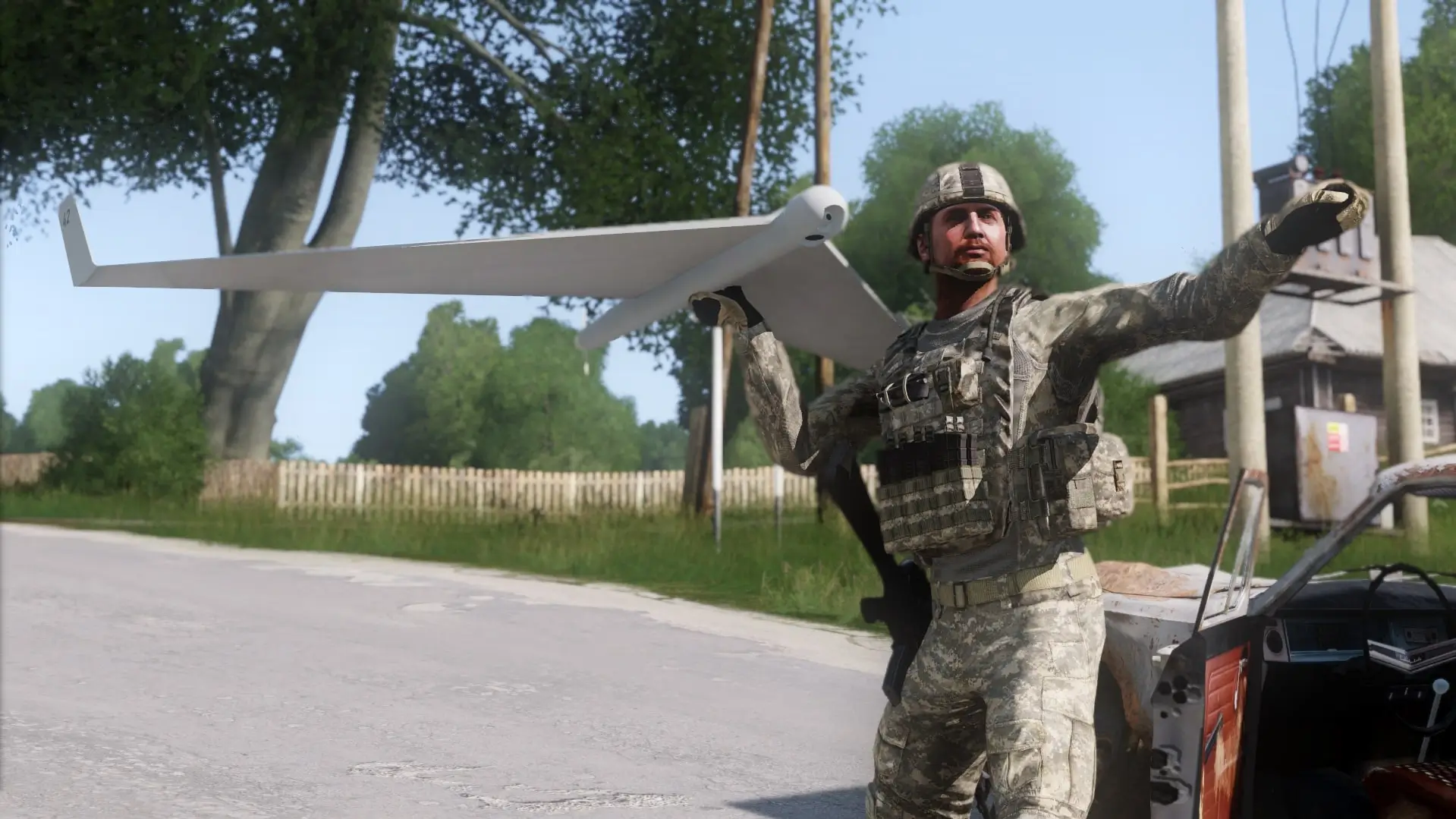 sUAS Team Leader
Remotely Piloted Systems
The other 7 roles read it through these cards.
By combat area
-
 Core Infantry
1 of 13
-
 Fixed-wing Aircrew
2 of 7
-
Remotely Piloted Systems
1 of 5