The FM outlines our core skills, policies and guides to ensure every member stands ready for the mission ahead.
FM/BG-521 · v1.04
Milliradians: Apparent Size
- Code
- FM/BG-521
- Kind
- Guide
- Version
- v1.04 2yrs ago
- Views
- 541
- Platforms
- As its document
- Published by
- Capt SkullCollector 31 Mar 2024
- Last material change
- v1.00
1 word added, 2 words removed.
v1.03
The apparent size of an object changes with distance, as we see daily. The width of your index finger may be a couple centimetres. Move it close to your eye and you can block your whole vision out of it. Move it further away and it occupies a small fraction of your field of view. All the while, the absolute width of your index finger has never changed.
Because our field of view is described by an angle, the area we can see increases with distance. As an object moves farther away, its real-world size doesn't change, but its apparent proportion of our field of view becomes smaller and smaller. This proportion of an angle is also an angle and we can describe it with milliradians.
A metre is always a metre, but we can measure its apparent size to us in milliradians, so we can tell what a metre is at any distance.
If you know how far an object is and measure the milliradians between it and another point, you know the distance between them.
Similarly, if you know the real size of an object, you can use its apparent size to calculate the distance to it. We can do this with surprising accuracy and very little effort using the mil-relation formula.
v1.04
The apparent size of an object changes with distance, as we see daily. The width of your index finger may be a couple centimetres. Move it close to your eye and you can block your whole vision out of it. Move it further away and it occupies a small fraction of your field of view. All the while, the absolute width of your index finger has never changed.
Because our field of view is described by an angle, the area we can see increases with distance. As an object moves farther away, its real-world size doesn't change, but its apparent proportion of our field of view becomes smaller and smaller. This proportion of an angle is also an angle and we can describe it with milliradians.
A metre is always a metre, but we can measure its apparent size to us in milliradians, so we can tell what a metre is at any distance.
If you know how far an object is and measure the milliradians between it and another point, you know the distance between them.
Similarly, if you know the real size of an object, you can use its apparent size to calculate the distance to it. We can do this with surprising accuracy and very little effort using the https://unitedtaskforce.net/handbook?c=marksmanship-temp&g=FMB522.
The apparent size of an object changes with distance, as we see daily. The width of your index finger may be a couple centimetres. Move it close to your eye and you can block your whole vision out of it. Move it further away and it occupies a small fraction of your field of view. All the while, the absolute width of your index finger has never changed.
Because our field of view is described by an angle, the area we can see increases with distance. As an object moves farther away, its real-world size doesn't change, but its apparent proportion of our field of view becomes smaller and smaller. This proportion of an angle is also an angle and we can describe it with milliradians.
A metre is always a metre, but we can measure its apparent size to us in milliradians, so we can tell what a metre is at any distance.
If you know how far an object is and measure the milliradians between it and another point, you know the distance between them.
Similarly, if you know the real size of an object, you can use its apparent size to calculate the distance to it. We can do this with surprising accuracy and very little effort using the mil-relation formula. https://unitedtaskforce.net/handbook?c=marksmanship-temp&g=FMB522.
Where it appears
Lives in
FM/G83 Distance estimationOn role cards
On 76 role cards in 15 combat areas.
Named on
-
 SF Operator
Core Infantry
-
 Rifleman (Leadership Observer)
Core Infantry
-
 Designated Marksman
Marksmanship
-
 Sniper
Marksmanship
-
 Spotter (Assisted)
Marksmanship
-
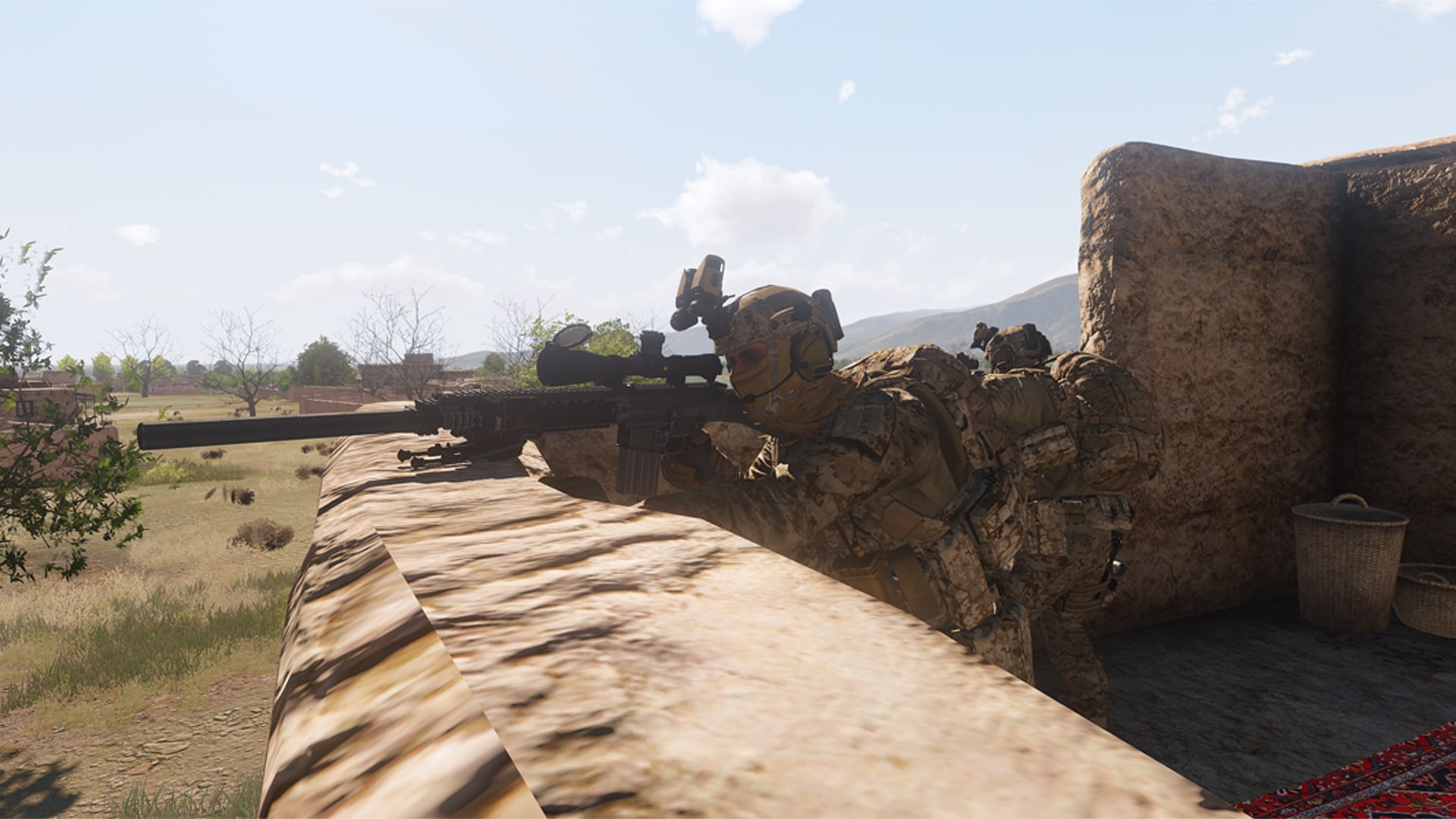 SF Marksman
Marksmanship
-
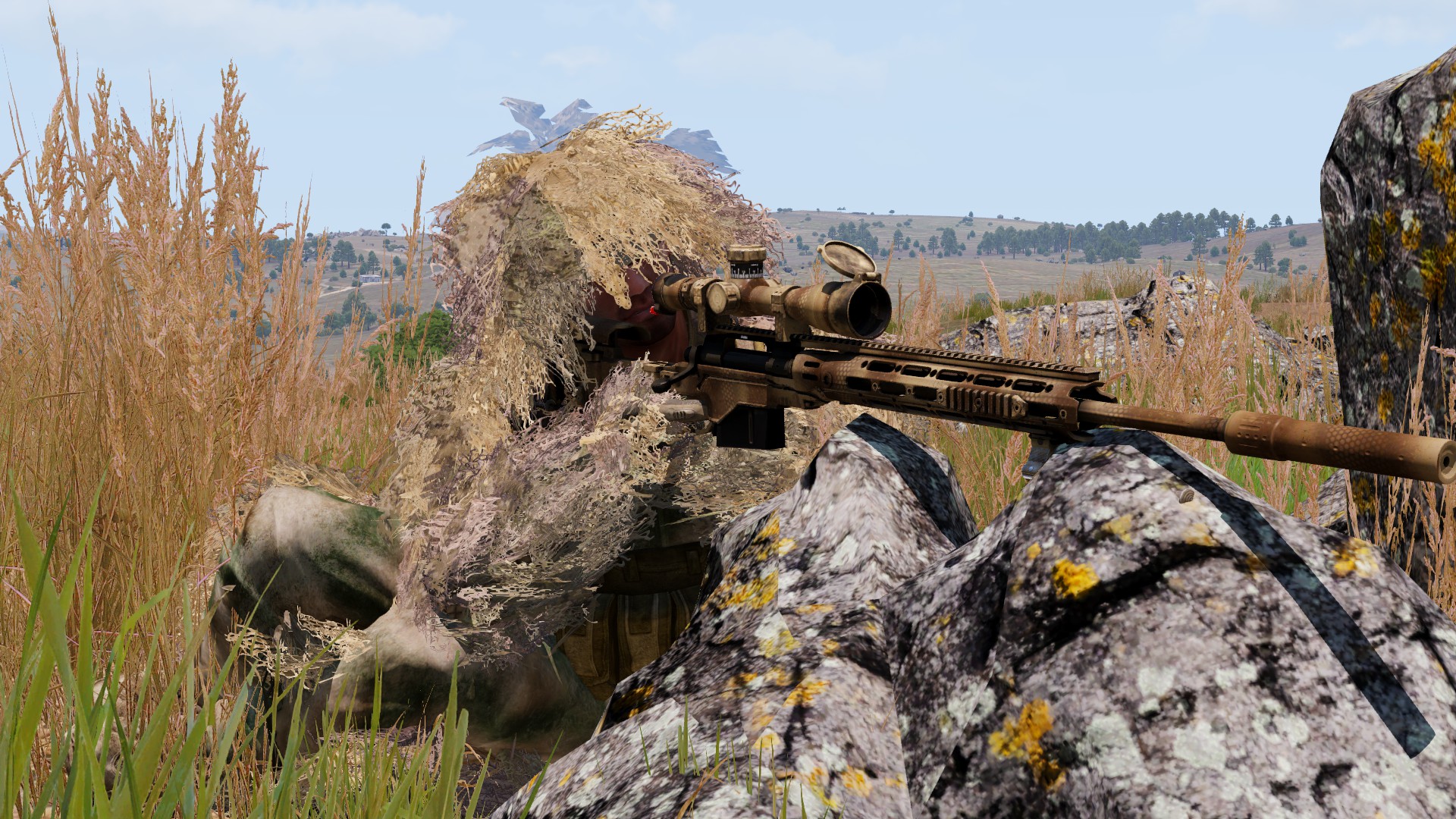 SF Sniper
Marksmanship
-
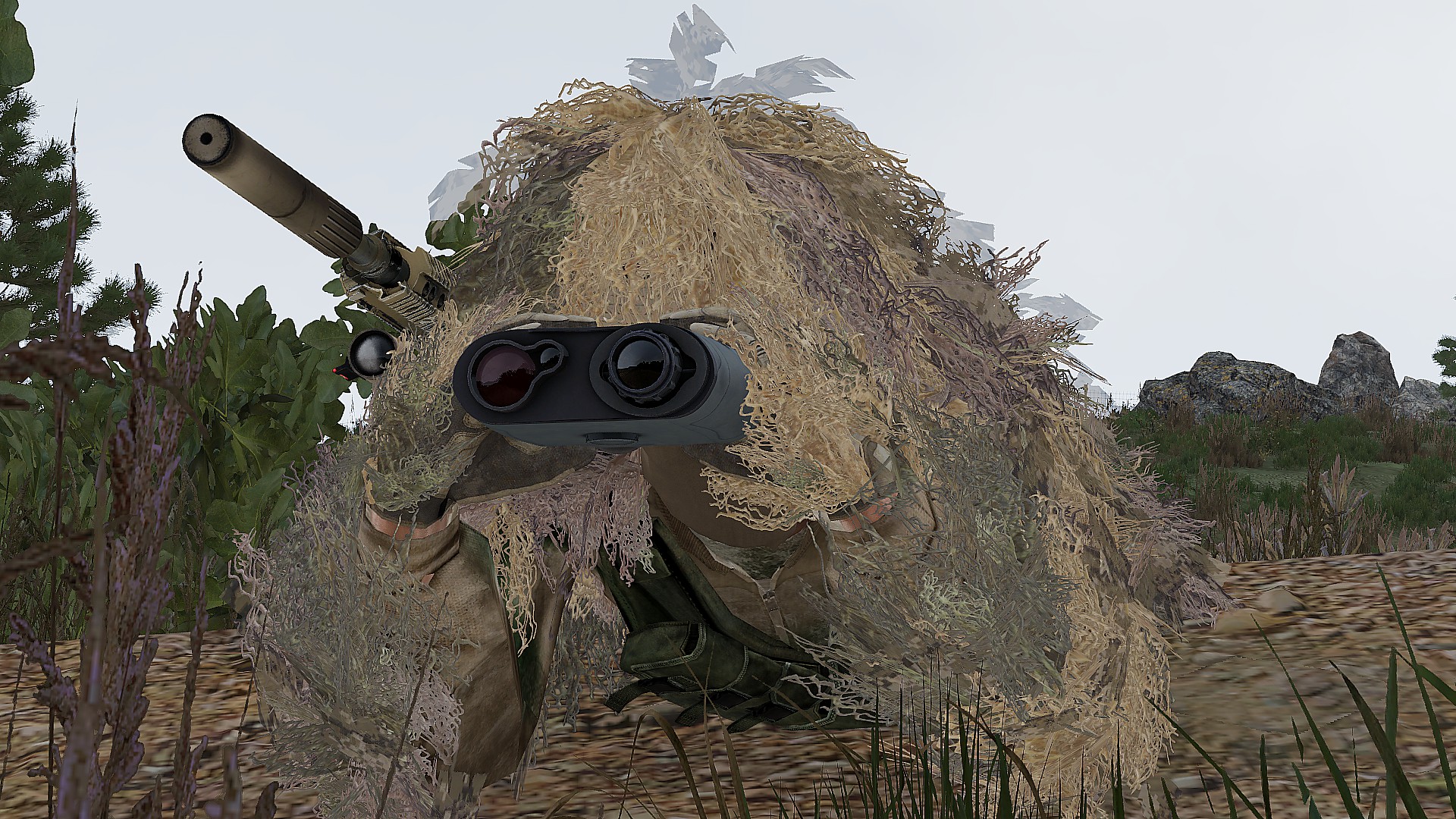 Spotter (Manual)
Marksmanship
-
 SF Spotter
Marksmanship
-
 Advanced Infantry
Specialisations
The other 66 roles read it through these cards.
By combat area
-
 Marksmanship
Every role
-
 Mission Support
1 of 11
-
Specialisations
1 of 2
-
 Logistics
Every role
-
 Engineering
2 of 3
-
 Remotely Piloted Systems
3 of 5